
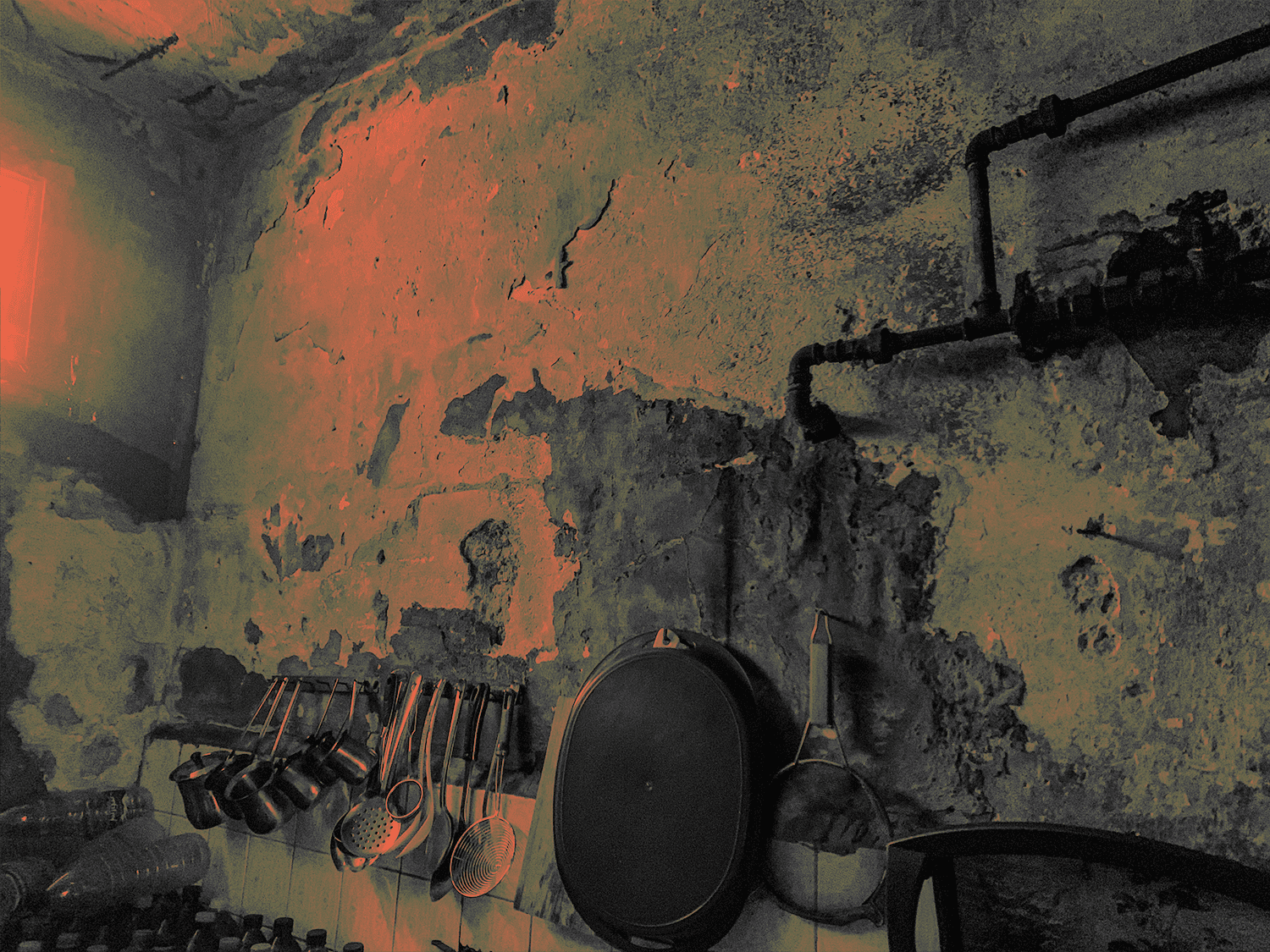
This report examines the structural deterioration of buildings in Tripoli, Lebanon, uncovering the deep-rooted causes behind the city’s escalating housing crisis. It draws on years of field documentation, resident testimonies, and policy analysis to show how decades of neglect, inadequate urban planning, and ineffective government interventions have left large segments of the city’s built environment in a state of severe disrepair.
Focusing on the historical context of building collapse, the report traces the impacts of centralized governance, weak regulatory frameworks, and speculative real estate policies that have prioritized capital over rights. It also highlights the absence of preventive maintenance programs and the neglect of heritage buildings, many of which now pose safety risks to their residents. While the state continues to rely on reactive, short-term responses, often limited to evacuations or emergency demolitions, no long-term strategies have been put in place to ensure safe and affordable housing.
At the heart of this research are the voices of Tripoli’s residents. Through in-depth interviews, the report captures how individuals and families navigate life in structurally compromised buildings, often without alternatives or meaningful state support. Their testimonies underscore both the physical and emotional toll of housing insecurity and instability, as well as the collective efforts by communities and civil society actors to assert their right to remain and live in dignity.
The report calls for an urgent policy shift: one that prioritizes people over profit, enables community-driven solutions, and reimagines housing as a fundamental right rather than a commodity. It serves as both a record of injustice and a tool for advocacy, aiming to shape a more just and inclusive urban future for Tripoli.
Read the full report in Arabic.
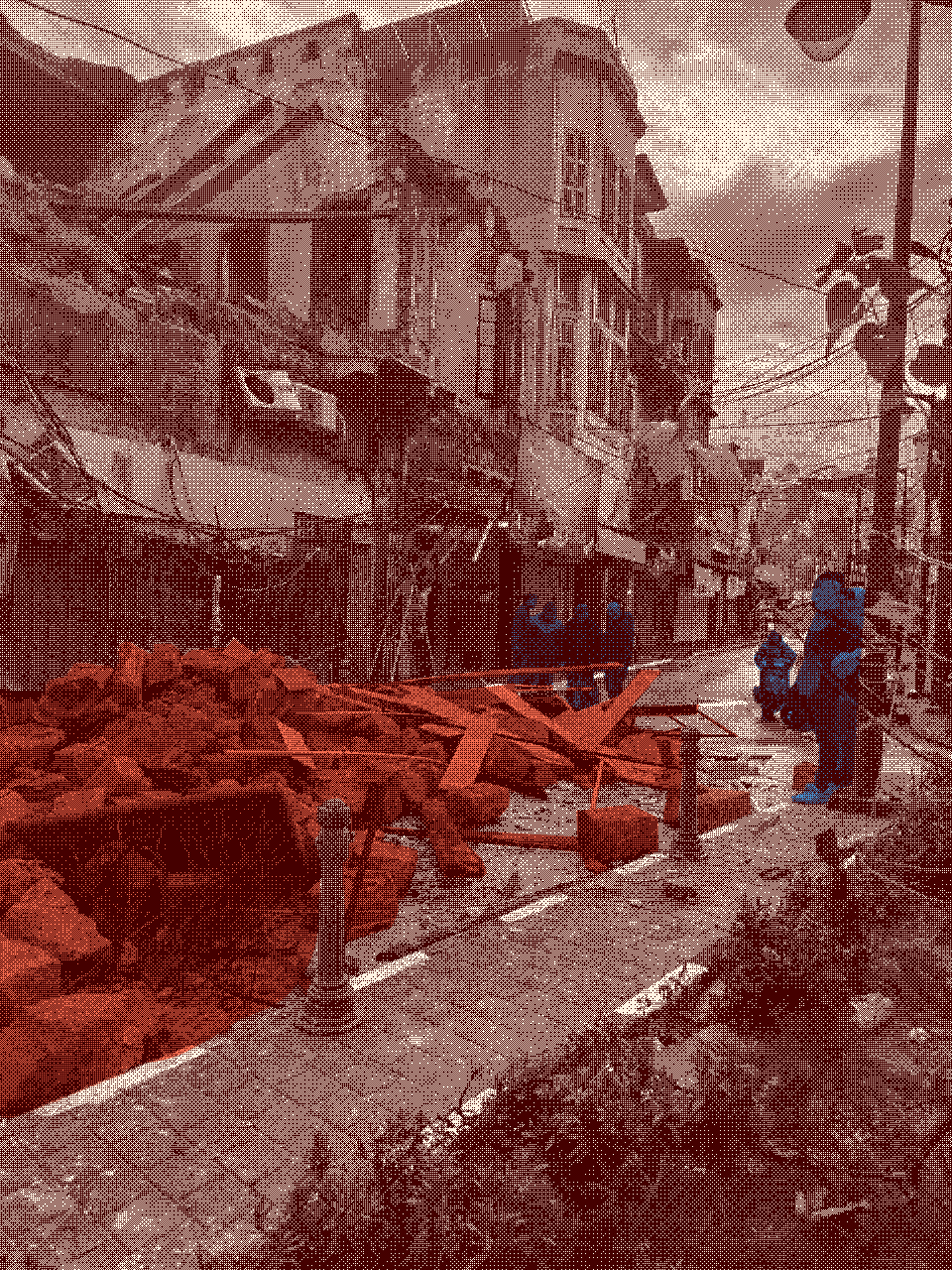

A Proposal to Address Building Collapses:
Filling the Legal Void Does Not Replace the State
Building collapses in Lebanon are no longer isolated incidents, but the result of a long accumulation of neglect and the state’s retreat from its responsibilities toward public safety. The latest draft law proposed ...