Interviews

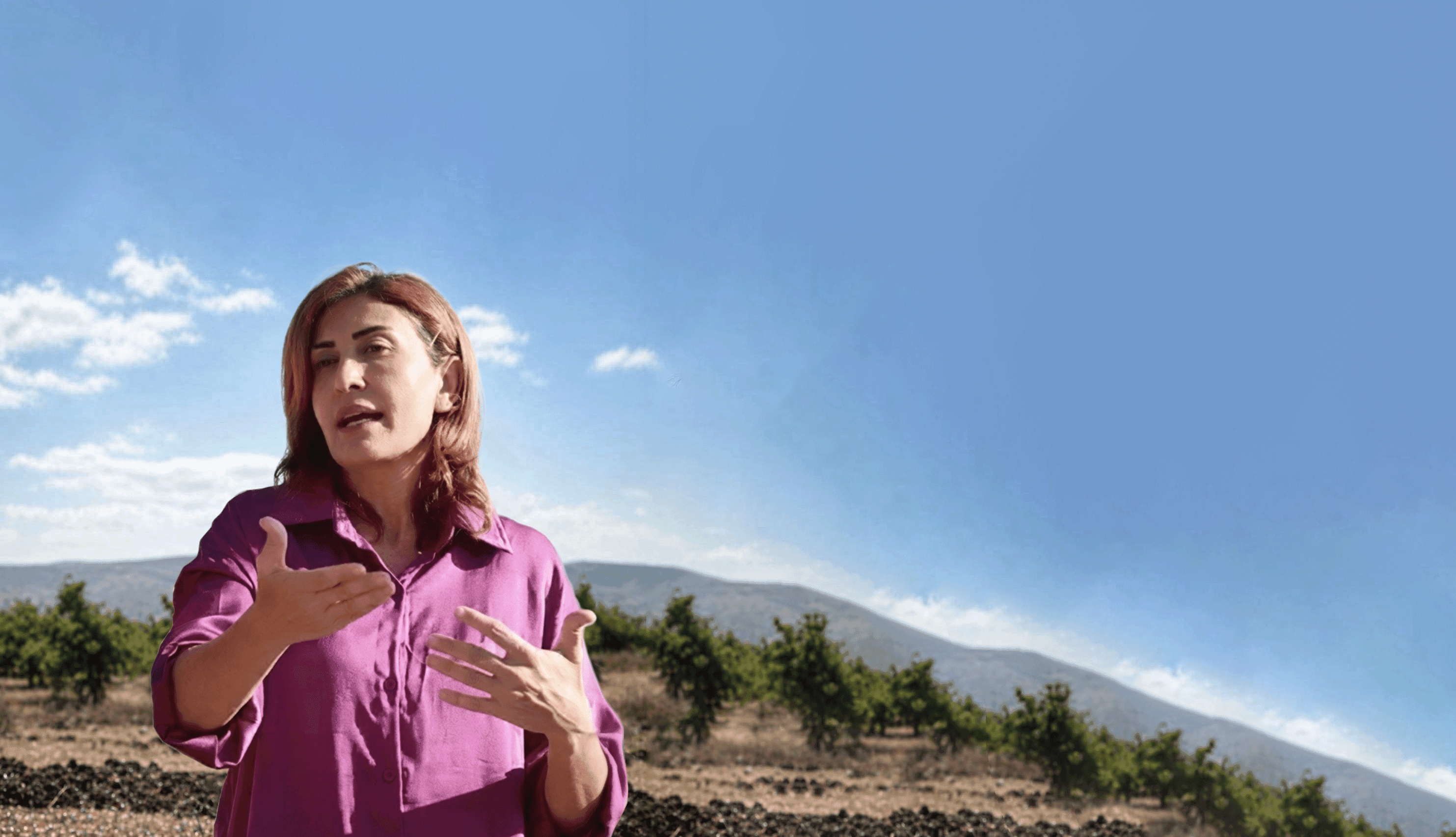
On the fortieth day since the martyrdom of journalist Amal Khalil: An interview with her about the South and its lands

In her home in Bayssariyeh, Amal welcomed us on February 28, 2019. She was the one speaking, and we were the ones asking questions about the South, its people, and its problems.
On April 22, 2026, while doing the same thing—telling people about the South and standing against the erasure of memory and land—Amal was killed in an Israeli airstrike that targeted her several times.
As part of a research project on the agricultural plain in the Zahrani region, we had observed changes in land ownership, and wanted to understand the reality of these ownership structures and their implications.
Below are the words of the martyred journalist Amal Khalil about the Zahrani Plain.
The Council for South Lebanon: What role does it play in the midst of the current Israeli War?

After repeated Israeli attacks on Southern Lebanon and the israeli occupation of border towns, the Council for South Lebanon was established in 1970 by a legislative decree, based on the Prime Minister’s proposal. …

Interview with Engineer Rabih Taksh

Member of Nabatieh El Tahta Municipality for 28 Years and Director of "Jihad al-Bina" in South Lebanon after the 2006 War

The interview with Engineer Rabih Taksh was conducted by Public Works Studio as part of the project “Planning in Lebanon: Manufacturing Landscapes of Inequality” (2017-2018). It explores the transformation of land use in …

Interview with Engineer Mohammad Fawwaz

Ex-director of the General Directorate of Urban Planning (1973-1993)

The interview with Engineer Mohammad Fawwaz was conducted by Public Works Studio as part of the project “Planning in Lebanon: Manufacturing Landscapes of Inequality” (2017-2018). It explores the history of urban planning practice …

Dwellers in the Face of the State’s Exclusionary Policies

In the context of reading the urban transformations that Lebanon is witnessing as cross-border transformations generated by capitalist governments adopting neoliberal policies, and aiming to reshape neighborhoods and land into a commodity in …