Urban Governance

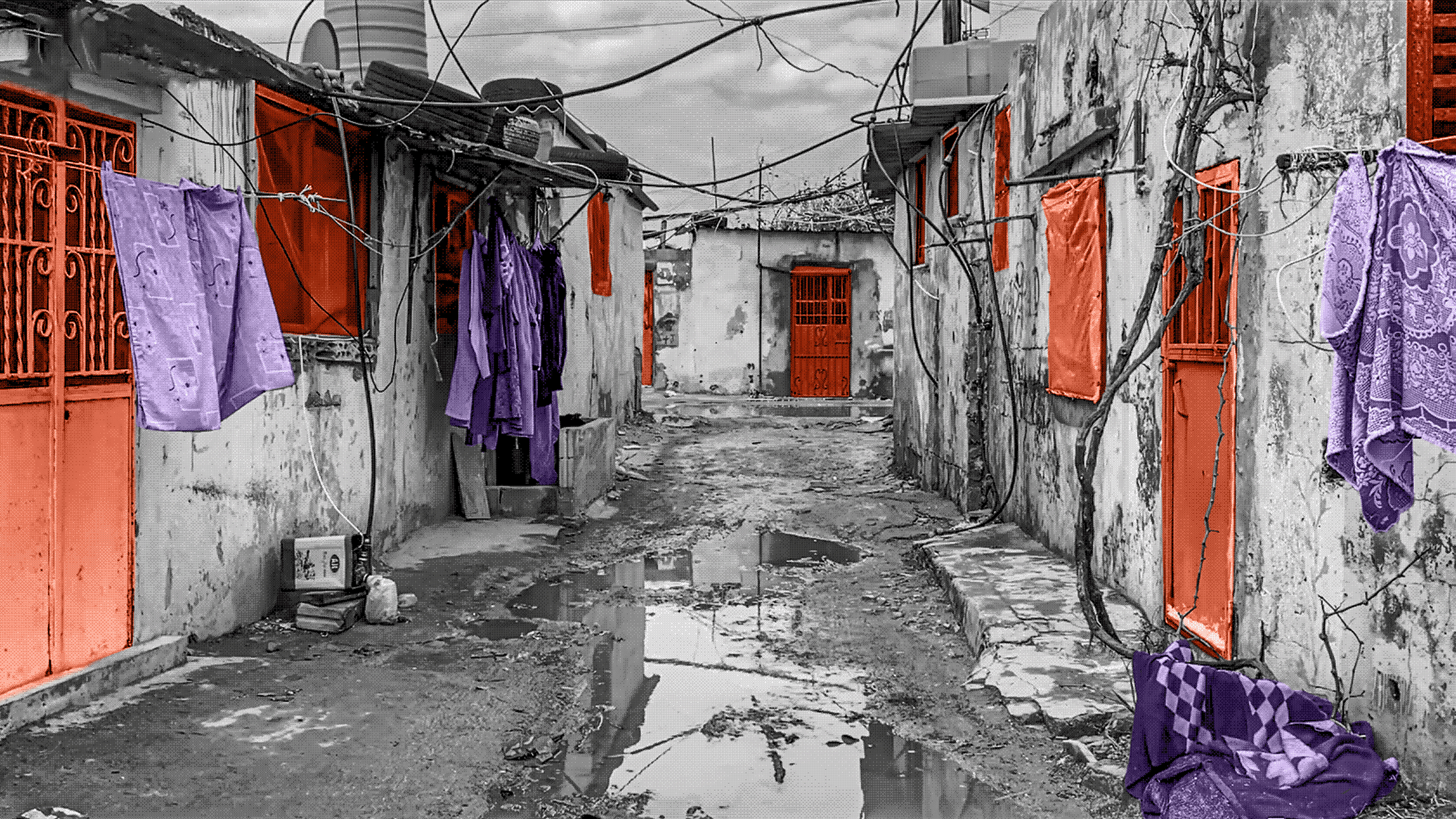
Is there anything left to say about Hayy el Tanak?

This article looks at Hayy el Tanak in Tripoli, not as an example or proof of randomness or disorganization, but rather as a question about the meaning of a neighborhood; for the neighborhood is not a product of chance or an architectural sin. It is, in fact, a testament to the architecture of exclusion.
What Do We Know So Far About Post-War Recovery in Lebanon?

Public Works Studio has been monitoring and analyzing post-war recovery in Lebanon since the ceasefire on 27 November 2024, focusing on reconstruction policies, financing, compensation, rubble removal, projects, and displacement. The goal is to create an open database to track developments, identify gaps, and support advocacy, participation, transparency, and policy improvements.

The State’s Limited Role in Reconstruction and Its Submission to the Discourse of Inaction

Despite the government’s repeated rhetoric about its commitment to reconstruction and recovery, and the emergence of what appears to be a comprehensive plan, its efforts remain delayed, limited, and fragmented. They rely almost entirely on external loans and grants amid weak local financing, reflecting the absence of an effective, long-term national vision and a surrender to the discourse of state incapacity.

A law proposal to establish a separate cadastral zone for the municipality of Saadiyat, submitted by MP Bilal Abdullah, represents a pivotal point for a deeper discussion around the history of these areas and their evolving social boundaries. In the case of Damour and Saadiyat, the area became a symbol of the profound political crisis brought about by demographic changes in the Chouf coastal region, resulting from transformations and repeated waves of displacement to and from it.

Tripoli Under Threat: Report on the Degradation of the Built Environment and a review of Mobilizing efforts towards Housing Rights

This report investigates the systemic deterioration of buildings in Tripoli, Lebanon, tracing how historical neglect, failed state policies, and the lived experiences of residents converge to fuel an escalating housing crisis. It offers a grounded overview of the community’s movement, organizational efforts, and resilience in the face of the destruction of their housing rights.