Law Commentaries

Behind the Scenes of Legitimizing Illegal Quarries: How the Government and Cement Companies Manipulated Urban Planning Frameworks in Koura

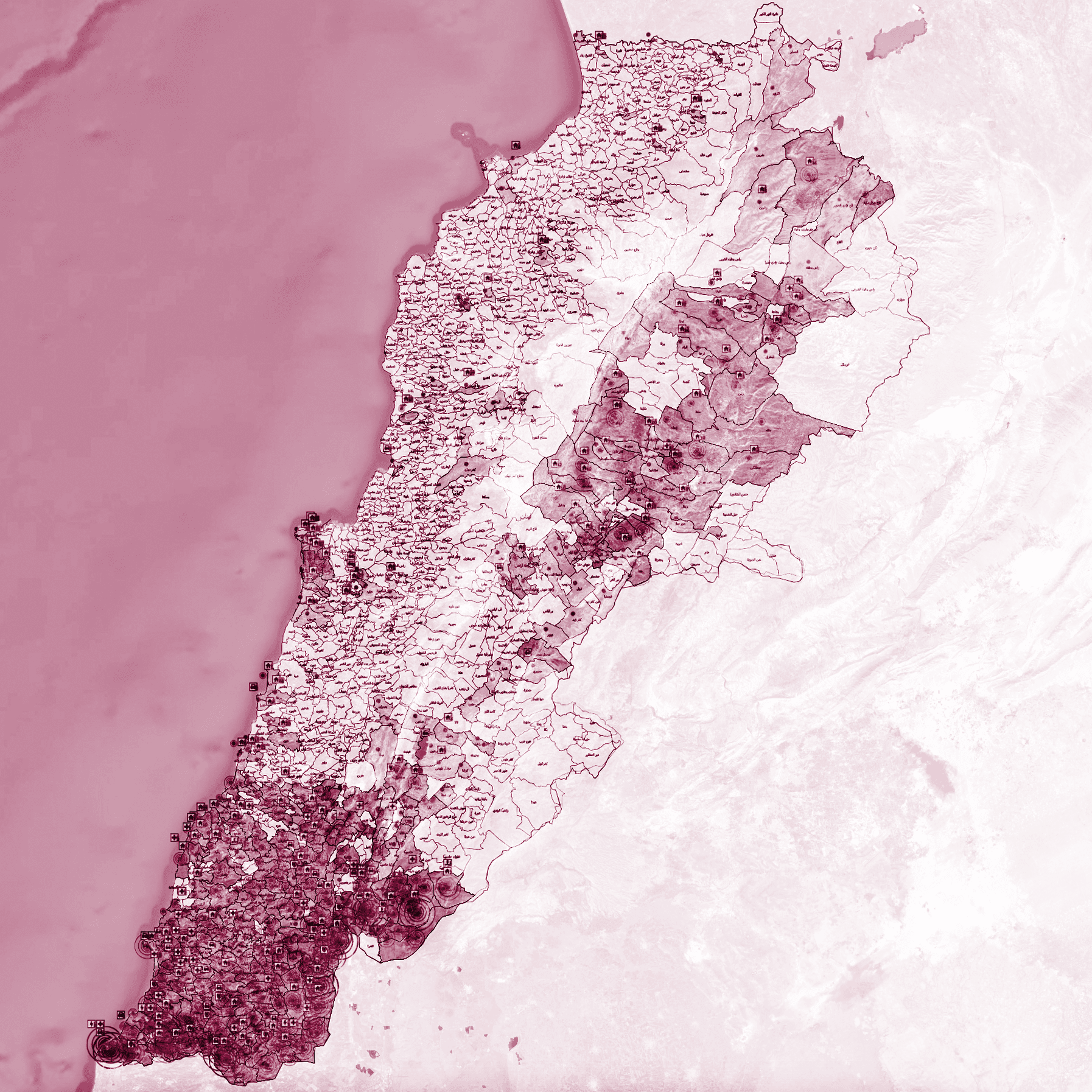
This commentary takes a spatial approach to dissecting the Lebanese Government’s controversial Decisions No. 16 and No. 59 (passed in April 2026), exposing them as a continuation of a decades-long trajectory of collusion between the state and the powerful cement cartel, including the two major companies operating in Koura: “Holcim” and “National Cement Company.”
A Proposal to Address Building Collapses:

Filling the Legal Void Does Not Replace the State 

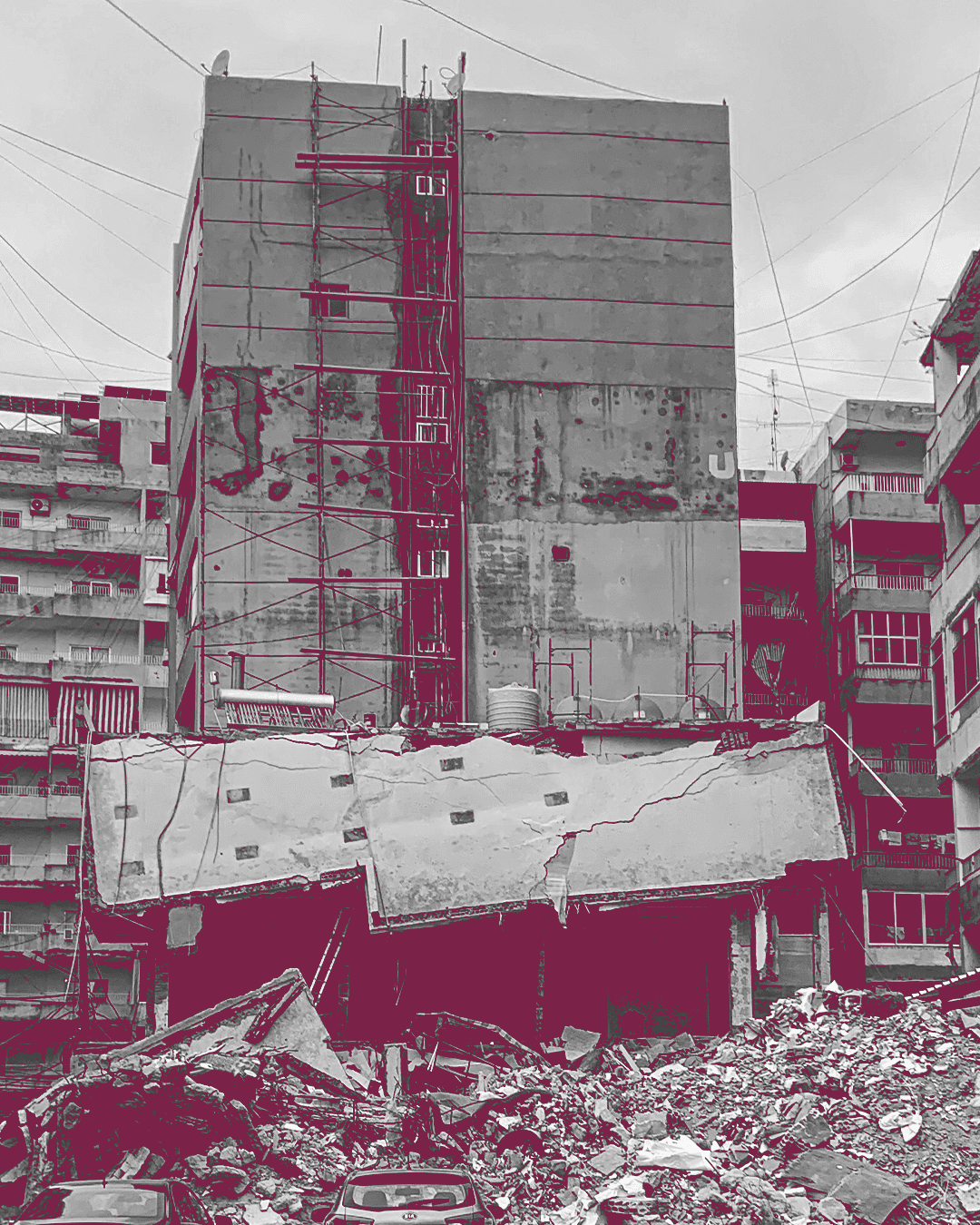
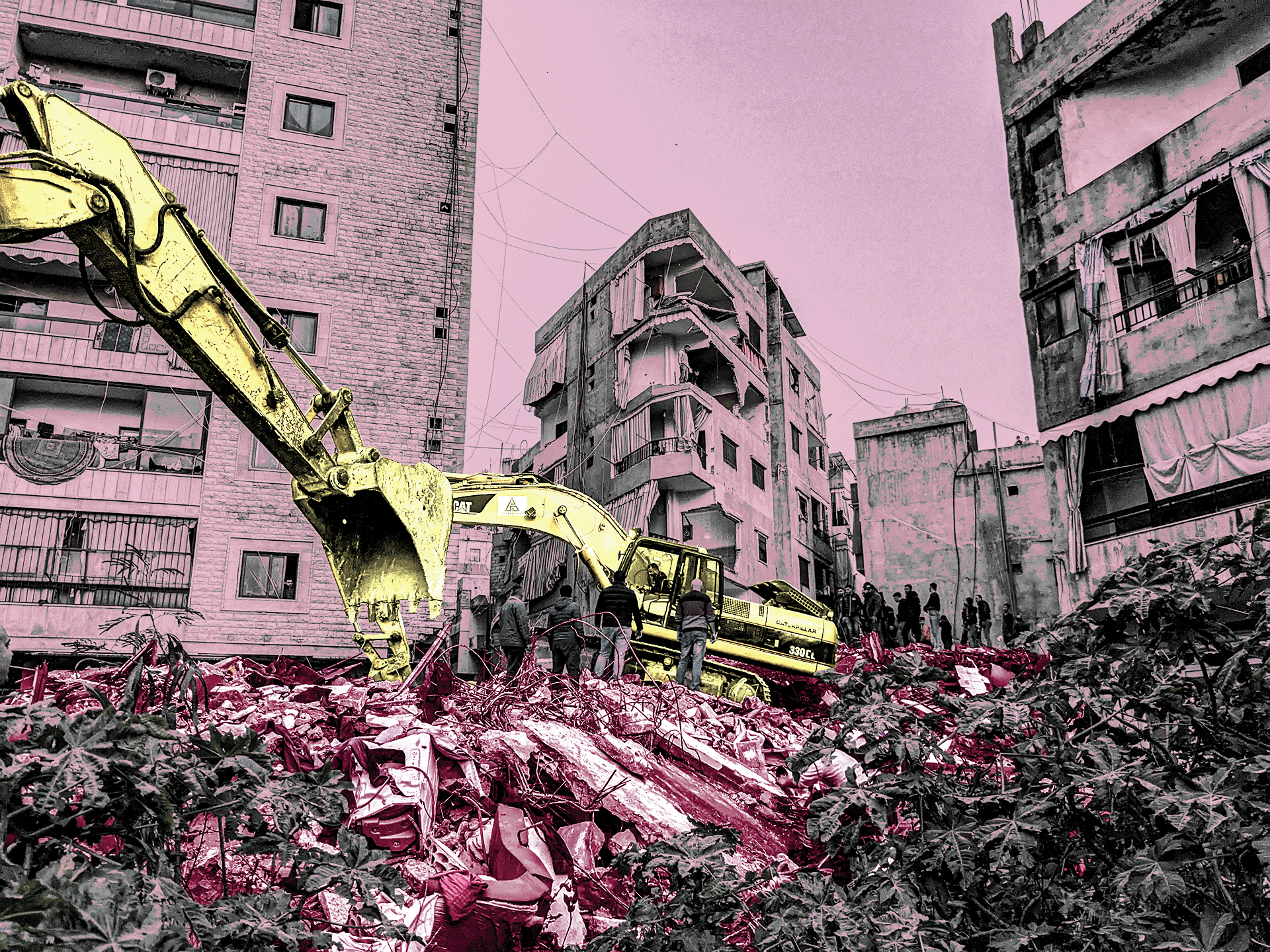
Building collapses in Lebanon are no longer isolated incidents, but the result of a long accumulation of neglect and the state’s retreat from its responsibilities toward public safety. The latest draft law proposed by deputy Ihab Matar seeks to establish a mechanism for addressing structurally damaged buildings by organizing roles and relying on incentives and private financing rather than developing a comprehensive public policy. Yet when rehabilitation is tied to economic feasibility and investment opportunities, the question remains: what kind of city is being shaped, and for whom is it being rebuilt or renovated?

The Suspension of Deadlines in the Absence of Housing Protection: A Legislative Loophole in Times of War

The suspension of deadlines in times of war is a key tool for protecting rights. However, excluding lease agreements from it undermines this protection and exposes tenants to the risk of eviction and homelessness. In the context of widespread displacement and declining ability to pay, the right to housing cannot be separated from any serious legislative response to the crisis. Including leases within the scope of suspended deadlines is not a technical detail, but an urgent necessity to ensure a minimum level of social protection under exceptional circumstances.

Two Complementary Draft Laws to Strengthen the Right to Housing

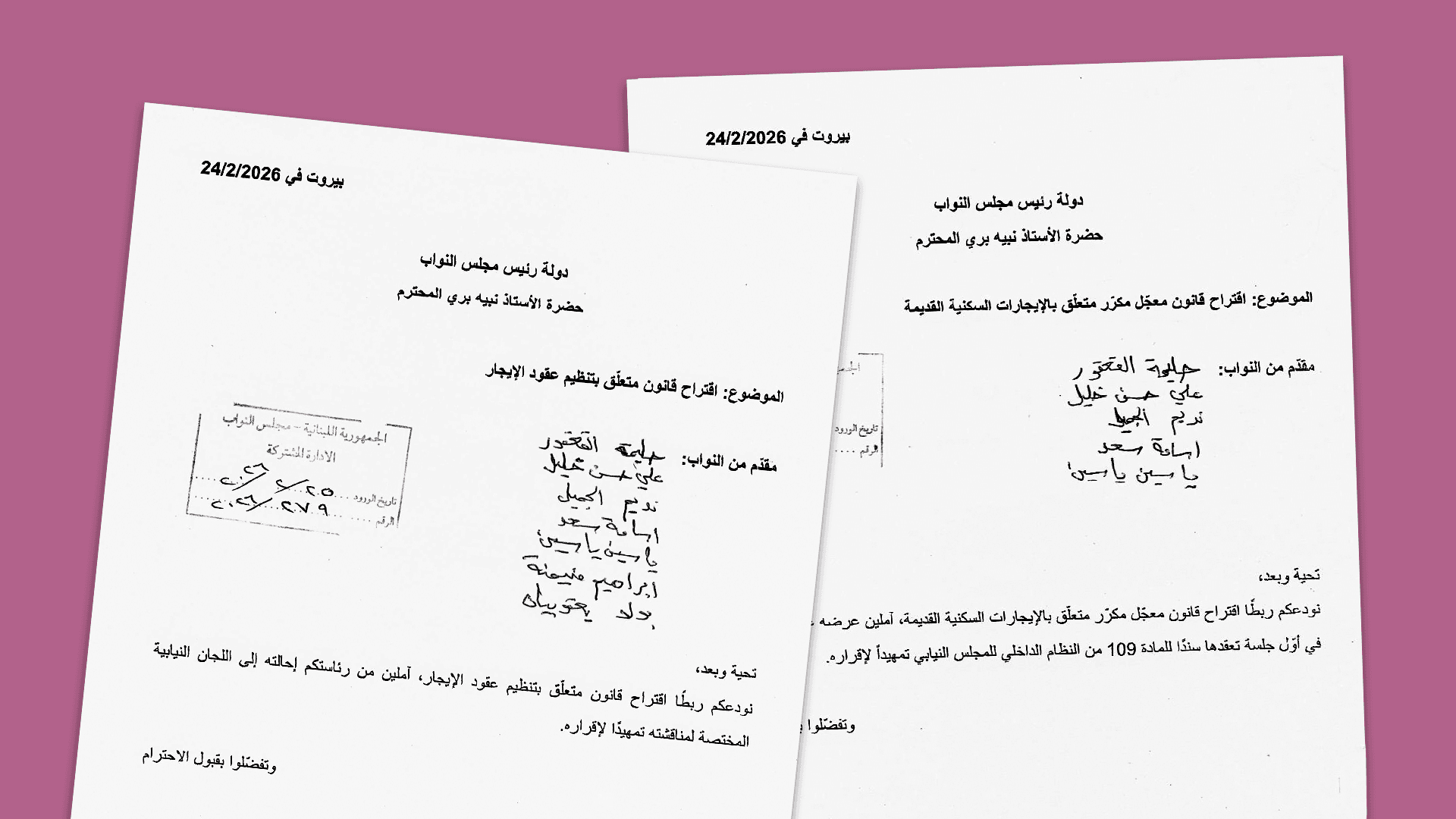
On Wednesday, February 25, 2026, MP Halima Al-Qaqour, along with a number of MPs, submitted two draft laws to the Speaker of Parliament. The first, an amendment to the old residential lease law, …

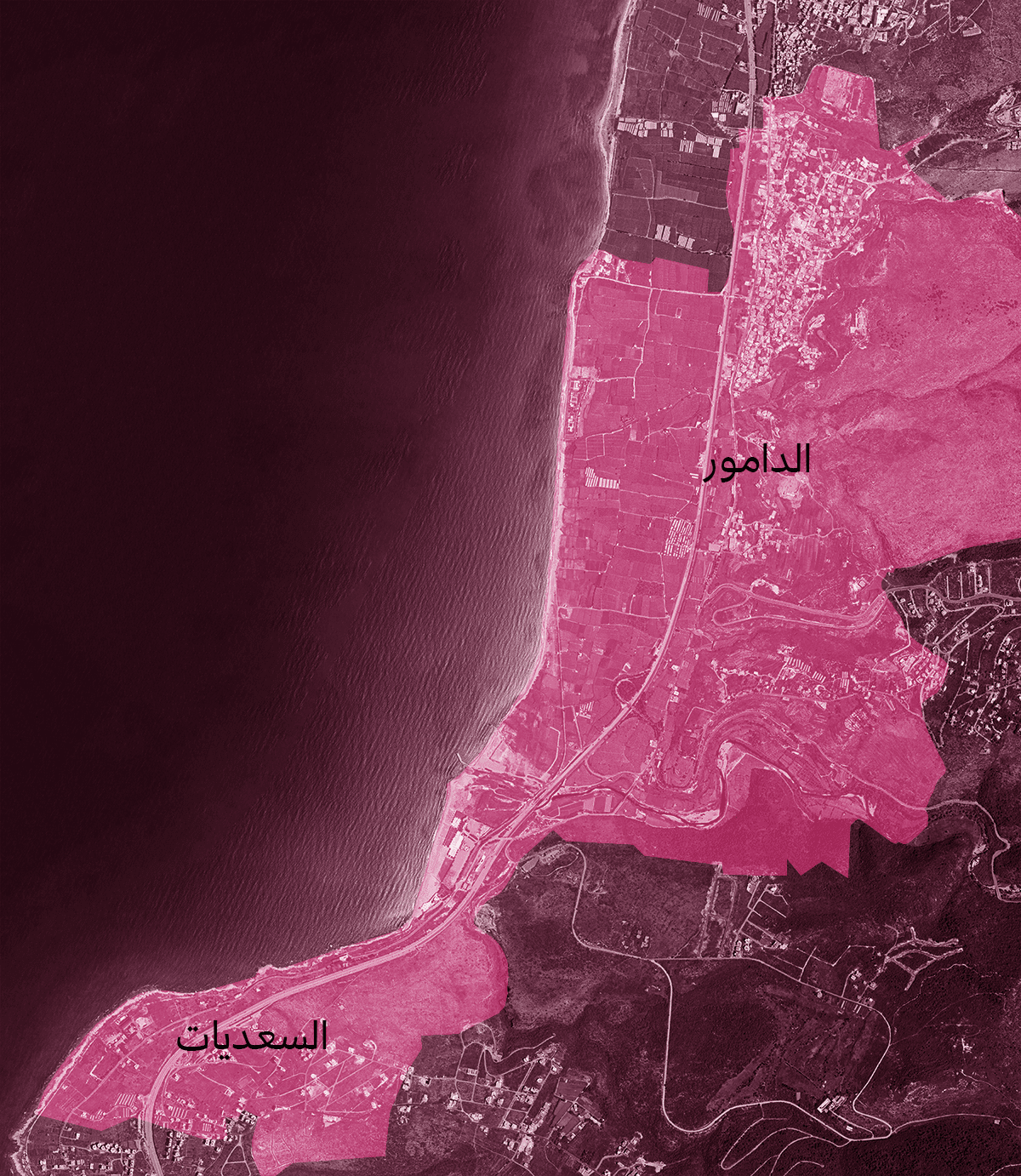
A law proposal to establish a separate cadastral zone for the municipality of Saadiyat, submitted by MP Bilal Abdullah, represents a pivotal point for a deeper discussion around the history of these areas and their evolving social boundaries. In the case of Damour and Saadiyat, the area became a symbol of the profound political crisis brought about by demographic changes in the Chouf coastal region, resulting from transformations and repeated waves of displacement to and from it.

The Exemptions and Reconstruction Law: Not an Alternative to a Comprehensive National Plan

More than seven months after the ceasefire in Lebanon, on June 30, 2025, the Parliament passed the first law related to reconstruction in response to the Israeli war on Lebanon. Ultimately, the law is a limited step forward, highlighting the urgent need for a comprehensive national recovery plan for reconstruction.

Periodic Renewal of New Occupancy Permits: Overlooking the Deterioration of the Existing Urban Fabric

The draft law to set the newly issued occupancy permit duration at ten years—renewable every five years to ensure the structural integrity of buildings and maintain public safety—while seemingly well-intentioned, overlooks the immediate danger posed by thousands of aging and structurally unsound structures and the effects of urban decay, and offers a narrow and insufficient response to Lebanon’s broader urban crisis.

 Imad Al-Hout Approaches the Social Crisis of Old Rent Contracts Through a Narrow Numerical Lens

In a few lines, Representative Imad Al-Hout seeks, by proposing a repeated accelerated law, to resolve the decades-old problem surrounding the old rent law, by setting a clear date for the entry into …

Enacting a law to extend rental contract deadlines: An insufficient measure to safeguard the right to housing

The Lebanese government’s new law suspends legal, judicial, and contractual deadlines to protect citizens’ rights during the Israeli aggression. However, concerns persist about its long-term effectiveness, especially regarding housing security and old rental tenants.

 The Reconstruction Draft Law repeats the Mistakes of the past:

Reviving destroyed villages can’t happen only through buildings

After a ceasefire was implemented in Lebanon on November 27, the Lebanese government held a special session on December 7 in the southern city of Tyre and approved a draft law for rebuilding homes destroyed by Israeli attacks, as they were before. Regardless of its immediate issues in terms of content, it appears that the proposed law does not address the previous or emerging challenges we are facing and risks repeating the mistakes of past failed reconstruction experiences.

Solutions to Adapt to the Conditions of War: A Temporary Fix that Conceals the Necessity of Reforming Property and Construction Laws.

A Joint Commentary by Public Works Studio and Legal Agenda

The proposed draft law, submitted on November 19, 2024, suggests extending the validity of Law 294/2022 for five more years and applying some modifications to certain clauses. The law is proposed with the …

The Lebanese Forces’ Draft Law Targeting Refugees and Migrants:

Banning Rental as a New Tool in the Incitement Campaign

Amidst the escalating campaign by the state against Syrian refugees, Deputy Melhem Riachi proposed on May 23, 2024, a draft law to prohibit landlords from renting to any non-Lebanese citizen who illegally entered …