Spatial Practices and Mobilizations

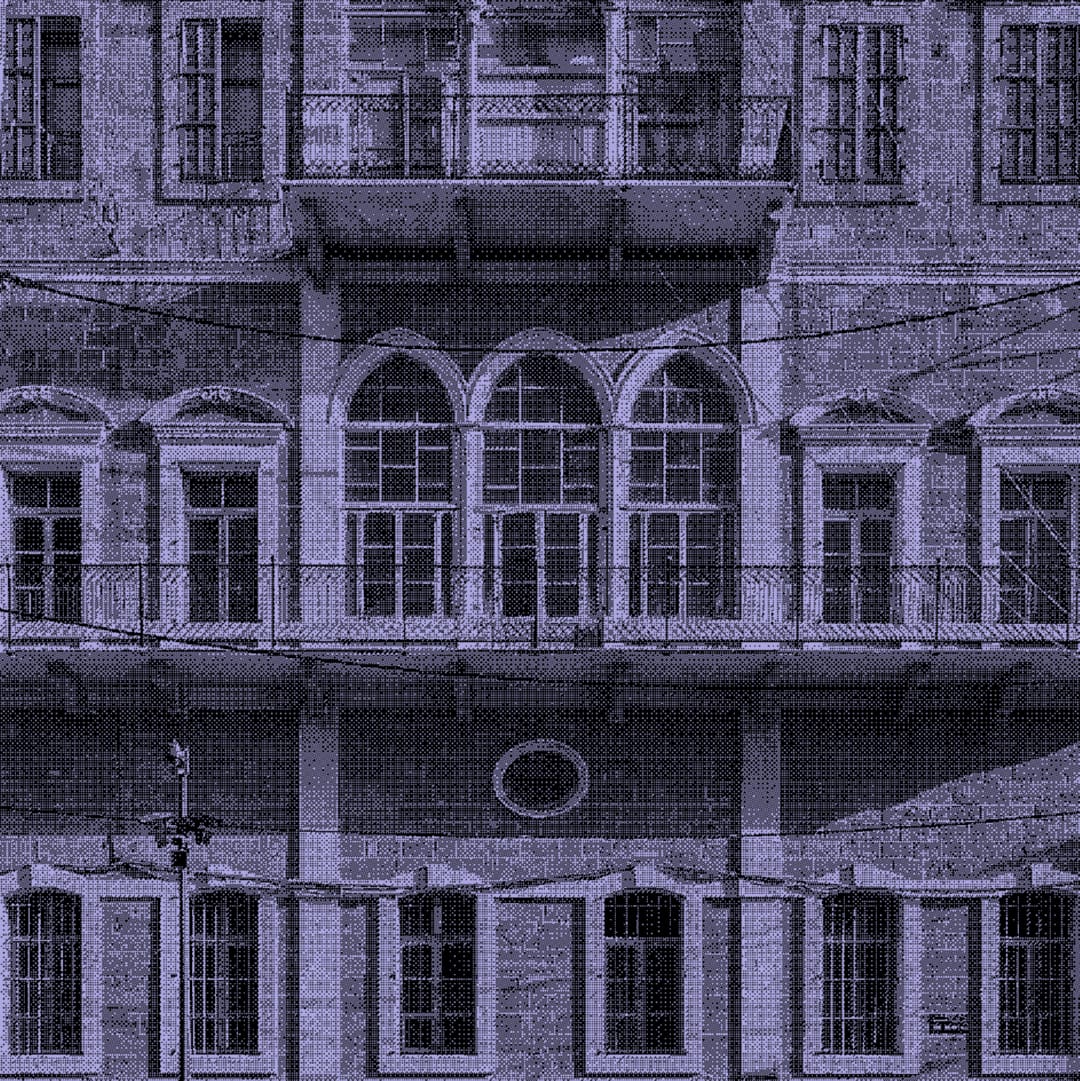
The Ministry of Culture classifies buildings on the inventory list:

Preserving the urban heritage requires additional steps.

In a surprising step compared to previous years, which did not witness similar activity, the Ministry of Culture classified a number of buildings on the General Inventory of Historic Buildings. We offer an understanding of what is needed in terms of effective practical steps to preserve Lebanon’s urban spatial heritage.

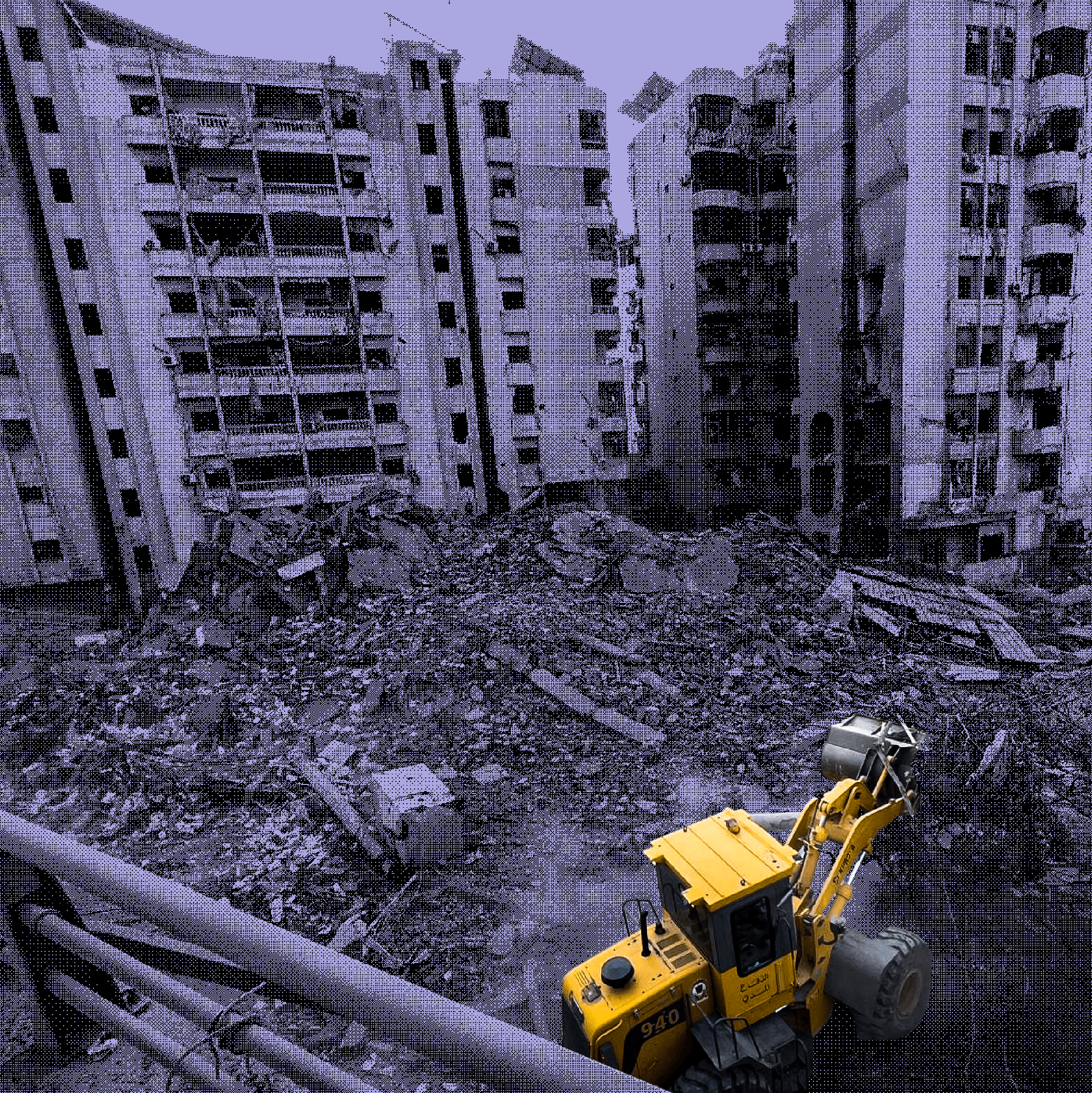
MP Kassem Hashem proposes an amendment to the Reconstruction Law integrating the inclusion of persons with disabilities:

A positive step in need of follow-up and completion.

Following the Lebanese Union of People with Disabilities’ campaign, MP Kassem Hashem submitted a proposal to amend law No. 22 to integrate the rights of people with disabilities.
Currently, it is crucial to collectively lobby for the approval of this amendment as a first step towards establishing a comprehensive and just reconstruction process, through clear implementation mechanisms and continuous institutional follow-up.

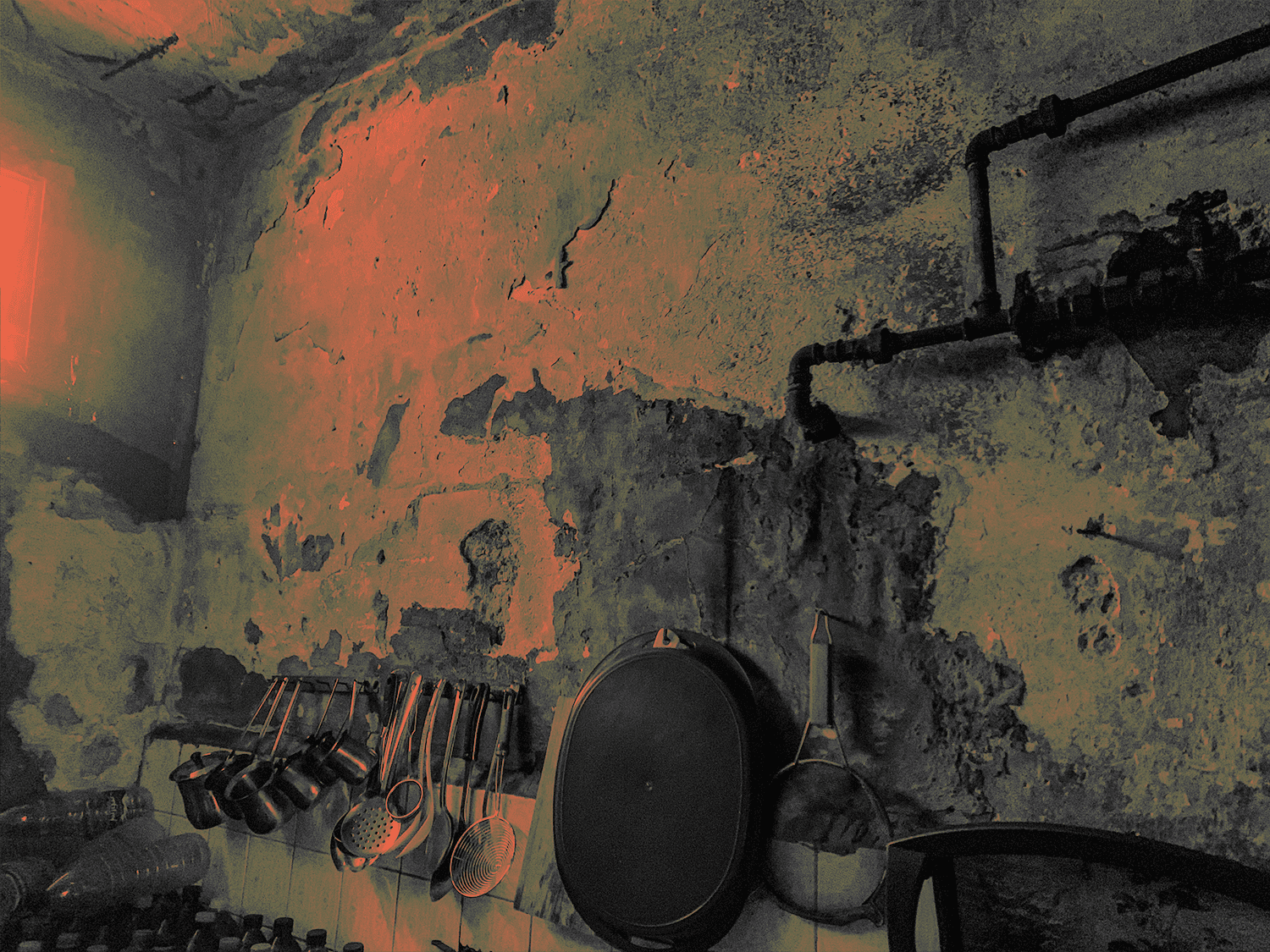
Tripoli Under Threat: Report on the Degradation of the Built Environment and a review of Mobilizing efforts towards Housing Rights

This report investigates the systemic deterioration of buildings in Tripoli, Lebanon, tracing how historical neglect, failed state policies, and the lived experiences of residents converge to fuel an escalating housing crisis. It offers a grounded overview of the community’s movement, organizational efforts, and resilience in the face of the destruction of their housing rights.

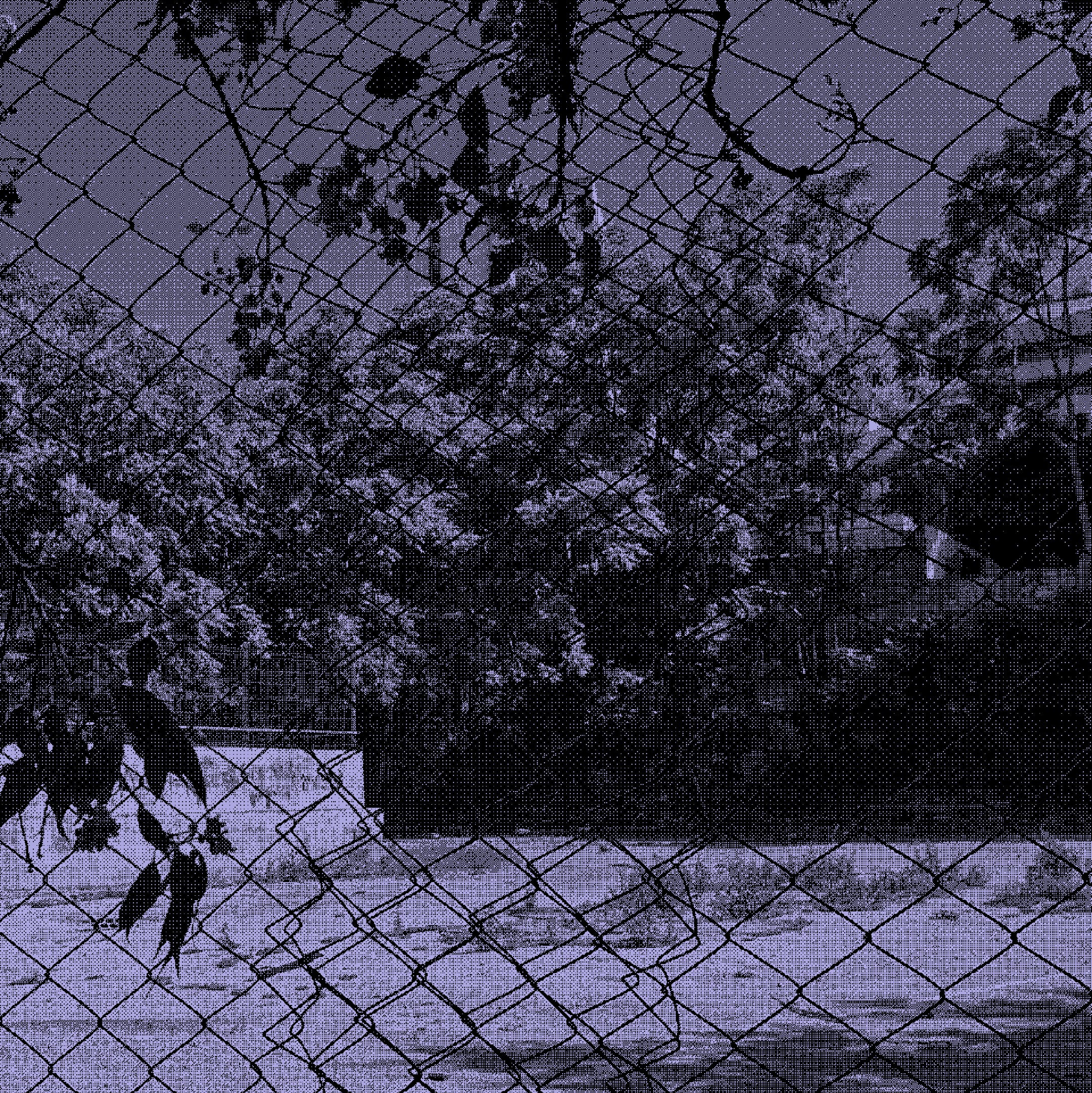
Fencing the Playground: Erasing Public Space in Zokak el Blat

The abrupt fencing of a vital informal public space in Beirut’s Zokak el Blat neighborhood: Property 483, has become a potent symbol of social and political exclusion, directly challenging the ‘right to the city’ for Beirut’s residents.

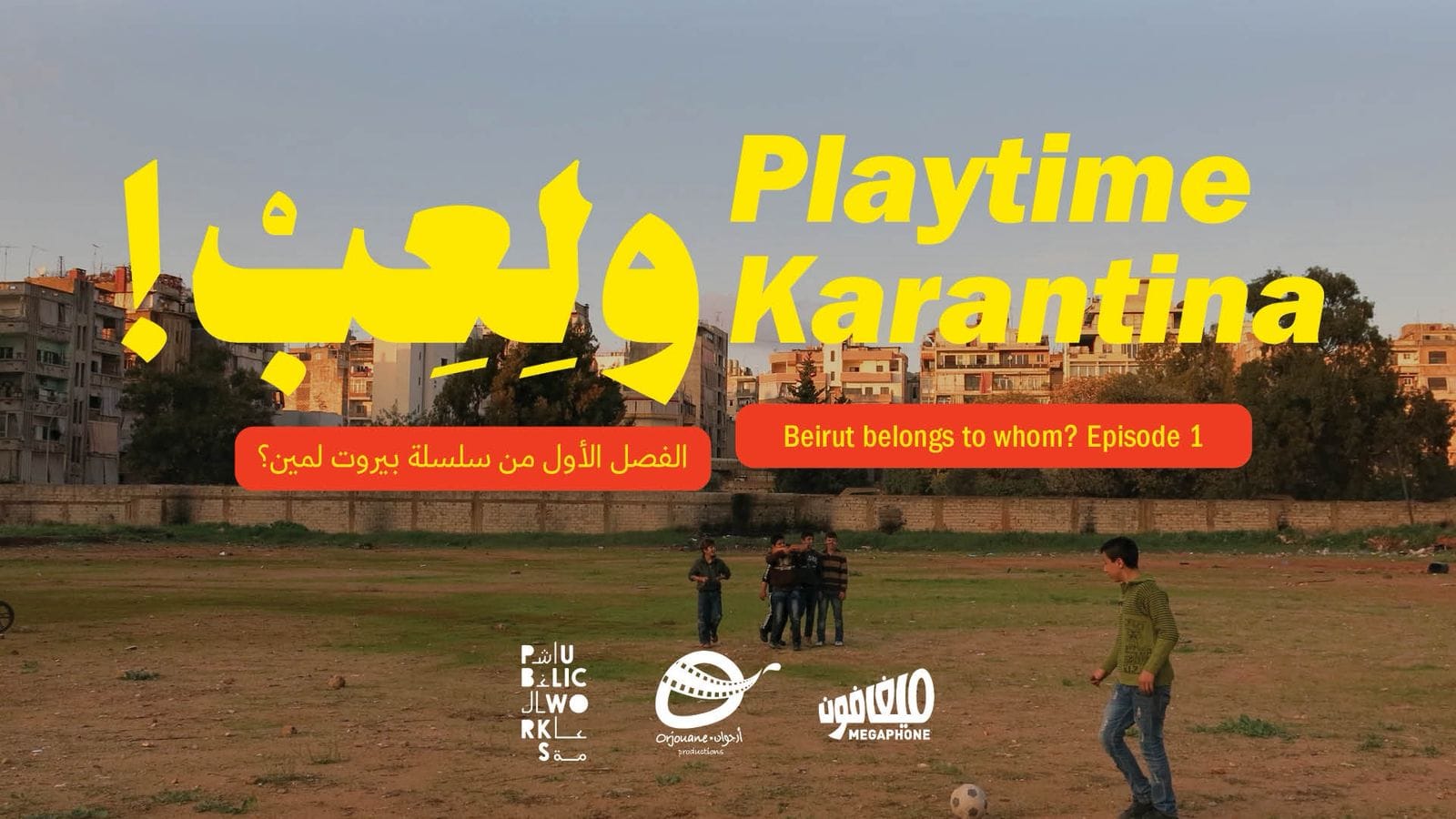
Playtime Karantina

Beirut belongs to whom? Episode 1

The city is a place for work and living, but it is also a place for play. Its residents often have to create spaces to practice their right to leisure. A short film …

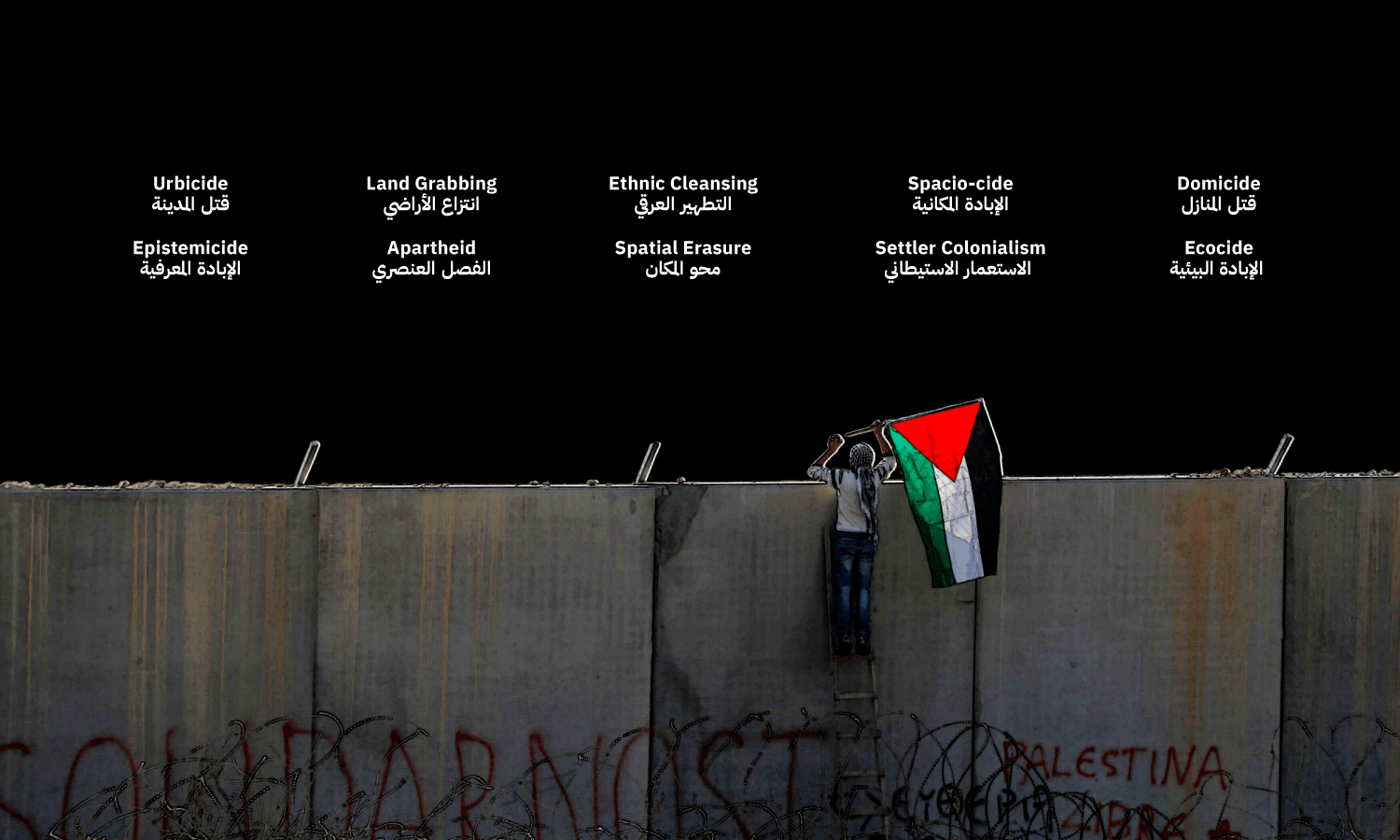
How the Zionist colonization derives its tools from European colonization

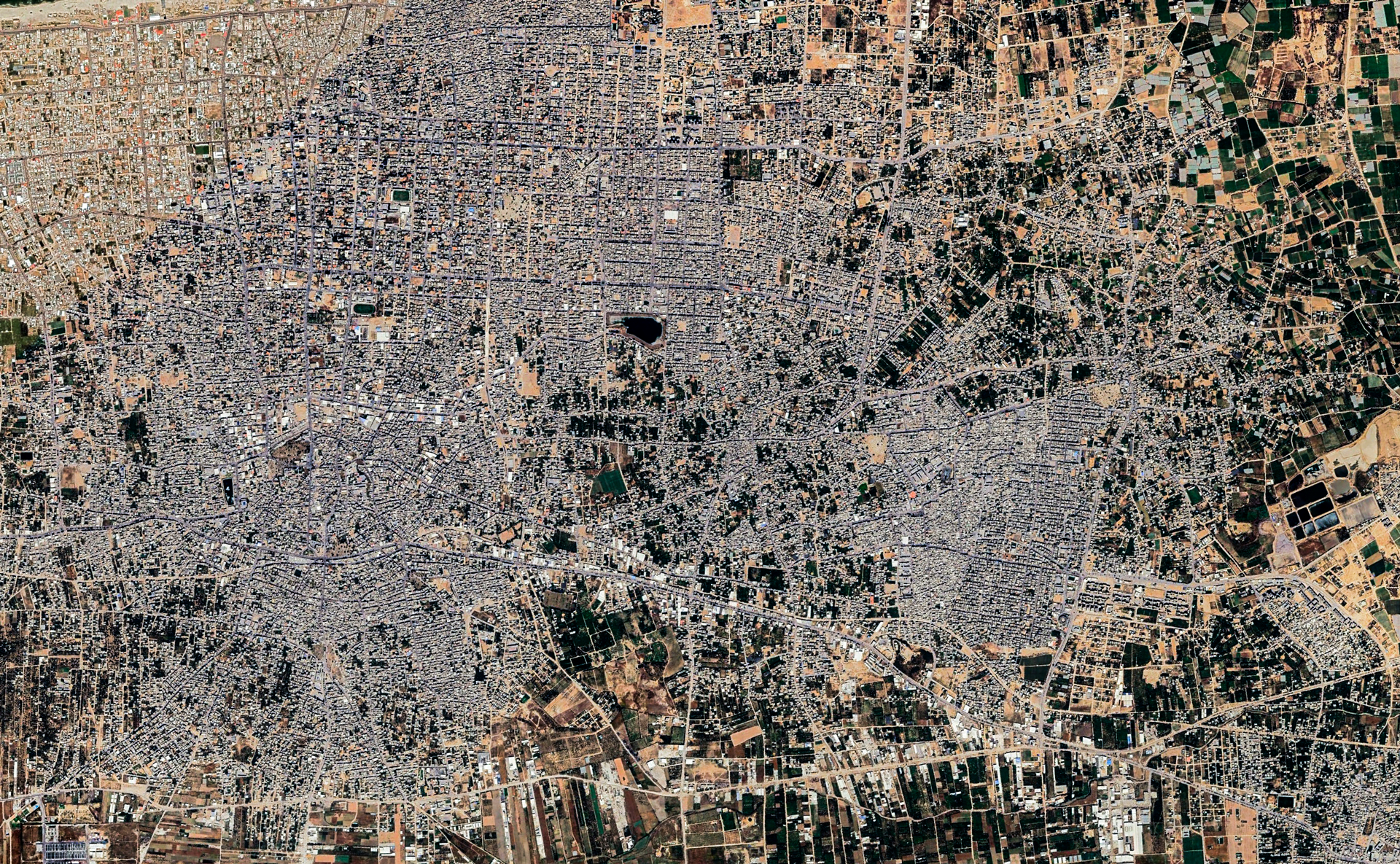
This is the second article in the open dossier in which we look at Gaza not only as a people of resistance, but as a fighting place in its own right, through its existence, its regions, and its history. After the first article in which Ghayad discussed Gaza’s neighborhoods, landmarks, and the political value of spatial annihilation, she delves into the meaning of the expression “a land without a people for a people without a land.”

Spatial genocide as an imposition of the “land without a people” narrative

Today, Israel is succeeding in annihilating and displacing Gaza and its people, but small moments and spaces of daily popular resistance are growing and multiplying, starting from children’s play areas, to collective cooking, …

Gaza: Space as a Fighter in the Colonizer’s Narrative

Colonization – especially in Palestine – has never been only a military operation, but is in essence a narrative that seeks to present colonialism as a historical fact, which even belies the spatial …

Genocide and Media:

Killing Journalism and Distorting the Narrative

Since the start of the Israeli genocidal war on Gaza in October 7, 2023, the media has been a tool used by the occupation to obscure and distort the truth in order to …

The Mar Mikhael square project: who speaks for the neighborhood?

Following the ongoing debate over the Mar Mikhael Square Project, an American University of Beirut- Urban Lab initiative, we propose to open a debate around the issue, having neighborhood committees as an entry …

Mobilisations during the October 17 Uprising to reclaim seafront public properties

Over the past decades, environmental issues and access to natural resources stood out as major components of the broader landscape of social mobilisation in Lebanon. Despite oppressive practices and the hegemony’s attempts to …

Understanding Housing Transformations Amid Recent Events

This periodic report documents cases received by the “Housing Monitor” from January 2022 to May 2023. It emphasizes the correlation between recent escalating events and the number of monitored cases, totaling 563 reports, …