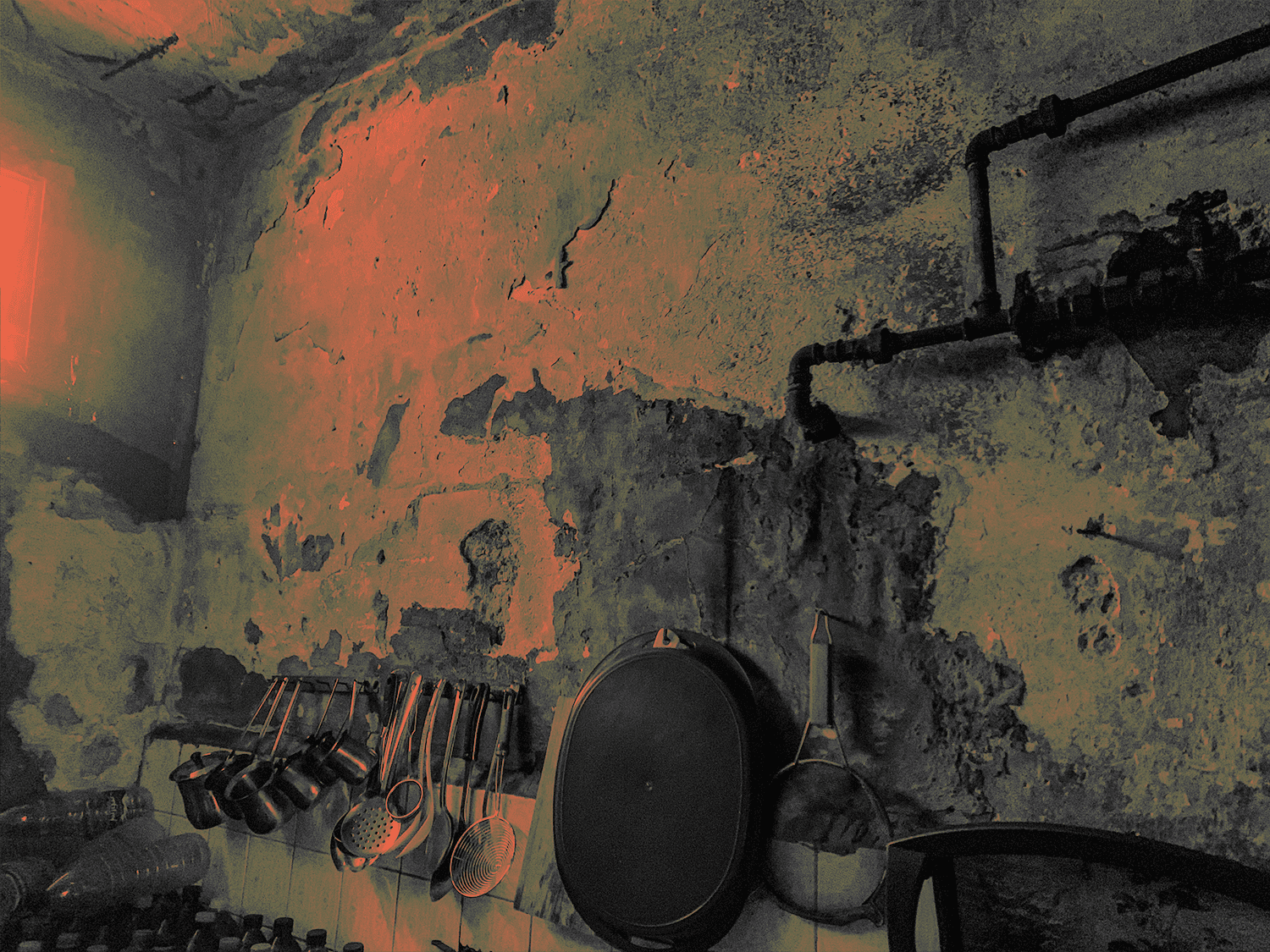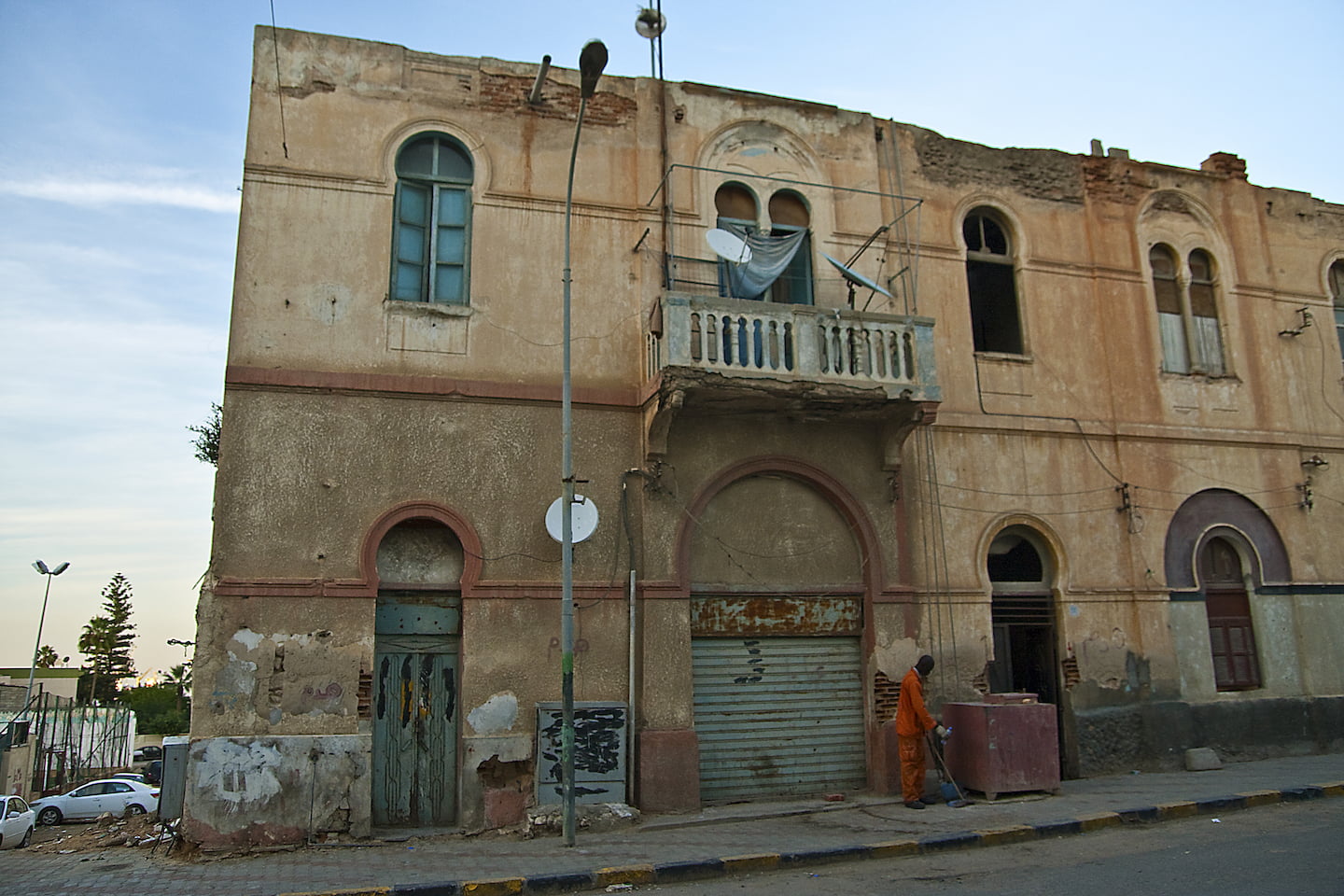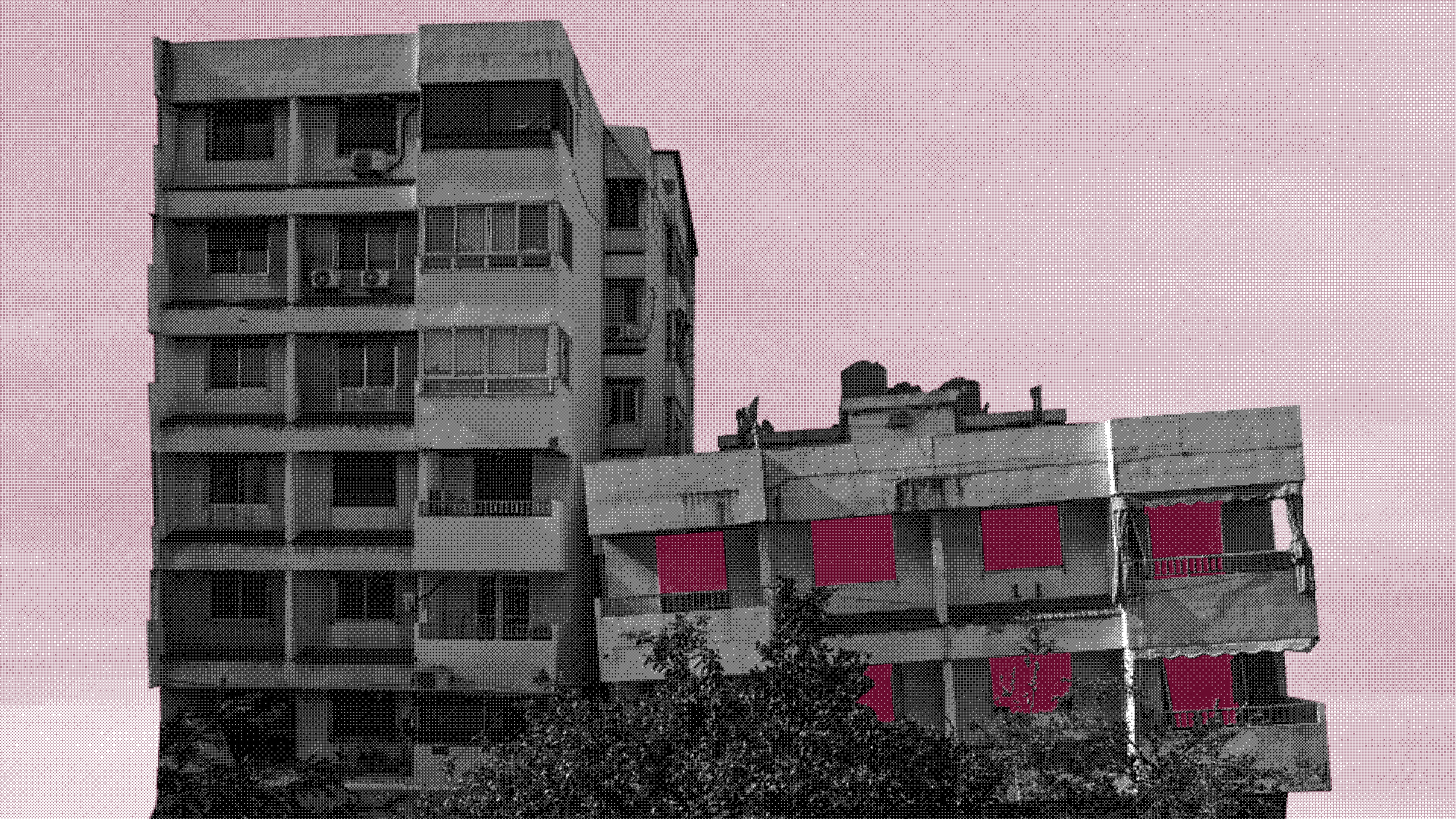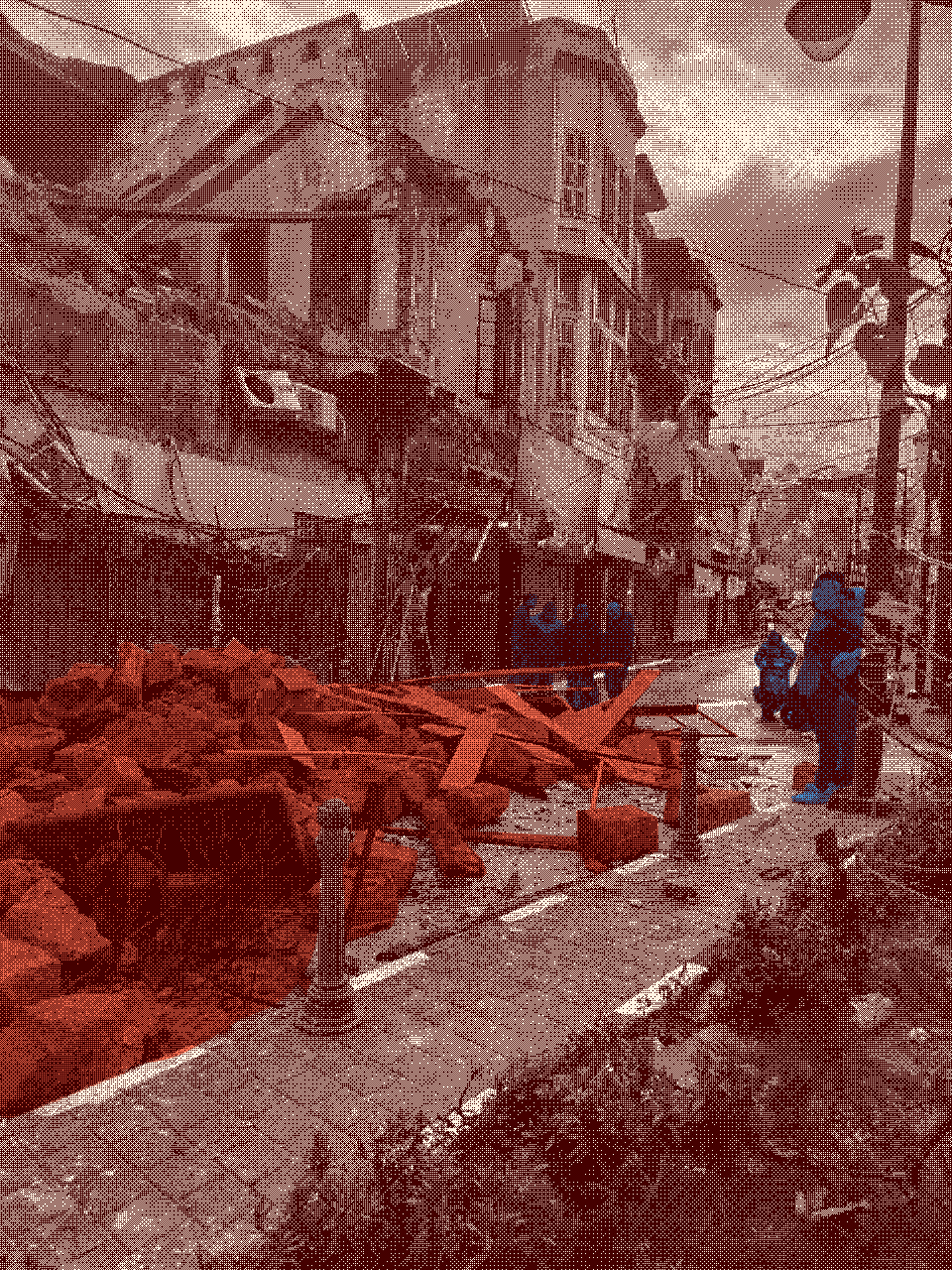
Buildings are falling apart in Tripoli, not haphazardly, but as a logical result to the city’s policies vis-a-vis old buildings.
The legal framework meant to protect buildings, specifically Public Safety decrees mandate specific inspections for new buildings.
Additionally, heritage listing has turned neighborhoods into a permanent exhibition: restoration is surrounded by impossible conditions, and alternatives are not mentioned in any clause, turning housing into a precarious existence.
And finally, the comprehensive survey of threatened buildings, the completion of implementing decrees, the funding of restoration funds, and the implementation of Cabinet decisions regarding alternative housing are continuously postponed.
As a result, Public Works Studio presents a set of recommendations, in the hope of preserving housing rights as well as the city’s social and urban fabrics:
Developing a plan for a comprehensive survey for Tripoli, through a comprehensive survey of all buildings in the most vulnerable neighborhoods, the results of which to be published.
Establishing a general and permanent path for restoration and reinforcement, financed from the general budget and from taxes and fees on major real estate projects, so that security becomes a right, not a favor.
Redefining “alternative housing”, instead of providing temporary housing or a meager rent allowance, with written guarantees of the right to return to restored buildings or to equally safe alternatives.
And finally, a serious amendment to public safety regulations and building codes is necessary.
This article presents PW’s analysis of the underlying reasons behind Tripoli’s building collapse mystery, and proposes steps for a better and fairer management of the situation.