Studies

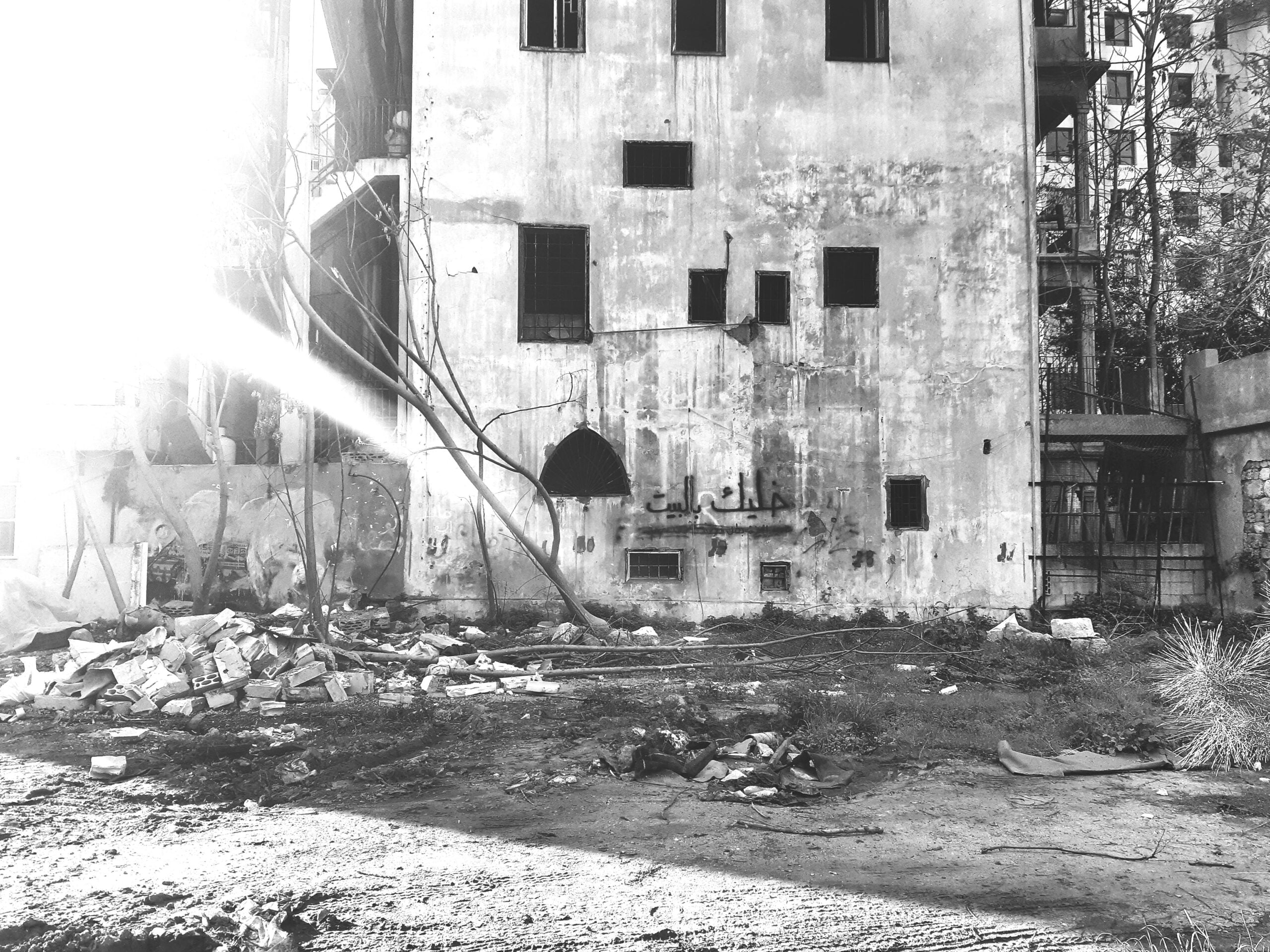
Tripoli Under Threat: Report on the Degradation of the Built Environment and a review of Mobilizing efforts towards Housing Rights

This report investigates the systemic deterioration of buildings in Tripoli, Lebanon, tracing how historical neglect, failed state policies, and the lived experiences of residents converge to fuel an escalating housing crisis. It offers a grounded overview of the community’s movement, organizational efforts, and resilience in the face of the destruction of their housing rights.

The New rent Law: Active in Theory, Suspended in Practice

This article uses jurisprudence and legal opinions to argue that the2014 new rent law and its amendment in 2017 are inapplicable due to the absence of its essential implementation mechanisms. It highlights how courts and experts have affirmed the law’s current legal vacuum and its consequences on tenants’ rights.

Squatting Vacant Buildings: A Report on the Illegality of Evictions During the War

During the Israeli war on Lebanon, the use of vacant buildings proliferated as a prominent way to access housing due to the lack of alternatives. In an attempt to understand these practices, this report documents the legal and political tools used for evictions and eviction threats in 3 case studies in Beirut, highlighting their illegitimacy. It also calls for challenging the criminalization of squatting, particularly during war, and emphasizes the role of these practices in restoring the social value of vacant buildings.

After the Collapses: The Fate of Displaced Residents

Over the past five years, devastating building collapses have shaken various Lebanese cities. These tragic and recurring incidents have resulted in significant human casualties and extensive material losses. However, they are not isolated …

Legitimate Housing or the Right to Dwell?:

Pubilc Housing and their Informal Transformations in Saida and Tripoli

Read the Arabic article here.

Migrant Workers and Refugees Are Facing a Dilemma as the Specter of Eviction Hovers in an Economic Crisis Threatening the Right to Housing

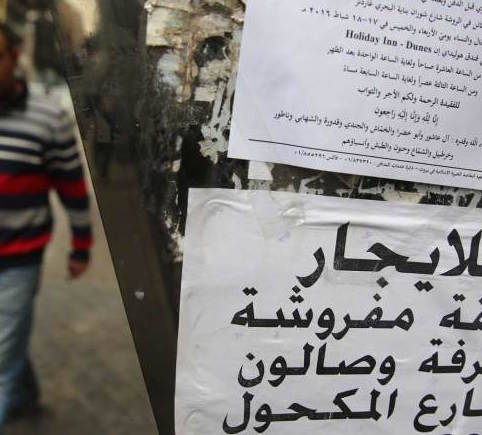
Rent is a primary way to access housing in the Lebanese cities which house diverse social classes. The percentage of tenants in Beirut reaches 49.5% of its total population. According to a survey …

Homelessness in the Wake of the Disaster

Housing conditions in the neighborhoods affected by the Aug.4 2020 Beirut blast

The Aug. 4, 2020, Beirut port blast killed 217 people, injured 7,000 others, and displaced some 300,000 people, causing widespread devastation and leaving no less than 1,120 buildings in need for renovation, notably in the neighborhoods closest to the blast site. To date, it is estimated that only 30% of the residents of Beirut’s affected neighborhoods have actually returned to their homes.

Discrimination, Segregation and the Right to Adequate Housing:

Report to General Assembly and to the Human Rights Council 2021

Public Works Studio (Lebanon) submitted a special report on “DISCRIMINATION, SEGREGATION AND THE RIGHT TO ADEQUATE HOUSING” to the General Assembly and to the Human Rights Council 2021, in answer to the the …

Think Housing: Affordable Schemes Towards an Inclusive Beirut

Read in Arabic here.

How did Official Authorities Tackle the Housing Crisis Caused by the Beirut Port Explosion?

Hours after the port explosion devastated Beirut, the governor, Judge Marwan Abboud, appeared tearfully on television, declaring that about 300,000 people had become homeless in the Lebanese capital. With this news, individuals, organizations, …

Home Loans Exacerbate Inequality

A Report on the Defaulters’ Complaints to the Housing Monitor on Home Loans in Light of the Financial Crisis

Since the 1990s, the state has ignored the urgent need for a policy that addresses the multifaceted housing crisis. Instead, the state has adopted a unilateral approach of offering loans for home ownership. …

Lebanon’s International Obligations on the Right to Housing:

between Text and Implementation

Read in Arabic here.