Commentaries

Abandoning Public Rights to Protect Speculators:

The 2027 Budget in 10 points

The 2027 public budget draft provides no clear vision for addressing Lebanon’s ongoing crises, particularly displacement, housing, and reconstruction amid the ongoing Israeli aggression, with only limited allocations for relief and emergency response and continued reliance on external financing for reconstruction. At the same time, it continues to reinforce real estate oriented financial policies through measures such as reducing the tax on real estate capital gains and the land betterment tax, while state revenues from violations on public maritime land remain limited.This commentary examines the 2027 public budget plan through ten key points, looking at how spending priorities and tax policies affect the rights to housing, land, return, and reconstruction, and how the costs of these ongoing crises ultimately fall on society.

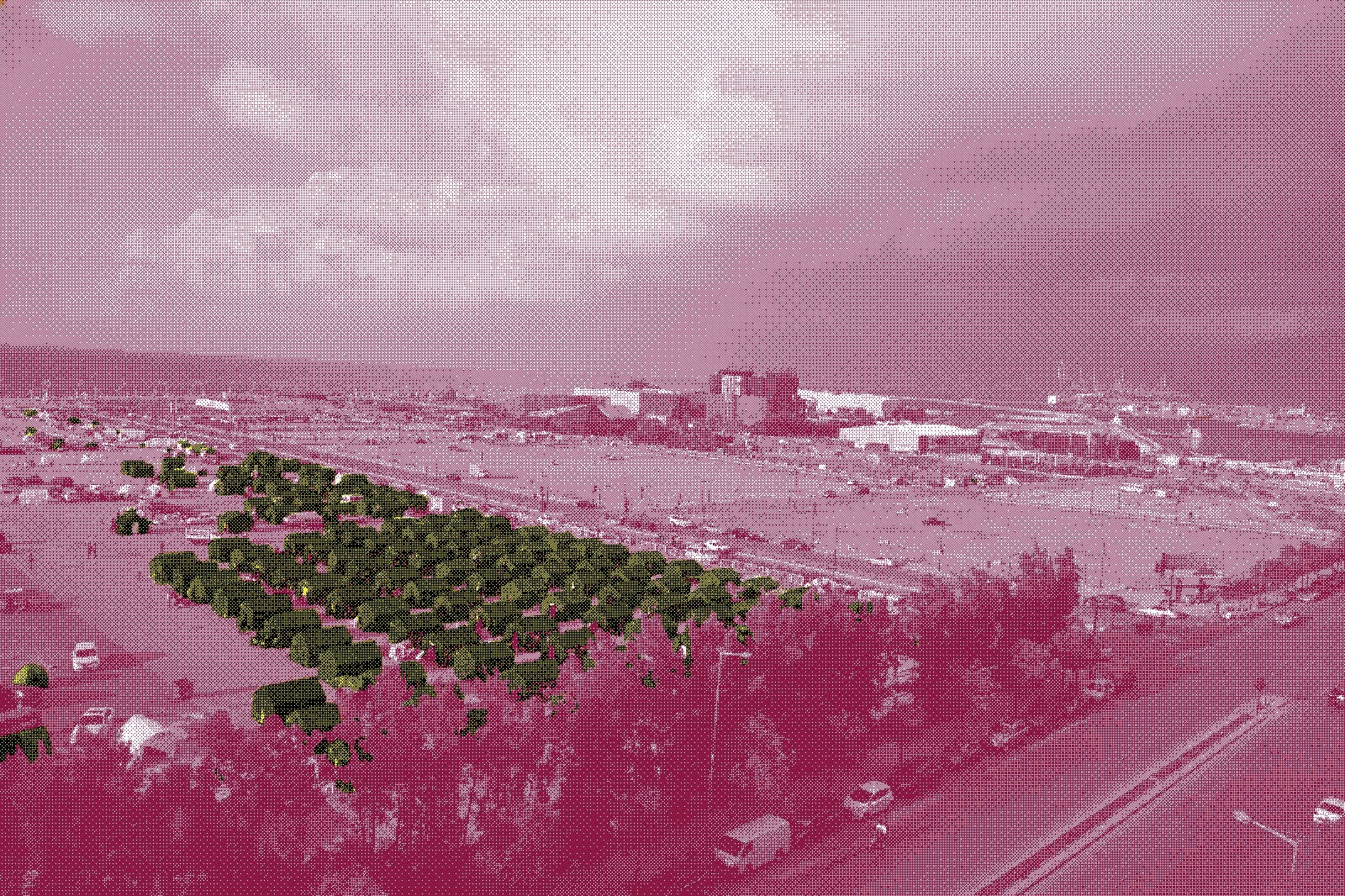
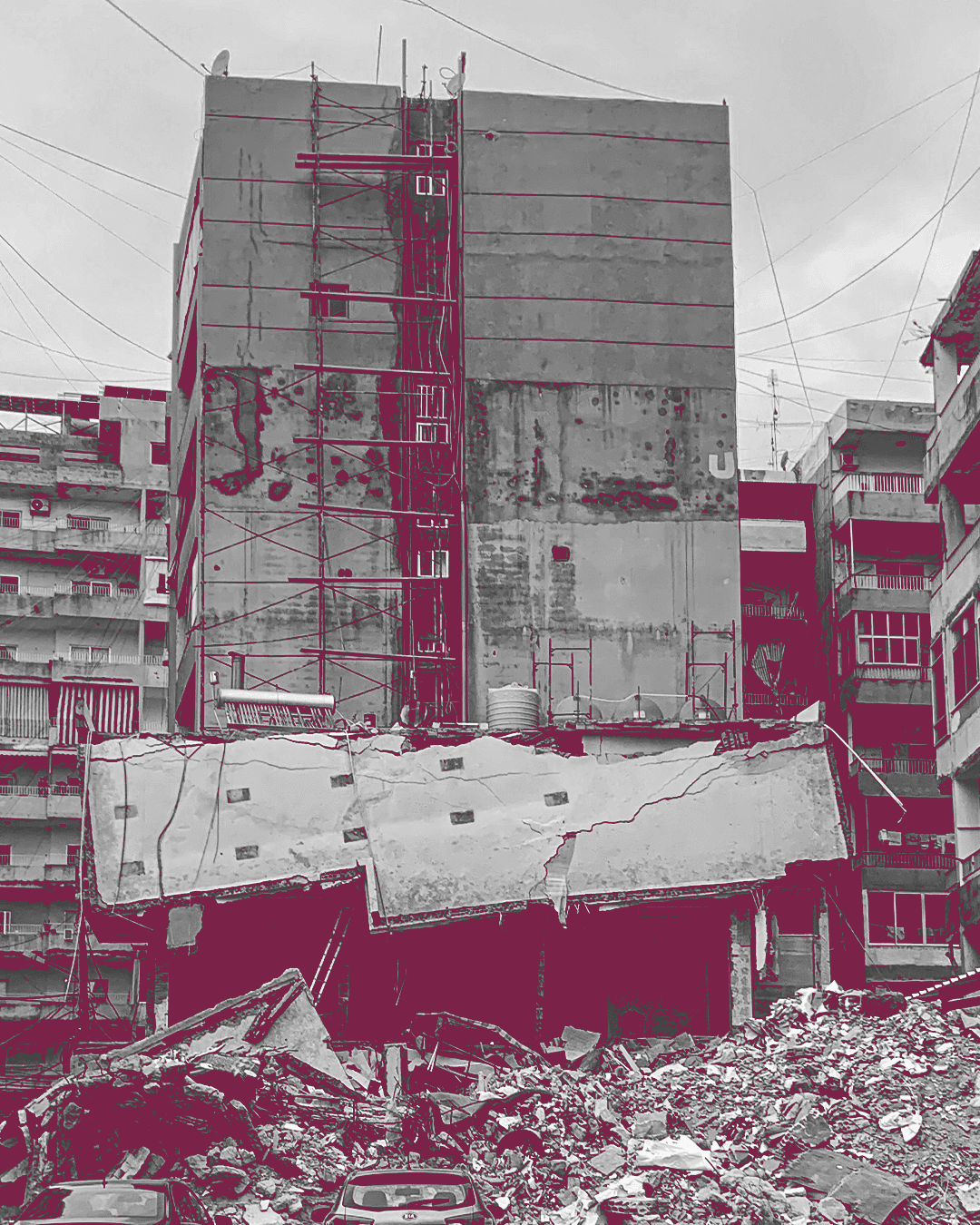
انهيارات المباني في طرابلس تسابق أصحاب القرار:

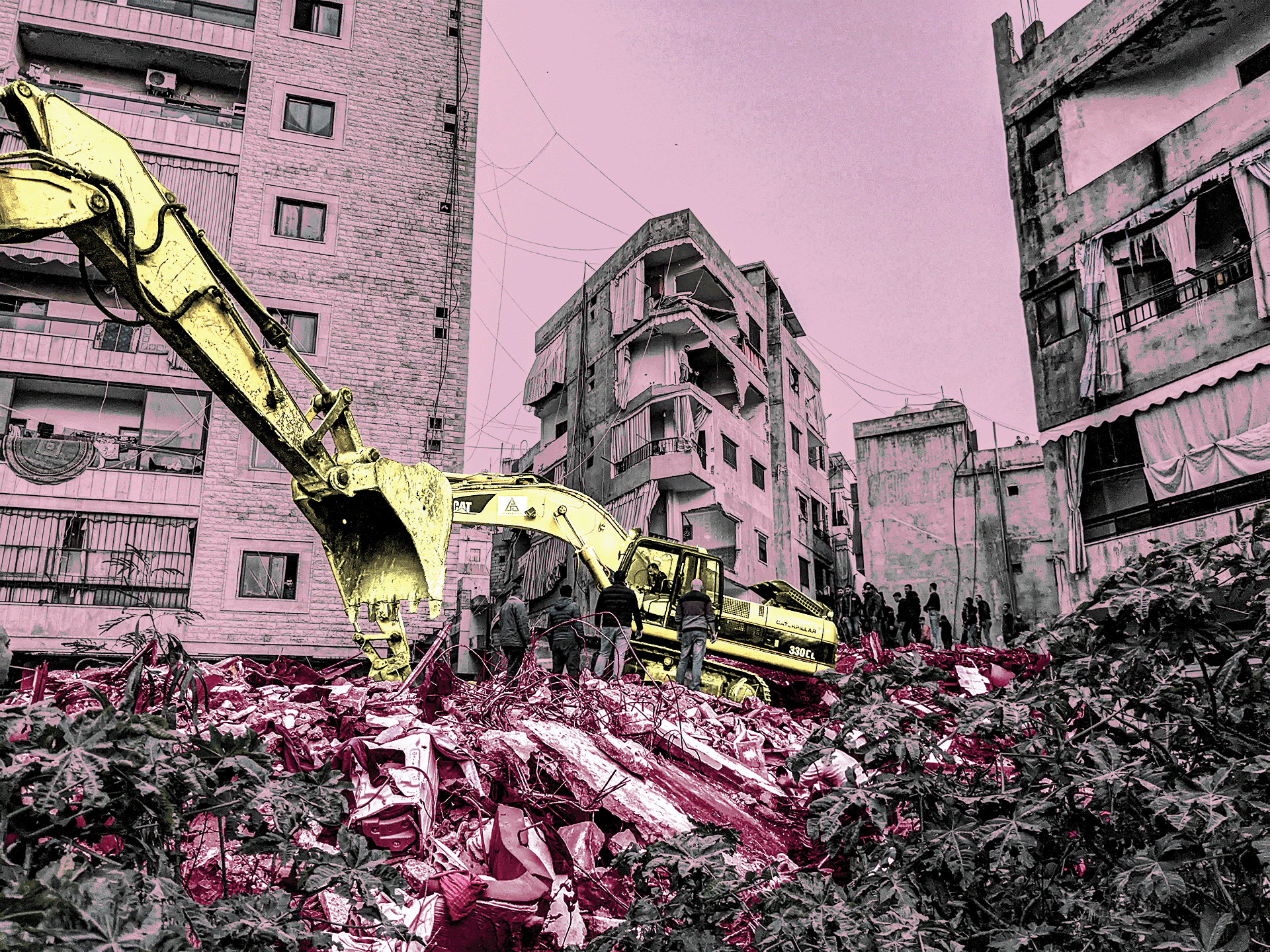
يتناول هذا التعليق قراءة نقدية لخطة الطوارئ الحكومية والمقرّرات الحكومية المرتبطة التي أُقرّت عقب سلسلة انهيارات المباني الكارثية في طرابلس مطلع عام 2026، متتبعاً مسار تطبيق بنودها ميدانياً عبر الجهات المعنية، وخصوصاً السلطة المحلية، بناءً على مقابلة أجريت مع رئيس بلدية طرابلس.

Beirut, the Confiscated City: 

From Privatizing the Waterfront to Expelling the Displaced

This commentary examines Decree No. 5665/1994, which transferred approximately 291,800 square meters of reclaimed public maritime land in central Beirut to Solidere as part of the post-war reconstruction process. It revisits the decree in light of the ongoing governmental debate over extending the company’s mandate and the eviction of displaced families from the BIEL waterfront, questioning its impacts on public property, Beirut’s waterfront, and the right to the city.

Behind the Scenes of Legitimizing Illegal Quarries: How the Government and Cement Companies Manipulated Urban Planning Frameworks in Koura

This commentary takes a spatial approach to dissecting the Lebanese Government’s controversial Decisions No. 16 and No. 59 (passed in April 2026), exposing them as a continuation of a decades-long trajectory of collusion between the state and the powerful cement cartel, including the two major companies operating in Koura: “Holcim” and “National Cement Company.”

A Proposal to Address Building Collapses:

Filling the Legal Void Does Not Replace the State 

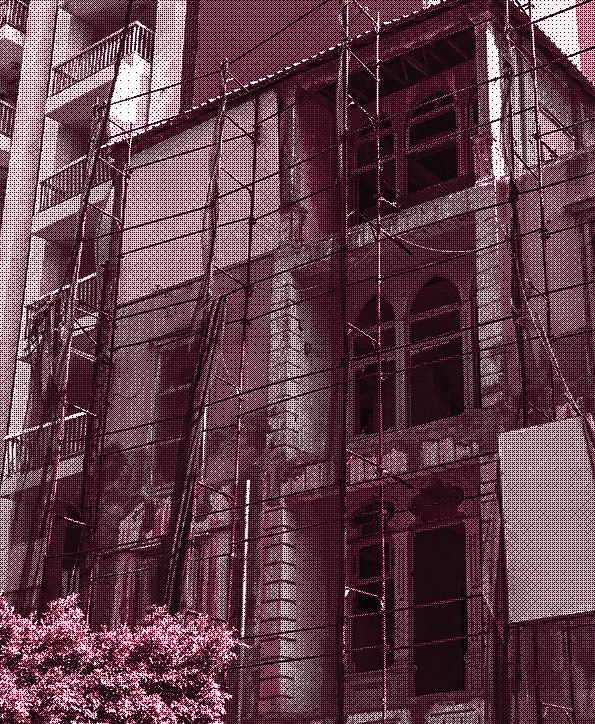
Building collapses in Lebanon are no longer isolated incidents, but the result of a long accumulation of neglect and the state’s retreat from its responsibilities toward public safety. The latest draft law proposed by deputy Ihab Matar seeks to establish a mechanism for addressing structurally damaged buildings by organizing roles and relying on incentives and private financing rather than developing a comprehensive public policy. Yet when rehabilitation is tied to economic feasibility and investment opportunities, the question remains: what kind of city is being shaped, and for whom is it being rebuilt or renovated?

The Suspension of Deadlines in the Absence of Housing Protection: A Legislative Loophole in Times of War

The suspension of deadlines in times of war is a key tool for protecting rights. However, excluding lease agreements from it undermines this protection and exposes tenants to the risk of eviction and homelessness. In the context of widespread displacement and declining ability to pay, the right to housing cannot be separated from any serious legislative response to the crisis. Including leases within the scope of suspended deadlines is not a technical detail, but an urgent necessity to ensure a minimum level of social protection under exceptional circumstances.

Two Complementary Draft Laws to Strengthen the Right to Housing

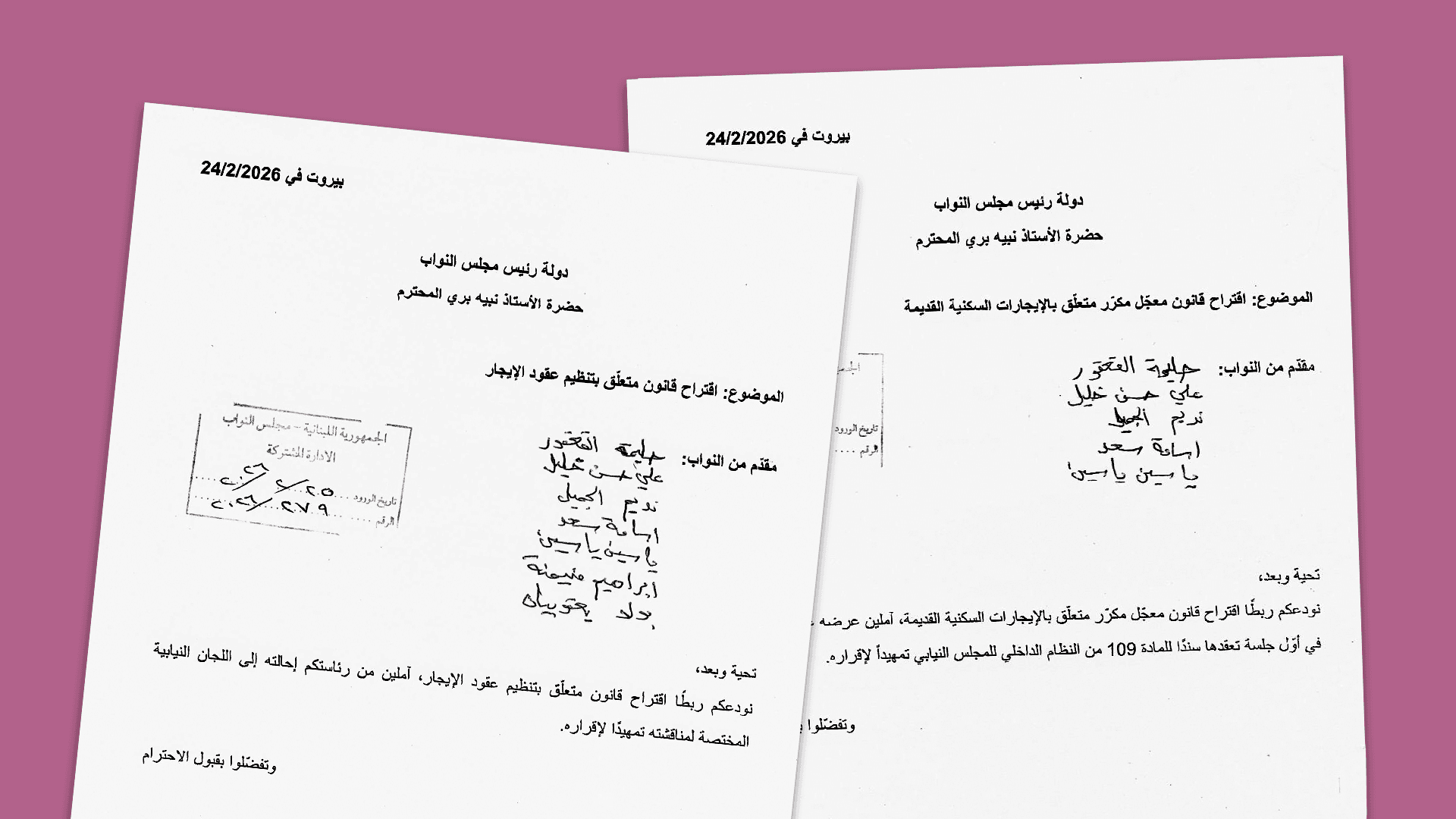
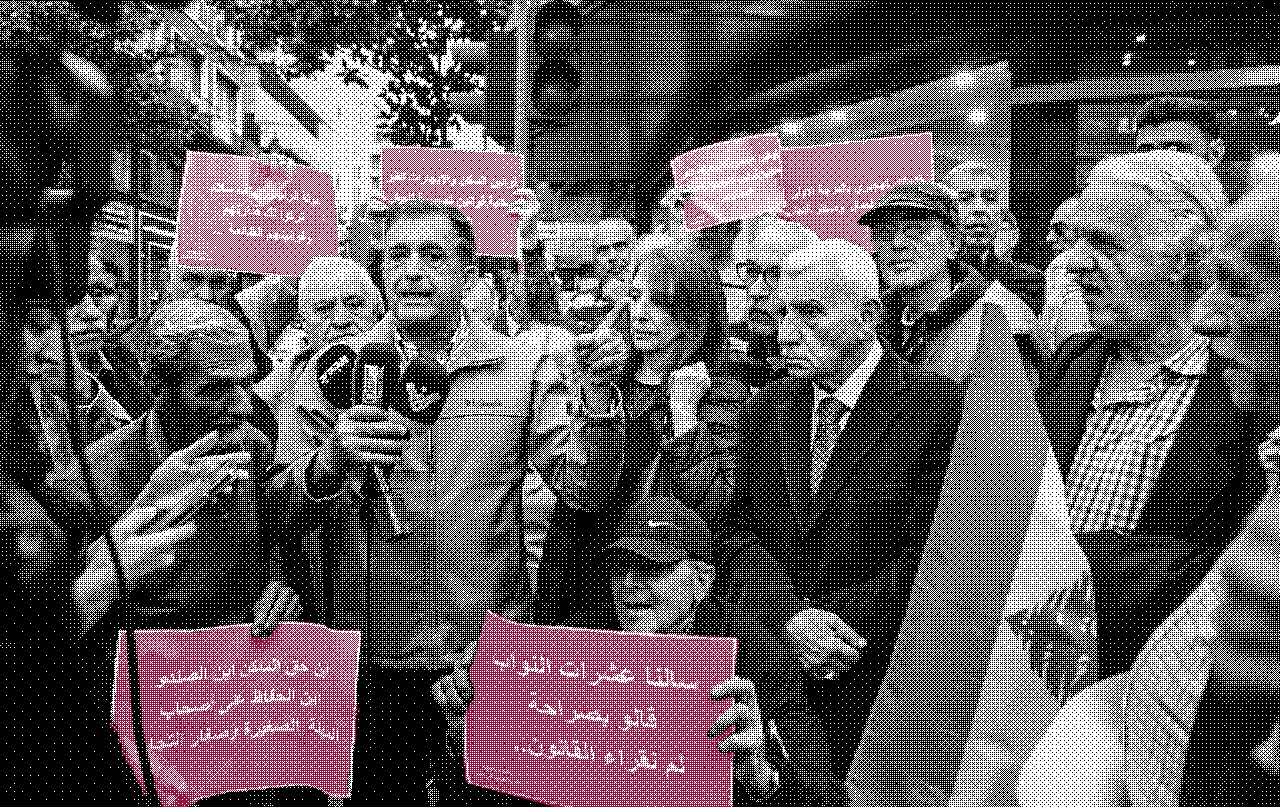
On Wednesday, February 25, 2026, MP Halima Al-Qaqour, along with a number of MPs, submitted two draft laws to the Speaker of Parliament. The first, an amendment to the old residential lease law, …

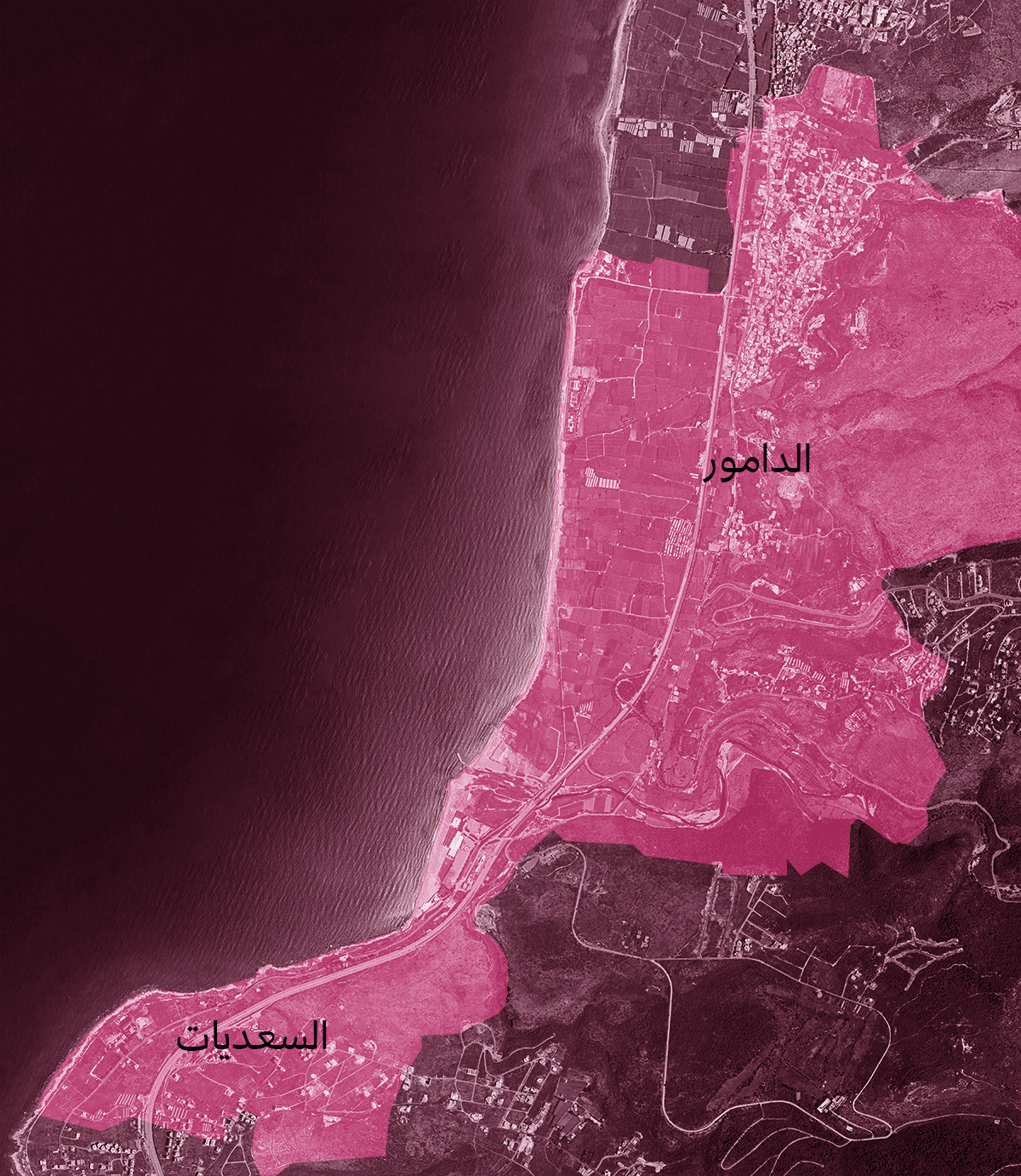
A law proposal to establish a separate cadastral zone for the municipality of Saadiyat, submitted by MP Bilal Abdullah, represents a pivotal point for a deeper discussion around the history of these areas and their evolving social boundaries. In the case of Damour and Saadiyat, the area became a symbol of the profound political crisis brought about by demographic changes in the Chouf coastal region, resulting from transformations and repeated waves of displacement to and from it.

The Exemptions and Reconstruction Law: Not an Alternative to a Comprehensive National Plan

More than seven months after the ceasefire in Lebanon, on June 30, 2025, the Parliament passed the first law related to reconstruction in response to the Israeli war on Lebanon. Ultimately, the law is a limited step forward, highlighting the urgent need for a comprehensive national recovery plan for reconstruction.

Periodic Renewal of New Occupancy Permits: Overlooking the Deterioration of the Existing Urban Fabric

The draft law to set the newly issued occupancy permit duration at ten years—renewable every five years to ensure the structural integrity of buildings and maintain public safety—while seemingly well-intentioned, overlooks the immediate danger posed by thousands of aging and structurally unsound structures and the effects of urban decay, and offers a narrow and insufficient response to Lebanon’s broader urban crisis.

 Imad Al-Hout Approaches the Social Crisis of Old Rent Contracts Through a Narrow Numerical Lens

In a few lines, Representative Imad Al-Hout seeks, by proposing a repeated accelerated law, to resolve the decades-old problem surrounding the old rent law, by setting a clear date for the entry into …

The Independent Municipal Fund: How does the state distribute its shares without any studies?

In the last month of 2024, Decree 14492 was approved to distribute the revenues of the Independent Municipal Fund for the year 2022, which distributes shares to municipalities, based on a number of …