City Watch

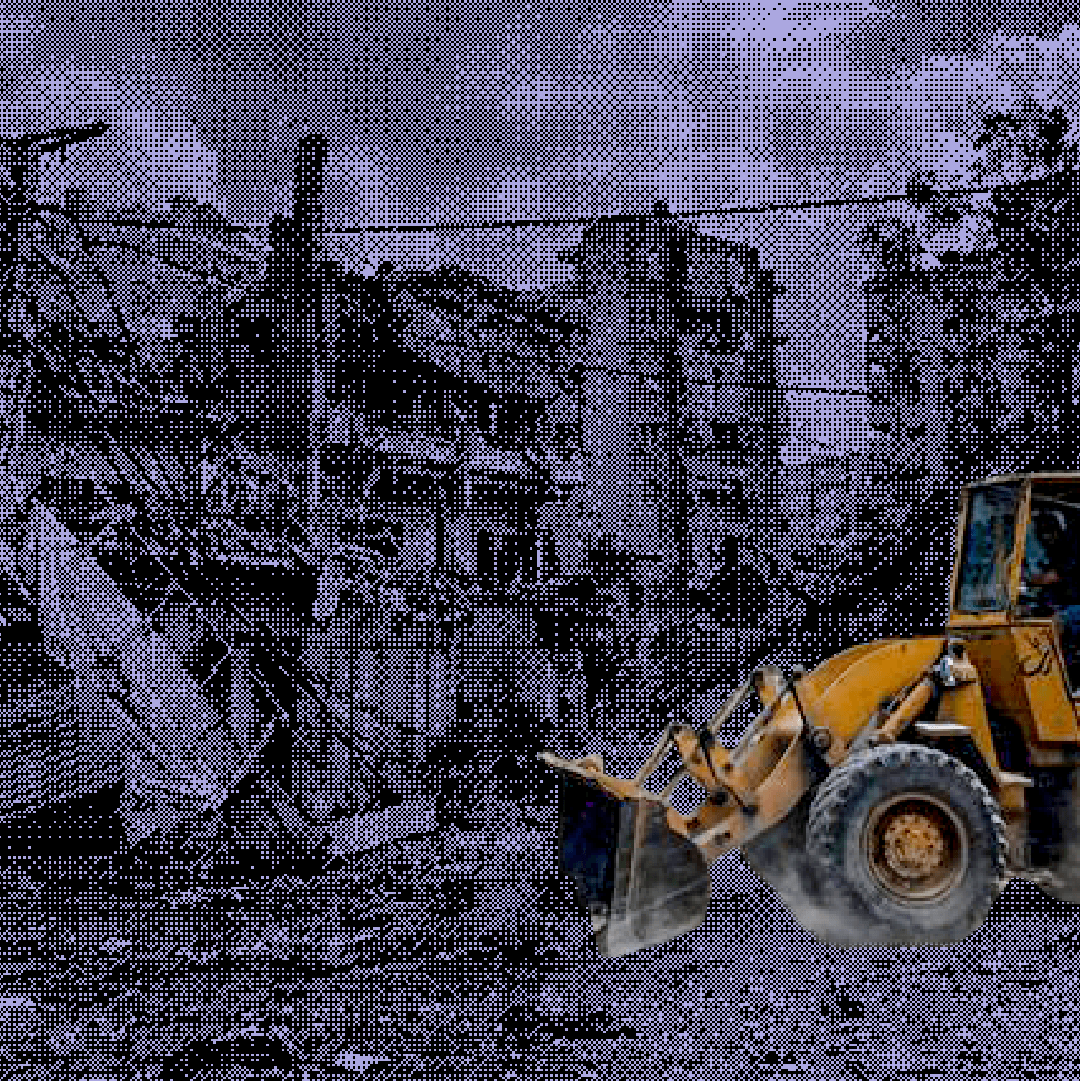
Qaaqaiyat al-Sanawbar once again: Israel is erasing southern villages, while our state destroys their agriculture.

Since the start of the 2024 war, the zionist entity has targeted Qaaqaiyat al-Sanawbar for 175 days, in addition to threats of evacuation, forcing the remaining residents to flee.
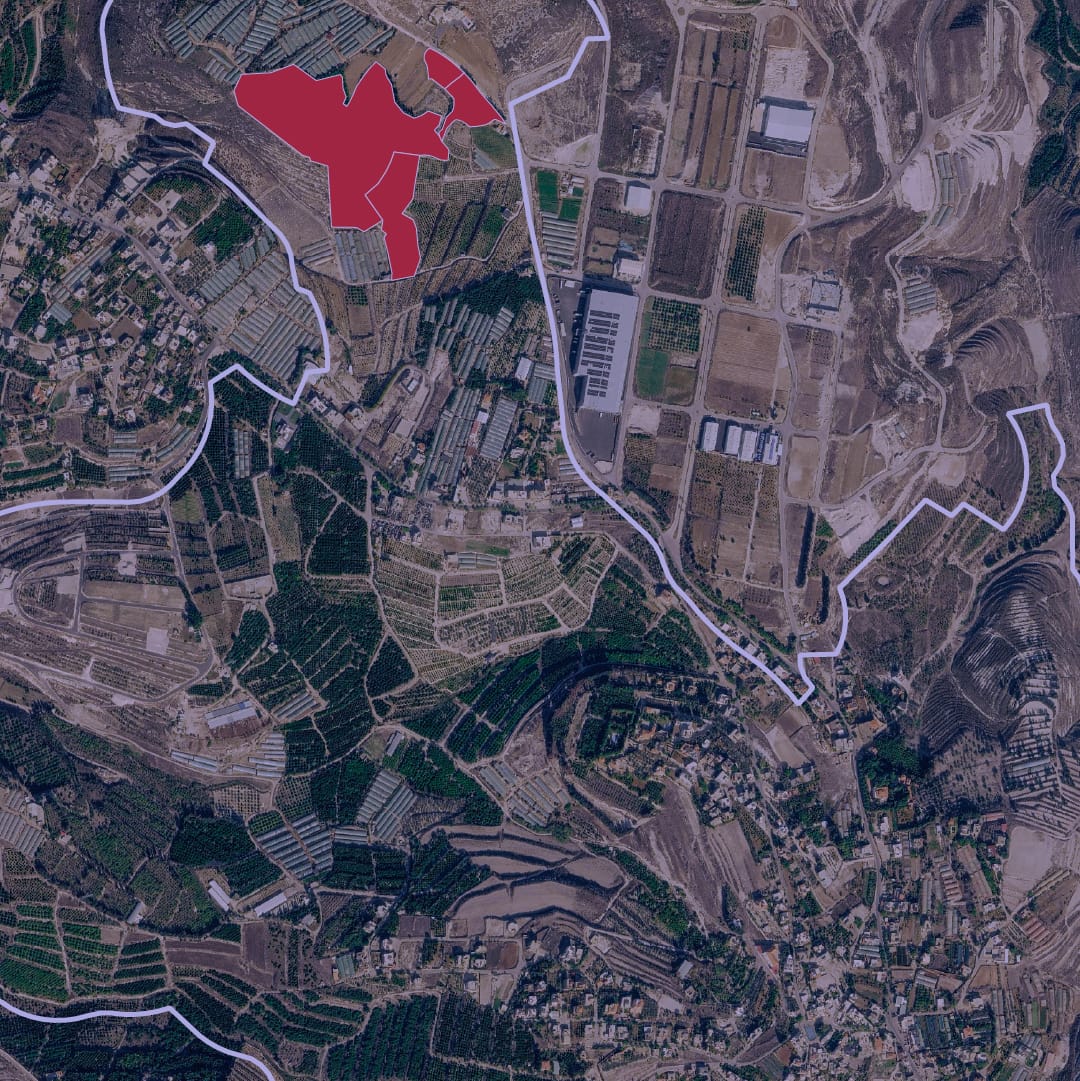
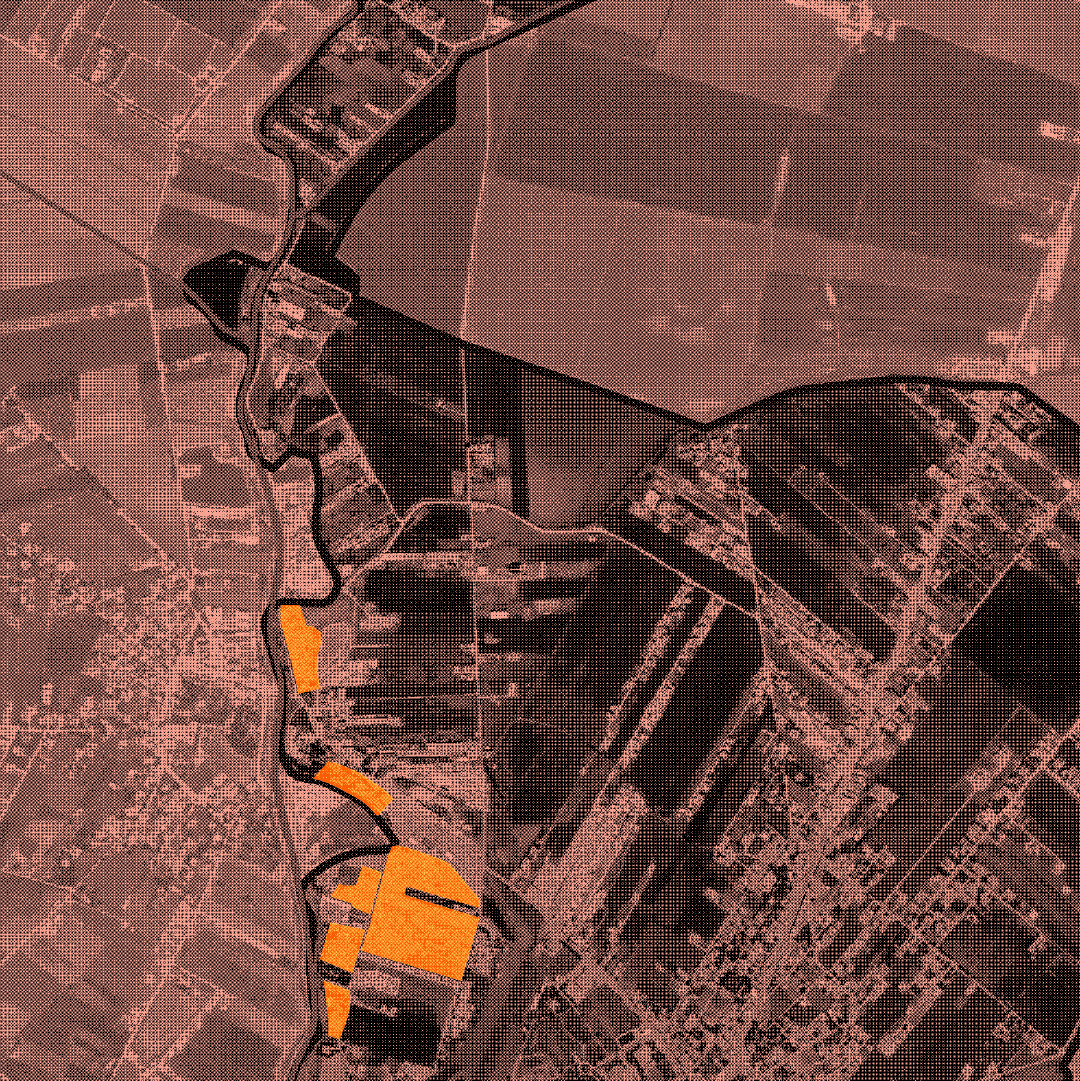
While the town is being destroyed, the authorities have reclassified agricultural areas within it as an industrial zone through Decree No. 2304, issued on January 22, 2026.
This exacerbates the destruction and extraction perpetrated by the occupation.

Shelter Centers in Tripoli: A Response Deepening class inequalities in the city

Until the morning of 17 April, 20 shelters were opened in Tripoli. Their uneven distribution concentrated pressure in already vulnerable neighbourhoods, particularly those with collapsed or at-risk buildings, while wealthier areas were largely excluded despite available vacant housing stock, reflecting how response practices reproduce existing spatial and class-based inequalities in the city.

Shelters in Beirut: Three Factors Deepening Inequality in the City

Amid the ongoing escalation and growing waves of displacement toward the capital, shelters in Beirut continue to face increasing pressure. A review of these centers reveals three key challenges: limited capacity and delayed shelter availability, the uneven geographic distribution across the city, and the heavy reliance on educational institutions as shelter sites. These patterns point to fundamental structural imbalances in the crisis response, contributing to the deepening of inequality at the level of the city.

Parliament Approves Loan for Infrastructure Reconstruction:

Between Rapid Response and Delayed Comprehensive Reconstruction

The Lebanese Parliament approved a $250 million World Bank loan to implement the LEAP project, aimed at emergency reconstruction of damaged infrastructure, restoring essential services, and managing debris, as one of the three tracks in the government’s reconstruction strategy. The loan represents a limited portion of reconstruction needs, focusing on densely populated areas, which excludes southern villages and border regions and does not cover the rebuilding of destroyed buildings. Despite its importance, LEAP remains a partial, short-term step amid ongoing delays in comprehensive reconstruction.

The Government Legalizes Violations and Complicity in Environmental and Housing Damage:

The Issued Decree Authorizes Industrial Expansion in Kfour, Despite Pending Court Challenges

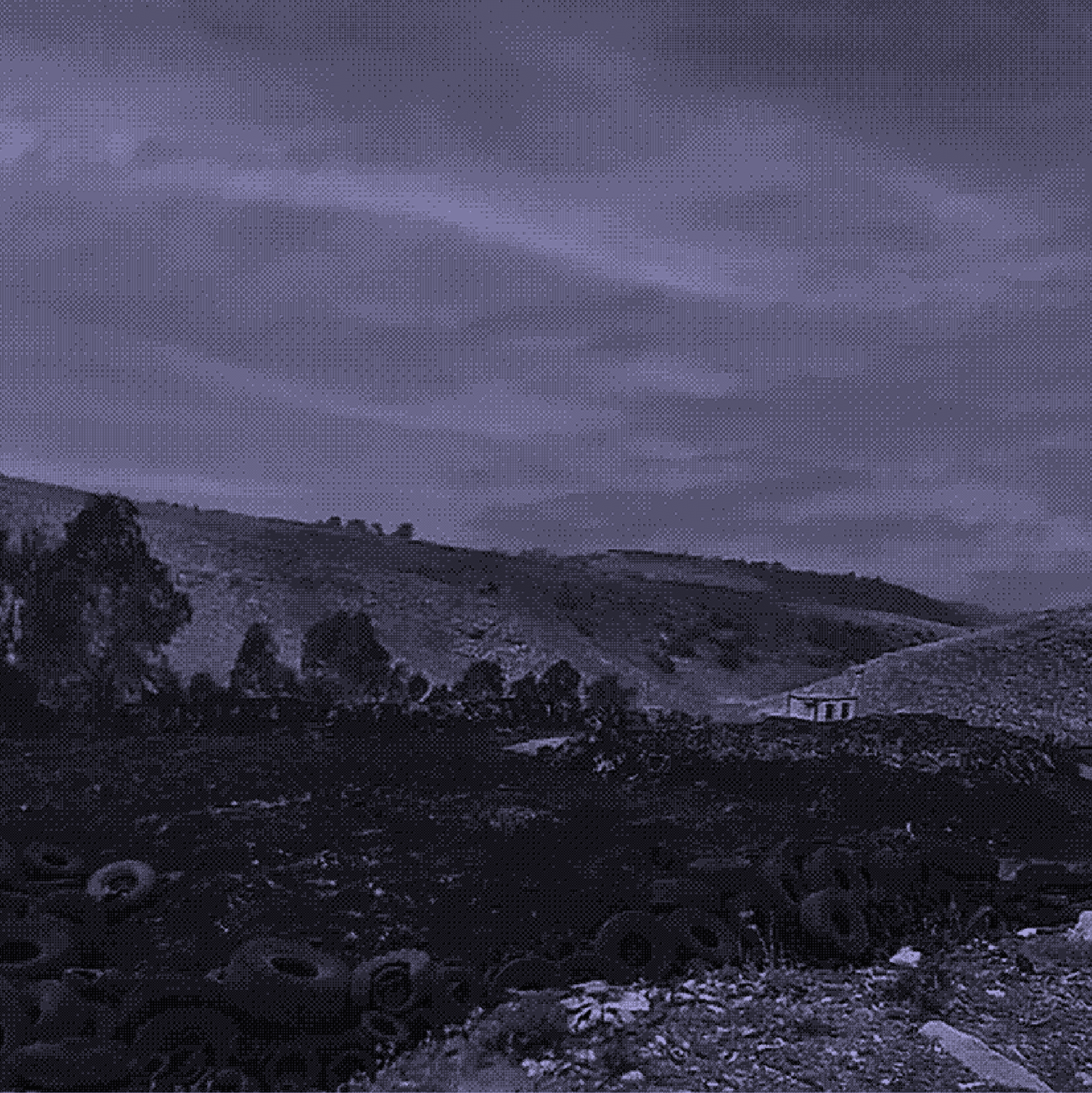
The government has legalized a harmful industrial expansion in Kfour, neglecting environmental and health threats and ongoing legal objections. Residents and civil society are calling on the government to withdraw Decree 1962 before more damage is done to their health, homes, and land.

Eviction of Camp “044” in Ghazzeh–Bekaa: Between Protecting the Litani and Undermining the Right to Housing

In September 2025, the Litani River Authority ordered the eviction and dismantling of Camp 044 in Ghazzeh, West Bekaa. Citing environmental violations and the need to remove encroachments from the river course, this action is part of a larger campaign targeting over 34 Syrian refugee camps. This text documents the eviction, its repercussions, and its impact on the fundamental right to housing.

Green light to destroy Beirut’s theater:

The Ministry of Culture removes protection under pressure from the Shoura Council and the owner's threats

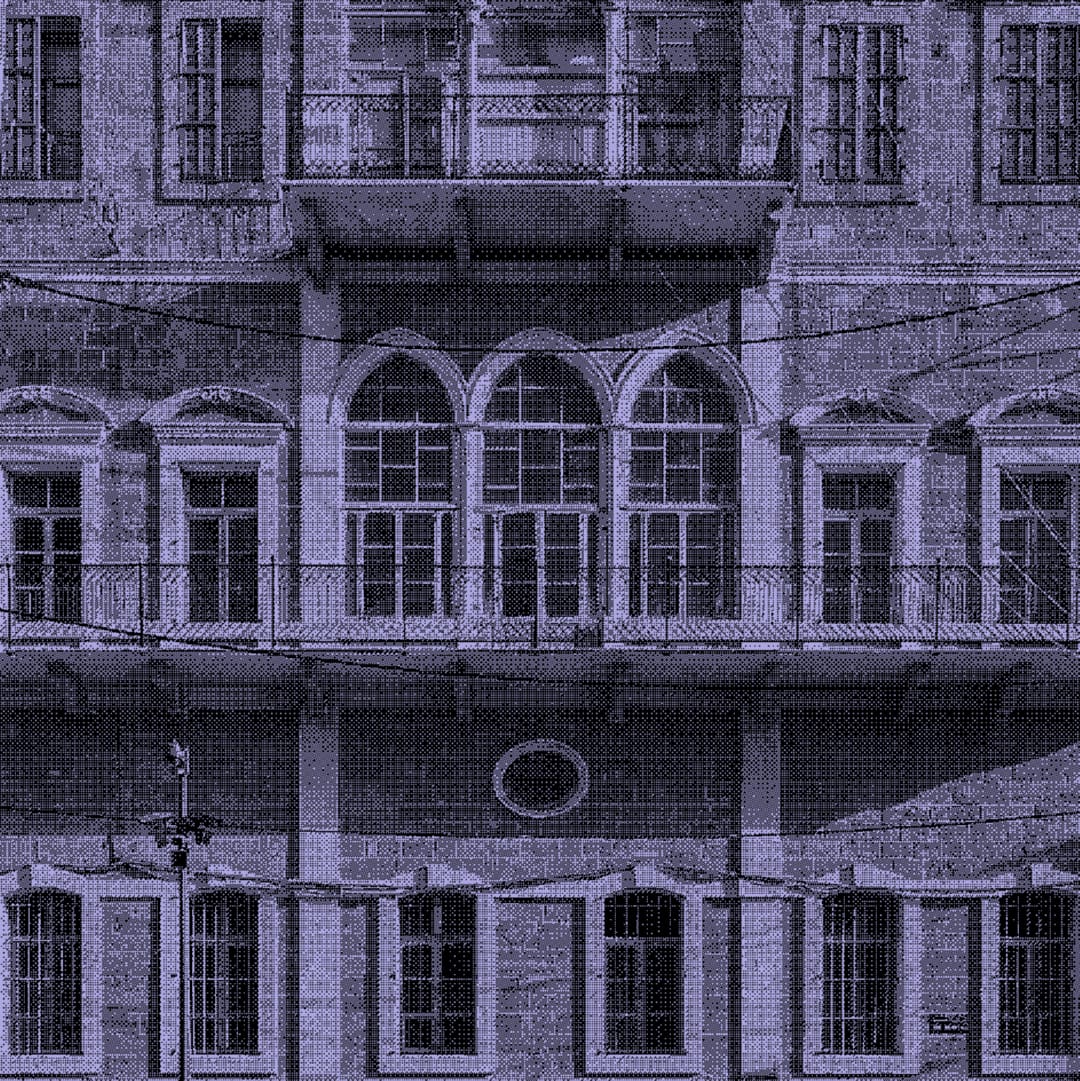
The Ministry of Culture delisted lot number 243 in the Ain Mreisseh district (Beirut) from the general inventory list of historical buildings is a striking decision. This contradiction raises questions about the motives behind the decision, specifically that the lot includes Beirut Theater.
In this article, we review the details of the property and previous attempts to protect it, revealing an alarming threat on the theater and the adjacent buildings.

The Ministry of Culture classifies buildings on the inventory list:

Preserving the urban heritage requires additional steps.

In a surprising step compared to previous years, which did not witness similar activity, the Ministry of Culture classified a number of buildings on the General Inventory of Historic Buildings. We offer an understanding of what is needed in terms of effective practical steps to preserve Lebanon’s urban spatial heritage.

MP Kassem Hashem proposes an amendment to the Reconstruction Law integrating the inclusion of persons with disabilities:

A positive step in need of follow-up and completion.

Following the Lebanese Union of People with Disabilities’ campaign, MP Kassem Hashem submitted a proposal to amend law No. 22 to integrate the rights of people with disabilities.
Currently, it is crucial to collectively lobby for the approval of this amendment as a first step towards establishing a comprehensive and just reconstruction process, through clear implementation mechanisms and continuous institutional follow-up.

An attack on the Seal cave in Amchit with the participation of the DGU

On the rocky shore of Amchit, the Seal Cave is currently under attack as a result of an unjustified and illegal decision by the Directorate General of Urban Planning (DGU) granting construction works …

The State’s Absence or its Presence in Absence: The Case of Basta Buildings Rehabilitation

The residents of Al-Maamoun Street in Basta endured an Israeli crime during its aggression on Lebanon, as devastating aerial raids on October 10 and November 23, 2024, caused significant casualties and widespread destruction. This text presents a rapid field study on the current renovation efforts in Basta by the NGO “Offre Joie”.

Fencing the Playground: Erasing Public Space in Zokak el Blat

The abrupt fencing of a vital informal public space in Beirut’s Zokak el Blat neighborhood: Property 483, has become a potent symbol of social and political exclusion, directly challenging the ‘right to the city’ for Beirut’s residents.