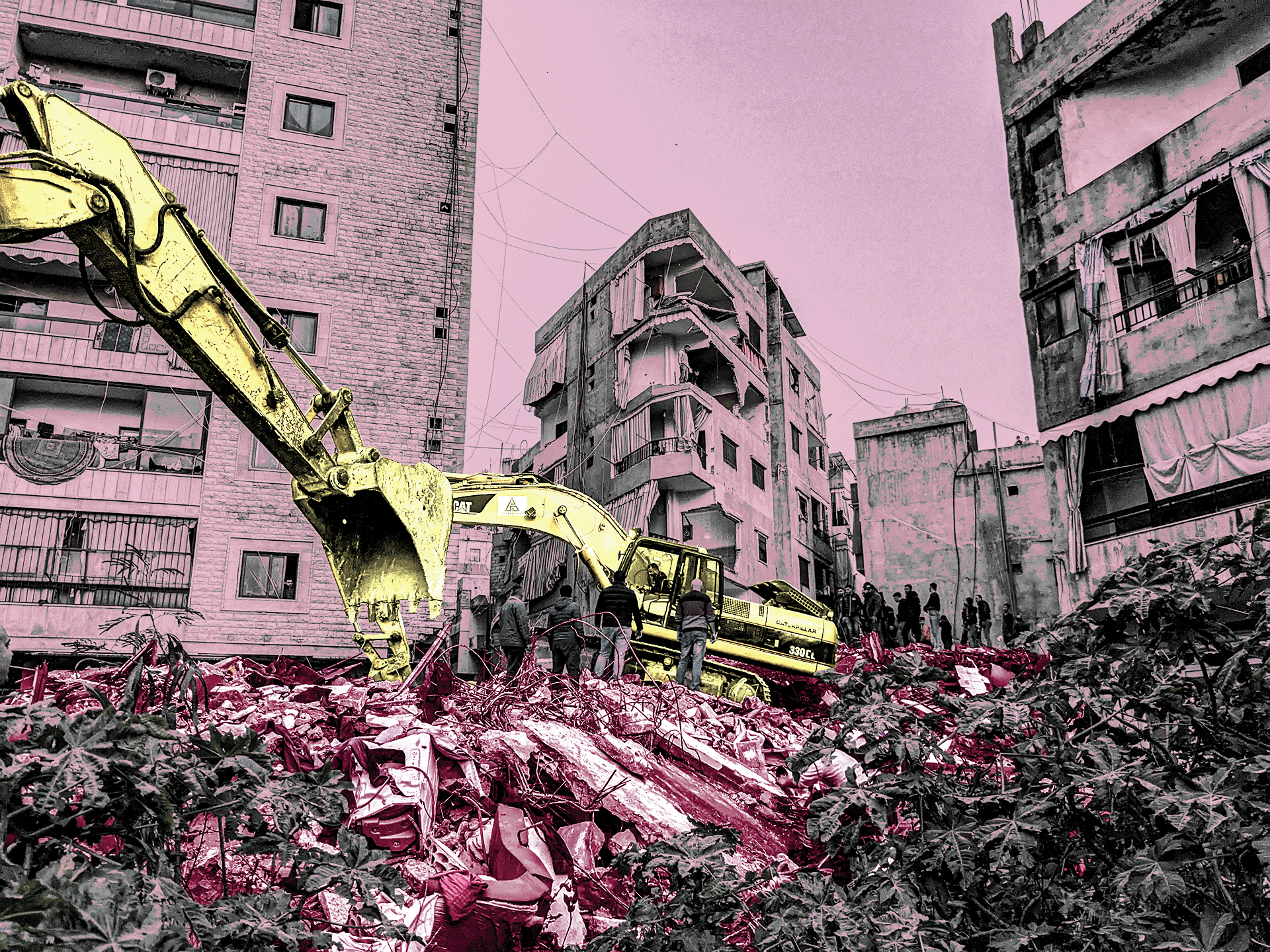
building collapse

A Proposal to Address Building Collapses:

Filling the Legal Void Does Not Replace the State 

Building collapses in Lebanon are no longer isolated incidents, but the result of a long accumulation of neglect and the state’s retreat from its responsibilities toward public safety. The latest draft law proposed by deputy Ihab Matar seeks to establish a mechanism for addressing structurally damaged buildings by organizing roles and relying on incentives and private financing rather than developing a comprehensive public policy. Yet when rehabilitation is tied to economic feasibility and investment opportunities, the question remains: what kind of city is being shaped, and for whom is it being rebuilt or renovated?
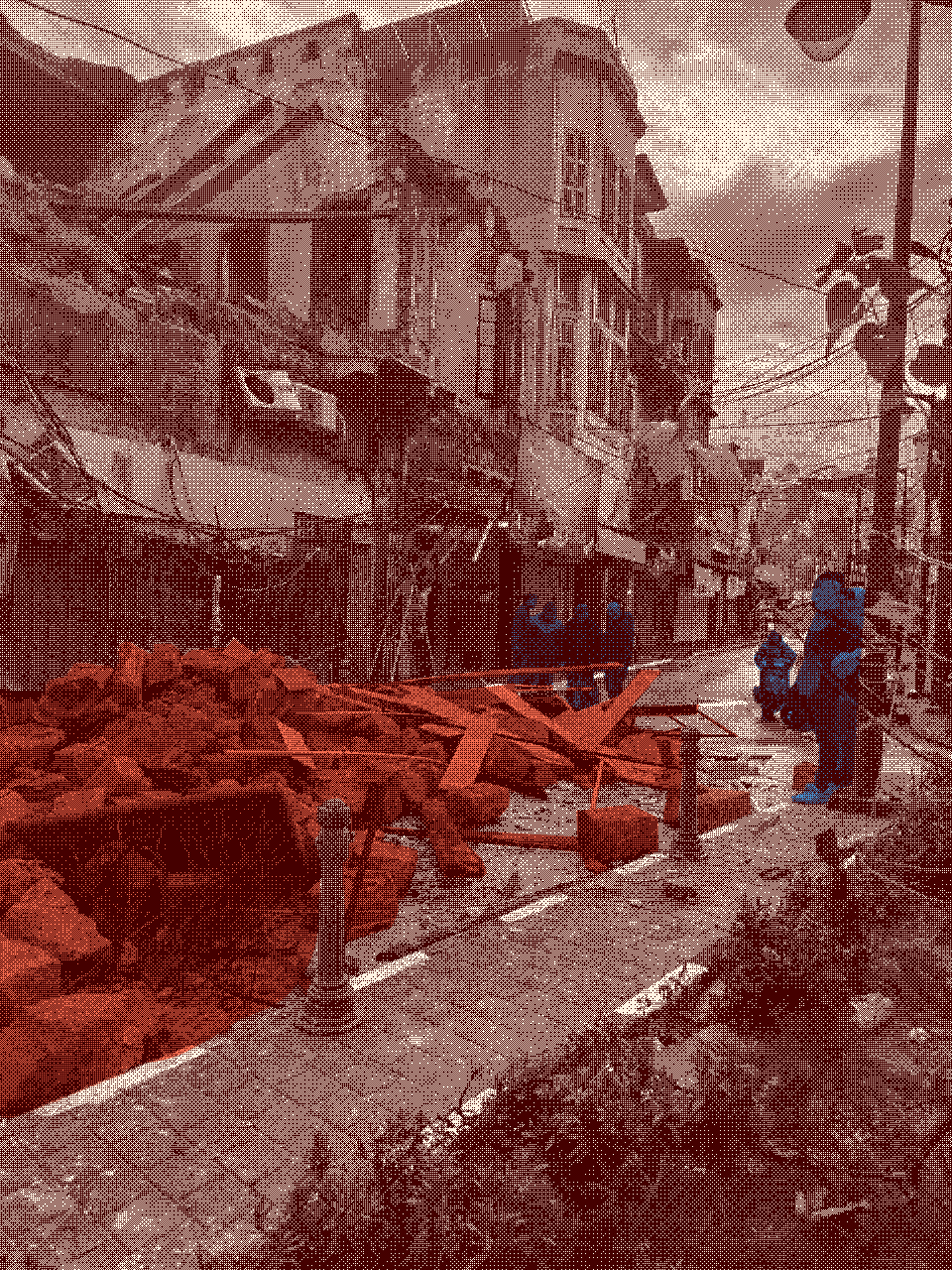
Shelter Centers in Tripoli: A Response Deepening class inequalities in the city

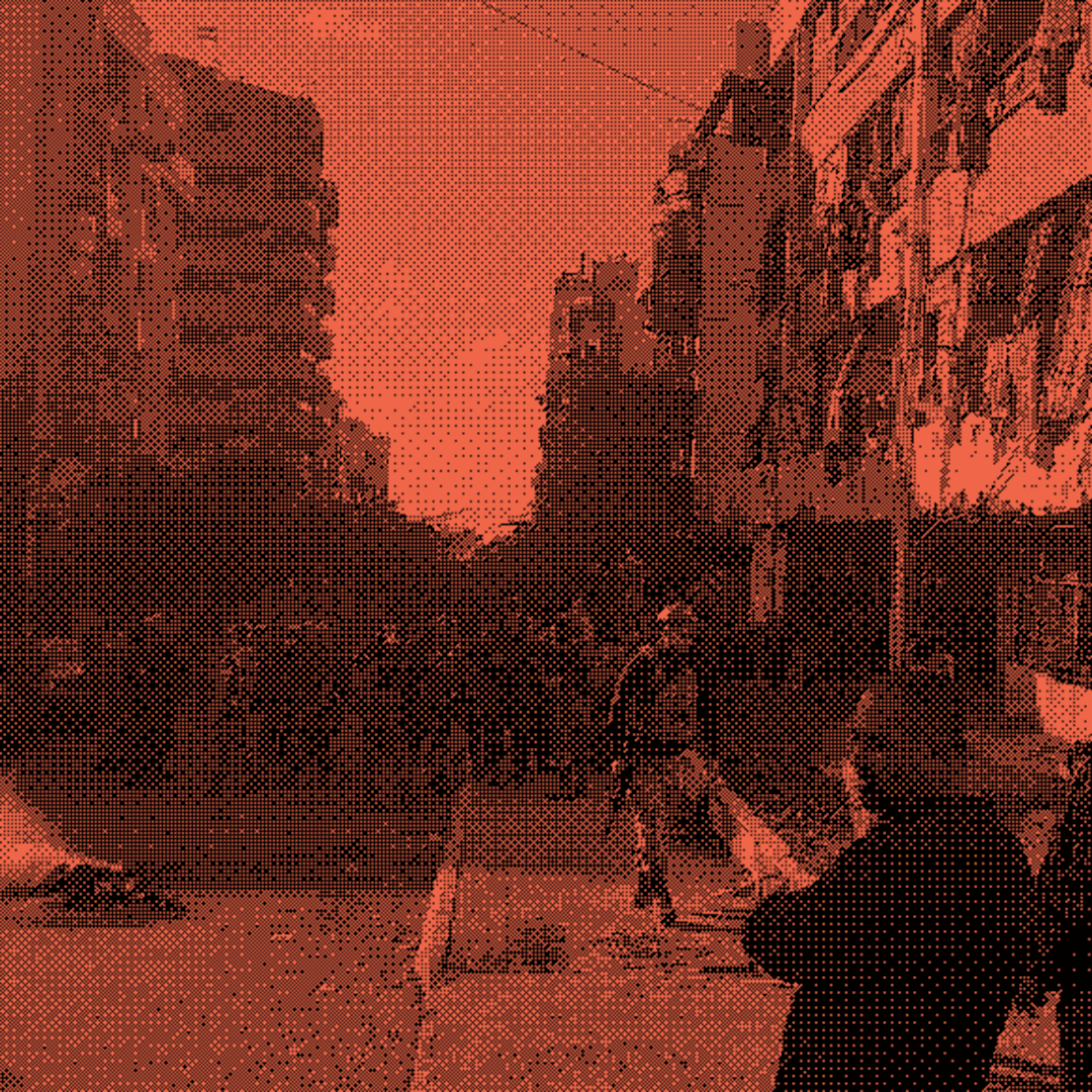
Until the morning of 17 April, 20 shelters were opened in Tripoli. Their uneven distribution concentrated pressure in already vulnerable neighbourhoods, particularly those with collapsed or at-risk buildings, while wealthier areas were largely excluded despite available vacant housing stock, reflecting how response practices reproduce existing spatial and class-based inequalities in the city.

Tripoli or the city that falls apart piece by piece

Buildings are falling apart in Tripoli, not haphazardly, but as a logical result to the city’s policies vis-a-vis old buildings. This article presents PW’s analysis of the underlying reasons, and proposes steps for a better and fairer management of the situation.

Tripoli Under Threat: Report on the Degradation of the Built Environment and a review of Mobilizing efforts towards Housing Rights

This report investigates the systemic deterioration of buildings in Tripoli, Lebanon, tracing how historical neglect, failed state policies, and the lived experiences of residents converge to fuel an escalating housing crisis. It offers a grounded overview of the community’s movement, organizational efforts, and resilience in the face of the destruction of their housing rights.

Periodic Renewal of New Occupancy Permits: Overlooking the Deterioration of the Existing Urban Fabric

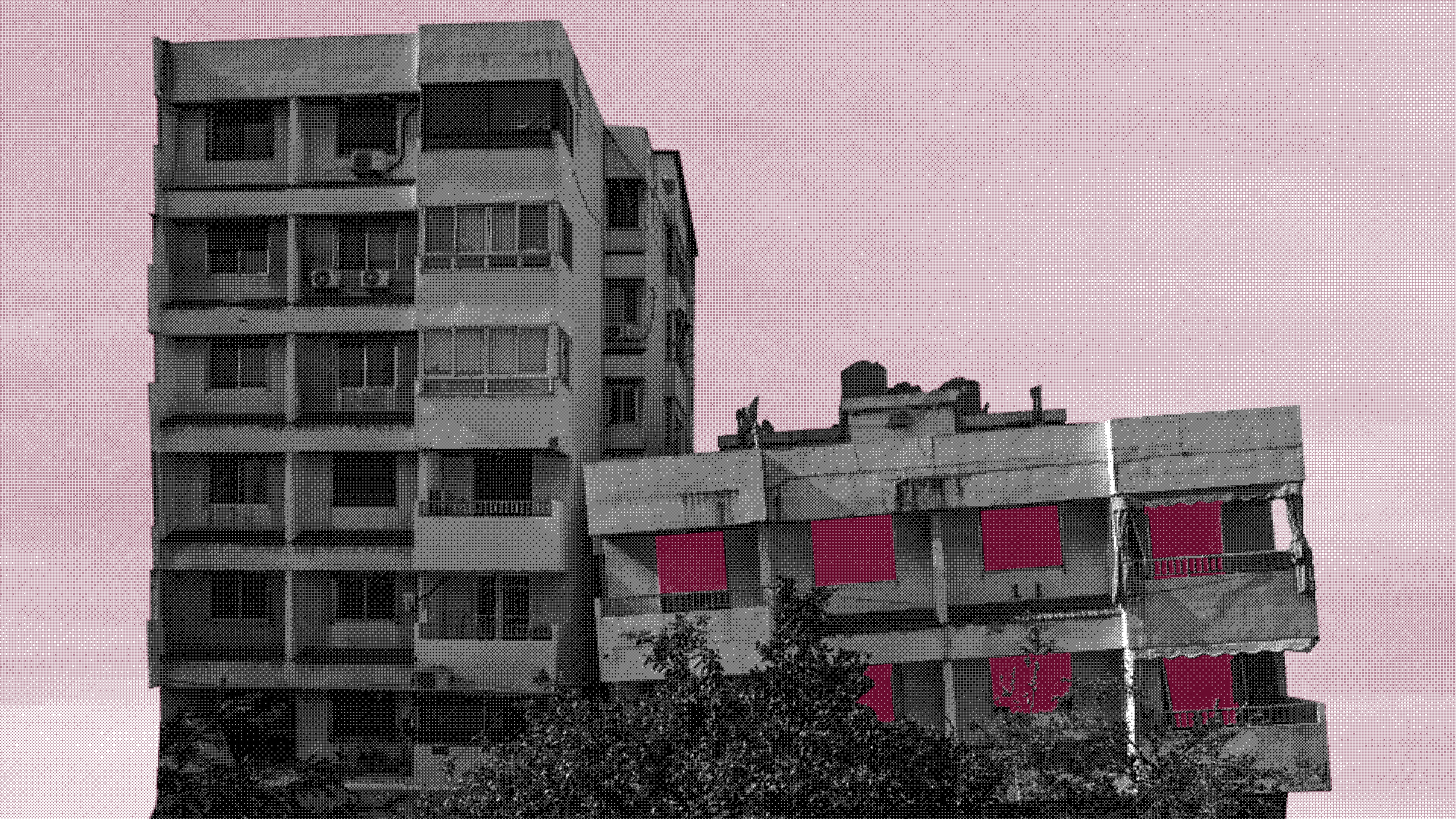
The draft law to set the newly issued occupancy permit duration at ten years—renewable every five years to ensure the structural integrity of buildings and maintain public safety—while seemingly well-intentioned, overlooks the immediate danger posed by thousands of aging and structurally unsound structures and the effects of urban decay, and offers a narrow and insufficient response to Lebanon’s broader urban crisis.

Tripoli’s Municipality Demands Media Publicity in Exchange of Protecting Residents Lives

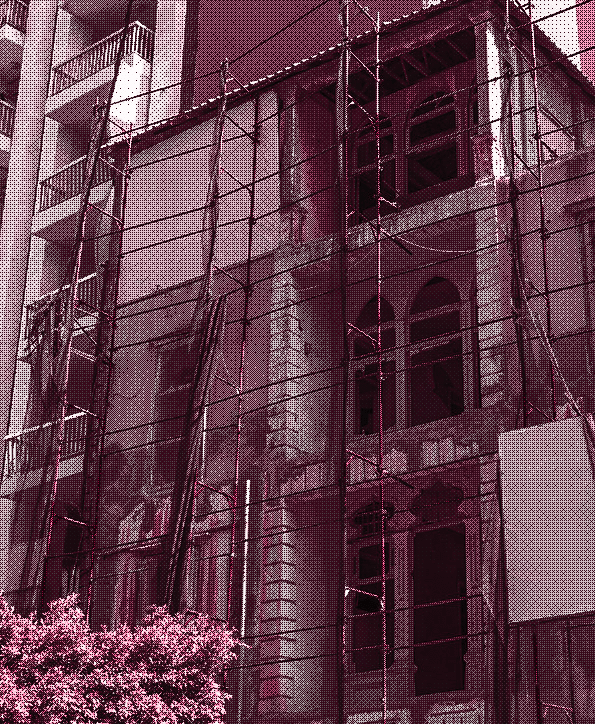
In Tripoli’s Qobbeh neighborhood, a dangerously deteriorating residential building housing 21 families faces the risk of collapse. Despite urgent warnings, the municipality has failed to intervene, stating that action will only be taken if the case becomes a matter of public concern and. gains public and media attention.

 In Bir Hassan, Eviction After Displacement, Under the Pressure of Real Estate Development, and the Pretext of Protecting the Safety of Residents

After a long history of threatening families displaced by the Lebanese Civil War with eviction from a residential building in Bir Hassan under the pretext of being “illegal occupants,” and following failed negotiations, …

The Primary Causes Behind the Increasing number of Collapsed Buildings in Lebanon

In 2023, seismic activity raised concerns about building collapses in Lebanon, initially overlooked until a series of incidents occurred across different regions. These events are part of a broader context where Lebanon faces …

Roof Collapse in Al Basha Neighborhood:

Absence of Safe Housing Options Kills Residents

A tragic roof collapse in Beirut’s Al Basha neighbourhood exposed the harsh realities of Lebanon’s housing crisis. The incident claimed the lives of a mother and her child,  highlighting the struggles of low-income …

Buildings Collapse in Lebanon

It is difficult to be surprised today by the collapse of buildings around the Lebanese territory, being aware of the amount of legal and material factors that have weakened and destabilized their structure, …

Five Factors that Contributed to the Deterioration of the Urban Environment in Lebanon

This text highlights Lebanon’s urgent issue of severe physical degradation in its urban environment, with over 18,000 buildings at risk of collapse, particularly in Beirut and Tripoli. It attributes urban decay to a …

The Collapse of the Rishani Building in Chouaifat Exposes the Failures of the Owner, Municipality, and the General Directorate for Urban Planning

Just about a week after the complete collapse of a building in Sahra Chouaifat, another tragedy struck on Monday, February 19, 2024. The Rishani building in the Ain neighbourhood of Chouaifat collapsed on …