Projects

A Comprehensive Law for the Right to Housing in Lebanon

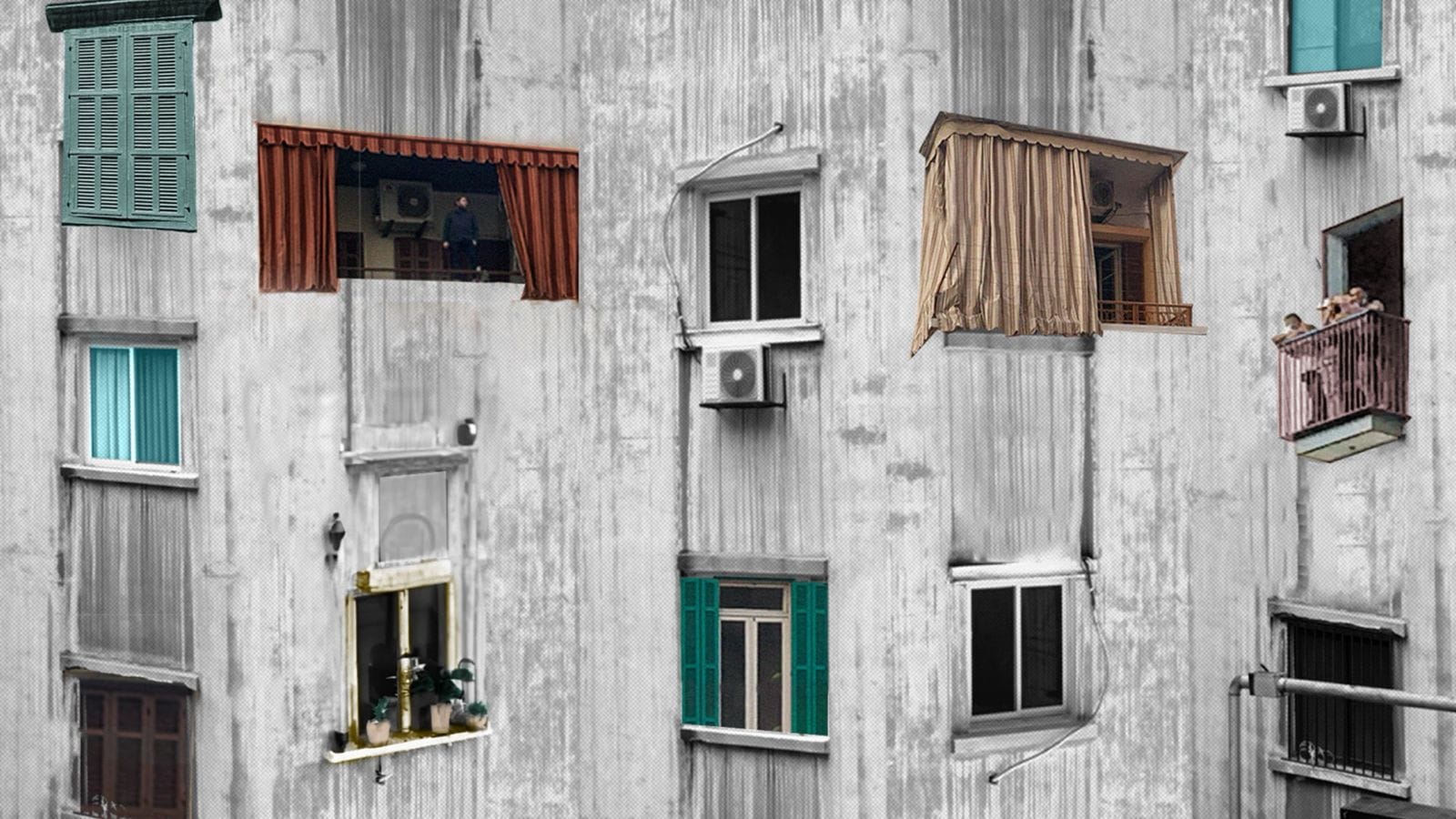
In 2023, Public Works Studio launched a project for a comprehensive draft law for the right to housing in Lebanon. The project is a radical approach to addressing the housing crisis and its accumulations over the past decades, and is proposed as a tool capable of securing the diverse needs of a variety of social groups, especially the elderly, persons with disability, students, workers, families, and others. The project is rooted in a participatory methodology, and throughout its phases engaged in consultations with residents from marginalized communities, civil society institutions, and experts, whose ownership of the proposal is a pillar for the project’s success.

Responding to Ecocide in Lebanon: Recommendations for Official and Community Engagement in Sustainable Recovery

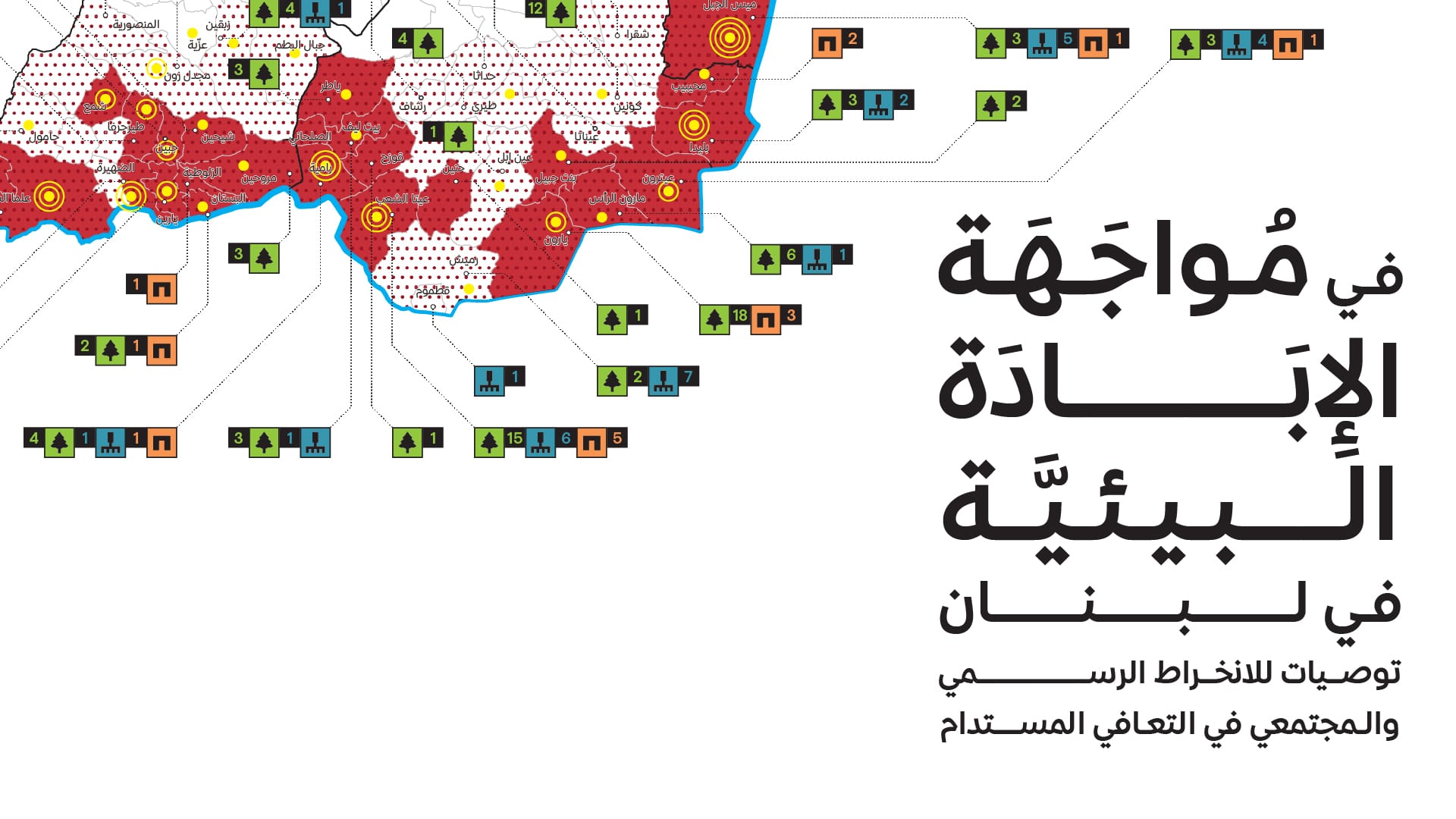
Since 8 October 2023, border villages in southern Lebanon have suffered systematic ecocide, with Israel targeting infrastructure, forests, and agricultural lands, aimed at enforcing displacement and making the area uninhabitable. Over the past year, Public Works Studio conducted research, monitoring, and workshops, focusing particularly on the town of Kfarkela as a case study, to analyze damages and identify priorities for return, reconstruction, and environmental recovery. This work culminated in a policy paper documenting the impacts, evaluating recovery frameworks, and offering recommendations to advance environmental justice. The paper was launched during a public seminar to foster discussion on participatory advocacy pathways.

Public Works Studio Selected to Manage the Second Edition of the Research Innovation Fund

Public Works Studio has been selected by the Arab Land Initiative to manage its second edition of the Research Innovation Fund that aims to expand knowledge, data, and critical research on land-related issues …

Investigating Religious Land Endowments in Lebanon

Amid Lebanon’s economic crisis, religious authorities have been excluded from the discussion on sharing the losses, despite being among the largest landowners and benefiting from tax breaks. In this context, it was necessary to conduct an in-depth study of religious endowment lands (waqf), highlighting their social value, placing them at the center of the wider conversation on the economic collapse, as well as shedding light on the needed regulation and taxation, and making the related data accessible as a basis for any future advocacy.

Mobilisations during the October 17 Uprising to reclaim seafront public properties

Over the past decades, environmental issues and access to natural resources stood out as major components of the broader landscape of social mobilisation in Lebanon. Despite oppressive practices and the hegemony’s attempts to …

Mapping State-Owned Land Against Privatization

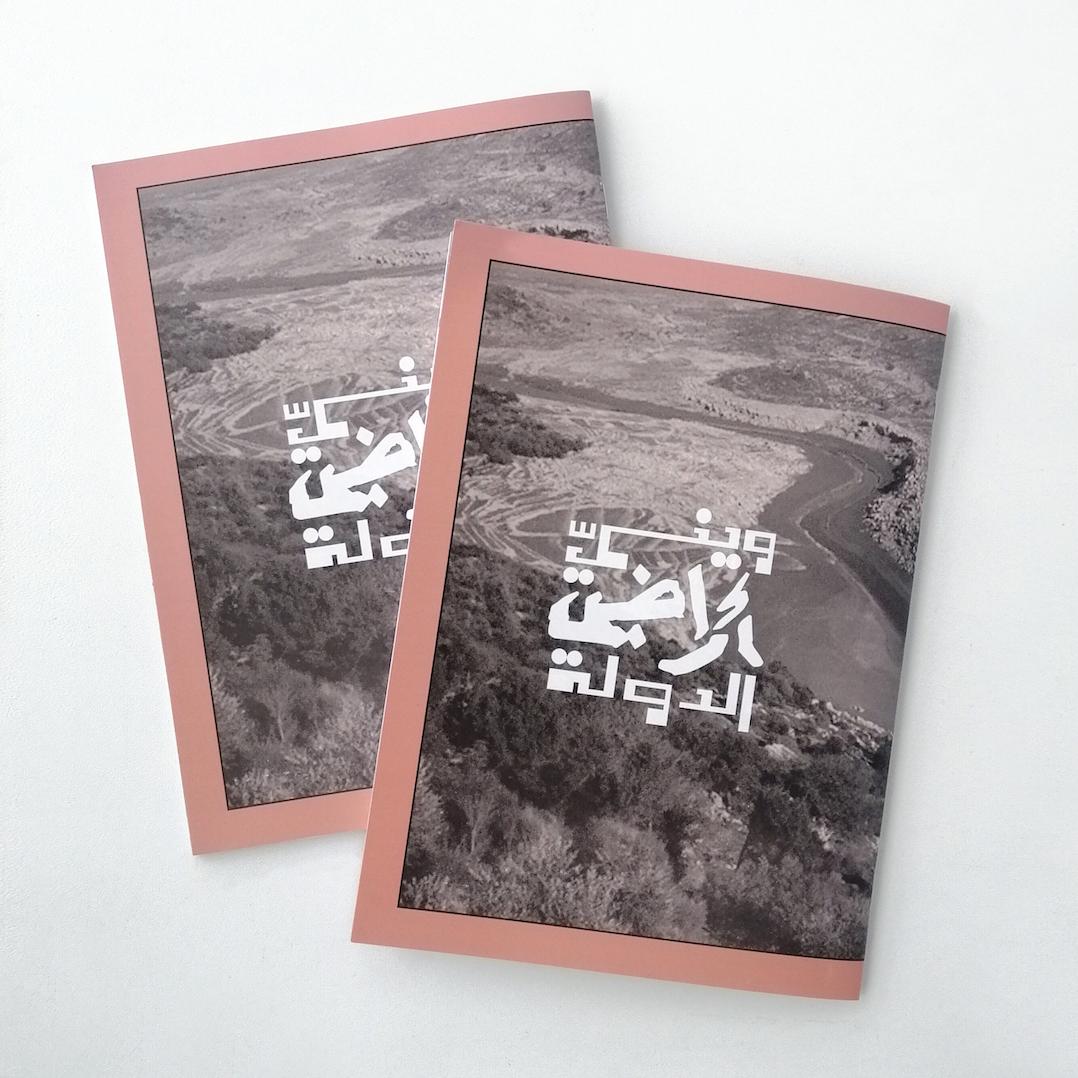
In light of the ongoing financial and economic collapse, mainstream public discourse called for the privatization of public assets, to save the state from bankruptcy, through a fund enabling banks to seize state-owned …

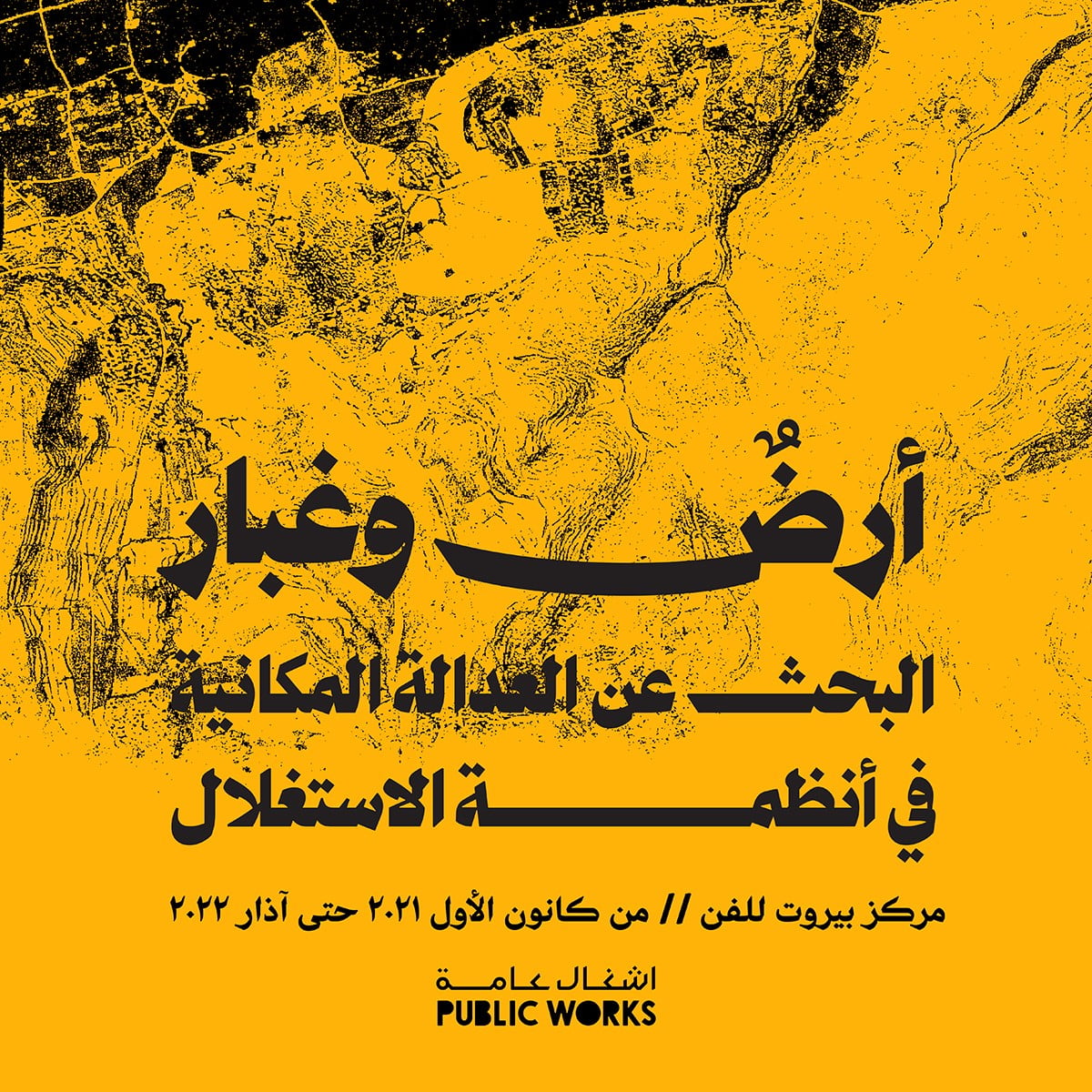
Ground to Dust: Systems of Extraction and the Search for Spatial Justice

This exhibition at Beirut Art Center is Public Works Studio’s first institutional presentation. Rather than approach the format of the exhibition with any kind of finality, PW has created a site as unstable …

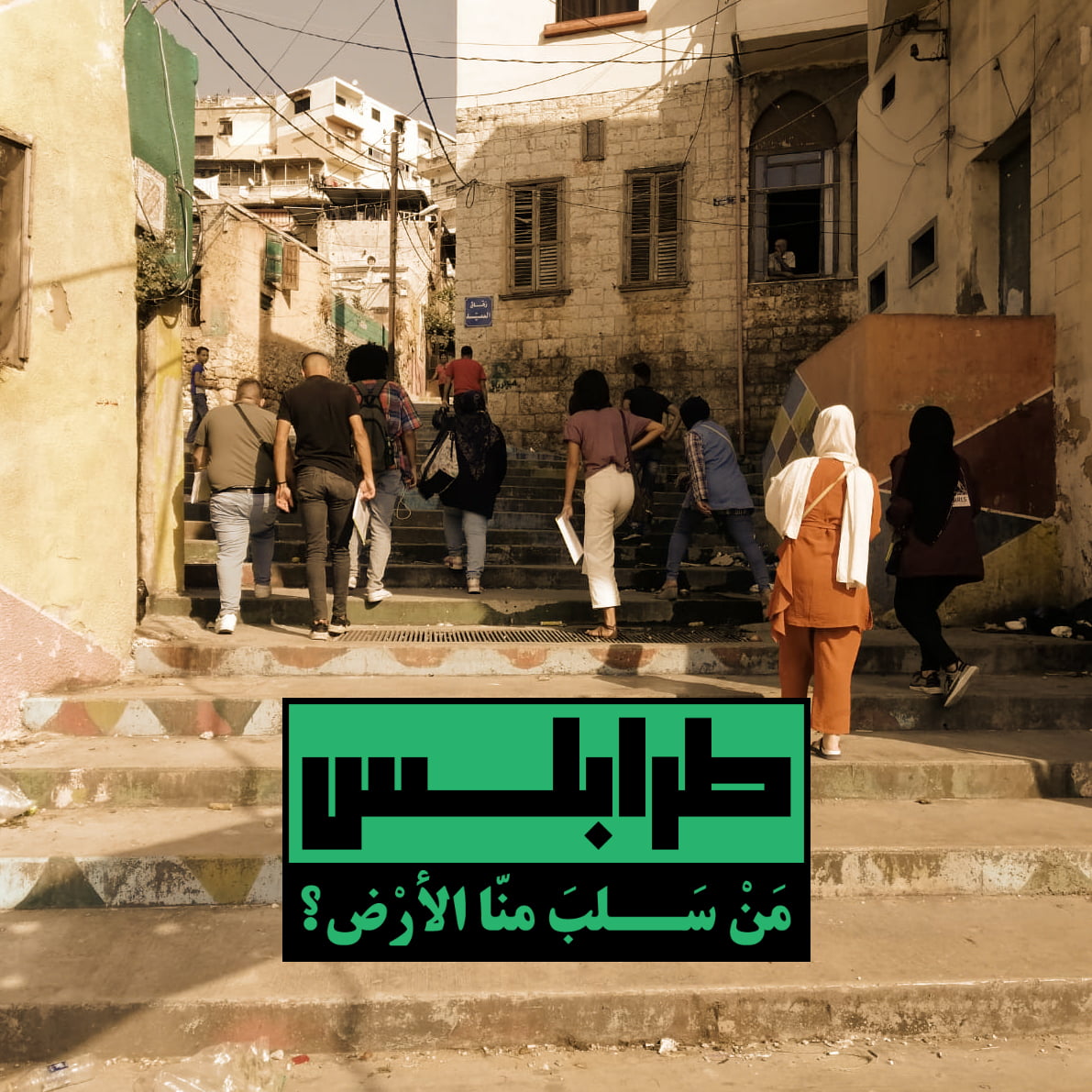
Tripoli: Who Took Away Our Land

Tripoli, also known as ”Al-Fayhaa”, is the second capital of Lebanon, the capital of the north. While these titles lead us to believe that Tripoli serves as a crucial economic and development center …

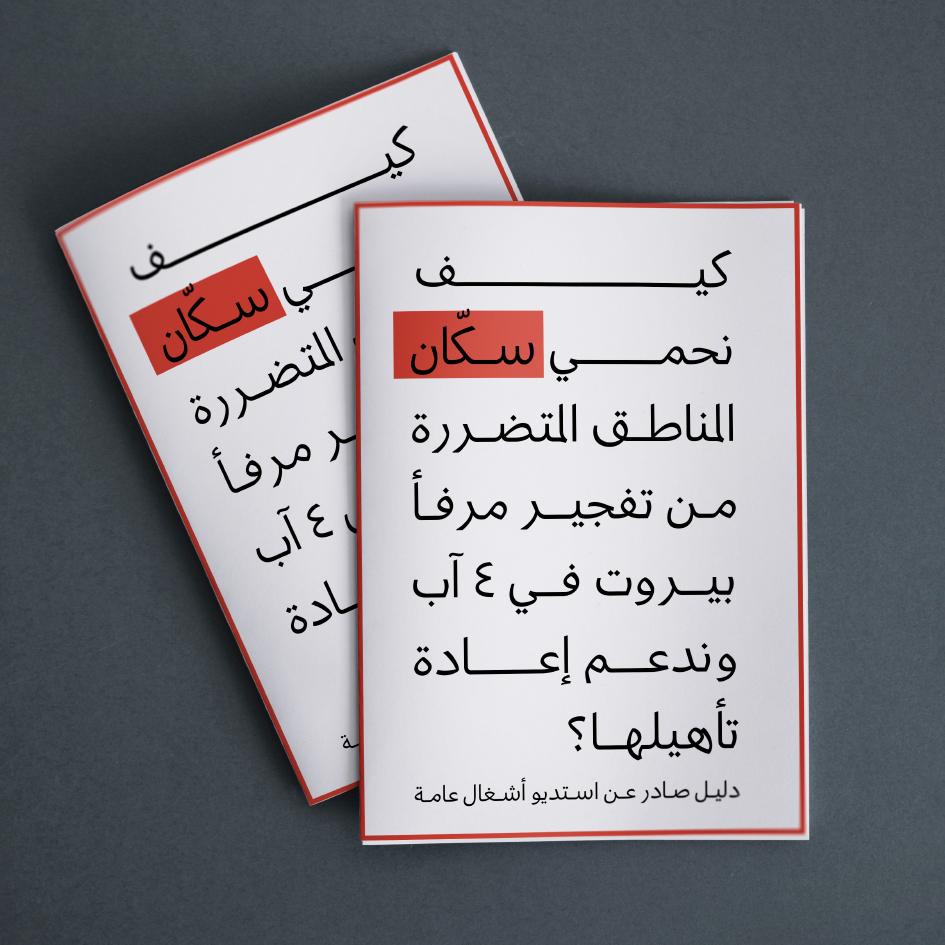
How to Protect Residents of the Neighborhoods Affected by the Beirut Port Explosion

In the aftermath of the Beirut port explosion on August 4, 2020, residents of the affected neighborhoods in particular, have been excluded from topics related to their lives. Seeing the result of the …

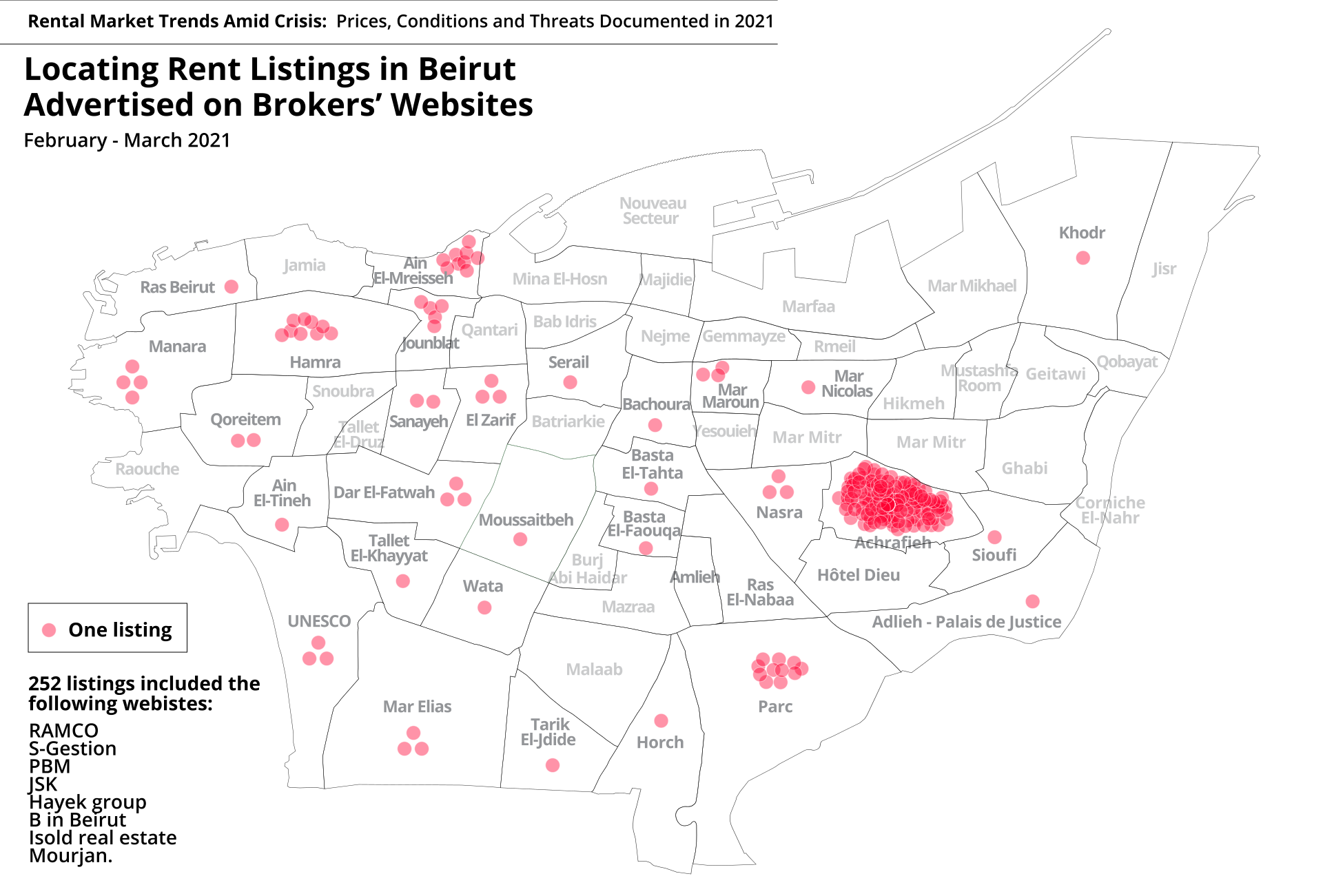
Rental Market Trends Amid Crisis

Prices, Conditions and Threats Documented in 2021

More than half of the population in the main Lebanese cities experience extremely weak housing tenure status; thus constituting the category of tenants constantly at risk of eviction, a condition generated and maintained by the governing legal and urban framework.This study carves a reading of rental practices in conjunction with a steep currency devaluation, while looking at how systemic state practices play out in times of crisis, and in the context of a neoliberal economy.

Beyond Cement:

Towards an Alternative Vision for Chekka and Surrounding Towns

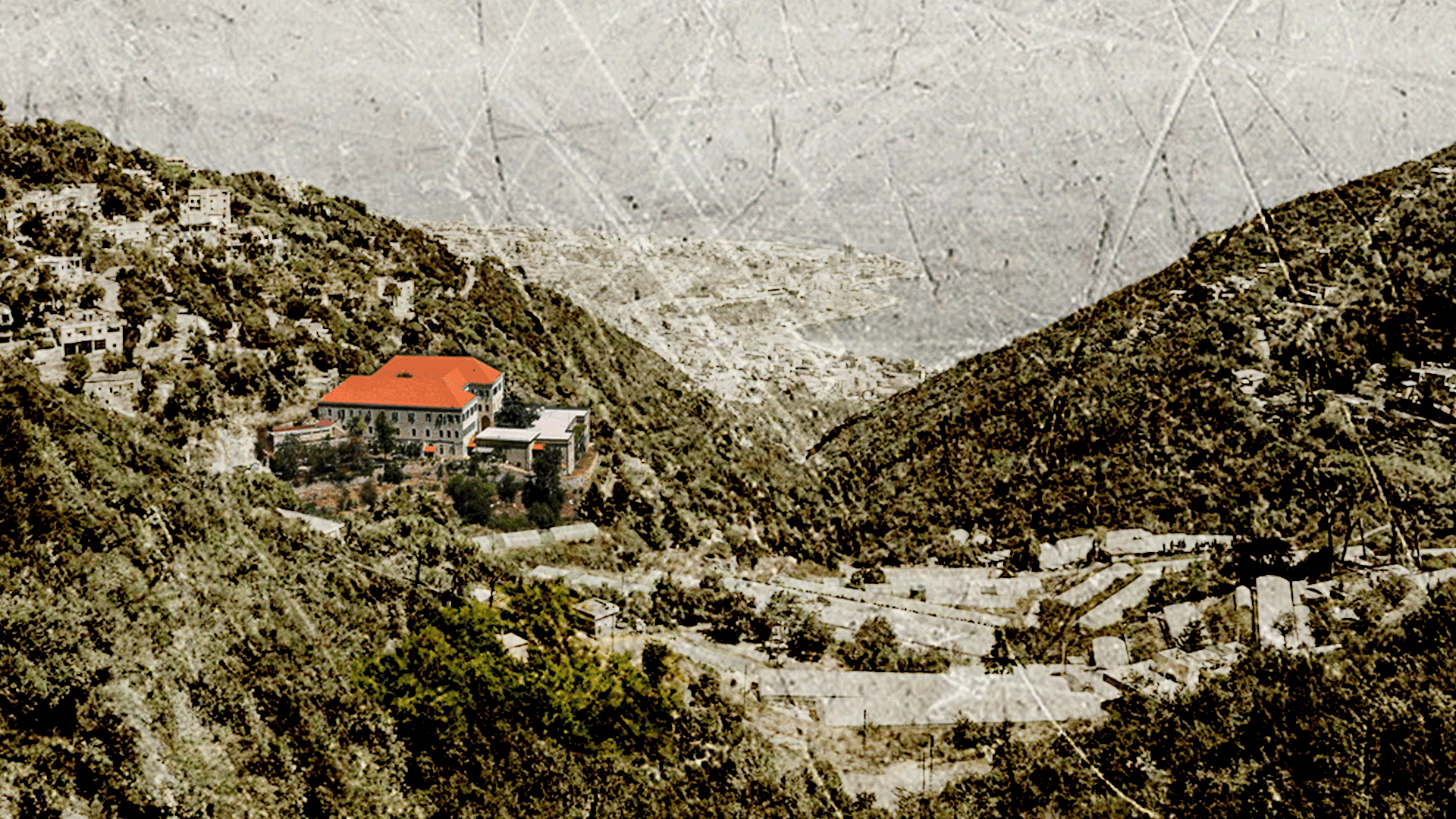
The towns of Chekka and Koura in North Lebanon have become prime examples of what public policies in Lebanon generate. The “Green Koura” in residents’ memories sat atop an abundance of groundwater and …

The Architect, the Law, the Sponsor and the Maid’s Room

This installation aims to deconstruct the process of (re)producing «The Maid’s Room» using a combination of archival documents, audio clips, and a sectional model. Through this work, we hope to encourage the public …