North Lebanon Governorate

Behind the Scenes of Legitimizing Illegal Quarries: How the Government and Cement Companies Manipulated Urban Planning Frameworks in Koura

This commentary takes a spatial approach to dissecting the Lebanese Government’s controversial Decisions No. 16 and No. 59 (passed in April 2026), exposing them as a continuation of a decades-long trajectory of collusion between the state and the powerful cement cartel, including the two major companies operating in Koura: “Holcim” and “National Cement Company.”

Shelter Centers in Tripoli: A Response Deepening class inequalities in the city

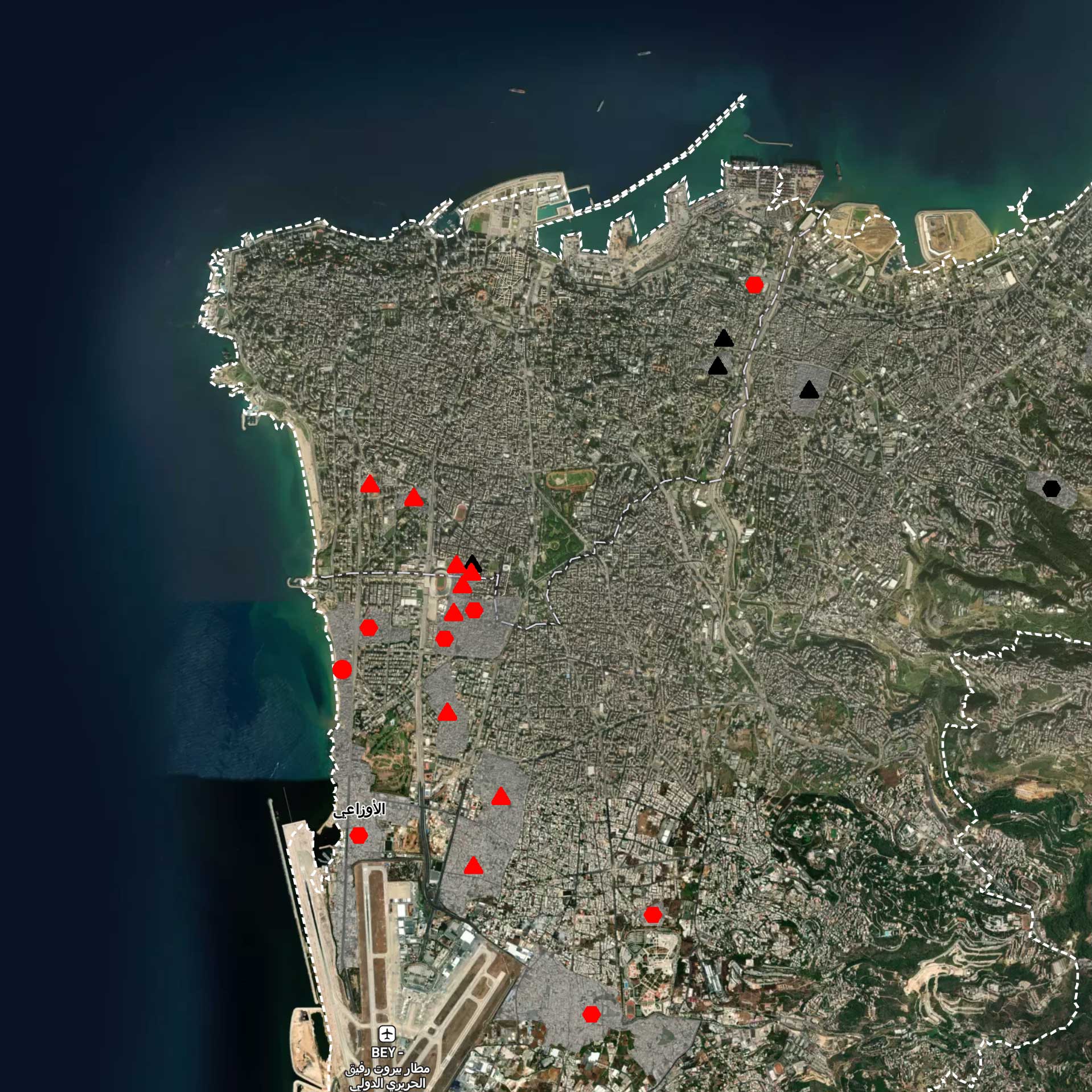
Until the morning of 17 April, 20 shelters were opened in Tripoli. Their uneven distribution concentrated pressure in already vulnerable neighbourhoods, particularly those with collapsed or at-risk buildings, while wealthier areas were largely excluded despite available vacant housing stock, reflecting how response practices reproduce existing spatial and class-based inequalities in the city.

Securing the Right to Housing and Return: An Open Letter to Officials on Tripoli’s Building Collapse Crisis

As Tripoli’s building collapse crisis deepens. This letter calls on public officials to ensure that the government’s Emergency Plan measures protect residents from long-term displacement through dignified alternative housing and guaranteed return.

Is there anything left to say about Hayy el Tanak?

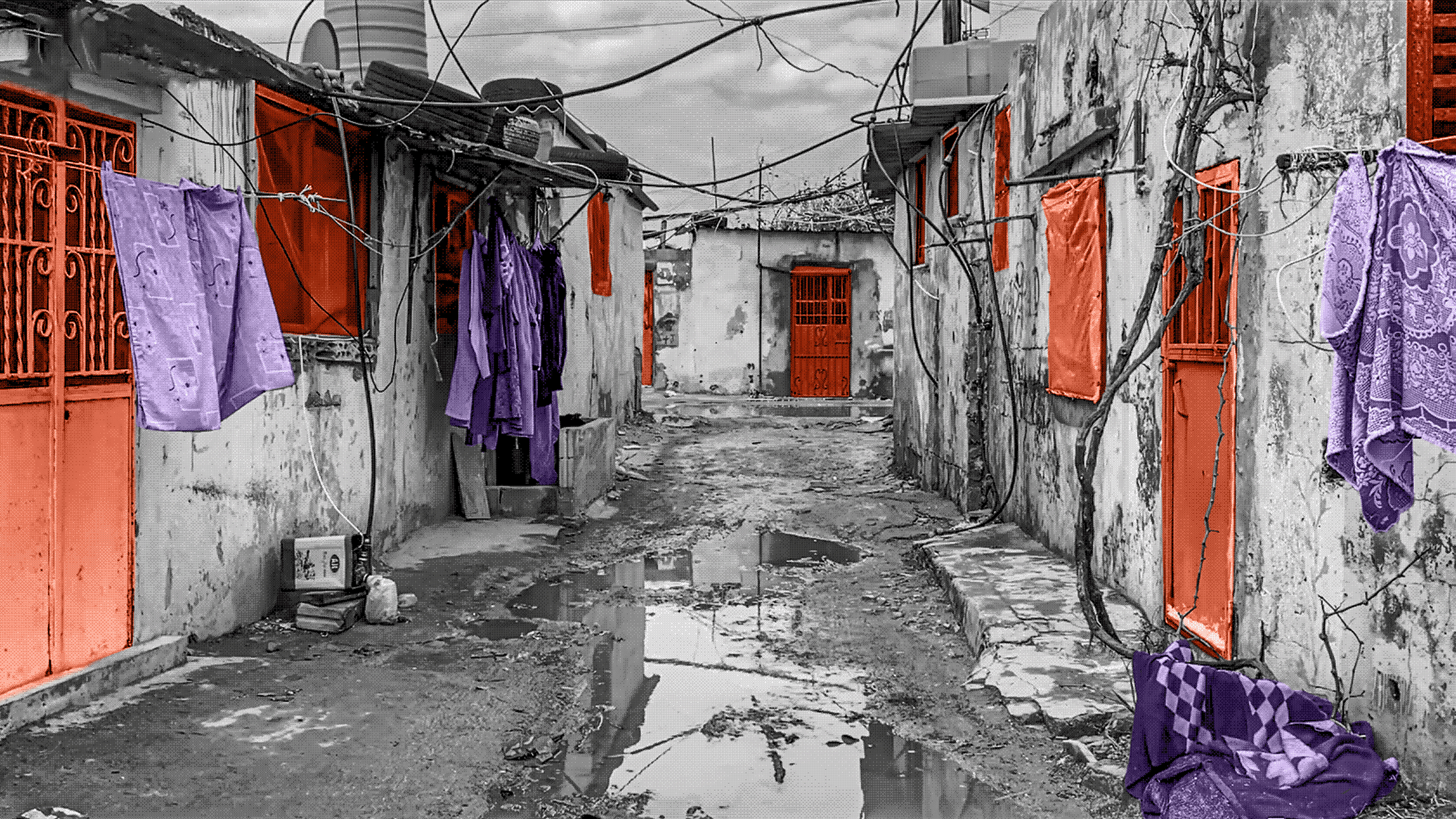
This article looks at Hayy el Tanak in Tripoli, not as an example or proof of randomness or disorganization, but rather as a question about the meaning of a neighborhood; for the neighborhood is not a product of chance or an architectural sin. It is, in fact, a testament to the architecture of exclusion.

Tripoli or the city that falls apart piece by piece

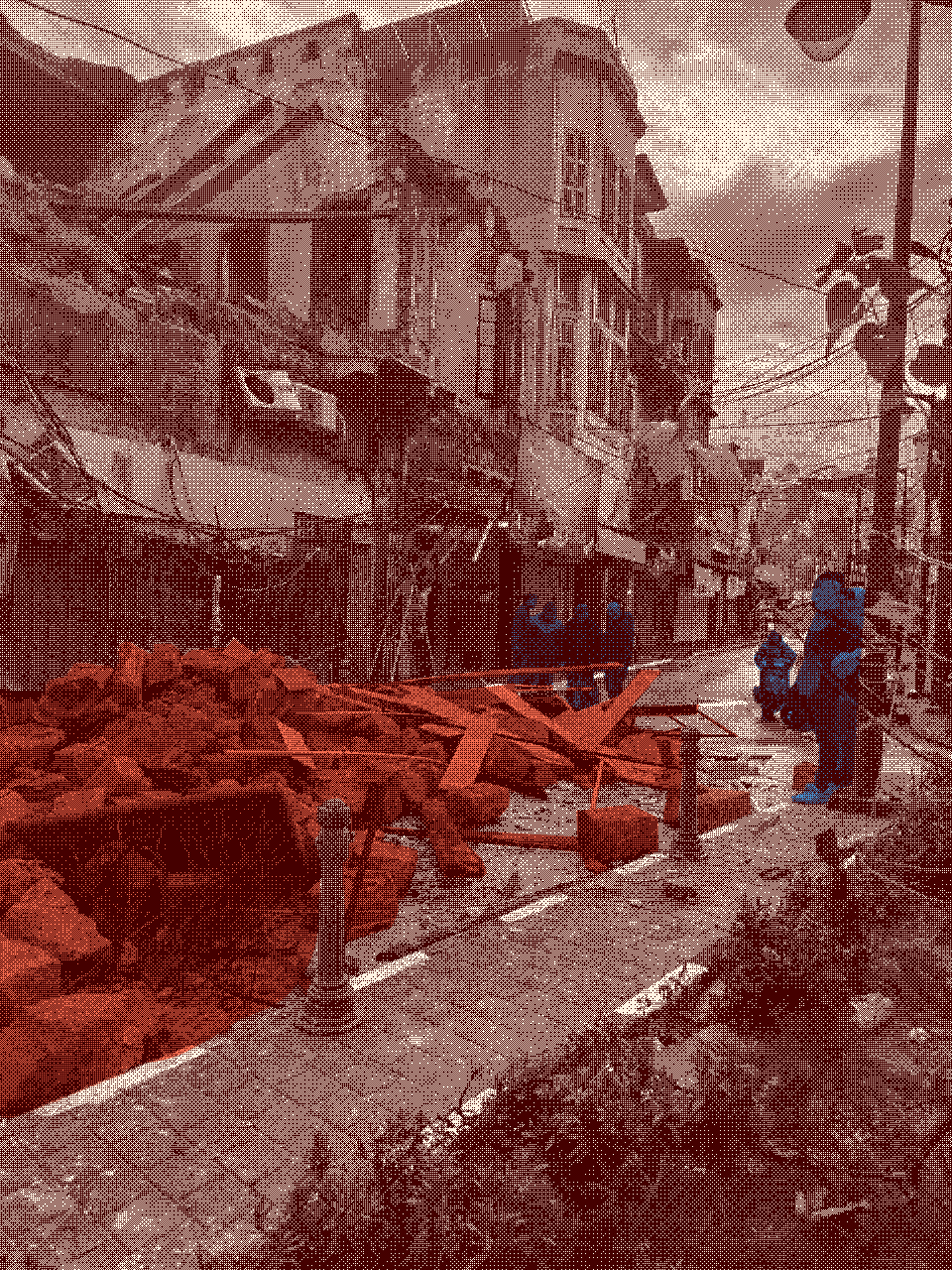
Buildings are falling apart in Tripoli, not haphazardly, but as a logical result to the city’s policies vis-a-vis old buildings. This article presents PW’s analysis of the underlying reasons, and proposes steps for a better and fairer management of the situation.

The camp’s extension in Lebanon between the barriers of security and law: The story of Nahr al-Bared

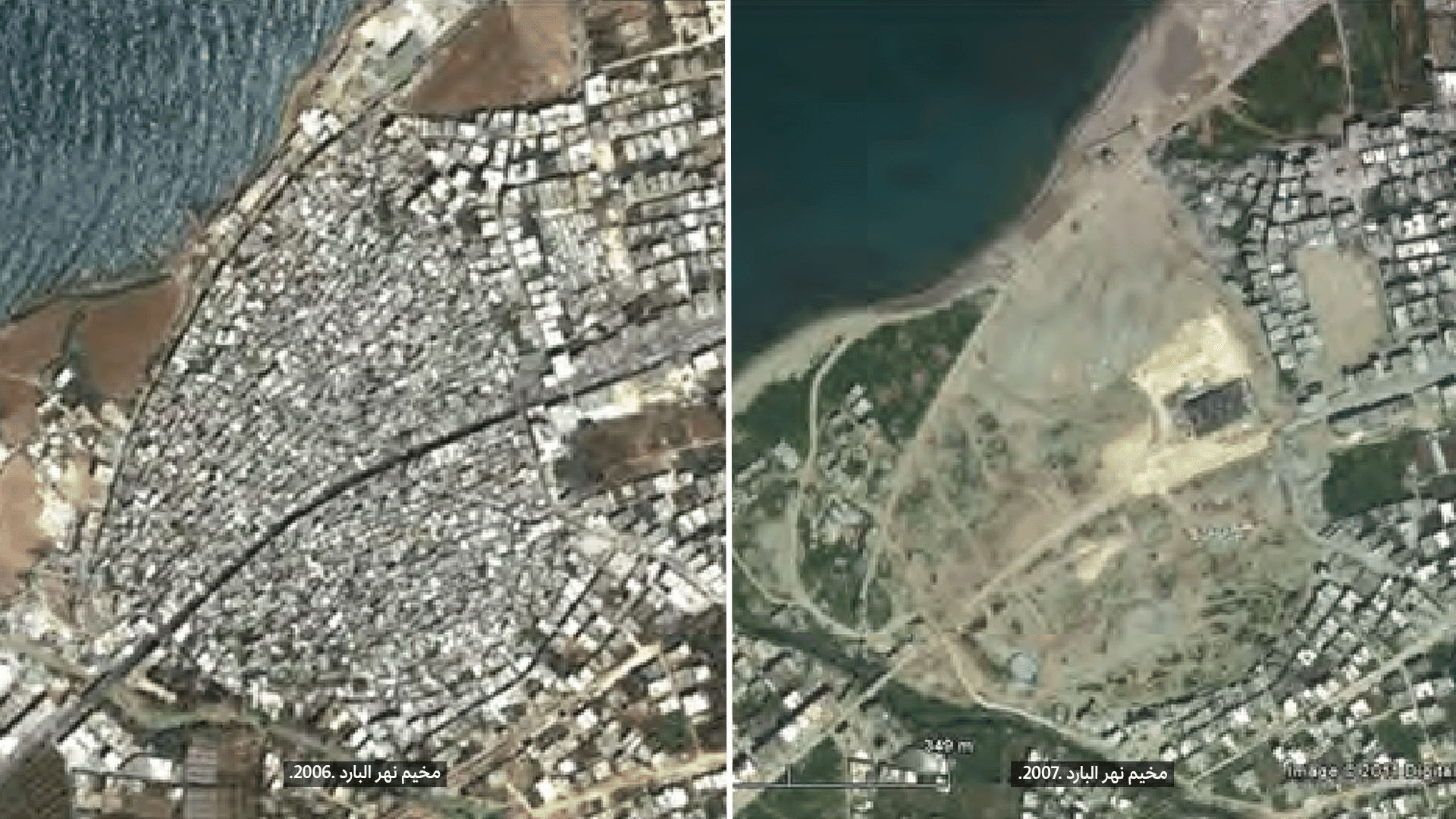
The story of the destruction and reconstruction of Nahr al-Bared camp offers insights into the current state of Palestinian camps and settlements in Lebanon. This study demonstrates that the approach adopted by official Lebanese politics in Nahr al-Bared, will likely lead to the emergence of a new approach to dealing with Palestinian camps and settlements in Lebanon, one that relies on security measures reinforced by discriminatory laws.

Tripoli Under Threat: Report on the Degradation of the Built Environment and a review of Mobilizing efforts towards Housing Rights

This report investigates the systemic deterioration of buildings in Tripoli, Lebanon, tracing how historical neglect, failed state policies, and the lived experiences of residents converge to fuel an escalating housing crisis. It offers a grounded overview of the community’s movement, organizational efforts, and resilience in the face of the destruction of their housing rights.

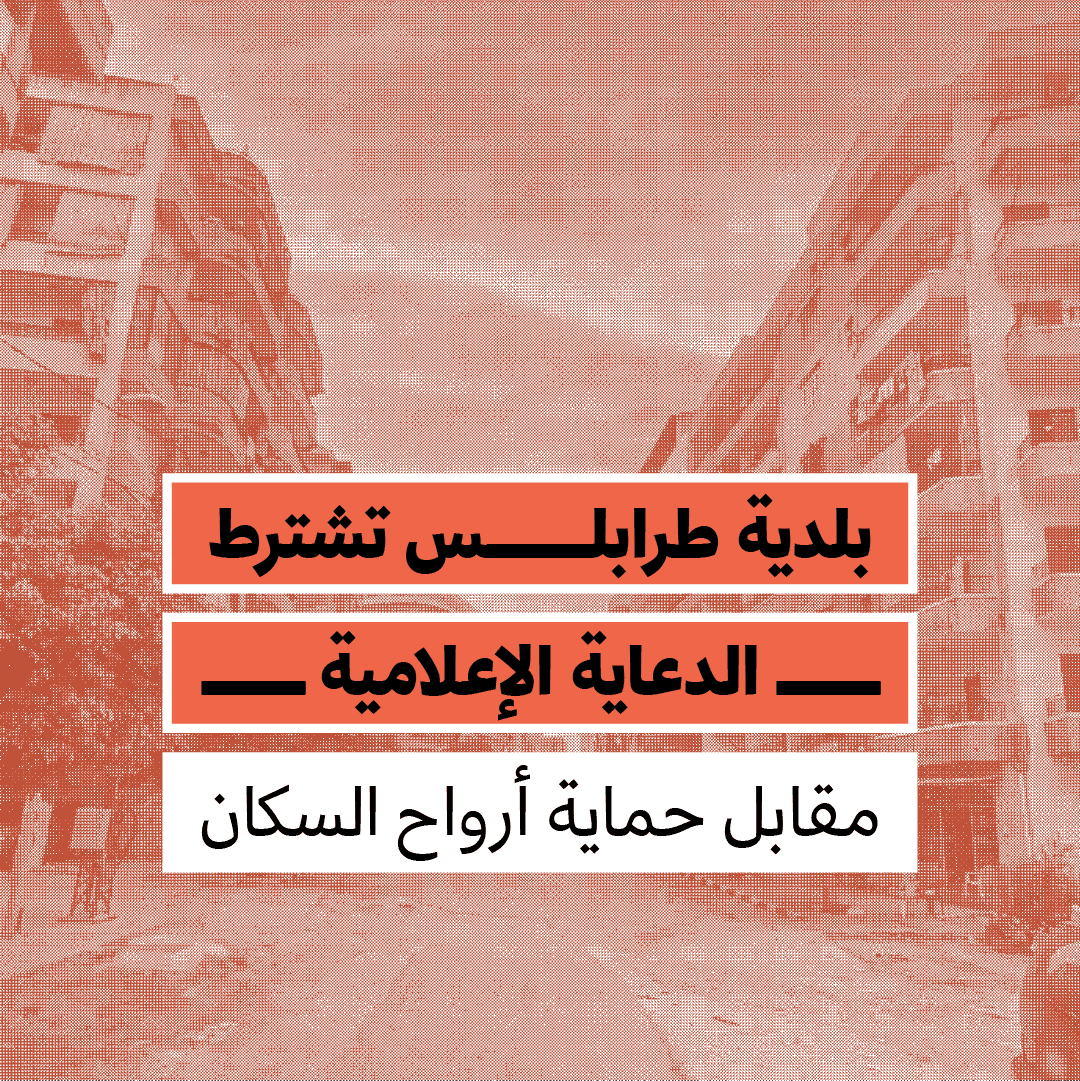
Tripoli’s Municipality Demands Media Publicity in Exchange of Protecting Residents Lives

In Tripoli’s Qobbeh neighborhood, a dangerously deteriorating residential building housing 21 families faces the risk of collapse. Despite urgent warnings, the municipality has failed to intervene, stating that action will only be taken if the case becomes a matter of public concern and. gains public and media attention.

Uncovering the Informal Blueprint of cities in Lebanon

Tripoli | Beirut | Saida | Tyre

The map and article is not yet translated, refer to the Arabic version here.

 “100 dollars for rent or else…” The Khan Al-Askar project is outside the municipality’s accounts in terms of services, but it is present in the rent collection ledger

تهدد بلدية طرابلس بطرد سكان مشروع «إسكان قاطني وشاغلي خان العسكر»، في حالة عدم تمكنهم من دفع إيجار بقيمة 100 دولاراً، ممّا يعرّض للخطر حقّ السكن ل230 شخصاً يعيشون في مشروع الإسكان الشعبي.

May school in Tripoli: A Model of the Syrian Housing Tragedy during War

The emergency plan approved by the Lebanese government in response to the recent Israeli war on Lebanon excluded non-Lebanese displaced persons, especially Syrian refugees, from relief and shelter centers. In this report, we review the situation in May Public School in Tripoli as an example of the tragedy of Syrian housing in the war to highlight the urgent need for comprehensive shelter policies and protection for all displaced communities.

Kousba and the Beast:

The story of a municipality forcefully evicting Syrian refugees and preventing the Lebanese residents from protecting them

This narrative features Nermine, a 70 y.o lebanese woman, as she struggles to defend her tenants of 13 years, Fadi his wife and their child, from the municipality’s attempts to forcibly evict them …