Construction

Tripoli or the city that falls apart piece by piece

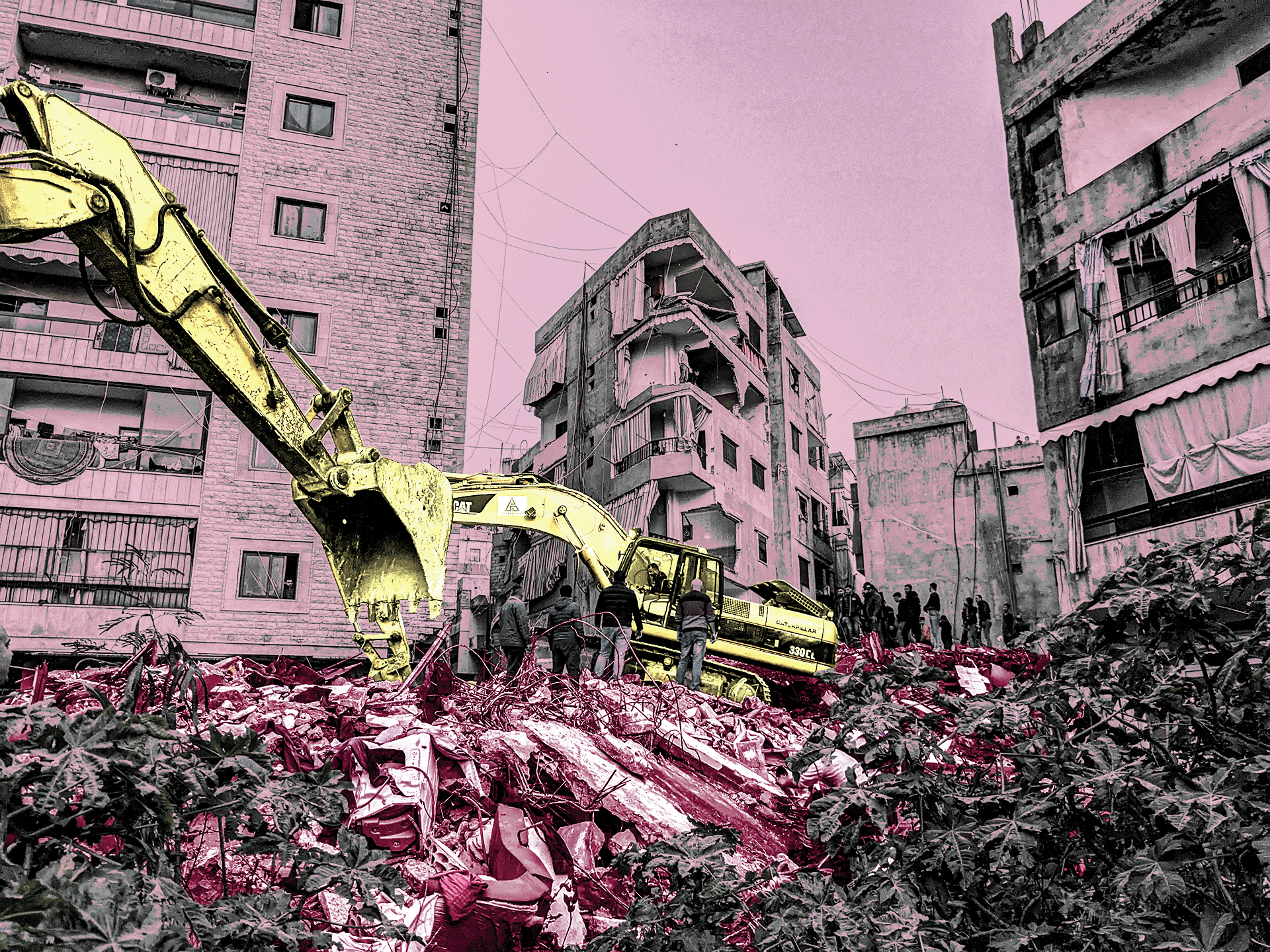
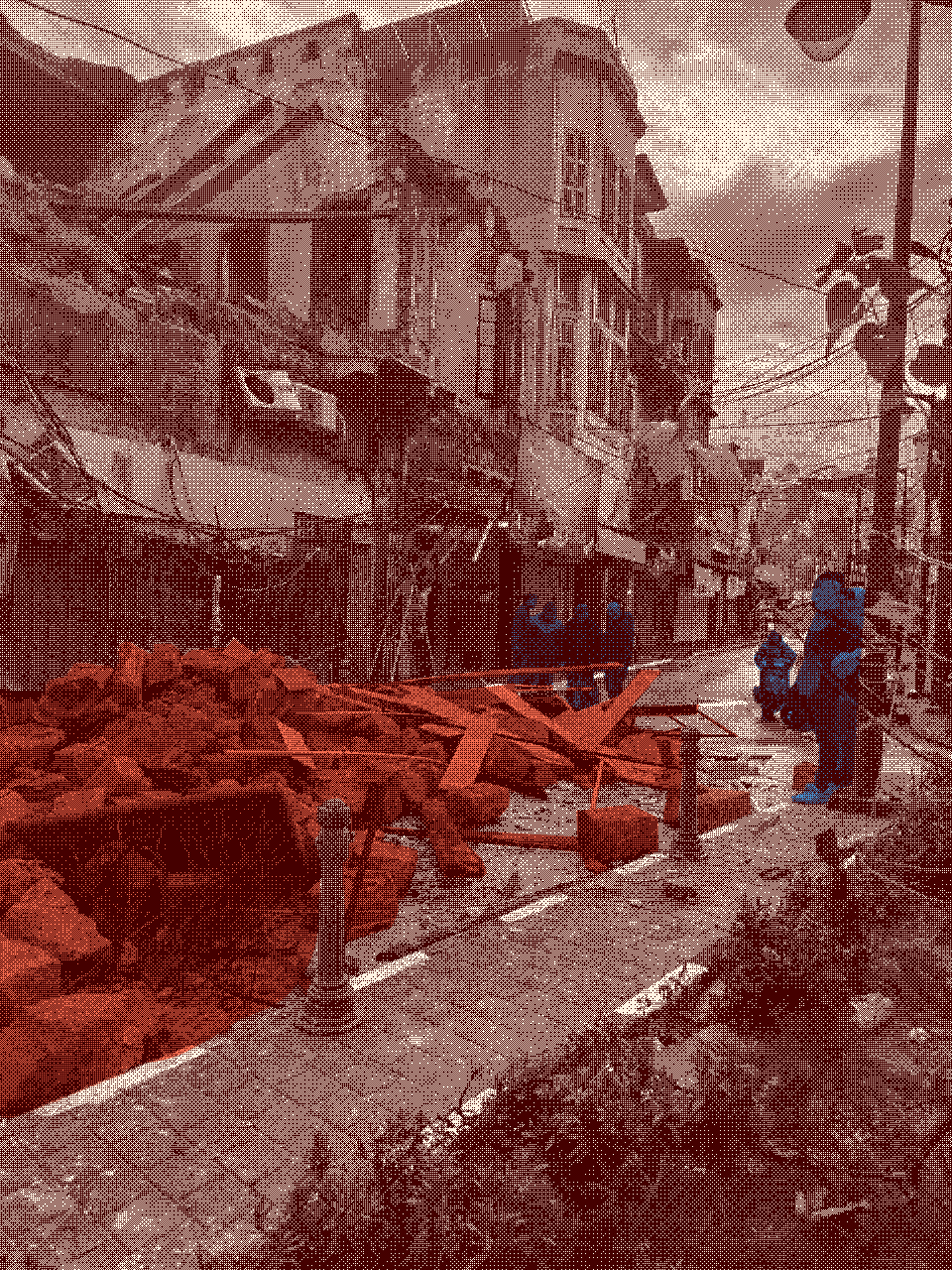
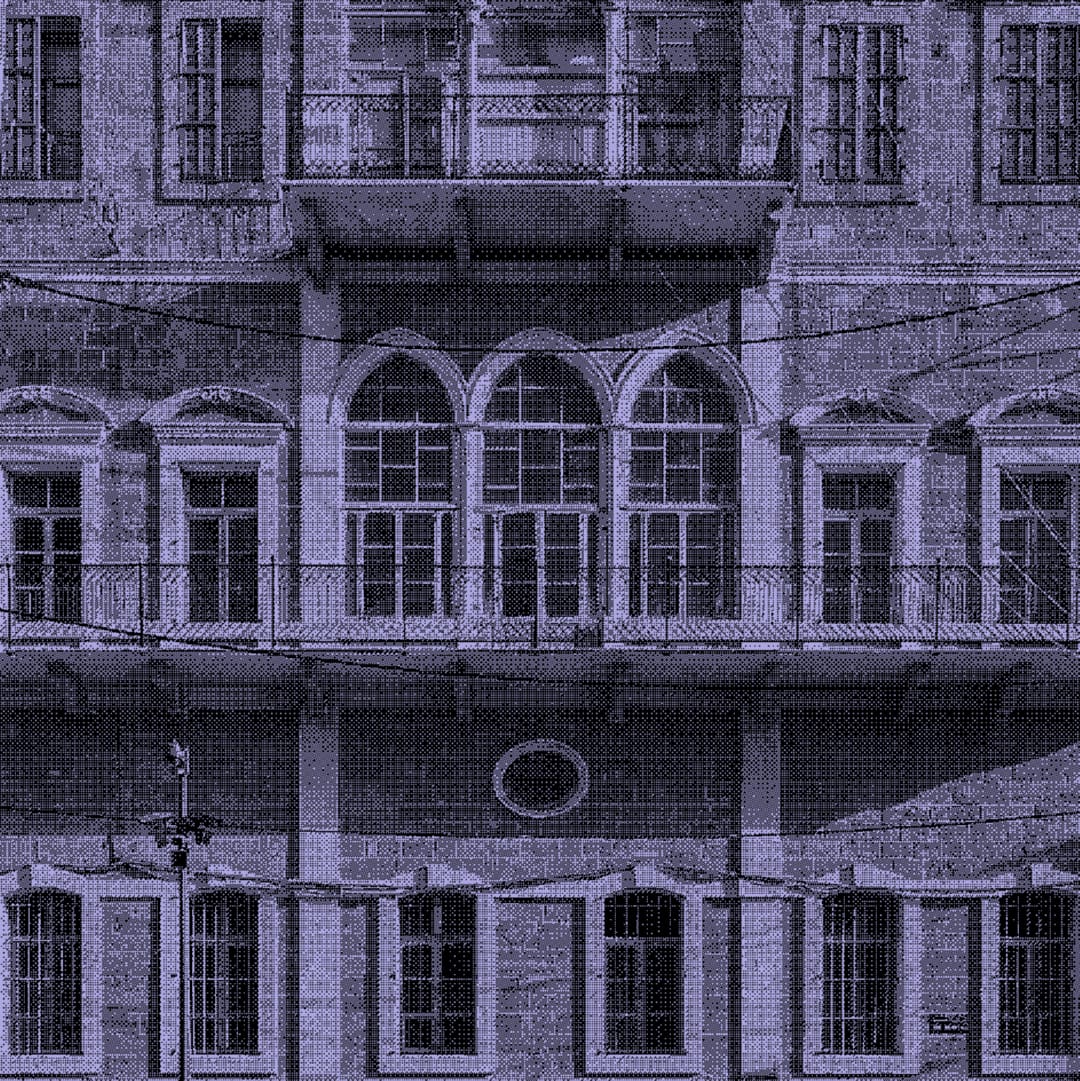
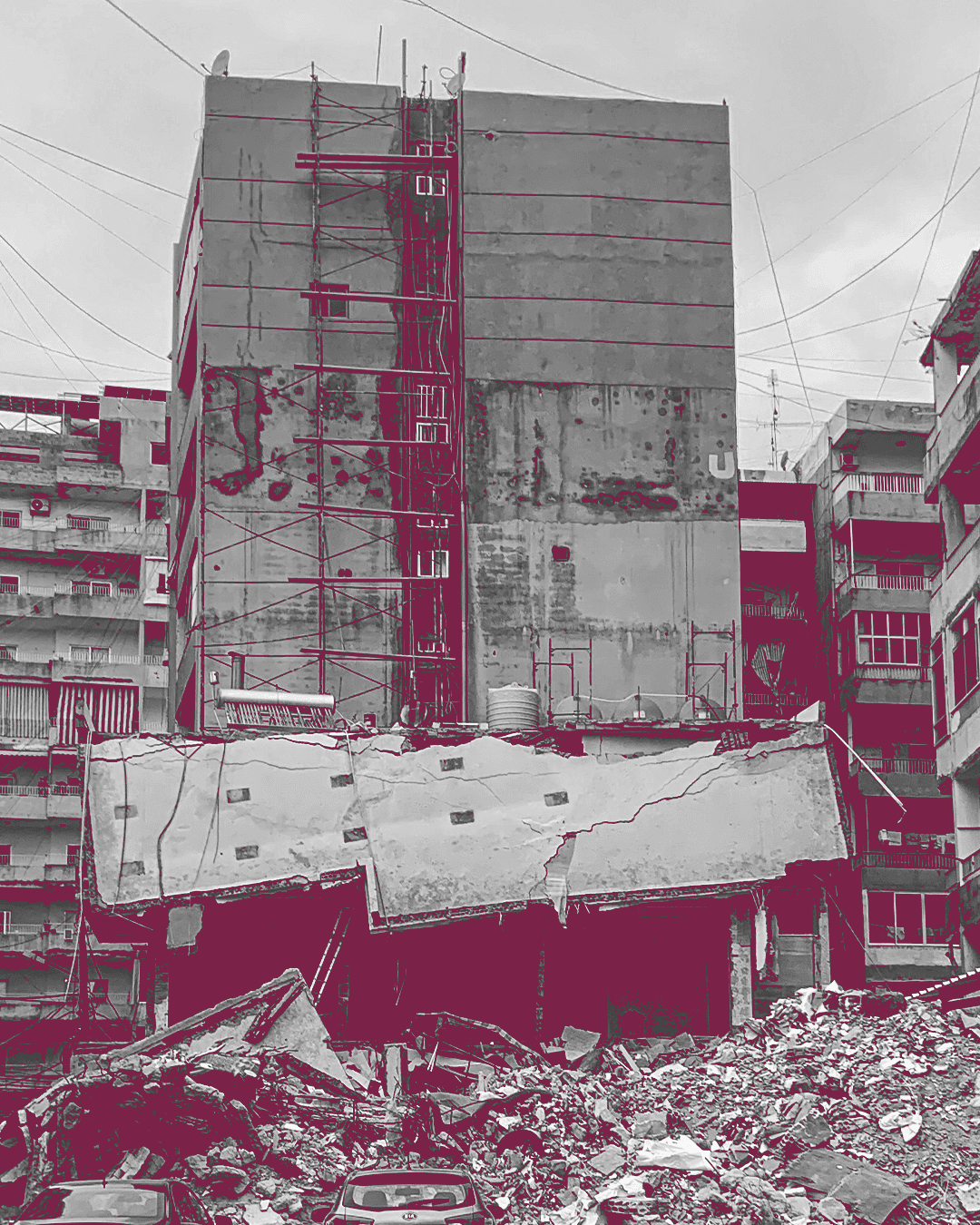
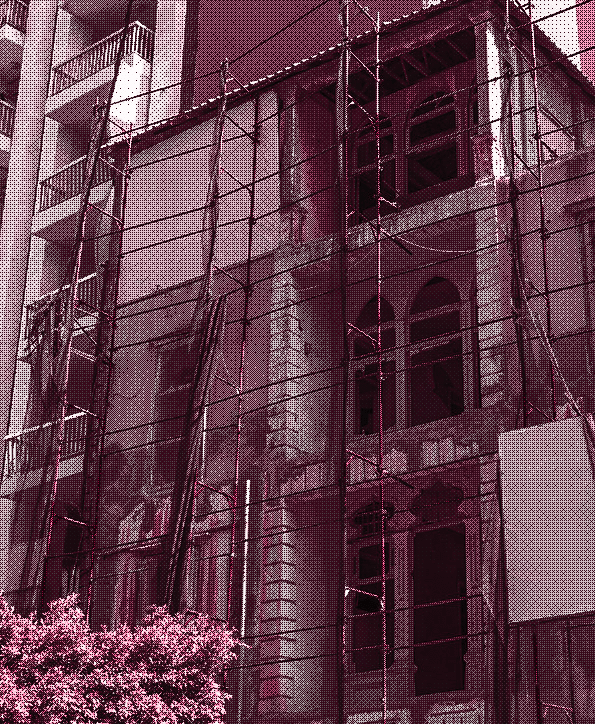
Buildings are falling apart in Tripoli, not haphazardly, but as a logical result to the city’s policies vis-a-vis old buildings. This article presents PW’s analysis of the underlying reasons, and proposes steps for a better and fairer management of the situation.

Green light to destroy Beirut’s theater:

The Ministry of Culture removes protection under pressure from the Shoura Council and the owner's threats

The Ministry of Culture delisted lot number 243 in the Ain Mreisseh district (Beirut) from the general inventory list of historical buildings is a striking decision. This contradiction raises questions about the motives behind the decision, specifically that the lot includes Beirut Theater.
In this article, we review the details of the property and previous attempts to protect it, revealing an alarming threat on the theater and the adjacent buildings.

Tripoli Under Threat: Report on the Degradation of the Built Environment and a review of Mobilizing efforts towards Housing Rights

This report investigates the systemic deterioration of buildings in Tripoli, Lebanon, tracing how historical neglect, failed state policies, and the lived experiences of residents converge to fuel an escalating housing crisis. It offers a grounded overview of the community’s movement, organizational efforts, and resilience in the face of the destruction of their housing rights.

The Exemptions and Reconstruction Law: Not an Alternative to a Comprehensive National Plan

More than seven months after the ceasefire in Lebanon, on June 30, 2025, the Parliament passed the first law related to reconstruction in response to the Israeli war on Lebanon. Ultimately, the law is a limited step forward, highlighting the urgent need for a comprehensive national recovery plan for reconstruction.

Periodic Renewal of New Occupancy Permits: Overlooking the Deterioration of the Existing Urban Fabric

The draft law to set the newly issued occupancy permit duration at ten years—renewable every five years to ensure the structural integrity of buildings and maintain public safety—while seemingly well-intentioned, overlooks the immediate danger posed by thousands of aging and structurally unsound structures and the effects of urban decay, and offers a narrow and insufficient response to Lebanon’s broader urban crisis.

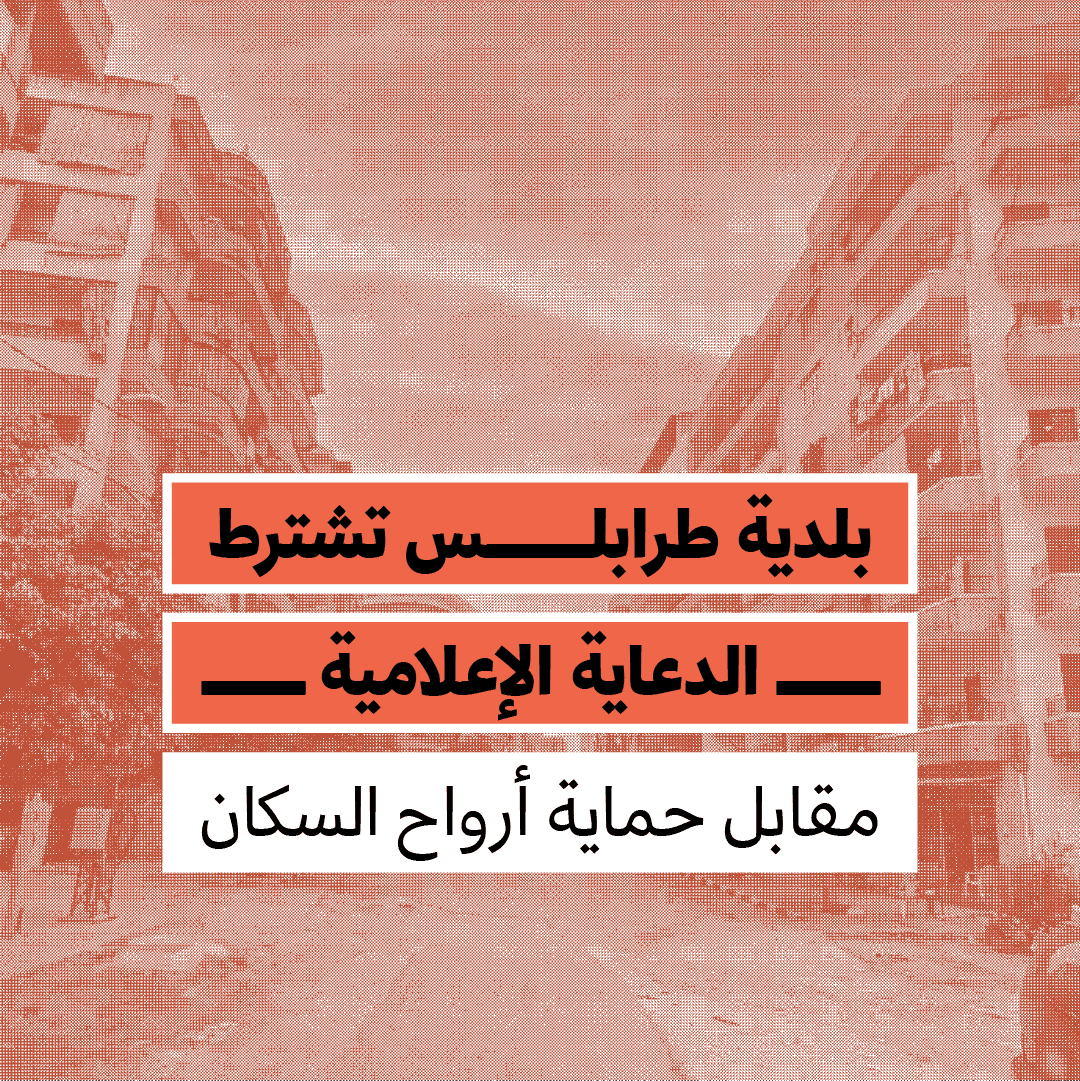
Tripoli’s Municipality Demands Media Publicity in Exchange of Protecting Residents Lives

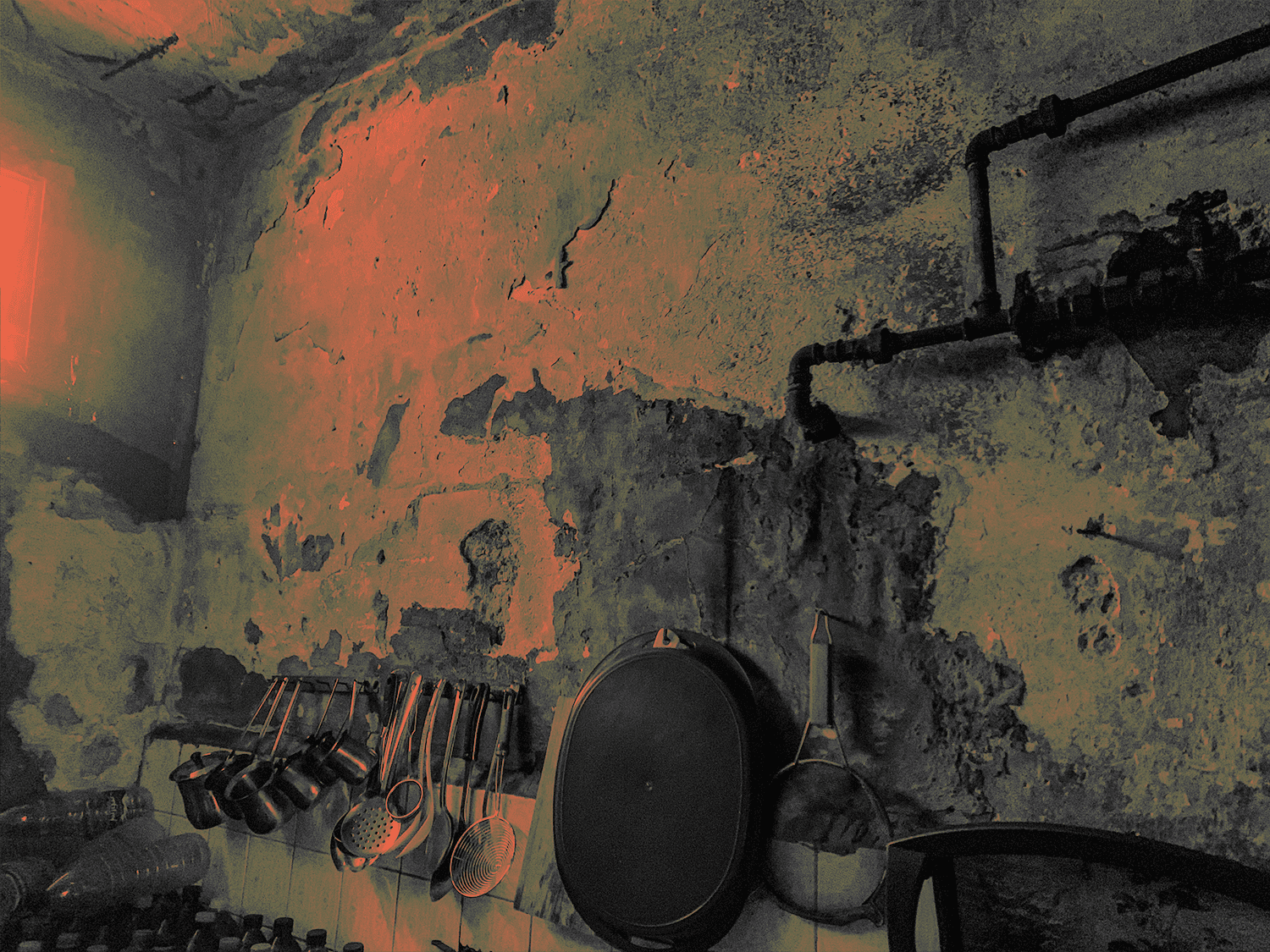
In Tripoli’s Qobbeh neighborhood, a dangerously deteriorating residential building housing 21 families faces the risk of collapse. Despite urgent warnings, the municipality has failed to intervene, stating that action will only be taken if the case becomes a matter of public concern and. gains public and media attention.

 The Reconstruction Process Between the Law, Ownership status, and people’s Return 

Four months after the ceasefire, Internal Security Forces halted reconstruction in several border villages due to permit requirements, raising concerns about the future of destroyed homes—whether licensed, unlicensed, or built on public property. Given the political significance of reconstruction in these areas, the state must facilitate and organize the reconstruction process in a way that protects people’s right to housing, meets their needs, and respects the urban identity of the regions, within the framework of resisting occupation.

 The Reconstruction Draft Law repeats the Mistakes of the past:

Reviving destroyed villages can’t happen only through buildings

After a ceasefire was implemented in Lebanon on November 27, the Lebanese government held a special session on December 7 in the southern city of Tyre and approved a draft law for rebuilding homes destroyed by Israeli attacks, as they were before. Regardless of its immediate issues in terms of content, it appears that the proposed law does not address the previous or emerging challenges we are facing and risks repeating the mistakes of past failed reconstruction experiences.

 In Bir Hassan, Eviction After Displacement, Under the Pressure of Real Estate Development, and the Pretext of Protecting the Safety of Residents

After a long history of threatening families displaced by the Lebanese Civil War with eviction from a residential building in Bir Hassan under the pretext of being “illegal occupants,” and following failed negotiations, …

Master-Planning in Lebanon: Manufacturing Landscapes of Inequality

How is urban planning practiced in Lebanon? What is the motive behind issuing master plans? And in what way do these plans violate fundamental rights? We tried during the years 2017 and 2018 …

Planning Dibbiyeh:

Between Private Interests and Public Apprehensions

Dibbiyeh is located 30 kilometers south of Beirut and is the coastal gateway to Iqlim al-Kharroub in Chouf. It consists of the old village, located at the heights of the towns, and a …

Where is the sea in Dbayeh? I can’t see it.

In this article, published for the first time as part of Public Works Studio’s “Planning in Lebanon: Manufacturing Landscapes of Inequality” project (2017-2018), we delve into the history of land reclamation and privatization …