Investigation

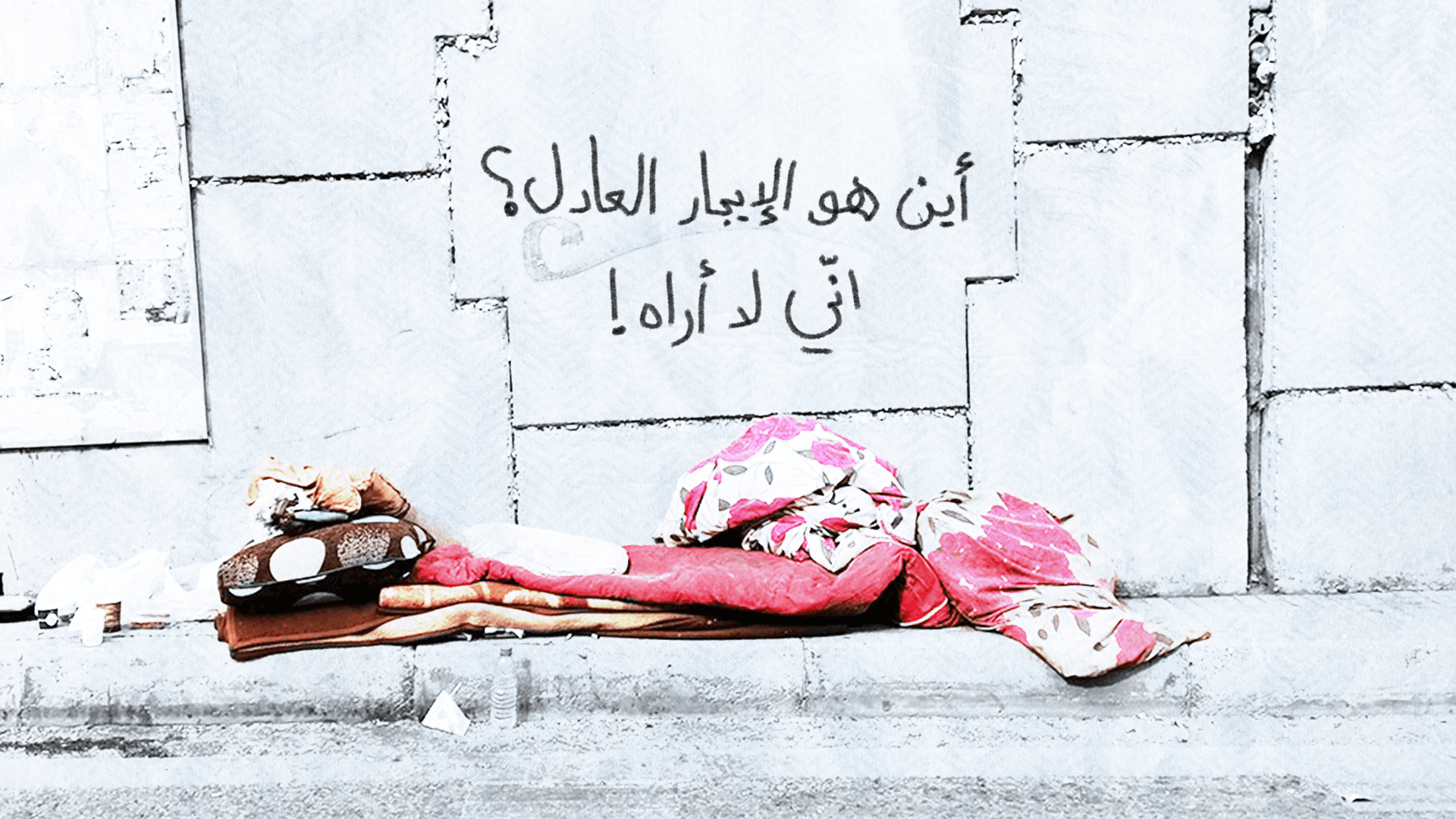
Where is the Fund? On old tenants’ struggles with applications to the rent support fund

Field documentation reveals how misinformation and discretionary practices in public administrations have blocked old tenants from applying to the rent support fund and protecting their housing rights.

Removing encroachments from the Litani riverbed:

Water protection is a priority, but who protects the housing rights of the refugees?

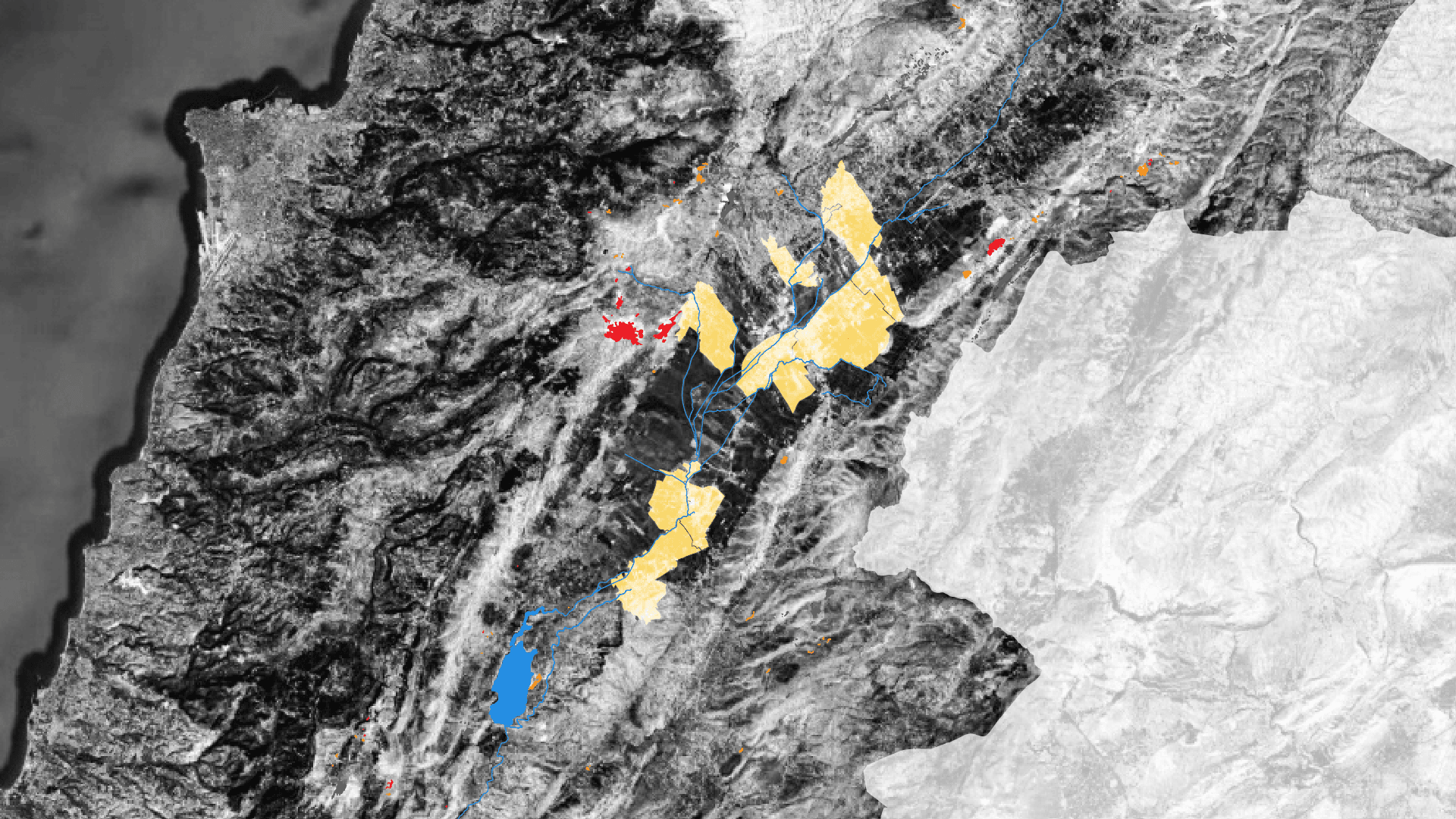
The text reviews the Litani River Authority’s removal of what it classifies as “encroachments” along the river and the resulting pressures on Syrian displaced communities in the Beqaa. It highlights the tension between protecting water resources and safeguarding the housing rights of vulnerable groups.

The State’s Limited Role in Reconstruction and Its Submission to the Discourse of Inaction

Despite the government’s repeated rhetoric about its commitment to reconstruction and recovery, and the emergence of what appears to be a comprehensive plan, its efforts remain delayed, limited, and fragmented. They rely almost entirely on external loans and grants amid weak local financing, reflecting the absence of an effective, long-term national vision and a surrender to the discourse of state incapacity.

Housing Challenges in the Post-War Period: What Is Happening?

The recent war exposed Lebanon’s fragile housing sector, creating urgent challenges like soaring rents, lack of temporary housing, and forced displacement of vulnerable groups. Without clear policies and inclusive strategies, reconstruction risks deepening inequalities and undermining the right to secure, dignified housing.

At the Expense of Tyre and Its Environment: The Army’s Investment Project Raises Questions around Exemption, Influence, and Justice

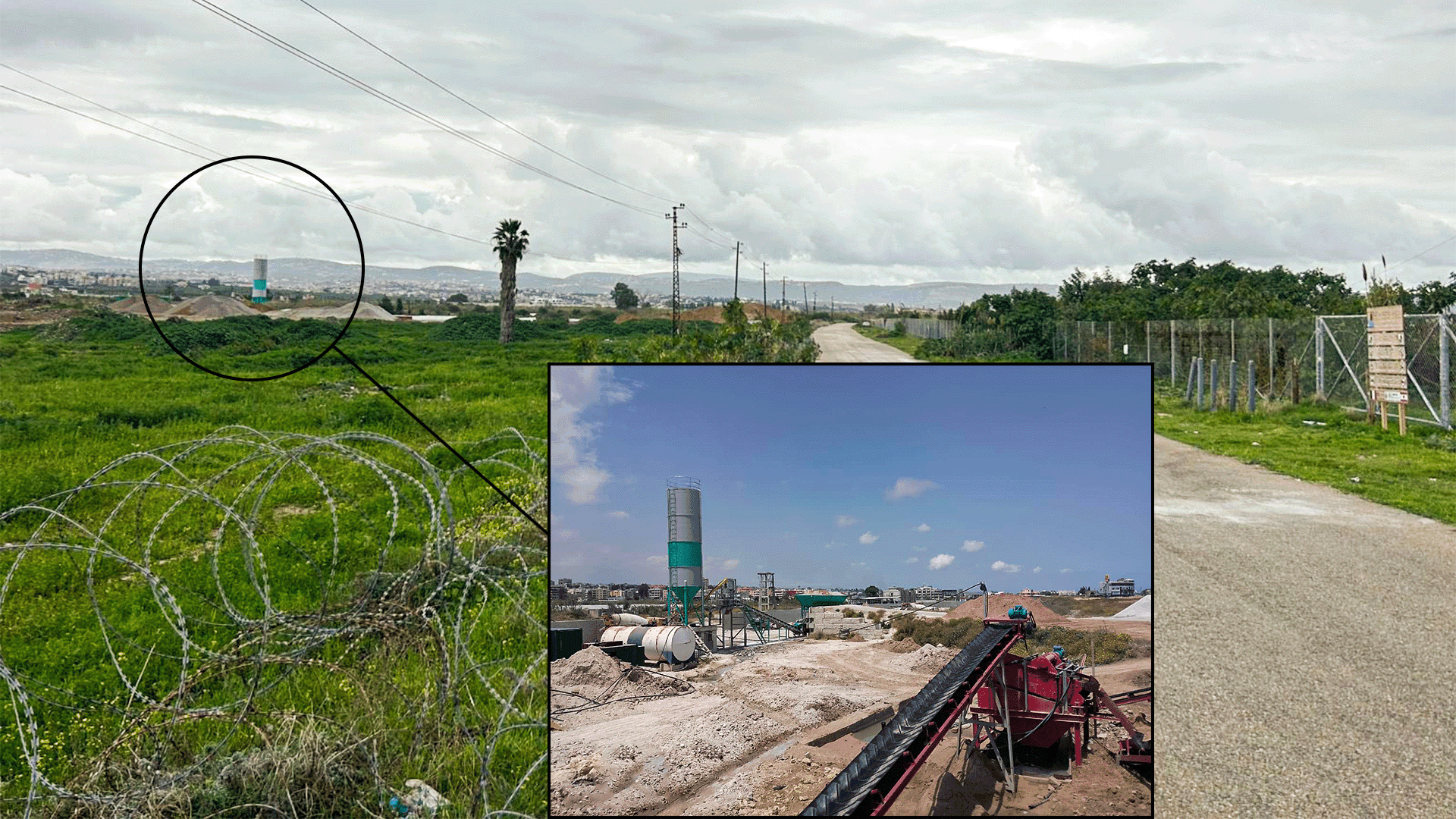
فيما تعمل مدينة صور جاهدةً على التعافي من الحرب وإعادة الإعمار، يقوم متعهد نافذ بتنفيذ مشروع استثماري لصالح وزارة الدفاع – وهو عبارة عن نادٍ للضباط ومجمّع تجاري – على أراضٍ مملوكة للدولة ومحاذية لمحمية صور الطبيعية. يثير هذا المشروع اعتراضات واسعة النطاق وتحديات قانونية بسبب توقيته وموقعه وتأثيراته البيئية المحتملة.

Who’s Beirut?

On the Necessity of a Unified Conception of the City that Goes Beyond its Municipal Borders

Over the course of more than a century, Beirut has witnessed a radical transformation and tremendous urban and population growth intertwined with major historical events. Aerial maps show this expansion, but also they raise a basic question: Who is Beirut today, with its urban complexities and interactions?

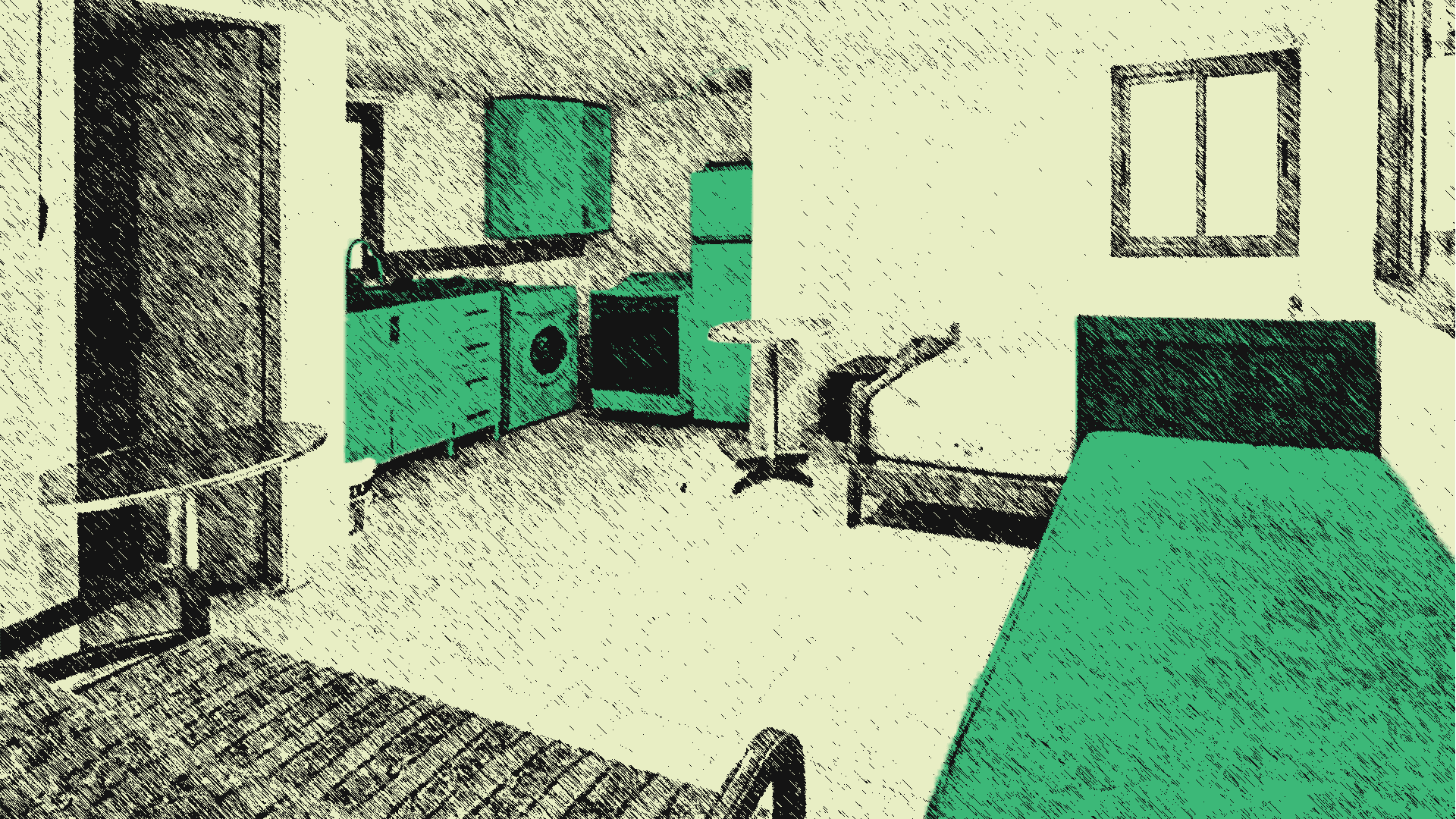
Who moved the kitchen to the bedroom?

Today, the use of kitchenettes in low income housing and student accommodation in Beirut, raises a question as to whether this is a victory for housing rights, or a way to jeopardize the tenant’s comfort and raise the profits of landlords.

How Sound Builds New Walls: Warscapes and the Safe City Map

The damage of the war was not limited to the residents of the targeted areas; its brutality extended to most of the Lebanese territories. The echoes of these attacks reached areas far from the bombing, as a result of the violation of the Lebanese skies by hostile Israeli warplanes and drones. This text is an attempt to explore sound as a war tool, used by the Israeli killing machine to support its war against us.

Rent in times of Displacement: Draining people’s savings

Based on the current state of the rental market and an analysis of a sample of rental units, we question the possibility of completely abolishing rent at this stage, so that the displaced, who have lost their homes, livelihoods, and jobs due to the war, are not forced to exhaust their remaining savings to pay rent, but rather the state takes its responsibility to provide them with free shelter.

 About Abd el Baqi building in Hamra:

squatting to reclaim the city’s social role

The right to the city is an application of the right to ​​access housing and city spaces, through the recognition of the importance of the space’s social role. Today, a number of displaced people are trying to apply the concepts of the right to the city and housing by taking possession of an abandoned building in Hamra. About a month ago, the owner of the building sent an eviction request to the public prosecutor. The eviction didn’t take place, but by narrating the threat and the building’s story, we hope to open a discussion about squatting, the priorities that drive such an issue, and the balance of power it reveals, especially since squatting has become a necessity and a reality during the war.

May school in Tripoli: A Model of the Syrian Housing Tragedy during War

The emergency plan approved by the Lebanese government in response to the recent Israeli war on Lebanon excluded non-Lebanese displaced persons, especially Syrian refugees, from relief and shelter centers. In this report, we review the situation in May Public School in Tripoli as an example of the tragedy of Syrian housing in the war to highlight the urgent need for comprehensive shelter policies and protection for all displaced communities.

Eviction in the war: Protecting Private Property, the Case of Hildon Hotel

Once again, we document the story of an abandoned building, the “Hildon Hotel” in Raouche, where around 600 displaced people, fleeing the Israeli war, sought refuge. Though the hotel owner’s son initially allowed them to stay, he later demanded their eviction, forcing them to leave without alternative housing. This case highlights the urgent need for government intervention, calling for the use of vacant properties as temporary housing and ensuring evictions follow legal procedures with suitable alternatives provided.