Policy Watch

The Government Legalizes Violations and Complicity in Environmental and Housing Damage:

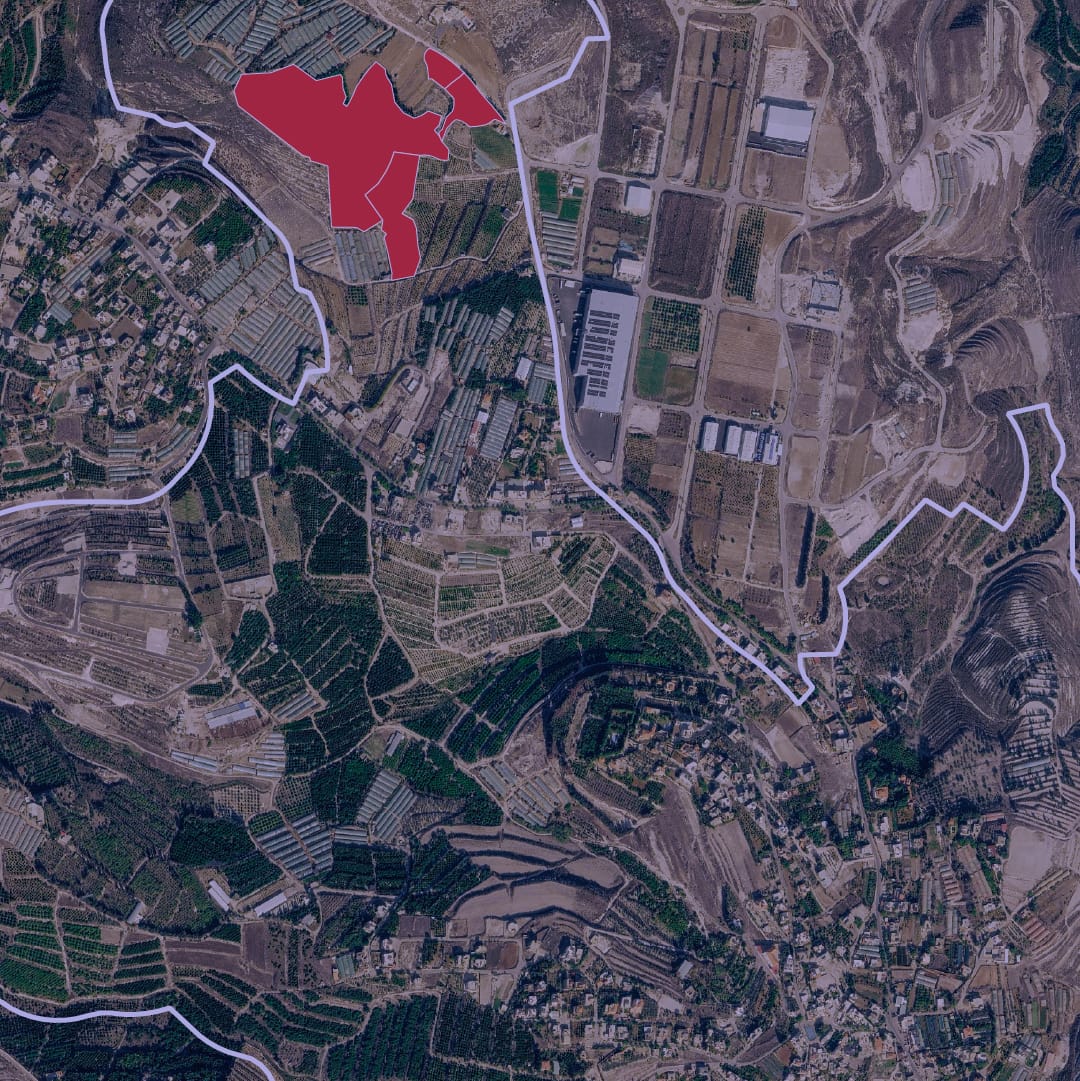
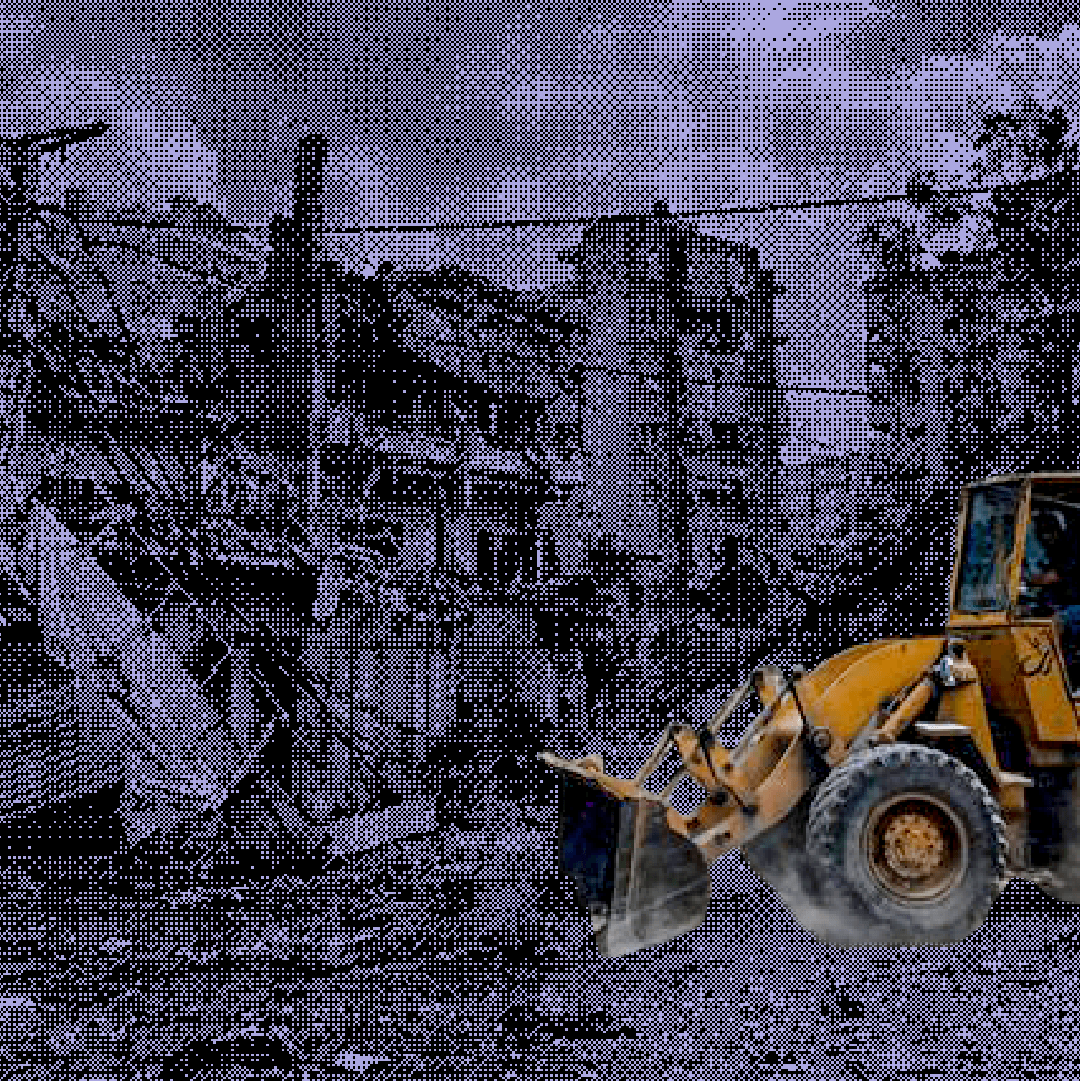
The Issued Decree Authorizes Industrial Expansion in Kfour, Despite Pending Court Challenges

The government has legalized a harmful industrial expansion in Kfour, neglecting environmental and health threats and ongoing legal objections. Residents and civil society are calling on the government to withdraw Decree 1962 before more damage is done to their health, homes, and land.

Green light to destroy Beirut’s theater:

The Ministry of Culture removes protection under pressure from the Shoura Council and the owner's threats

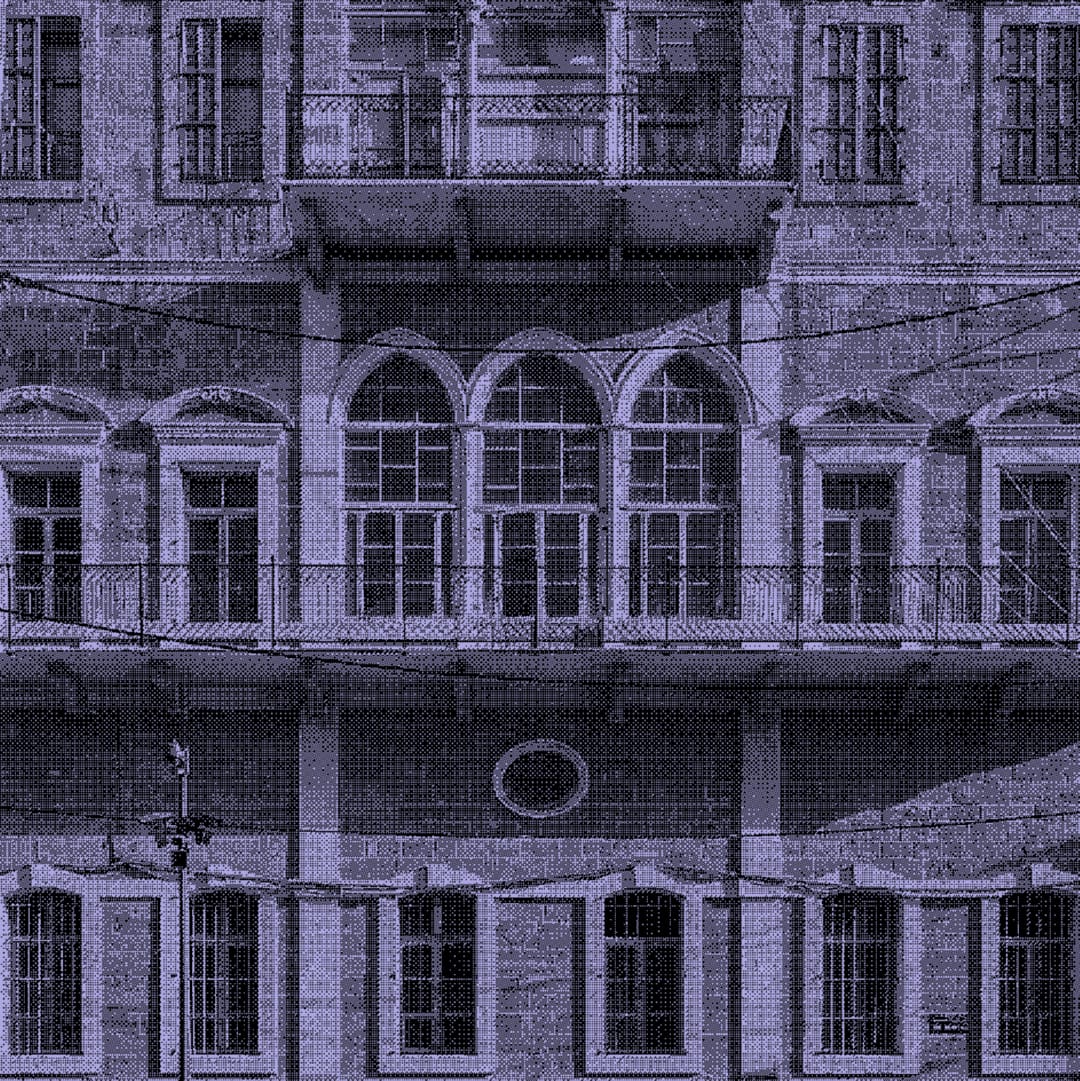
The Ministry of Culture delisted lot number 243 in the Ain Mreisseh district (Beirut) from the general inventory list of historical buildings is a striking decision. This contradiction raises questions about the motives behind the decision, specifically that the lot includes Beirut Theater.
In this article, we review the details of the property and previous attempts to protect it, revealing an alarming threat on the theater and the adjacent buildings.

The Ministry of Culture classifies buildings on the inventory list:

Preserving the urban heritage requires additional steps.

In a surprising step compared to previous years, which did not witness similar activity, the Ministry of Culture classified a number of buildings on the General Inventory of Historic Buildings. We offer an understanding of what is needed in terms of effective practical steps to preserve Lebanon’s urban spatial heritage.

MP Kassem Hashem proposes an amendment to the Reconstruction Law integrating the inclusion of persons with disabilities:

A positive step in need of follow-up and completion.

Following the Lebanese Union of People with Disabilities’ campaign, MP Kassem Hashem submitted a proposal to amend law No. 22 to integrate the rights of people with disabilities.
Currently, it is crucial to collectively lobby for the approval of this amendment as a first step towards establishing a comprehensive and just reconstruction process, through clear implementation mechanisms and continuous institutional follow-up.

An attack on the Seal cave in Amchit with the participation of the DGU

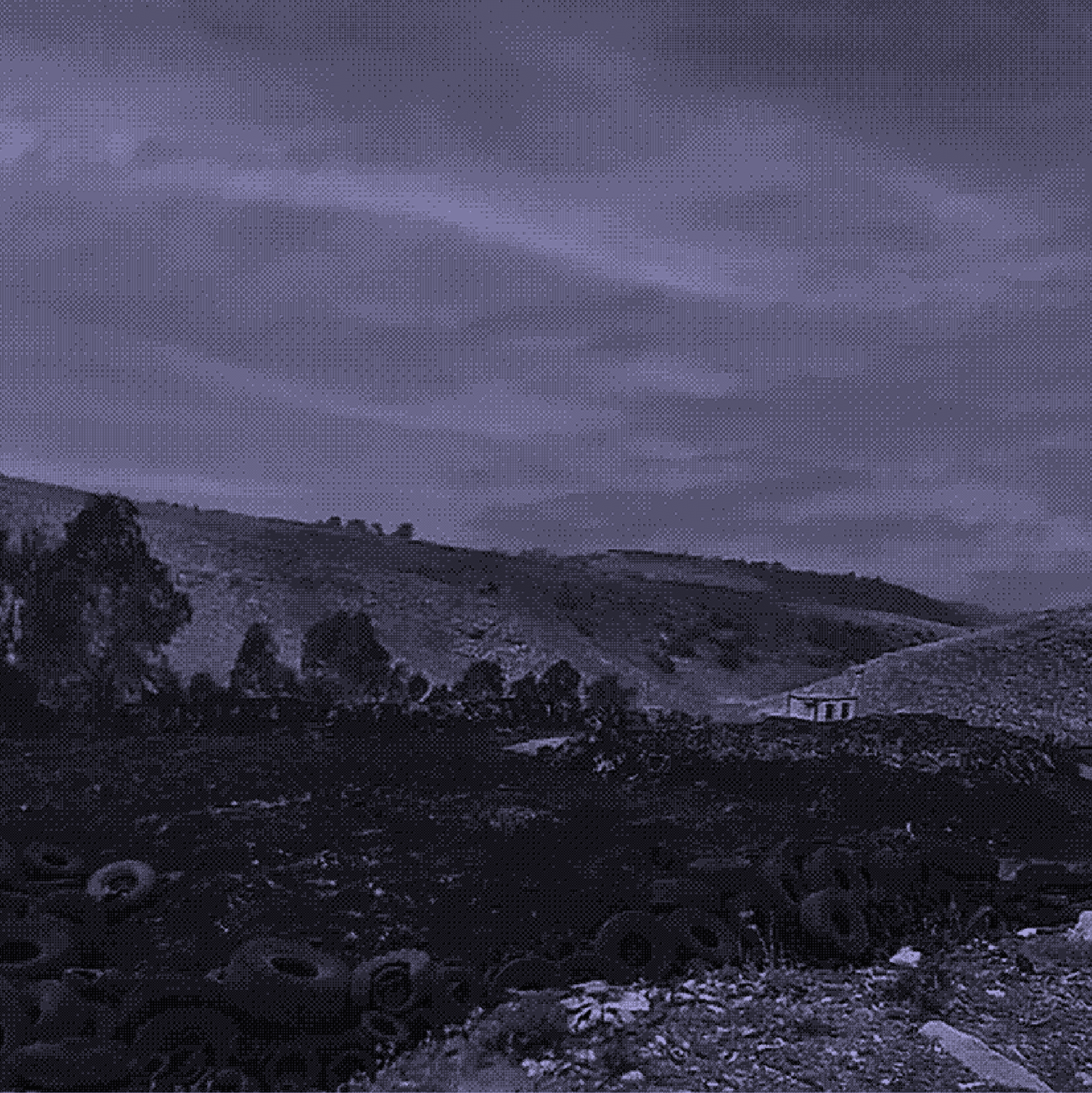
On the rocky shore of Amchit, the Seal Cave is currently under attack as a result of an unjustified and illegal decision by the Directorate General of Urban Planning (DGU) granting construction works …

 The Reconstruction Process Between the Law, Ownership status, and people’s Return 

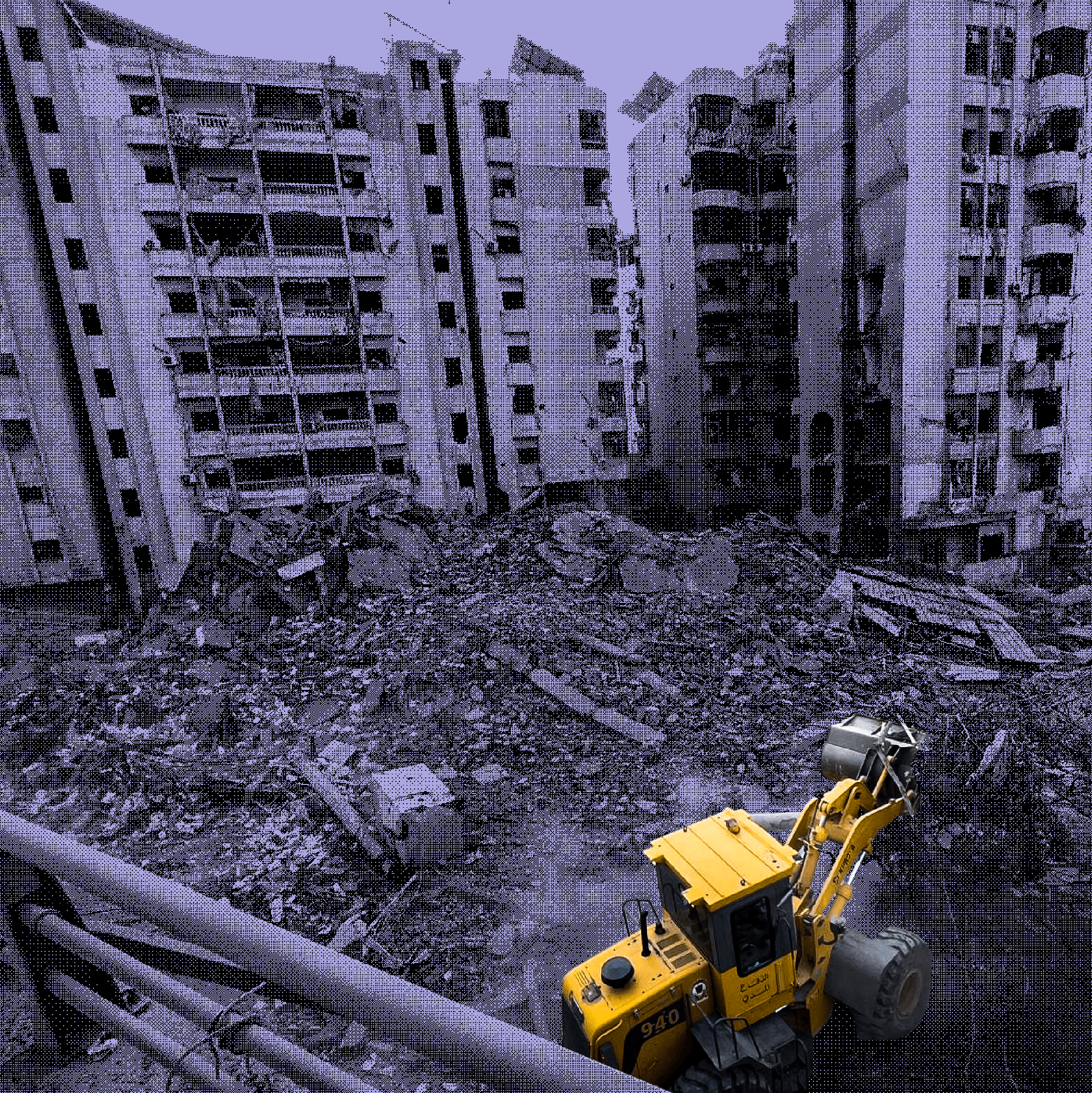
Four months after the ceasefire, Internal Security Forces halted reconstruction in several border villages due to permit requirements, raising concerns about the future of destroyed homes—whether licensed, unlicensed, or built on public property. Given the political significance of reconstruction in these areas, the state must facilitate and organize the reconstruction process in a way that protects people’s right to housing, meets their needs, and respects the urban identity of the regions, within the framework of resisting occupation.

Encroachment on Public Property in Al-Qleileh: Legitimizing Legal and Environmental Violations

Shortly before leaving office, the Mikati government approved Decree No. 14620, dated January 16, 2025, which grants a private company concession rights to 14,560 square meters of public maritime domain adjacent to property …

Evacuation and demolition of shops in Burj al-Barajneh: a struggle between Planning and Social Marginalization

In January 2025, the Burj al-Barajneh municipality, backed by the Lebanese army and security forces, evicted and demolished informal shops, sparking resident protests. While the municipality claimed it was reclaiming public land, its move suggests an attempt to control the area’s informal economy.

The website of the Directorate General of Urban Planning: An Incomplete Step Toward Transparency

On January 31, the website of the Directorate General of Urban Planning was launched, with the aim of enhancing transparency and facilitating access to information. While this is seen as a long-awaited move toward transparency and accountability, it is considered incomplete and does not absolve the Directorate of its core responsibilities.

Three Million Euros to Rehabilitate the Mar Mikhael Station:

An Opportunity to Utilize Vacant State Properties for Wartime Needs.

مع استمرار العدوان الإسرائيلي، يزداد النزوح في لبنان بشكل سريع، ممّا يؤدي إلى كثافة عالية في مراكز الإيواء الرسمية. العديد من النازحين مضطرون للبقاء في العراء أو في سياراتهم، بينما تبقى أملاك الدولة شاغرة. تشير بيانات وزارة المالية إلى وجود 1285 عقاراً ملك الدولة في بيروت، مما يوفر فرصة لإيواء النازحين إذا تم إدراجها في خطة الطوارئ. من بين هذه الأملاك، تعتبر محطة قطار مار مخايل موقعاً مناسباً، خصوصاً بعد تلقّي الحكومة مؤخراً هبة إيطالية بقيمة 3.15 مليون يورو لإعادة تأهيلها.

Displaced Syrians, between an emergency plan that excludes them and the UNHCR that ignores them

In Saida, 145 displaced Syrian families are living in a parking lot due to their exclusion from the relief response outlined in Lebanon’s emergency plan, which prioritizes Lebanese citizens. Both the municipality and the UNHCR are refusing to carry the responsibility for their shelter, with the UNHCR advising refugees to seek shelter elsewhere, leaving many homeless. This piece calls for the UNHCR to fulfill its responsibility by either establishing shelters for displaced Syrians or advocating for non-discriminatory access to shelter with the Lebanese government.

International Conference to Support Lebanon: Prioritizing Transparency

France will host an international conference on October 24 to raise $1 billion for Lebanon’s urgent humanitarian needs, infrastructure repairs, and ceasefire negotiations. An earlier appeal raised only 15.1% of the $426 million needed for displaced people. There is a strong need for transparency in aid distribution and political action to address the root causes of Lebanon’s crisis, particularly the Israeli occupation.