
Introduction
1-About the received reports
2-Violations of the right to housing
3-Size and scope of the evictions
4-The impact of the Israeli war on housing
4.1. Rent increases: a strategy to evict residents and drain the savings of displaced peoples.
4.2. Excluding non-Lebanese from government shelter plans and housing security
4.3. Mass expulsion using force
5-A worsening housing crisis that requires comprehensive treatment
Introduction
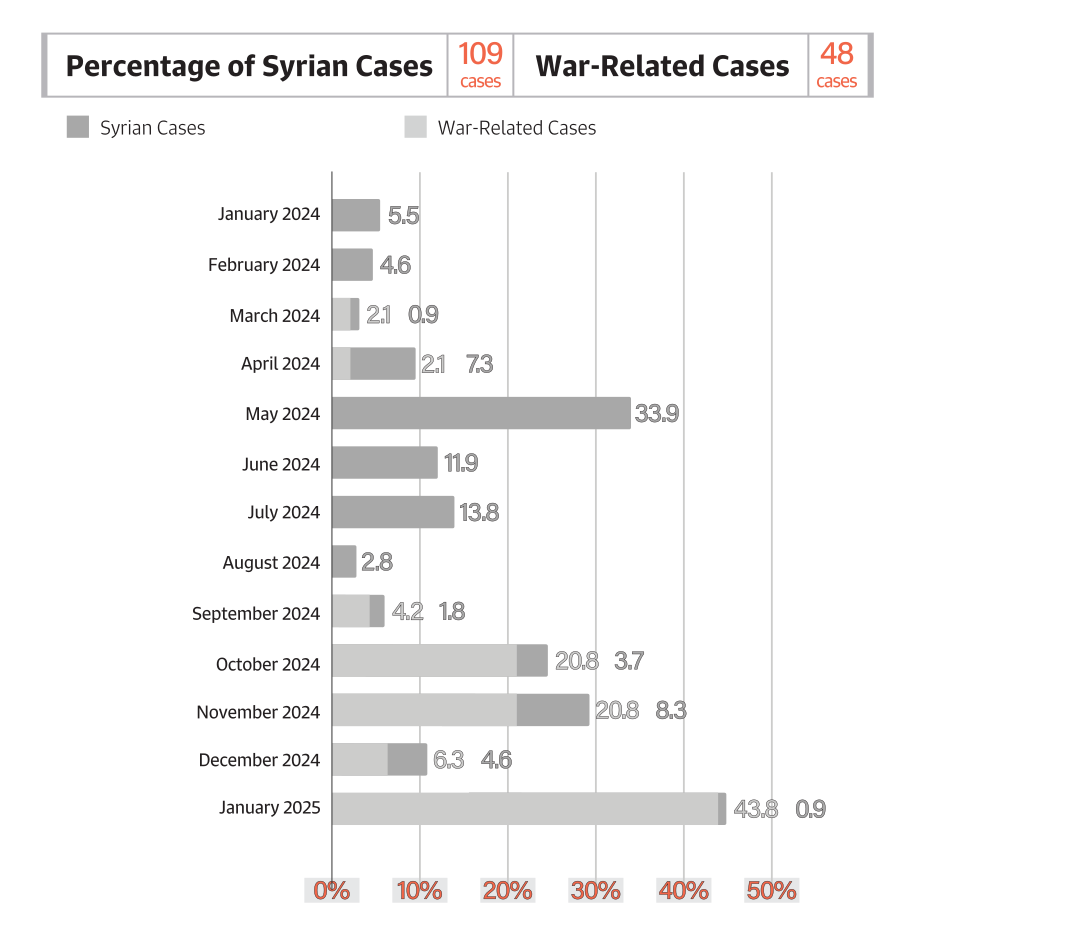
This annual report by the Housing Monitor documents the 443 reports it received between January 2024 and January 2025. Of these, 215 were documented and followed up on, relating to the urban and political transformations and war witnessed during the past year, which had direct impacts on housing. On the one hand, 2024 witnessed arbitrary security campaigns against Syrian refugees and raids on their places of residence in various Lebanese regions. During this period, the Housing Monitor documented 109 reports issued by Syrian refugees threatened with eviction and the security of their housing, with the largest percentage, 98 1The total number of cases is 98, 94 of which are from the Housing Monitor, and the rest from media monitoring.reports, occurring after April 7, 2024. As shown in the chart below, this followed the murder of Pascal Suleiman and the escalation of the incitement campaign against Syrian refugees. We had previously addressed this in a detailed report that documented discriminatory practices and analyzed the housing threats reported by Syrian refugees. In the report issued in July 2024 under the title “Expulsion of thousands of Syrian refugees in light of discriminatory Circulars” we presented a reading of these housing threats, in addition to their geographical distribution and their relationship to Local Authorities circulars, eviction notices, the form of eviction (individual or collective), and the deadline granted for eviction implementation. In light of this information and the resulting map, we have presented ten conclusions that address the authorities’ rhetoric and practices, clarifying and consolidating basic rights.
On the other hand, the Monitor’s reports this year also included a number of cases related to the deterioration of the structural condition of residential buildings, with 21 2The total number of cases is 21, 18 of which are from the Housing Monitor, and the rest from media monitoring.cases documented. The structural risks observed in these buildings varied, ranging from the collapse of building elements such as balconies or others (11 cases), or the presence of a danger from a neighboring/adjacent building that was at risk of collapse (3 cases), to cases actually recorded as at risk of collapse according to structural surveys conducted by structural engineers or through municipalities (10 cases). After the earthquake that struck Lebanon in February 2023, the year 2024 witnessed repeated building collapses, which took on a tragic and recurring character, leaving behind human casualties and huge material losses. In light of this, we issued a study entitled “The Aftermath of Building Collapse, the Fate of the Affected Residents” which documents the housing vulnerabilities of five buildings that collapsed recently, killing 13 people and leaving around 70 families homeless. It highlights the fate of their residents after the collapse and the responsibilities of providing alternative housing for those displaced by the collapse of their homes.
In contrast, perhaps the most significant impact on the housing crisis in 2024 in terms of magnitude was the Israeli war. It became clear—especially with the ceasefire taking effect on November 27, 2024—that the housing crisis had entered a new phase, as also shown in the graph. Since its outbreak on October 23, 2023, the war has displaced more than 110,000 people from southern Lebanon3Source, who were forced to leave their homes, villages, and lands in search of safety, amid intense bombardment and spatial and environmental destruction. Forced displacement exacerbated significantly with the escalation of attacks that started on September 23, 2024, with the number of displaced exceeding one million. 4In addition to internal displacement, the war has caused massive waves of refugees to Syria. Lebanese General Security recorded the crossing of 396,523 Syrians and 244,640 Lebanese citizens into Syria between September 23 and November 26, 2024. Source:تقرير رقم 50 للجنة الطوارئ حول الاعتداءات الإسرائيلية على لبنان والوضع الراهنThe displaced faced tragic conditions under the Emergency Response Plan, which lacked a comprehensive approach to shelter provision and failed5To read the full report to protect and ensure their safety in a comprehensive and equitable manner. Furthermore, due to the inadequacy and lack of equipment of official shelters, a large proportion of the displaced (about 29%) were forced 6Source: IOMto resort to renting at high rates, which clearly depleted the savings of the displaced. While nearly half of the displaced were able to secure housing by staying with family, friends, or acquaintances7The same source , at the height of the crisis, more than 10,000 people were unable to find shelter 8The same source, where the percentage of 1% of the displaced, according to the report, included displaced women/men who lived in unfinished buildings, in tents, or were displaced in parks and streets, or in self -settled sites , and this percentage reached about 5% within Beirut.and were forced to remain in abandoned buildings, unregistered shelters, or even on the streets. Even these were susceptible to forced evacuation.
This report provides an analysis of the 215 reports documented and monitored by the Housing Monitor between January 2024 and January 2025. It also analyzes violations of the right to housing based on 152 cases whose housing conditions were documented according to the criteria and characteristics established by the United Nations Committee on Economic, Social and Cultural Rights. It then highlights the prominent housing threats and dynamics that proliferated during the Israeli war, namely rent increases, exclusion of non-Lebanese, and mass evictions by force.
About the Housing Monitor’s 2024 reports
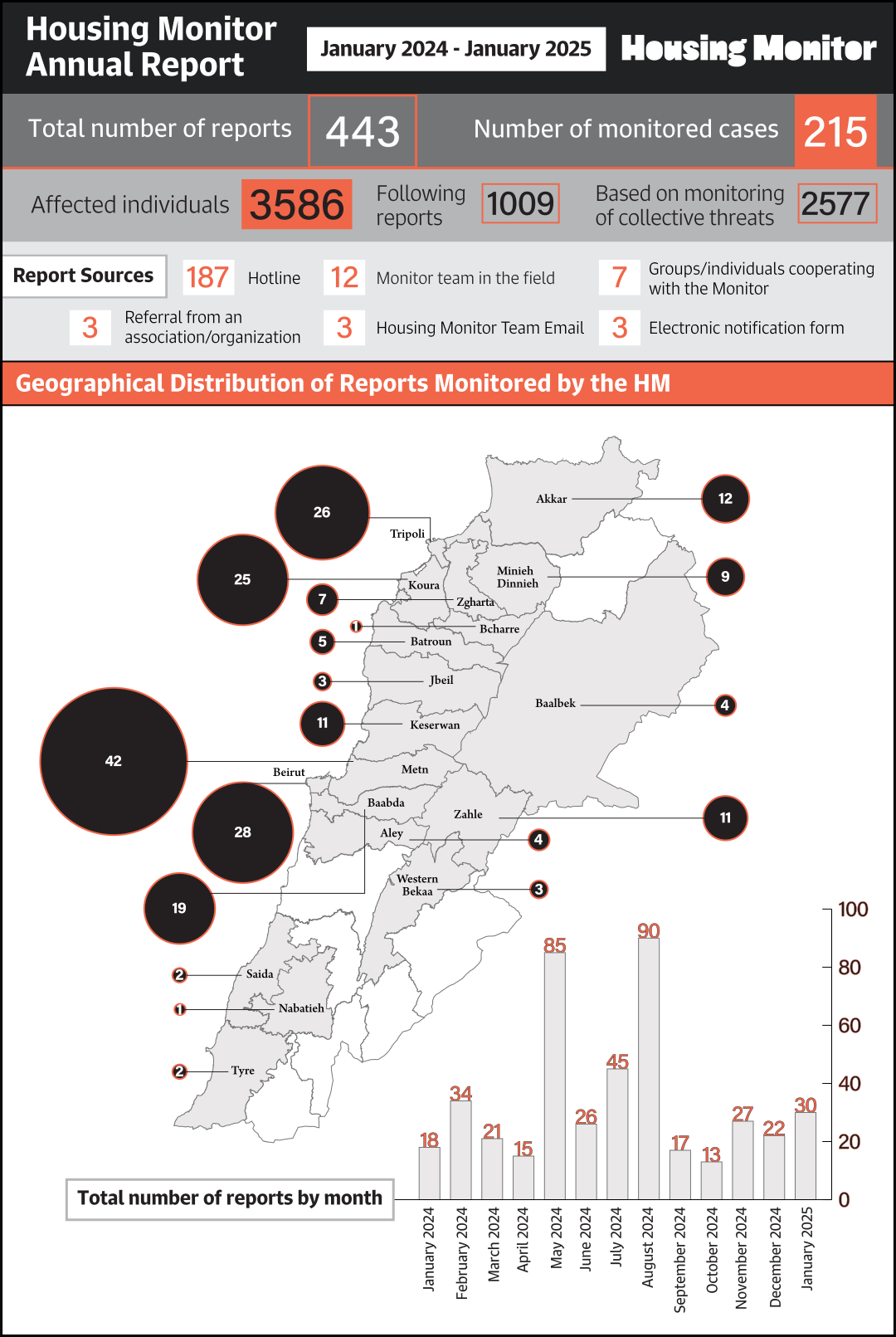
During the period covered by this report, from January 2024 to January 2025, the Housing Monitor received 443 cases. 215 of these were documented and followed up, 152 of which were analyzed for violations of the right to housing. We also monitored escalations in 462 of the previous reports.
The total number of individuals affected by eviction notices and eviction threats monitored by the Housing Monitor was at least 3,586, including 1,009 individuals affected based on reported cases, and an additional 2,577 individuals affected by collective threats targeting a building or several residential units in neighboring buildings or a residential complex, or a camp. The number of individuals evacuated based on these notices was at least 2,739.
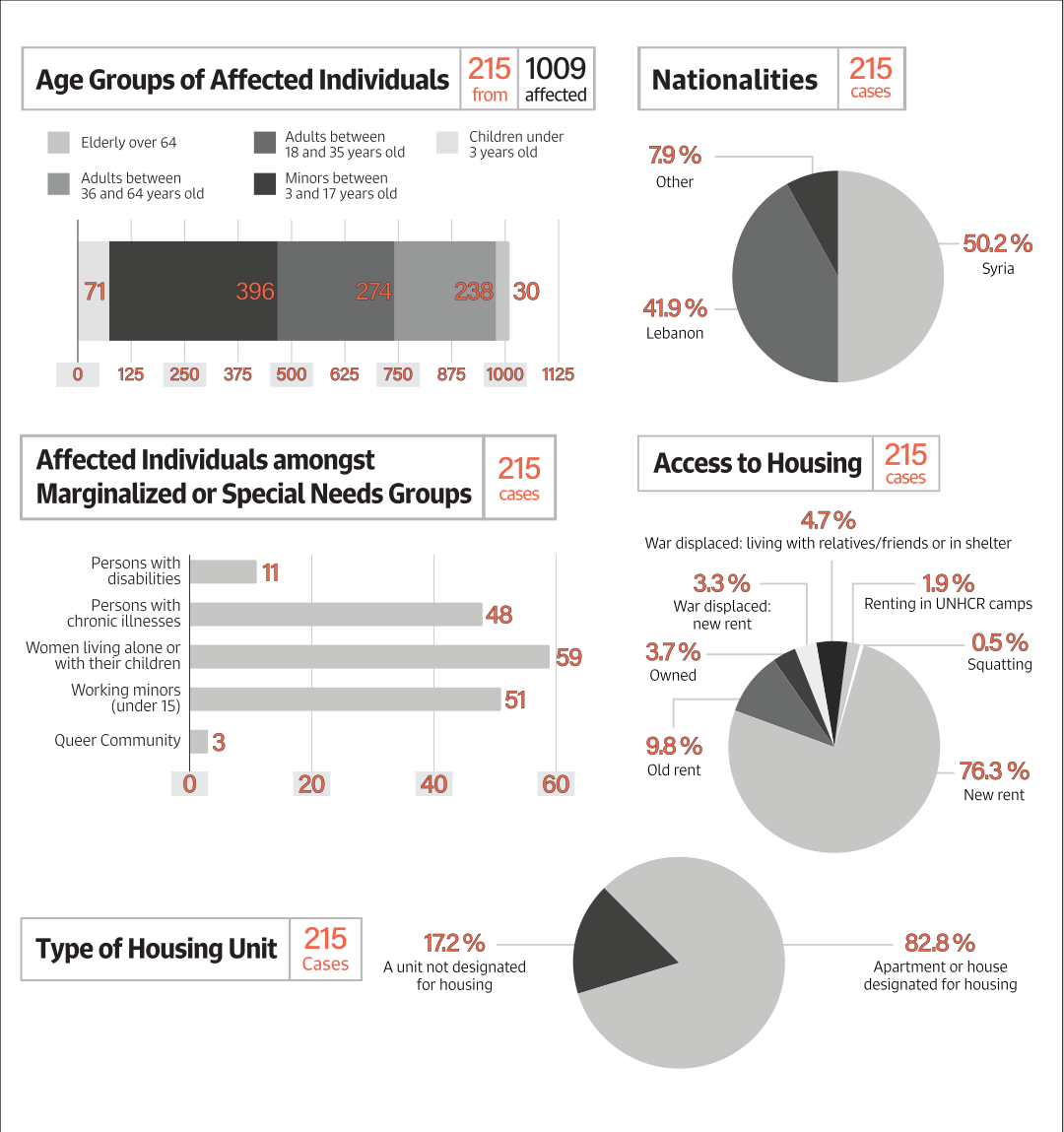
These threats affected various age groups, most notably babies and children up to the age of 17, representing 46.2% of the total number of affected people. The threats were largely focused on families, comprising 177 families, representing 82.3% of the total monitored reports. Furthermore, 31 cases involved extended families living in the same residential unit. This high percentage indicates that children bear the brunt of the burden resulting from housing violations, particularly threats of eviction or living in unsafe conditions. The total percentage of the most vulnerable groups or people with special needs monitored was approximately 17% of all affected individuals, including 51 working children under the age of 15, 48 people with chronic diseases, 59 women living alone or with their children, 10 people with disabilities, and 3 transgender and queer individuals.
Geographically, the Housing Monitor received the highest percentage of reports from North Lebanon (47.9%), with 73 reports from the North Governorate, 14 from Keserwan-Jbeil, 12 from Akkar, and 4 from Baalbek-Hermel. Mount Lebanon followed with 30.2%, receiving 65 reports, followed by Beirut with 13%, then Bekaa with 6.5%, and finally, the South and Nabatieh with 2.3%. These percentages, when linked to the affected nationalities, reflect that the largest percentage of those affected in North Lebanon are Syrian (66%). This is due to the systematic incitement campaign against Syrian refugees last year, in which the Governor of the North, Judge Ramzi Nohra, played a key role. This is in addition to the repercussions of the recent Israeli war, which led to the displacement of Syrians to shelters designated for non-Lebanese residents only, most of which were located in the north, such as the May School and the al-Ghuraba School in Tripoli. This occurred after the Lebanese authorities banned the reception of displaced non-Lebanese families in shelters. Displaced Syrians from the south, who settled in shelters in the north after being excluded from other shelters, were threatened with eviction from the shelters they had sought refuge in in the north. It is worth noting that Tripoli stands out in this context, as the largest percentage of those affected were Lebanese (80.7%). This is due to Tripoli not being drawn into the campaign against the Syrians at the time. Rather, what was prominent in the city and threatening residential security was the structural hazards of the buildings there and their occasional collapse.
Meanwhile, the largest percentage of those affected in the remaining governorates are Lebanese (52%), particularly in Beirut (75%) and in the districts of Metn (43%) and Baabda (58%). This is due to the increasing threat to the Lebanese population from old rents, especially after the recent presentation of a draft law to liberalize old non-residential rents, with the highest percentages of old rents – most of them Lebanese – coming from Beirut (47.6%) and Mount Lebanon (28.6%).
At the district level, Metn recorded the highest number of reports (42), followed by Beirut (28), Tripoli (26), Koura (25), and Baabda (19), with similar percentages. It’s worth noting that the reports from Metn included 20 cases from Syrians linked to the incitement campaign, in addition to six cases related to old rents, and six other cases from people displaced by the war, most of whom were Malagasy women workers. These numbers reflect the diversity of the housing crises that Metn has witnessed, which have prompted thousands of residents, particularly foreign women workers and Syrians, to move to safer areas such as Bourj Hammoud and Nabaa.
Regarding the distribution of the 215 reports by nationality, the highest percentage of affected cases was from Syrian nationality (50.2%), followed by cases reported by Lebanese nationals (41.9%), and the remaining percentage was distributed among various other nationalities (9.3%), most notably from Madagascar, to which were added 18 reports from foreign workers who were not followed up by HM. While the highest percentage of reports before the outbreak of the Israeli war on Lebanon was from Syrians, reaching (73.2%) between June and December 2023 – due to the arbitrary incitement and media campaigns carried out by official bodies against Syrian refugees, which began in April 20239For more details, please see the table . My time Documents Decisions Official , projects laws , raids that Targeting refugees Syrians – after the war, the highest percentage of reports remained from Syrians, but with a similar percentage from Lebanese. The percentage of women foreign workers affected has also increased, due to the profound housing repercussions of the war, which we will address in detail in this report. The figures reveal the extent to which the Lebanese were affected by the war and the Lebanese state’s failure to ensure their housing security. Furthermore, the effects were not limited to Lebanese citizens alone, but also extended to Syrian and Palestinian refugees and foreign residents. These people found themselves trapped in a complex humanitarian crisis, ranging from the dangers of war on the one hand to the lack of legal and social protection on the other.
Regarding access to housing, 76.3% of reports were for new rentals, while the remaining percentage was distributed between old rentals (9.8%) and rentals in UNHCR camps (1.9%). In addition, 3.7% were owners, 4.7% were displaced by the war in shelters or with relatives, and 3.3% were renters due to displacement. We also documented a case of squatting on a building in Bir Hassan, which we will also address in this report. While most cases live in an apartment or an apartment designated for housing (82.8%), we may find cases residing in places not designated for housing (17.2%). It is worth noting that, according to some international definitions of homelessness, homelessness is not limited to the lack of physical shelter. It extends to temporary accommodation such as camps or with relatives, as well as unsuitable and unsafe housing. Therefore, we can consider living in places not intended for habitation, such as rooms on agricultural land (8 cases), tents (6 cases), warehouses, caravans, or containers (7 cases), offices or commercial units (2 cases), newly constructed rooftop units (3 cases), a caretaker’s room (3 cases), or at the bottom of a stairwell (1 case), or an abandoned building (1 case), as a manifestation of homelessness, despite the fact that these are not recognized as cases of homelessness.
Violations of the right to housing
We analyze violations of the right to housing based on 152 cases whose housing conditions were documented according to the criteria and characteristics established by the United Nations Committee on Economic, Social and Cultural Rights.
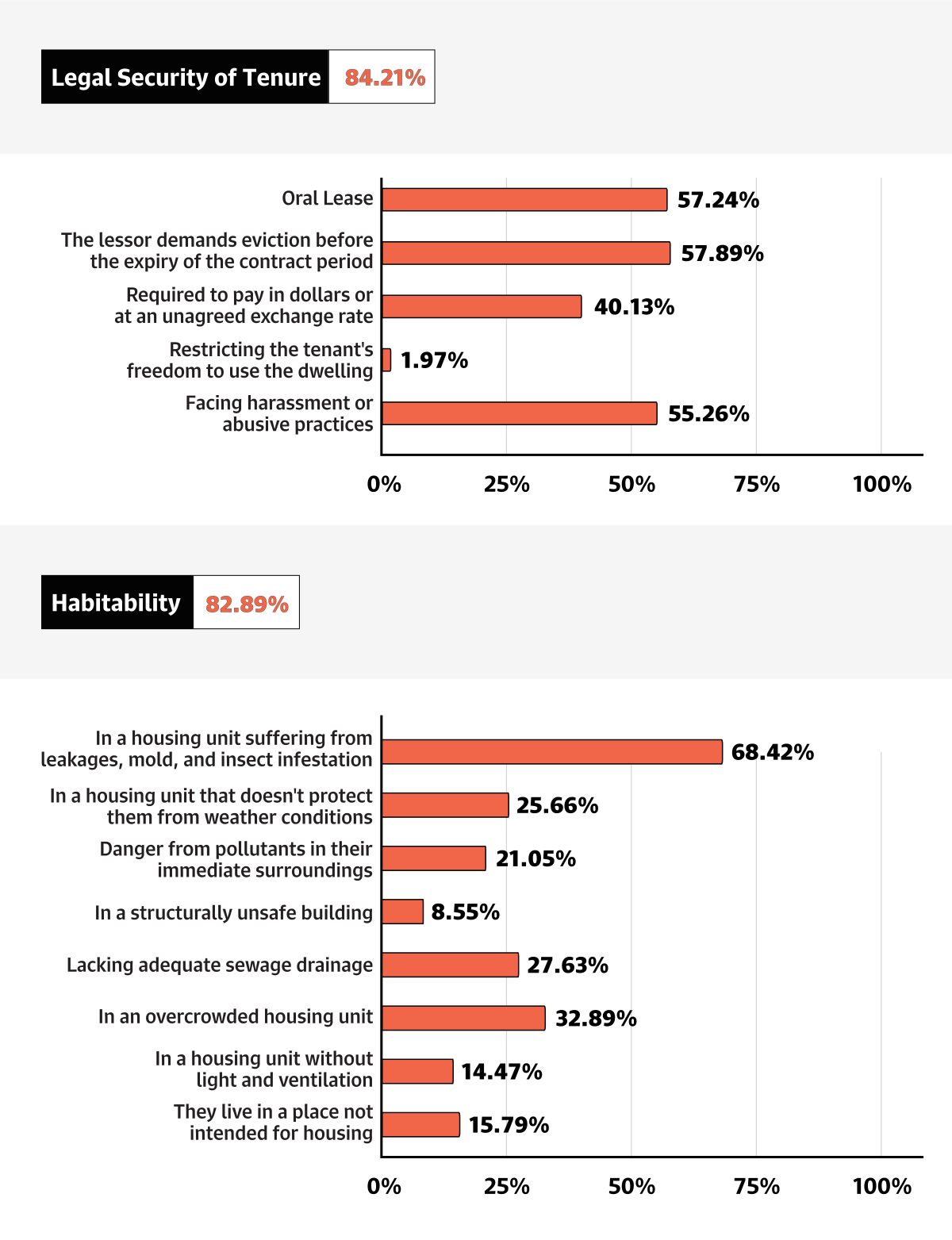
Violation of the security of tenure standards decreased compared to the previous report, reaching 84.21%, from 92.56%. This is still a high percentage, and it coincided with an increase in the percentage of reports from old tenants, from 4.2% to 9.8%, and consequently the percentage of tenants with oral contracts decreased from 68.6% to 57.24%.
This increase is linked to a campaign launched by a number of old landlords, claiming that the nine-year grace period stipulated in the Rent Law expired in 2023, and therefore these contracts should be released. This is despite the fact that most civil courts ruled that the grace period should begin from the date of publication of the 2017 amendment to the law. It is important to note here that the issue is not related to when the grace period begins, but rather how, over the course of 11 years, the state has failed to take any effective measures to ensure the implementation of this law, such as forming committees and establishing the fund stipulated by the law. Instead, it has merely waited for the grace period to expire, hoping that the old rental market would regulate itself. The landlords’ campaign can be viewed as an attempt to take matters into their own hands, as a result of the state’s failure to address the issue. The reality is that the 2014 law and its amendment were unworkable from the outset and cannot be used to justify evictions or rent releases. New legislation is needed to address this issue.
However, 40.13% of the observed cases still faced changes in the rental price specified in the contract or agreed upon upon rental, albeit a lower percentage than the previous report, which amounted to 66.1%. This indicator is one of the most prominent causes of the threat of eviction and the increased vulnerability of tenants, especially during the recent war. In 57.89% of cases, the landlord requested eviction before the expiration of the contract period, a percentage close to the previous percentage (61.9%). The percentage of cases subjected to arbitrary practices or harassment of various nature and severity also rose to 55.26%, particularly against Syrians (56%), as a result of the incitement campaign referred to previously. Tenants’ freedom to use the residence was also restricted in 1.97% of cases.
Housing habitability:
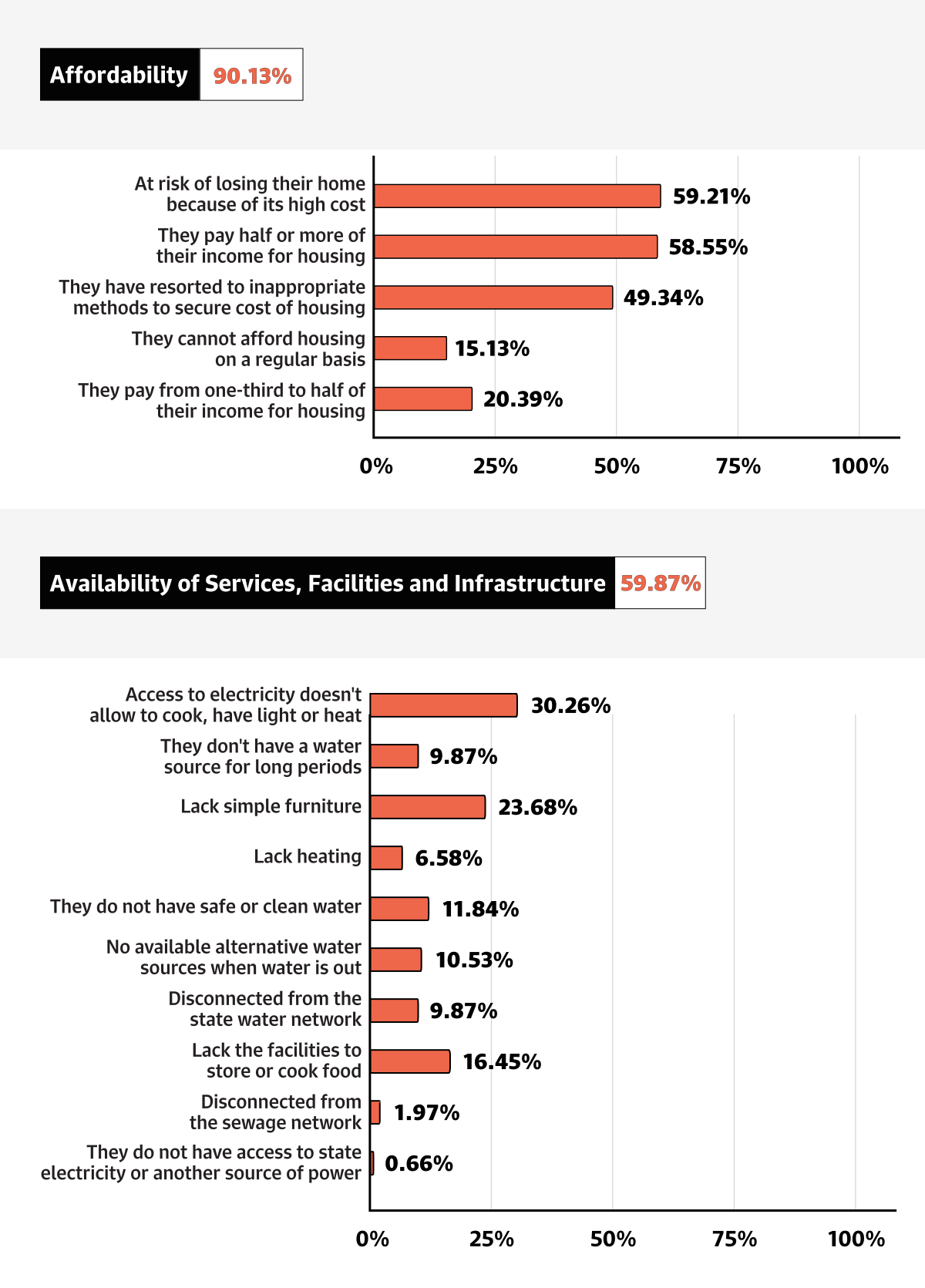
Violations of the habitability standard continue at high rates (90.91% in the previous report, and 82.89% in this report). As we mentioned at the beginning of the report, according to some international definitions of homelessness, some cases of homelessness (15.79%) or overcrowded housing (32.89%) can be considered hidden homelessness, especially in cases where the housing is extremely unsuitable. It was also found that more than half of the observed cases live in housing units that are not equipped to withstand dust, mold, and insect infestations (68.42%), do not protect against weather conditions (25.66%), and some lack adequate sanitation (27.63%). While 8.55% reported living in a structurally unsafe building, eight other cases outside the 152 reported cases can be added to them. The structural risks observed varied, including the collapse of building elements such as balconies or other structures (11 cases), or the presence of a danger from a neighboring/adjacent building that may collapse (one case), and the presence of buildings at risk of collapse according to a structural survey (8 cases). Some cases also raise concerns about factors and signs that appear to threaten the safety of the building, such as cracks (59 cases), visible steel (6 cases), or even frequent flooding of the building (9 cases). If this public safety issue is not addressed on a large scale, the safety of residents in these and other buildings will remain threatened, the urban environment will continue to deteriorate, and the collapse of the Mansouriyeh building will not be the last collapse we witness.
Affordability
Violations of the affordability standard continue at high rates, reaching 90.13% during the reporting period. Specifically, 59.21% of the cases consider themselves at risk of losing their homes due to high housing costs, and 15.13% of them are unable to afford housing expenses on a regular basis. This also forces 49.34% of the observed cases to resort to inappropriate methods to secure housing costs. In most countries around the world, the acceptable cost of housing is considered 30% of income, although adopting this percentage entails several problems. The observed cases revealed that 78.94% of them pay more than a third of their income on housing (20.39% between a third and a half, 58.55% half or more). This clearly demonstrates that these cases are paying a high price to cover housing costs, threatening their financial capacity, whether individual or family, and undermining the ability to meet other basic needs.
Availability of services, facilities, and infrastructure:
Many cases lack basic services, facilities, and infrastructure (59.87%). Among them, one case does not have access to electricity, whether through the state or any other source. Some do not have the energy needed for cooking, heating, and lighting (30.26%). They lack simple furniture (23.68%), heating (6.58%), and equipment for storing or cooking food (16.45%). Some do not have sufficient and continuous access to water (9.87%), or do not have healthy or clean water (11.84%). Their homes are not connected to the state water network (9.87%) or the sewage network (1.97%), and they may not have alternative sources when the state water is cut off (10.53%).
Location:
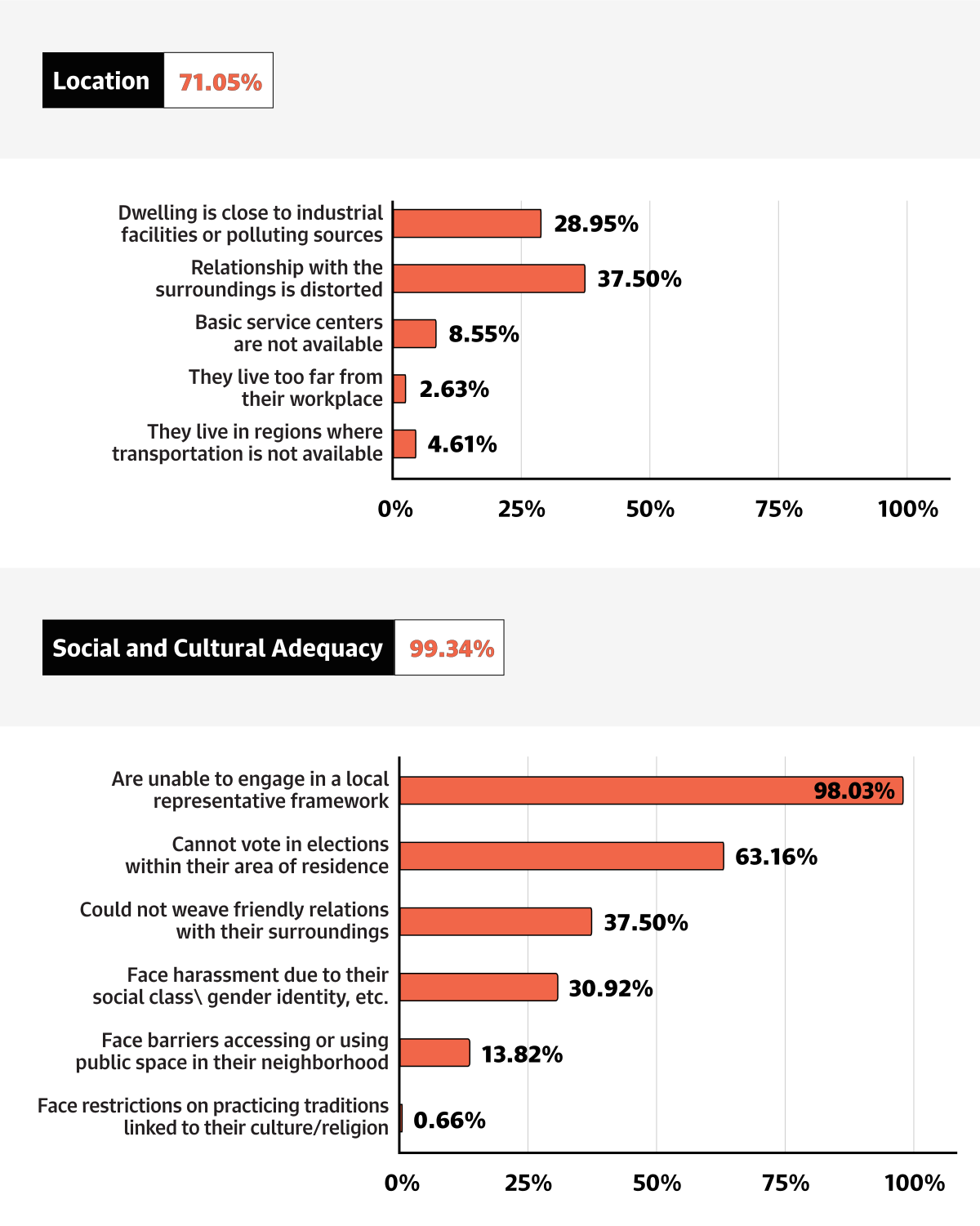
The location criterion was violated by 71.05%, mainly through the location of the residence of the observed cases within a polluted or dangerous area (28.95%). This includes a location that exposes its residents to danger due to poor planning (9 cases), or in an area close to polluting sources (37 cases), such as next to landfills in many cases in Bourj Hammoud, Tripoli, and Sidon, or a location that exposes its residents to danger due to natural factors -such as one reported case from a camp in Bar Elias on the banks of the Litani River, which has made it vulnerable to flooding, and has exposed residents to danger because the river is polluted. This also includes distorting the relationship of residents with their surroundings (37.5%), including neighborhoods facing demolition (18.4%) such as Beirut, Chiyah, Furn El Chebbak, Burj El Barajneh, Tripoli, etc.; the presence of abandoned buildings (31.6%) in Chiyah, Beirut, Furn El Chebbak, Tripoli, Beddawi, Batroun, etc.; or the wave of real estate purchases (21.7%) in Beirut, Tripoli, Ghadir, Haret El Sakher, Ghazir, Batroun, Chiyah, etc.) or real estate speculation by individuals or by major projects, which destroys the urban fabric and portends waves of evictions that may worsen in these neighborhoods in the future. Furthermore, 8.55% live in neighborhoods lacking basic service centers, and 4.61% live in areas lacking nearby transportation, with 2.63% experiencing difficulty commuting between their homes and work.
Social and cultural suitability:
This criterion continues to witness a high rate of violation, similar to previous reports, reaching 99.34%. Due to the lack of building/neighborhood committees or the inability to join such committees when they exist, 98% of cases were unable to engage in a local organizational framework, and 63.16% of cases were unable to participate in local representation. Furthermore, 37.5% of cases were unable to establish friendly relations with their surroundings, 54.4% of whom were non-Lebanese (from Sudan, Bangladesh, Syria, Egypt, Madagascar, and Nigeria). The percentage of cases facing harassment resulting from discrimination also increased from 15.7% to 30.92%, while the percentage of cases facing obstacles in accessing or using public space in their residential area increased from 7.44% to 13.82%, or faced restrictions on practicing traditions related to culture or religion (0.66%) as a result of all the racist campaigns we mentioned previously.

Meeting needs: 6.58%
Regarding meeting the needs of the elderly and people with disabilities, 16.67% (one out of six) of people with mobility disabilities affected by housing threats resided in housing that was not suitable for their mobility. 33.33% confirmed experiencing discrimination during the housing search process. Conversely, 44.44% (eight out of 18) of the elderly affected by housing threats considered their housing to be insufficiently suited to their needs, as the building lacked an elevator or accessible stairs. One case reported the lack of appropriate service centers in the area where they lived.
Size and scope of the evacuation
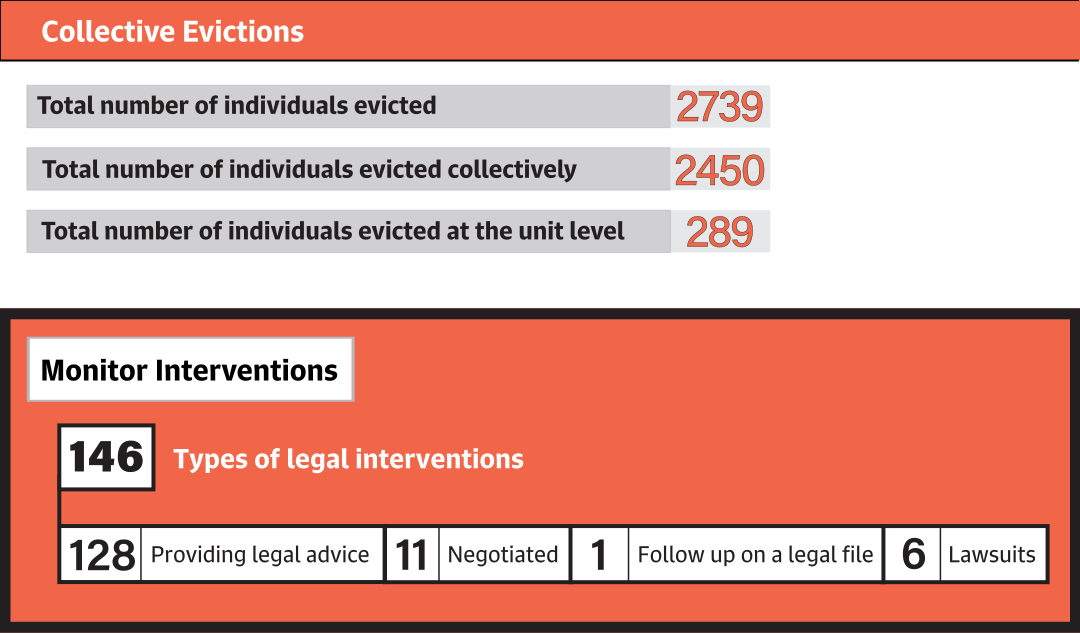
Regarding the size and scope of evictions, reports show a significant increase in threats and evictions, particularly collective ones. Direct eviction warnings accounted for 76.2% of all reports, with the remaining 23.8% facing the risk of losing their homes, whether due to poor housing conditions or the high cost of housing and living, but without direct eviction requests from any party. Of the direct eviction warnings, 121 were individual eviction requests, while 51 were collective evictions, affecting 60 cases, 74.5% of which affected Syrians. Fifty-six individual evictions were also monitored, and 24 collective evictions, affecting 31 cases, 75% of which also affected Syrians. These threats and collective evictions are directly linked to the incitement campaign against Syrian refugees mentioned above. This also includes the mass evacuations that occurred during the war, particularly from empty buildings and public spaces, which we will address in the following sections of this report.
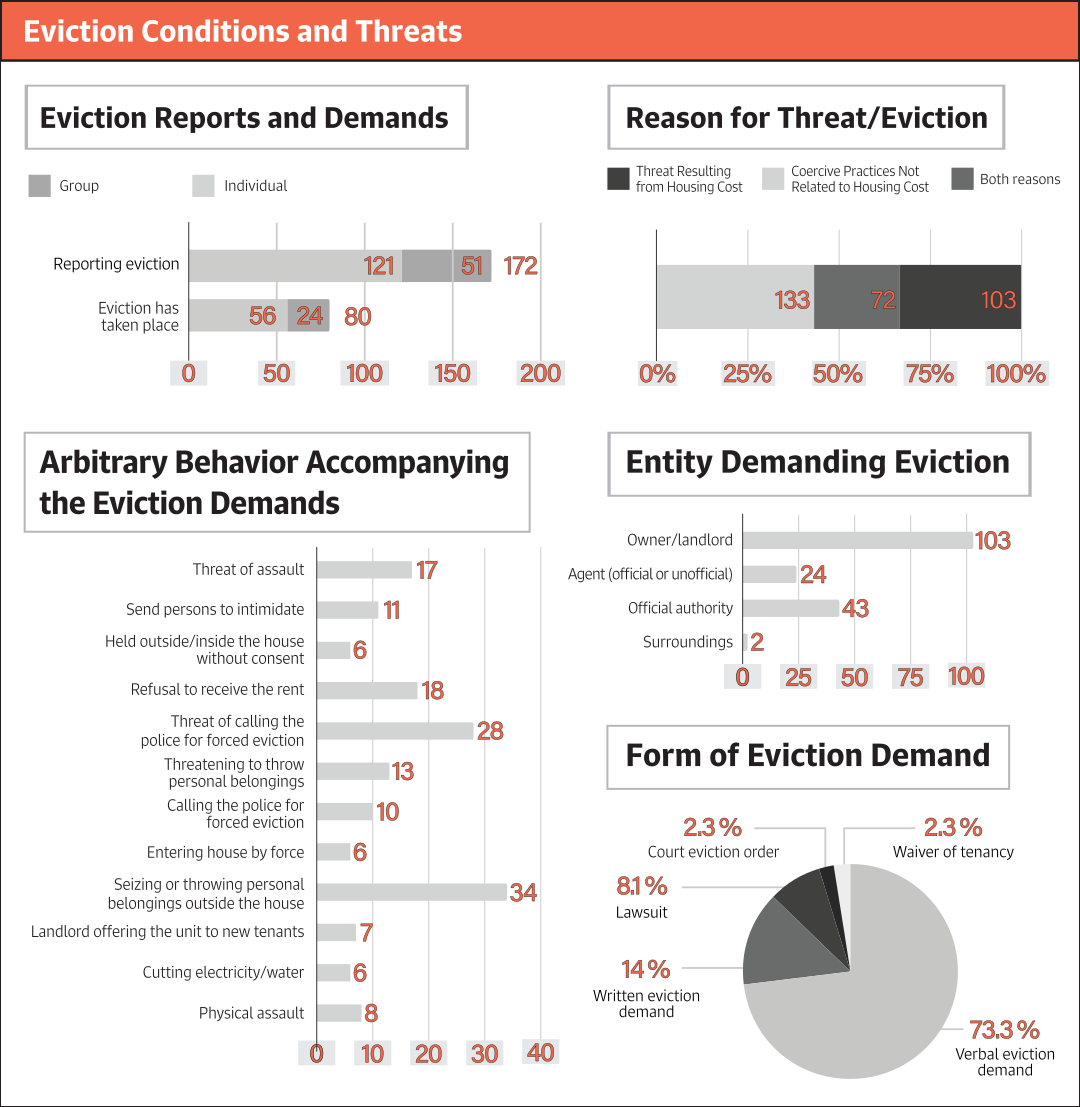
Over the past year, local authorities played a pivotal role in direct eviction notices, particularly for Syrians. We documented 43 eviction requests from municipalities, 67.4% of which were collective, 20 of which were implemented. Of the remaining requests, we documented 103 from owners and 24 from agents or landlords. We also noted eviction requests from areas affected by the crackdown on Syrians. In one case, the building’s owners’ committee requested the eviction of Syrian families, while in another, an influential individual threatened a Syrian family. As in previous reports, the largest proportion of eviction requests remained verbal, totaling 126. Other requests included 24 written eviction requests, 14 lawsuits, and four court orders for eviction issued by the Enforcement Department, an issue that can only occur after the case has passed through the courts, which didn’t take place. In addition, there were four cases in which tenants pledged to vacate and waive their rent. Written eviction requests were submitted by the landlord or agent (12 requests) and by the municipality (also 12 requests).
In many cases, eviction requests were accompanied by various arbitrary practices, most notably the seizure or throwing of property outside the home (34 cases). Threats of eviction by the police (28 cases), refusal to pay rent (18 cases), threats of assault (17 cases), and other violations and practices that usually target the most vulnerable groups, especially those of Syrian nationality, as some cases suffered the confiscation of their identity documents, and some landlords refused to renew rental contracts in order to prevent residents from settling their legal status. Most notable in this area are arbitrary practices led by municipalities, such as the Zgharta municipality, which sealed off homes and buildings with red tape; the Batroun municipality, which sealed off a building on residents with wooden planks and chains, then evicted them, while smashing belongings, furniture and doors; and the Bterram municipality, which requested a meeting with the Syrian residents, pushed them against a wall, threatened them with weapons, and terrorized them, leading them to make the decision to evacuate after a short period.
The reasons for tenants’ eviction requests were related to a threat resulting from the cost of housing (103 cases), to stressful practices or circumstances unrelated to the cost of housing (133 cases), or a combination of these two reasons (72 cases). Threats resulting from the cost of housing included accumulated rent (62 cases), an adjustment in the monthly housing expenses (55 cases), or both of the previous reasons (14 cases). The largest percentage suffering from a threat resulting from the cost of housing, which is 63%, are non-Lebanese. Although the entire population has been affected by the successive crises in Lebanon, especially the recent war, marginalized groups remain the most affected. While stressful circumstances not primarily related to the cost of housing include harassment or assaults from the landlords (51 cases) or from the community and neighbors (43 cases), they also include poor housing conditions (45 cases) and disputes over the lease (42 cases). Here, it is worth noting the increase in the rate of harassment and assaults from the community from 11 cases in a previous report from 2023 to 43 cases in 2024, as this is a new confirmation of the extent to which Syrians are affected by the incitement campaign, not only by those who have power and influence, but also from the community.
Regarding the evictions that were carried out, and looking at the table, 41 cases were forced to move outside the city or to the suburbs, which in most cases contributes to severing their social and economic ties with the neighborhood in which they previously lived, and may result in additional expenses for transportation to work or accessing basic services. Furthermore, evictions led to 60 cases being homeless, particularly in cases of mass evictions of Syrians. 73% of the homeless cases were living with relatives or friends, which is considered hidden homelessness.
Meanwhile, 13 cases found no place to seek refuge other than the streets, and 3 cases sought shelter. It is worth noting here that the most prominent international recommendations for reducing homelessness are summarized in the immediate cessation of any eviction process that may lead to homelessness.
In addition to the eviction reports documented by the Housing Monitor, we will refer in the next section of this report to cases of arbitrary evictions and forced expulsion from public spaces and empty buildings to which displaced persons have sought refuge as a result of the recent Israeli war.
The impact of the Israeli war on housing
The outbreak of the Israeli war on Lebanon was the most significant event of the past year, leaving far-reaching and profound repercussions, particularly on the housing sector.
The displaced faced severe housing challenges, as the total number of displaced persons before the ceasefire announcement reached 1,237,892, of whom 190,102 were in shelters, representing only 15.35%. The number of approved shelters reached 1,177 centers, and 976 centers (83%) of them had reached their maximum capacity . According to a report by the International Organization for Migration (IOM), approximately 48% of displaced persons were accommodated with host families (64% living in overcrowded conditions), 21% in 1,015 collective shelters, 29% through rental housing, and 1% moved to secondary housing. The remaining 1% were displaced persons who lived in unfinished buildings, tents, parks and streets, or in self-settled sites , which accounted for approximately 5% of Beirut residents. Each of these options entailed different challenges on several levels, affecting not only Lebanese but also Syrian and Palestinian refugees and foreign residents. These people found themselves trapped in a complex humanitarian crisis, ranging from the dangers of war on the one hand to the lack of legal and social protection on the other, which has exacerbated the fragility of their situation and weakened their ability to find sustainable solutions for their shelter.
Following the escalation of the Israeli aggression on September 23, 2024, the Housing Monitor received 97 reports, of which we documented 58 cases, 46 of which were directly related to the war. Of these cases, 8 were Lebanese and 40 were non-Lebanese, including 26 women migrant workers (18 from Madagascar and 8 of unknown nationalities), 10 Syrians, 2 Egyptians, 1 from Bangladesh, 1 from Germany, 1 from Sudan, and 1 from Palestine. The following is an analysis of some of the housing dynamics derived from these cases, in relation to three prevailing housing trends that emerged during the two months of the escalation of the war: rent increases, exclusion of non-Lebanese, and mass evictions by force.
1- Rent increases: a strategy to evict residents and drain the savings of displaced people.
The Housing Monitor documented six eviction attempts involving rent increases for current tenants, four of which were carried out. In one case, a tenant was arbitrarily evicted from his home in a town in the Dinniyeh district, after being threatened with forced eviction, citing his failure to pay rent for the past two months. He was transferred to a smaller apartment on the condition that he vacates it after two months, despite having a written three-year lease permitting him to remain. However, according to the tenant, the primary motivation for the eviction was the landlord’s desire to rent the apartment at a higher price to war-displaced residents.
In a second case, a Palestinian tenant was evicted while she was away and without her consent. The caller traveled abroad briefly on September 22nd. Four days later, on September 26th, the landlord broke into her apartment, told her not to return, and rented it to new tenants at a higher price, approximately $700, after she had been paying $150 regularly.
In the third case, the landlord informed the tenant, a Lebanese single mother living with her daughter in an apartment in Sabtiyeh, that she needs to expect rent increases in the coming months because, as he described it, “everyone is now raising prices due to the situation.” He gave her two months to either pay the increase or vacate. This also occurred after he had raised her rent from $200 to $250 within five months of renting the house. She is holding on to her current residence despite cracks appearing in the apartment’s walls, specifically because she has not found an alternative due to the rise in demand and prices resulting from the escalation of the Israeli aggression, and because her daughter is enrolled in a nearby school.
In the fourth case, the landlord gave the tenants a month to vacate the house so he could rent it to a displaced family, following several eviction requests under various pretexts. The current tenants, all Syrian nationals, have been living in the house for less than two years without written agreements. They were paying $100 per month until the landlord raised the rent to $150 prior to the escalation of the Israeli aggression on September 23, 2024. When this occurred, the landlord asked them to leave the apartment with their neighbors, claiming that his son wanted to convert the two apartments into a duplex for him to live in. It later emerged that the sole purpose was to increase the rent. Following the israeli aggressions in late October 2024, the landlord began threatening them with eviction because he wanted to rent the house to a displaced family who would pay more.
In the fifth case, a tenant living in an apartment in Tyre under a one-year contract for $300 a month, which expires in October 2024, was surprised when the landlord demanded that she vacates the apartment before the end of the month, claiming that the contract had expired and that he wanted to rent the apartment to someone else. This came after she had fled to Beirut due to the escalating Israeli aggression and had agreed with the landlord to pay half the rent during her absence.
These cases represent a widespread situation in which rents have risen throughout the war, putting residents at risk of eviction. Furthermore, these examples highlight the fact that displaced people are forced to use all their savings to secure shelter, or else expose themselves to danger, in the absence of any form of state protection.
The Housing Monitor documented nine cases of displacement of families of different nationalities, all of whom were in need of financial assistance to cover rent and basic needs. These diverse cases illustrate the extent of the war’s impact, especially in light of the successive economic and financial crises. Four of these families were Syrian. One of them was displaced from their home in Hay al-Salam to Bchamoun, where an acquaintance sheltered them in a vacant house lacking furniture and basic household appliances (water, electricity, gas), as the father’s monthly income does not exceed $85. Another family was displaced from Beirut to live with relatives in a camp in Zahle, bringing the total number of people in the tent to 15. Another family was displaced from Bourj Hammoud to a camp in Zahle, where they live in a tent with the wife’s sister’s family. Today, she is facing pressure from her sister’s husband, who is demanding that she vacate if she does not pay half of the monthly rent (the full tent rent is $400 per month) due to the increasing needs of the house and the loss of privacy. The last Syrian family had been displaced to a camp in the Bekaa Valley, where they rented an apartment, with the landlord constantly increasing the rent.
Of the nine cases, three were Lebanese. One of them migrated from the southern suburbs to Bourj Hammoud, where they rented a house for $200 a month and had to pay an additional $75 for generator services, at a time when all family members were unemployed. Another case migrated from the southern suburbs to Sin el Fil, where they rented an apartment for $250 a month, excluding service fees. They accumulated rent and are currently struggling to pay the remaining $750. In another case, a transgender Lebanese woman who lived in Geitawi for seven years, was forced to evacuate due to unpaid rent. She subsequently moved to Haret Hreik, where she worked as an assistant in a beauty salon before sustaining a hand injury in the Beirut port explosion. Then, during the war, her house and salon in Haret Hreik were destroyed, forcing her to return to Geitawi, where the landlord agreed to let her return on the condition that she pays the accumulated rent. Despite receiving a portion of the accumulated amount, the landlord threatened to evict her within two weeks if she did not pay the full amount.
Indeed, a large percentage of displaced persons (approximately 29%) have resorted to renting as a means of shelter, a percentage that may be an underestimate, as it is difficult to determine the actual number of tenants due to the lack of registration of contracts in most cases, in addition to the absence of any official framework or direct state intervention in regulating the rental process. Through a study we had conducted in Public Works Studio on a sample that included 383 units, a survey of residential units distributed across various Lebanese governorates, offered for rent between September 23 and October 14, 2024, revealed that rental rates were high and varied, with some exceeding pre-war rents. Rents for units ranged between $100 and $3,800 per month, far exceeding the 201$\month minimum wage in Lebanon. The study revealed that a large percentage of displaced persons were unable to secure adequate housing because rental rates exceeded their monthly income. These high rates drain the displaced communities’ savings and deny them their right to housing and security through the commodification of housing. The basic right to shelter is transformed into a commodity that can be sold according to market conditions, forcing displaced families to pay exorbitant sums that are disproportionate to their deteriorating economic conditions.
In this context, instead of the housing and rental market being monopolized by landlords and the private sector, controlling supply and prices to suit their interests, alternative solutions must be established that guarantee the displaced communities’ right to housing without exploiting them. Among these solutions is the complete abolition of rent, so that displaced persons who have lost their homes and livelihoods are not forced to exhaust their savings to pay rent. Instead of burdening them with the cost of rent, the state must assume the responsibility of providing them with free shelter, ensuring a minimum level of safety and stability during and after wartime conditions, especially as displacement continues.
2- Excluding non-Lebanese from government housing and housing security plans
Based on the Housing Monitor’s reports, it was clear that women migrant workers and Syrian refugees were among the vulnerable groups affected by the war and its repercussions, constituting 90% of the cases documented by the Monitor during that period. This is not surprising, as the government’s emergency plan in response to the war excluded non-Lebanese from relief programs in general, including shelter, stating that dealing with “non-Lebanese population groups” would be done in cooperation with relevant United Nations organizations, specifically UNRWA for Palestinians, the UNHCR for Syrians, and the United Nations’ International Migration Agency (IOM) for migrant workers.
Although UNRWA opened three shelters on September 24 and 25 (Siblin Training Center and Nablus School in the south, and Tubass School in the north) to receive all displaced persons regardless of their nationality, the United Nations High Commissioner for Refugees (UNHCR) failed to assume any responsibility10It clearly states on its page, under the heading “Urgent Housing Support,” that “Housing/shelter options are extremely limited for displaced refugees and migrants. We urge you to find immediate accommodation with relatives and friends or find other solutions,” and “Please do not approach UNHCR offices or reception centers to request shelter/housing.” The Lebanese government’s hotlines for shelter centers are also attached in the same column. related to providing shelter for displaced refugees and migrant workers. Its role was limited to transferring Syrian refugees to officially approved shelters, or trying to network with other organizations to secure shelter places within the available centers, so the displaced Syrians communities were stuck between an Emergency plan that excluded them, and the UNHRC which ignored them.
Additionally, the conditions of migrant workers in Lebanon worsened as the war escalated, as many suddenly found themselves without a source of income, leading to the loss of their homes. Cases documented by the Housing Monitor reflect the fate of migrant workers, particularly from Madagascar, who lost their jobs as a result of the migration or displacement of their employers, or the deteriorating economic conditions after the war. The loss of income was not simply an economic crisis; it turned into a humanitarian catastrophe, with many facing forced eviction, having their belongings confiscated, and having to move from one house to another in search of temporary shelter. In one case, a worker living in Nabaa lost her job when her employer left for New York, leaving her unable to pay her monthly rent. The landlord locked her apartment door while she was away, confiscated her belongings, and refused to release her until she paid her dues. After a while, the problem was resolved, but only after she was able to secure rent expenses through an NGO. However, the landlord continued to harass her after that, as his main concern was how she would pay the next rent, given that the assistance she received was only a one-time payment. Another migrant worker from Madagascar living in Sin el Fil lost her job due to the war and owed two months’ rent. She now faces eviction threats from her landlord.
As for Syrians, four eviction cases were documented, including an eviction from the Qattin School in the Minieh-Dinnieh district, an eviction from the Al-Qaa Public School, which was being used as an official shelter, a third request to evict a divorced Syrian woman and her children from her home in Zahle on the grounds that she was occupying a space not designated for housing, and a fourth request to evict other Syrian families after their displacement, based on complaints from neighbors that their presence in the area was causing disturbance.
As for Al-Qattin Public School11Source: Research conducted by the Housing Monitor team with an displaced person at Al-Qattin School on November 5, 2024., it was initially designated as a shelter by a decision from the Minister of Education and included in the list of centers designated for receiving displaced persons. Its principal initially opened it for a Syrian family and their relatives, until the total number of displaced persons there grew to nine families, consisting of 49 individuals, including 25 children, all of whom were Syrian. 12They initially slept on the floor due to a lack of equipment until mattresses, pillows, and other necessities could be provided by activists and associations.The principal limited the school’s admission to Syrians and did not accept Lebanese displaced persons, out of concern “to avoid any harassment or problems,” she said. Just a few days later, the Ministry of Education instructed the principal to evacuate the school after discovering that all of the residents were Syrians. This was in line with emergency plans that excluded non-Lebanese from aid. However, the principal did not carry out the evacuation. The displaced remained at the school for a month and a half until the Ministry of Education began implementing its emergency response plan for education. Following this, the Al-Qattin School was included on the list of schools to remain as a shelter, and its students were transferred to another school in a neighboring town. The students’ parents objected to this decision, and this objection was exploited by the school administrators and the town mayor to demand the immediate evacuation of the displaced, without giving them any notice or providing suitable alternatives. This forced some of them to return to the south despite the risks. What happened reflects the contradiction of official policies, as they kept the school on the list of shelters but called for the evacuation of the displaced without clear solutions and under pressure from the relevant authorities. It also reflects a deliberate policy of exclusion targeting Syrian displaced people. Finally, these policies pitted people against each other—the students’ families against the displaced—and placed the responsibility for providing housing alternatives on the people, making them an active party in solving the shelter problem. The students’ families were forced, albeit to a limited extent, to finance the shelter of the displaced, while the state or relevant authorities should have assumed this responsibility. Furthermore, the school administration, mukhtars, and townspeople found themselves under pressure to find alternative housing for those evacuated, in the absence of any official support plan.
In the same context, families of students at Al-Farabi School and Dahr al-Mughr Kindergarten in the Qubbeh area of Tripoli, which houses dozens of displaced families, staged a sit-in protest on November 14, 2024, demanding their children’s right to continue their education at their school and refusing to transfer them to other schools. The evacuation of the displaced began on November 18, 2024, with the aim of reopening the school to students and completing the academic year. Meanwhile, an army force was present at the site to ensure no clashes occurred between the displaced and the protesting families of the students.
But in the case of Al-Qaa Public School, one of the evicted families had moved from Syria to Lebanon due to the Syrian war, settling in the Nabatieh district, where the head of the household worked in construction. However, he was facing financial problems and asked for assistance in paying rent after accumulating three months of arrears. The landlord threatened to evict him. Following the escalation of the Israeli aggression, the family fled from the Nabatieh district to Chtaura, where they were housed in Al-Qaa Public School. They stayed there for only one day before the municipality evicted them during the night, along with many other displaced Syrians. The family found shelter with an acquaintance who owned a farm in the Al-Qaa projects, who hosted them in his chicken coop.
In the second case, the family was forced to evacuate their home due to the dangerous situation, but chose to remain in the same area in Zahle, near their children’s school. The family rented a garage in the industrial zone for $100 a month, but they have been unable to pay the rent since moving in, accumulating three months of arrears. The mother was unemployed, and her two eldest sons (aged 15 and 11) had to drop out of school and work at a supermarket to support the family. Meanwhile, the garage where they lived was unfurnished, except for an old mattress for the children to sleep on, and was infested with insects and bedbugs. The water supply was intermittent, and they used electricity only for lighting to avoid incurring additional costs. Eventually, the municipality ordered them to vacate within a few days, claiming they were occupying a space not intended for housing.
In the latest case, a family from Baalbek-Brital moved to Harf Ardeh in Zgharta, where they rented a house for $150 a month. However, their Lebanese neighbors began harassing them, prompting the municipality to evict another Syrian family who had rented the apartment next door based on a complaint filed by the neighbors. The municipality also contacted the homeowner and informed him that the family’s continued presence was unacceptable, claiming they were Syrians and should return to Syria to avoid disturbing the Lebanese neighbors who had filed the complaint.
Through field research conducted by the Public Works Studio in 13 shelters, it was found that 2 out of 13 centers were exclusively receiving displaced persons of non-Lebanese nationalities, one of which was May school in Tripoli, however, Syrian refugees there were subjected to exclusion, threats, and expulsion following instructions from the Ministry of Education and other relevant ministries, “in compliance with the emergency plan,” and in compliance with the emergency response plan for education, which set November 4 as the start date for the new school year (Decision 854/M/2024)13Under this plan, 350 schools and secondary schools were supposed to open for in-person education, 397 schools and secondary schools for distance education, in addition to 45 schools and secondary schools that would be used as shelters, with a separate section of these schools designated as educational space for students.. This was accompanied by the publication of a list of schools that would remain as shelters and schools that could be opened for education, along with how to distribute registered students, both displaced and non-displaced, in these schools.
The events at May School, along with all the cases documented by the Monitor, reveal a systematic policy of complicity aimed at excluding refugees, without ensuring the right of all displaced persons to safe housing without discrimination. Authorities abdicate their responsibilities, placing the brunt of the burden on the United Nations without providing adequate solutions.
3- Forced mass expulsion
In the midst of war, destruction, and displacement, while people seek shelter and safe housing, when the state destroys protectionist policies and incites residents against each other, it becomes easy to exploit the crisis to forcibly expel residents from their homes and safety, leaving them to face an unknown fate. Shortly following the residents’ return to their homes and villages after being forcibly displaced during the war and losing family members, the Housing Monitor received a report on December 13 of an eviction of more than 17 families from building in Bir Hassan, claiming that the building was in danger of collapse. The eviction was carried out pursuant to a decision issued by the Public Prosecution Office in Mount Lebanon, after the Ghobeiry Municipality filed a warning filed by the owner stating that the building was in danger of collapse. The eviction was accompanied by the arrest of six residents by security forces and the army after they resisted their forced eviction, in the presence of members of the influential political parties in the area.
The eviction took place without due process. The surveying and procedures for buildings threatened with collapse, as stipulated in Article 18 of the Building Code, were not followed14According to the law, “when a building is identified as being at risk of collapse, the owner shall be notified of the demolition decision by sending him a warning. If he does not receive the warning for any reason, a copy of the warning must be posted on the building to be demolished and another copy of it on the door of the municipality or governorate center.”, and no official technical report was issued proving the risk of collapse. Instead, the decision was based on a request from the new owner. Furthermore, notification procedures were not followed, and residents were not given sufficient notice to evacuate15The building owner and its residents must be notified in advance of the demolition decision and given a period ranging between 15 days and two months from the date of demolition and evacuation,”. Instead, one resident was notified by phone, and all the residents were given only five days to evacuate. Neither the Higher Relief Committee nor the municipality offered suitable alternatives, nor were other solutions explored to meet the residents’ needs, forcing families to fend for themselves. This mass eviction, carried out using force, followed a series of mass evictions of displaced persons during the war, particularly from public spaces and abandoned buildings.
With the escalation of the war and the increase in waves of displacement, and the inability of official shelters to receive the increasing numbers – due to their scarcity and lack of equipped shelters – many displaced people sought refuge in open public spaces such as streets, parks, squares, and the seafront, which were the only refuge for vulnerable groups. However, the Lebanese authorities quickly closed these spaces, such as the Sanayeh and Geitawi gardens, and prevented the displaced from seeking refuge there. Concurrently, the displaced communities were also forcibly evicted from other spaces, as happened in a public park in Zahle, where they were forced to leave by the owner of a gas station in the presence of the municipality. In Beirut, patrols from the Army Intelligence and Solidere security forces expelled the displaced from the Saifi Garden and Martyrs Square, where they had temporarily resided following the Israeli aggression. On the sidewalks and streets, security forces expelled the displaced who had sought refuge around Saint George’s Cathedral in downtown Beirut, forcing them to move under bridges despite continued threats and harassment. Displaced people were also evicted and their tents removed from the Ain al-Mreisseh Corniche, Raouche, Zeitouneh, and Ramlet elBayda, under the pretext of the “removal of Encroachments on public spaces” where security forces removed tents housing more than seventy displaced people, smashing some of them and intimidating their owners with excessive force and weapons. In Horsh Beirut, security forces expelled only Syrian refugees, while the displaced Lebanese were allowed to remain, reflecting clear discrimination against the most vulnerable groups who were already barred from entering shelters. This discrimination contradicts the right to use public spaces, especially in times of war, as these spaces are supposed to provide support to displaced people and enhance their sense of belonging. In most of these cases, the authorities did not provide any safe housing alternatives for those affected. On the contrary, their constant focus was on “removing violations and encroachments on public property,” without taking into account the current circumstances or ensuring the housing stability of those affected, especially non-Lebanese, whom they consider outside the scope of their responsibilities.
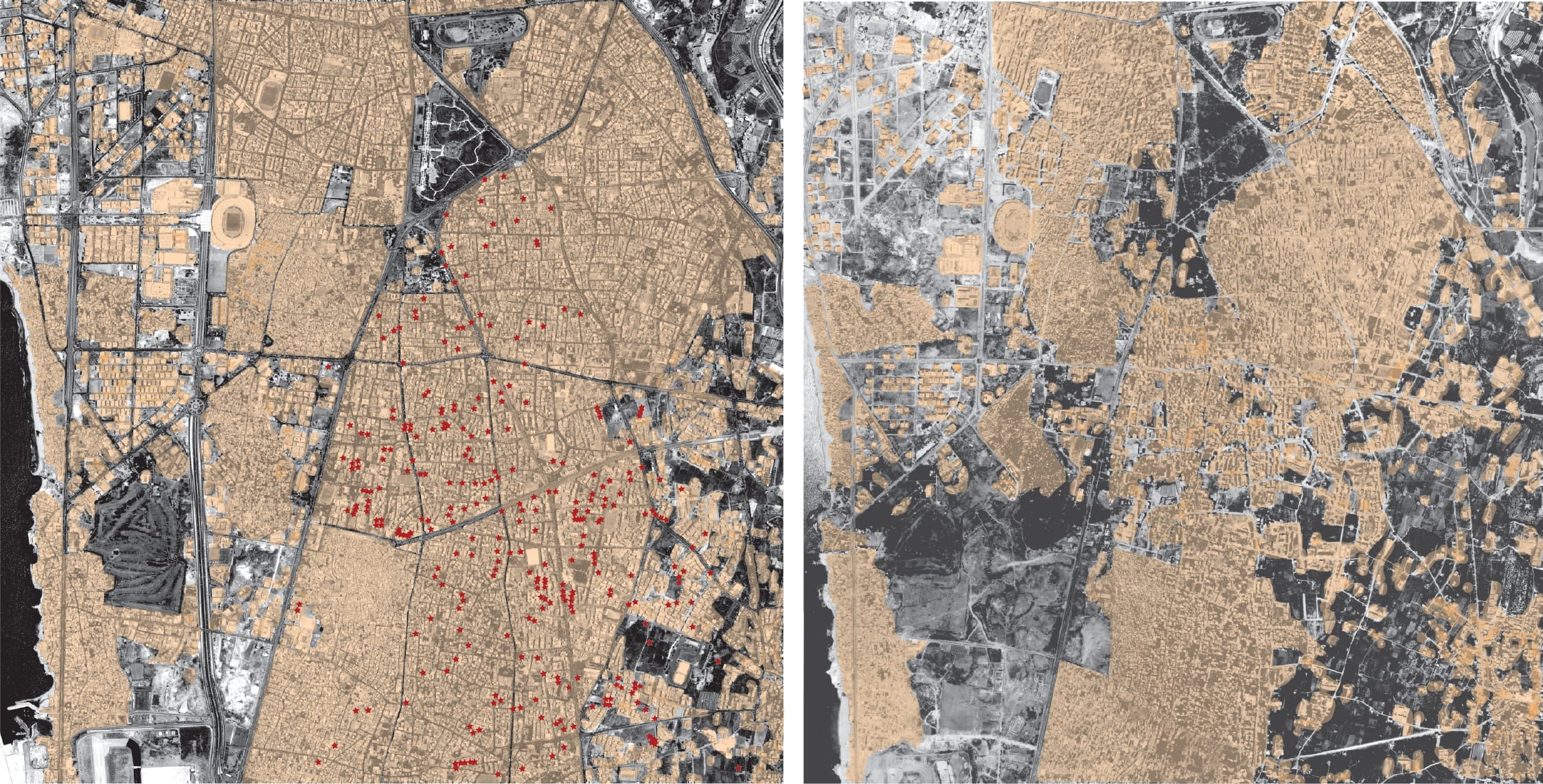
Arbitrary and forcible evictions of displaced persons who had occupied abandoned buildings through squatting also emerged. Squatting vacant buildings has been a primary means of accommodation for displaced persons, given the lack of formal housing options, high rents, and overcrowded shelters. We in Public Works Studio, have documented 34 vacant buildings occupied by displaced persons, 27 of which were in Beirut. These buildings had been vacant for at least three years, and up to 20 to 50 years16The percentage of vacant apartments and buildings in Beirut in 2023 reached an average of 20%, which is known as excessive, chronic, and long-term vacancy, according to Housing Vacancy in Beirut 2023: Drivers and Trends.. In Beirut, which saw a 32.6% population increase due to displacement, especially after the escalation of shelling in the south of Lebanon and southern suburbs, the number of displaced persons in some of these vacant buildings reached 250-300, and even 600 (150 families). Despite the state of war and the lack of alternative housing for the displaced, a number of these buildings and their residents were threatened with eviction, and evictions (full or partial) have already been carried out in some of them (at least 10 buildings).
Perhaps the most prominent of these buildings is the Red Star building, the Abd el Qader building in Hamra and Hotel Hildon in Raouche17All of them are located within the Ras Beirut real estate area, where the vacancy rate reached 19.7% in 2018. .
All three cases share the use of force as a primary factor, whether through criminal rather than civil proceedings, immediate eviction orders, or the use of violence by security forces. In all three cases, the owners filed complaints against the displaced residents for occupying private property with the Public Prosecution Office, which swiftly pursued the displaced residents and issued eviction orders within hours of receiving the complaints, giving them only 24 hours to leave. This speed raised questions about the possible role of the owners’ political influence in expediting the proceedings, especially since the owners of the three buildings belong to families with political and sectarian influence. Furthermore, the Public Prosecution Office relied on criminal law provisions to establish the crime of “occupation”, even though these provisions do not apply to the cases under consideration18The charge of breaching the sanctity of a home (Article 571 of the Penal Code) cannot be applied to abandoned and uninhabited buildings. The charge of seizing property (Articles 737 and 738 of the Penal Code) is invalid because the displaced had obtained prior consent, even if implicit, and no incidents of violence or coercion were recorded. Furthermore, their residence was temporary during the war, meaning that there was no intent to encroach on the property. To read more, see the report ” The State of hand on buildings Vacancy : Report around non legitimacy Evacuation during war ” ….
The direct intervention of the Public Prosecution in such cases constitutes a legal precedent, especially since it is the highest authority in the criminal judiciary. This contradicts the rulings issued by the criminal courts after the Israeli invasion in 1982.
Regarding the use of violence by security forces to enforce the eviction, in the case of Hamra Star, for example, officers stormed rooms without any regard for their sanctity, beat women and the elderly, terrorized children, and vandalized and destroyed the property. One displaced person was hospitalized as a result of the security forces’ violence, while several protesters were injured, including one who suffered a broken arm after being severely beaten by security forces.
Forced eviction during wars and emergencies is prohibited if it results in displacement and the loss of basic rights, which is what happened here due to the lack of housing alternatives. Furthermore, due to the lack of proper legal procedures, the displaced did not receive formal notices or clear legal justifications, nor were they given adequate notice to evacuate, which violates the right to legal defense. Furthermore, force was used during the evictions, despite international law prohibiting violence in such operations. Finally, these cases reveal the absence of sustainable solutions to the housing crisis, as displaced persons were left to their fate before and after eviction, despite their efforts to rehabilitate and improve their buildings. They also highlight the political and social dynamics that affect the right to housing in the city, where individual property interests intertwine with political and security considerations in eviction decisions. This raises the need to rethink property and land use laws and develop fair housing policies that guarantee access to housing, especially in times of crisis. It also highlights the need to resist the criminalization of squatting on vacant buildings during wars as a natural response to the lack of housing alternatives.
A worsening housing crisis that needs comprehensive treatment
The Israeli war revealed deep-rooted imbalances in Lebanon’s housing situation and policies, exacerbating the crisis to an unprecedented degree. In addition to the housing challenges faced by residents before the war, which we have reviewed in this report, the emergency conditions imposed by the war were expected to require urgent official and political intervention within a comprehensive and integrated emergency plan to prevent displacement and avert a humanitarian disaster. This plan would involve taking measures to provide housing solutions for the displaced, by imposing strict rent controls to limit exploitation, providing temporary housing by occupying vacant buildings (both private and public), and providing targeted financial assistance to meet housing needs and support displaced people who lost their homes and livelihoods, to name a few. However, the authorities failed to respond effectively to these challenges. Consequently, this war opened a new chapter in Lebanon’s housing crisis. The long-term repercussions are beginning to unfold, and post-war housing challenges are beginning to crystallize (we will address these challenges in a future article).
Today, we need more than temporary solutions and patchwork measures. What is required is for the Lebanese authorities to acknowledge their inability to manage the housing crisis, both before and during the war, and to place housing at the heart of their post-war policies. This requires developing comprehensive strategies and enacting a law that enshrines the right to housing, not only to address existing crises, but also to prepare for what future crises may bring, in a country caught in a cycle of disasters, wars, and setbacks. The absence of robust and equitable housing policies reproduces disaster with every crisis, leaving residents, especially marginalized groups, trapped in a cycle of displacement and housing instability with every new shock.
Sources
- 1The total number of cases is 98, 94 of which are from the Housing Monitor, and the rest from media monitoring.
- 2The total number of cases is 21, 18 of which are from the Housing Monitor, and the rest from media monitoring.
- 3
- 4In addition to internal displacement, the war has caused massive waves of refugees to Syria. Lebanese General Security recorded the crossing of 396,523 Syrians and 244,640 Lebanese citizens into Syria between September 23 and November 26, 2024. Source:تقرير رقم 50 للجنة الطوارئ حول الاعتداءات الإسرائيلية على لبنان والوضع الراهن
- 5To read the full report
- 6
- 7The same source
- 8The same source, where the percentage of 1% of the displaced, according to the report, included displaced women/men who lived in unfinished buildings, in tents, or were displaced in parks and streets, or in self -settled sites , and this percentage reached about 5% within Beirut.
- 9For more details, please see the table . My time Documents Decisions Official , projects laws , raids that Targeting refugees Syrians
- 10It clearly states on its page, under the heading “Urgent Housing Support,” that “Housing/shelter options are extremely limited for displaced refugees and migrants. We urge you to find immediate accommodation with relatives and friends or find other solutions,” and “Please do not approach UNHCR offices or reception centers to request shelter/housing.” The Lebanese government’s hotlines for shelter centers are also attached in the same column.
- 11Source: Research conducted by the Housing Monitor team with an displaced person at Al-Qattin School on November 5, 2024.
- 12They initially slept on the floor due to a lack of equipment until mattresses, pillows, and other necessities could be provided by activists and associations.
- 13Under this plan, 350 schools and secondary schools were supposed to open for in-person education, 397 schools and secondary schools for distance education, in addition to 45 schools and secondary schools that would be used as shelters, with a separate section of these schools designated as educational space for students.
- 14According to the law, “when a building is identified as being at risk of collapse, the owner shall be notified of the demolition decision by sending him a warning. If he does not receive the warning for any reason, a copy of the warning must be posted on the building to be demolished and another copy of it on the door of the municipality or governorate center.”
- 15The building owner and its residents must be notified in advance of the demolition decision and given a period ranging between 15 days and two months from the date of demolition and evacuation,”
- 16The percentage of vacant apartments and buildings in Beirut in 2023 reached an average of 20%, which is known as excessive, chronic, and long-term vacancy, according to Housing Vacancy in Beirut 2023: Drivers and Trends.
- 17All of them are located within the Ras Beirut real estate area, where the vacancy rate reached 19.7% in 2018.
- 18The charge of breaching the sanctity of a home (Article 571 of the Penal Code) cannot be applied to abandoned and uninhabited buildings. The charge of seizing property (Articles 737 and 738 of the Penal Code) is invalid because the displaced had obtained prior consent, even if implicit, and no incidents of violence or coercion were recorded. Furthermore, their residence was temporary during the war, meaning that there was no intent to encroach on the property. To read more, see the report ” The State of hand on buildings Vacancy : Report around non legitimacy Evacuation during war ” …

Two Complementary Draft Laws to Strengthen the Right to Housing
On Wednesday, February 25, 2026, MP Halima Al-Qaqour, along with a number of MPs, submitted two draft laws to the Speaker of Parliament. The first, an amendment to the old residential lease law, …