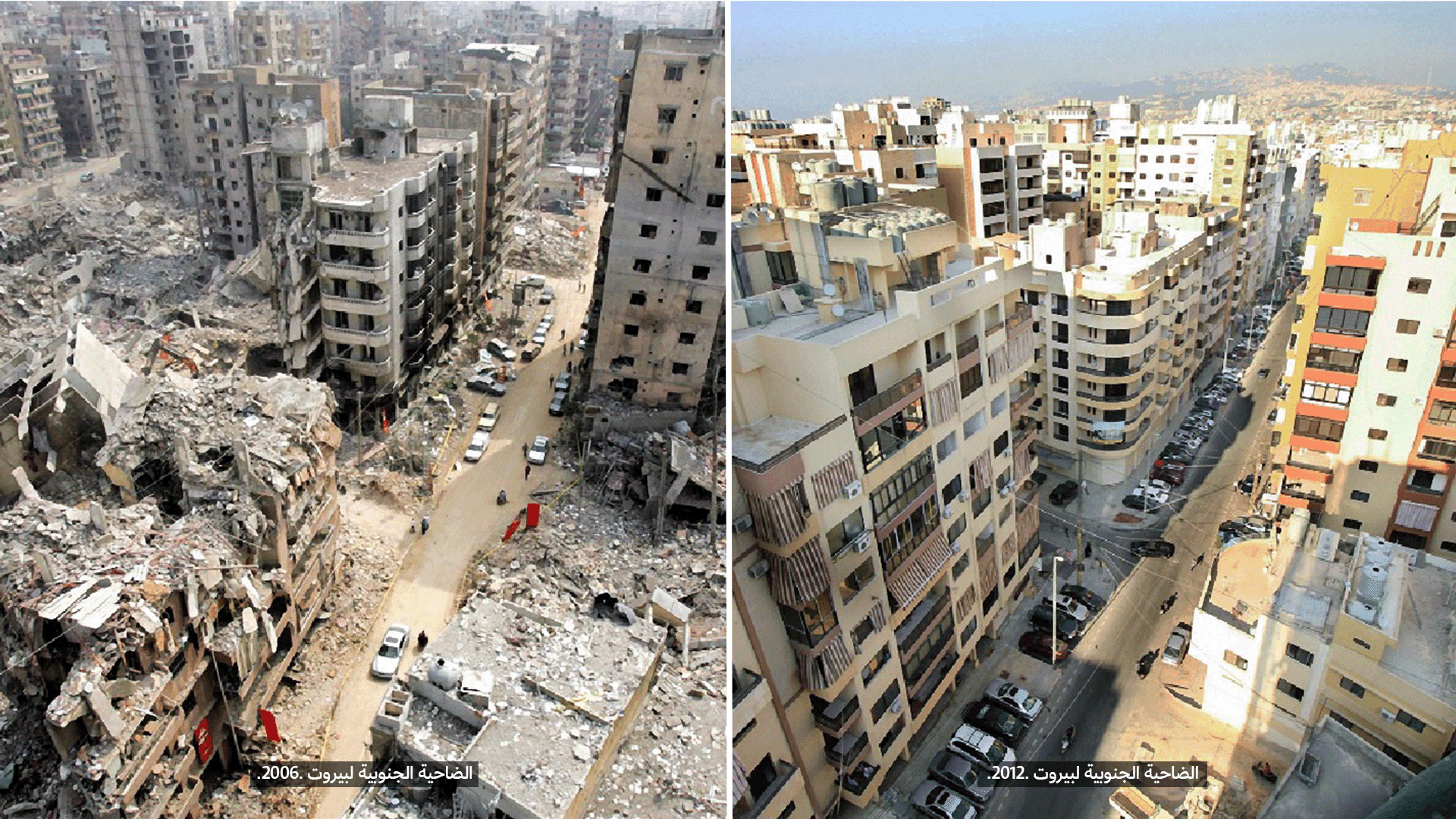
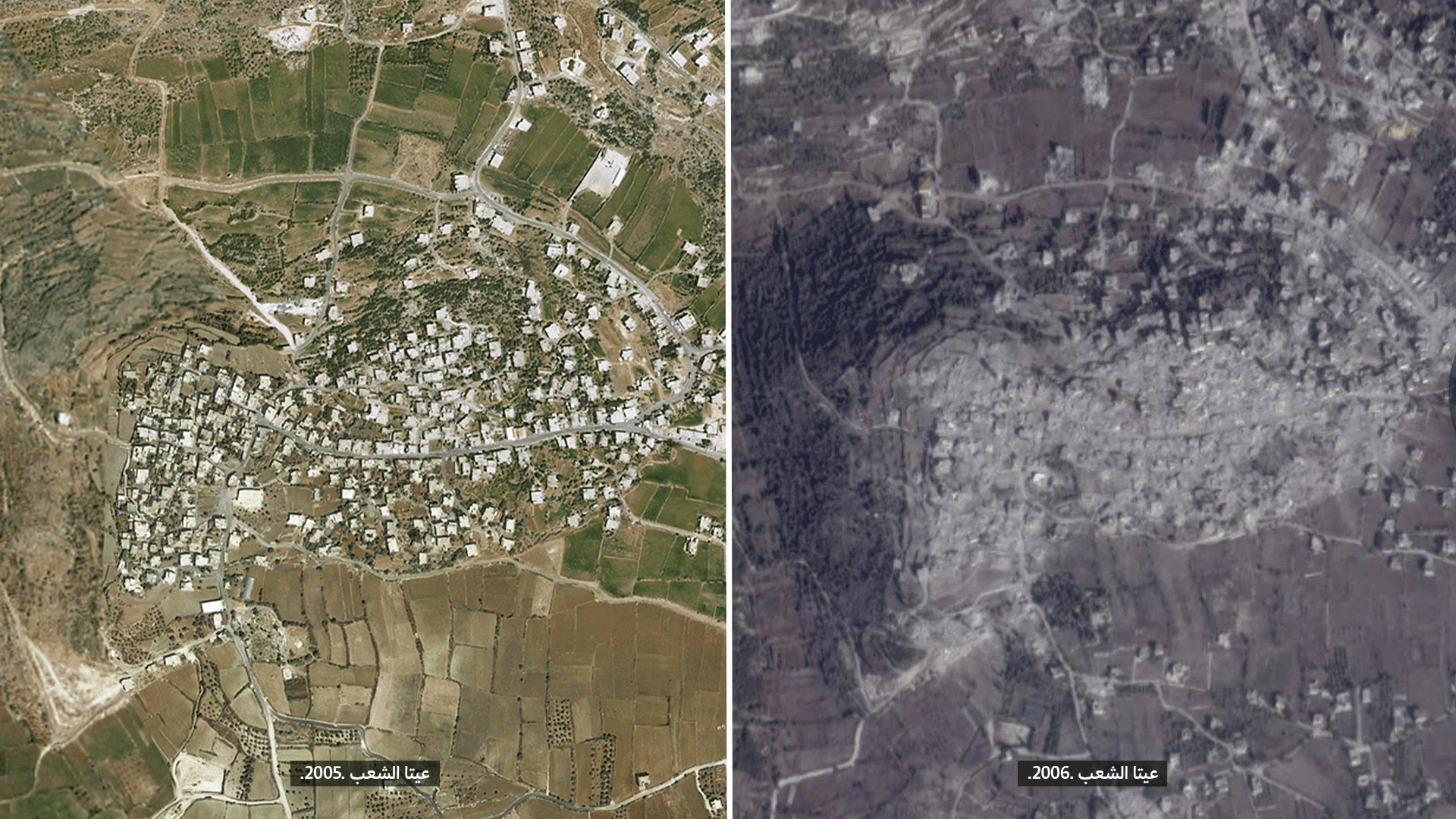
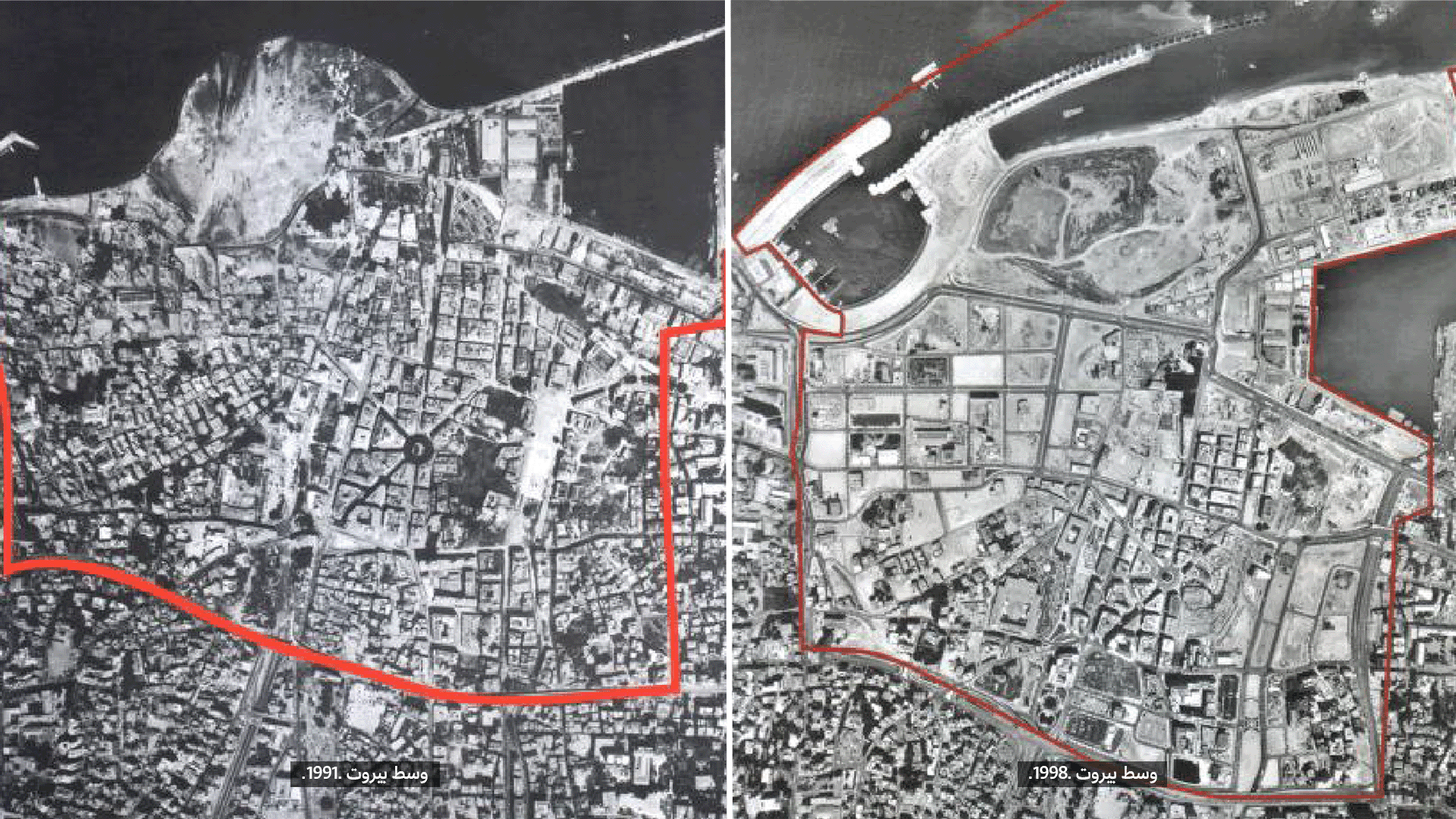
The story of the destruction and reconstruction of Nahr al-Bared camp offers insights into the current state of Palestinian camps and settlements in Lebanon. This study demonstrates that the approach adopted by official Lebanese politics in Nahr al-Bared, both in the “old camp” and its extension, will likely lead to the emergence of a new approach to dealing with Palestinian camps and settlements in Lebanon, one that relies on security measures reinforced by discriminatory laws. The study examines the historical background of the development of the Nahr al-Bared camp’s extension, placing it within the context of the development of what is known as “informal settlements,” particularly in the global South, where residents are able to acquire basic shelter at a low cost. However, the state’s involvement in controlling the fate of the camp over the past decade has undermined housing security in the camp’s extension and increased “informality.” This has occurred in two key phases: the 2001 law that prohibited Palestinians from owning property, and the 2007 war in Nahr al-Bared.
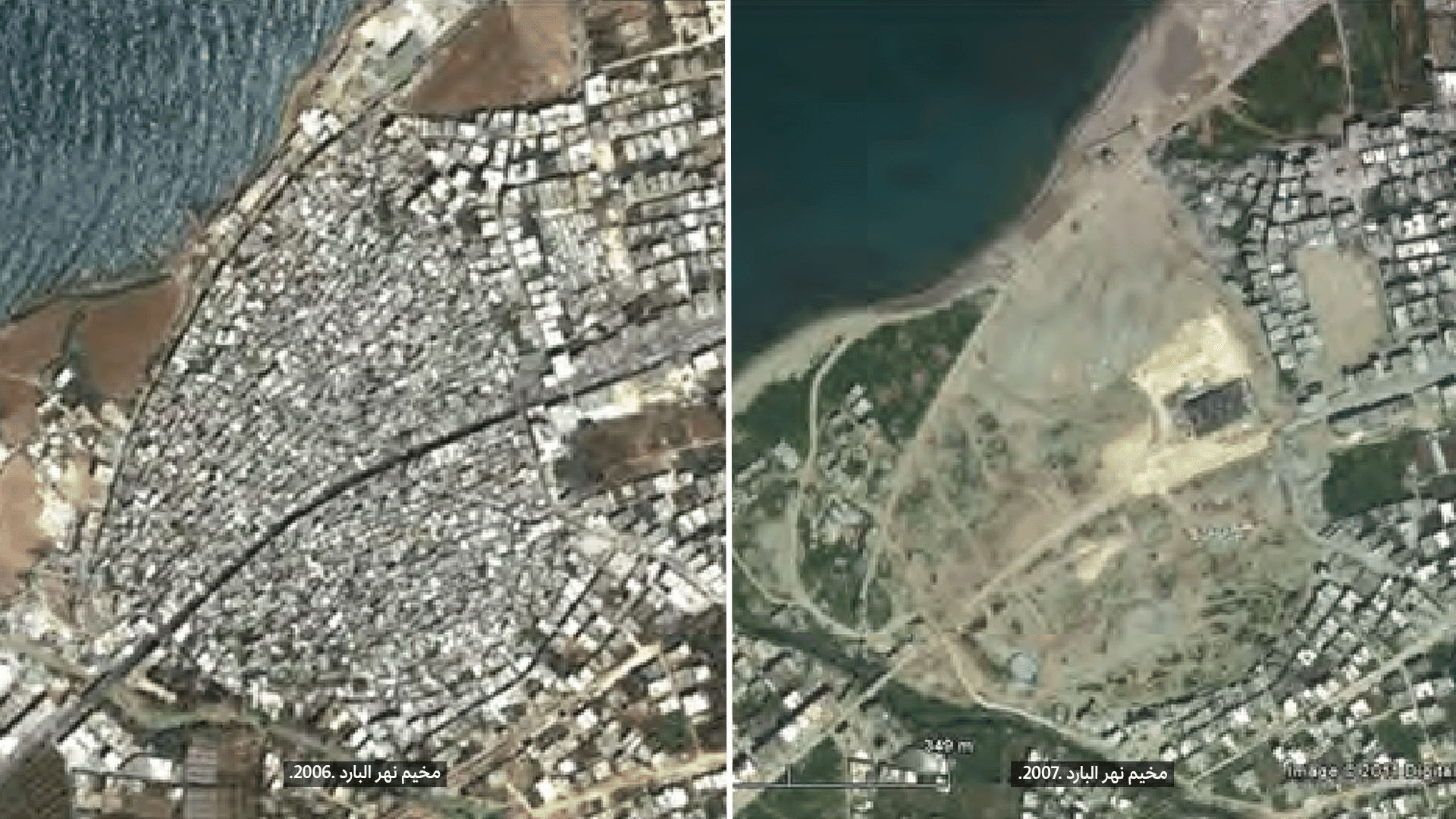
The camp’s extension in Lebanon between the barriers of security and law: The story of Nahr al-Bared
02/09/2025