policy

On the fortieth day since the martyrdom of journalist Amal Khalil: An interview with her about the South and its lands

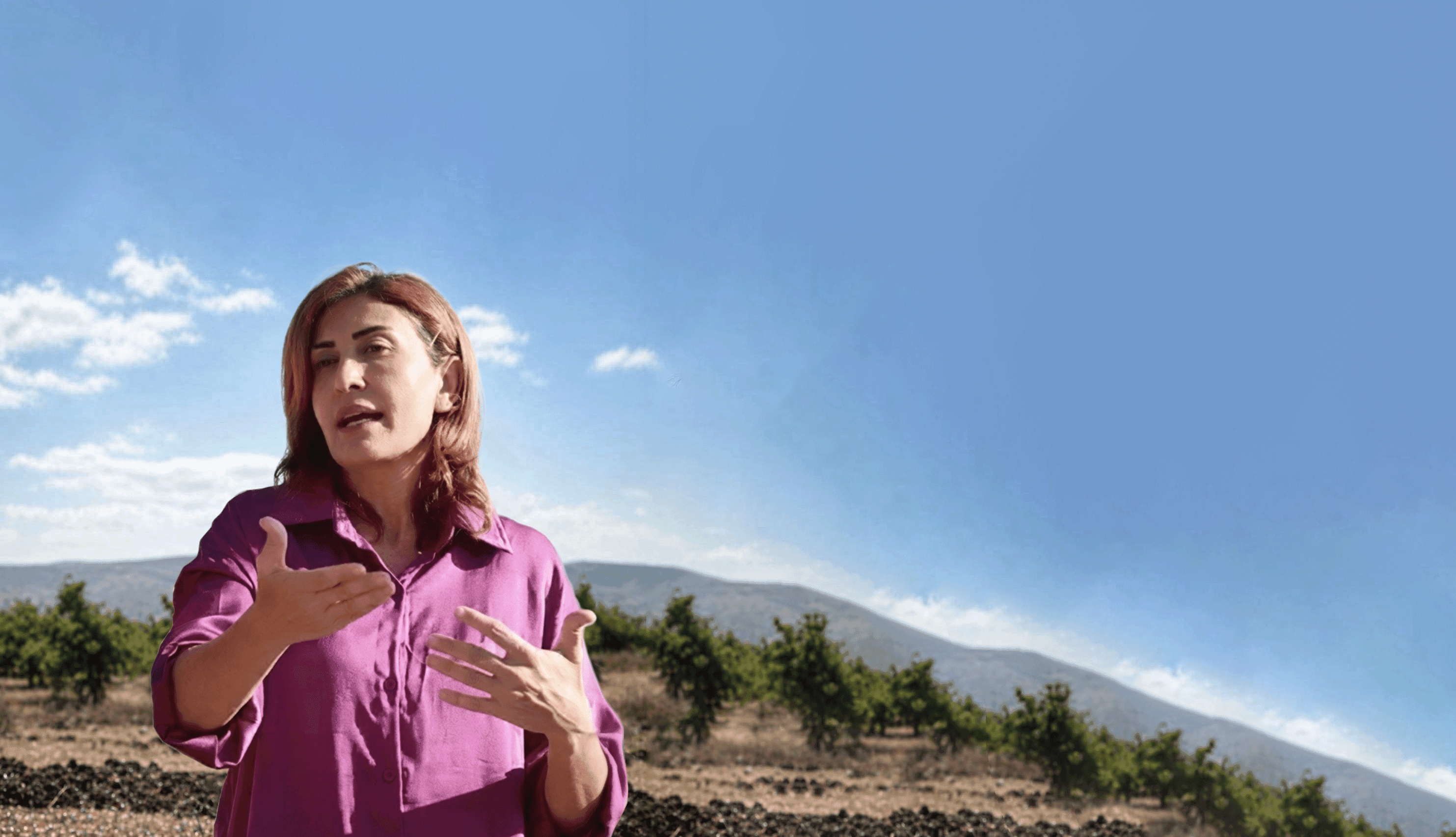
In her home in Bayssariyeh, Amal welcomed us on February 28, 2019. She was the one speaking, and we were the ones asking questions about the South, its people, and its problems.
On April 22, 2026, while doing the same thing—telling people about the South and standing against the erasure of memory and land—Amal was killed in an Israeli airstrike that targeted her several times.
As part of a research project on the agricultural plain in the Zahrani region, we had observed changes in land ownership, and wanted to understand the reality of these ownership structures and their implications.
Below are the words of the martyred journalist Amal Khalil about the Zahrani Plain.

The Government Legalizes Violations and Complicity in Environmental and Housing Damage:

The Issued Decree Authorizes Industrial Expansion in Kfour, Despite Pending Court Challenges

The government has legalized a harmful industrial expansion in Kfour, neglecting environmental and health threats and ongoing legal objections. Residents and civil society are calling on the government to withdraw Decree 1962 before more damage is done to their health, homes, and land.

A law proposal to establish a separate cadastral zone for the municipality of Saadiyat, submitted by MP Bilal Abdullah, represents a pivotal point for a deeper discussion around the history of these areas and their evolving social boundaries. In the case of Damour and Saadiyat, the area became a symbol of the profound political crisis brought about by demographic changes in the Chouf coastal region, resulting from transformations and repeated waves of displacement to and from it.

Lessons from the “Waad” Reconstruction Project

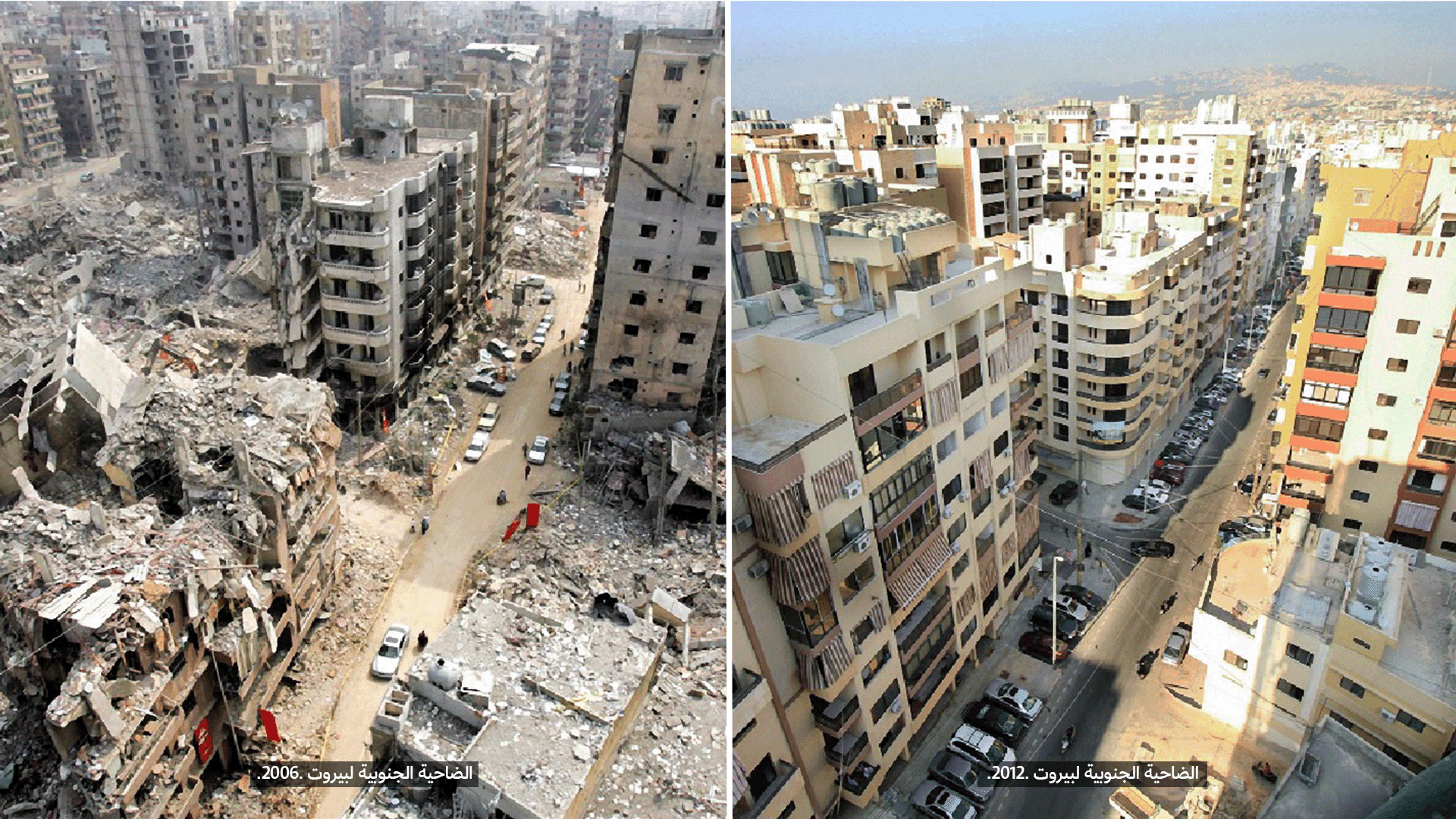
After thirty-three days of continuous bombardment that killed more than 1,000 people, the 2006 war affected a total of 1,232 buildings, mostly residential.
On November 14, 2006, a meeting was held with residents, where they expressed one primary concern: returning to their homes as soon as possible. Accordingly, the local political party promised to rebuild Beirut’s southern suburbs, making them “more beautiful than before,” as the slogan of the project became.
In this text, we present the project and its challenges, especially at the urban level.

The Beirut Central District Reconstruction Experience (Solidere)

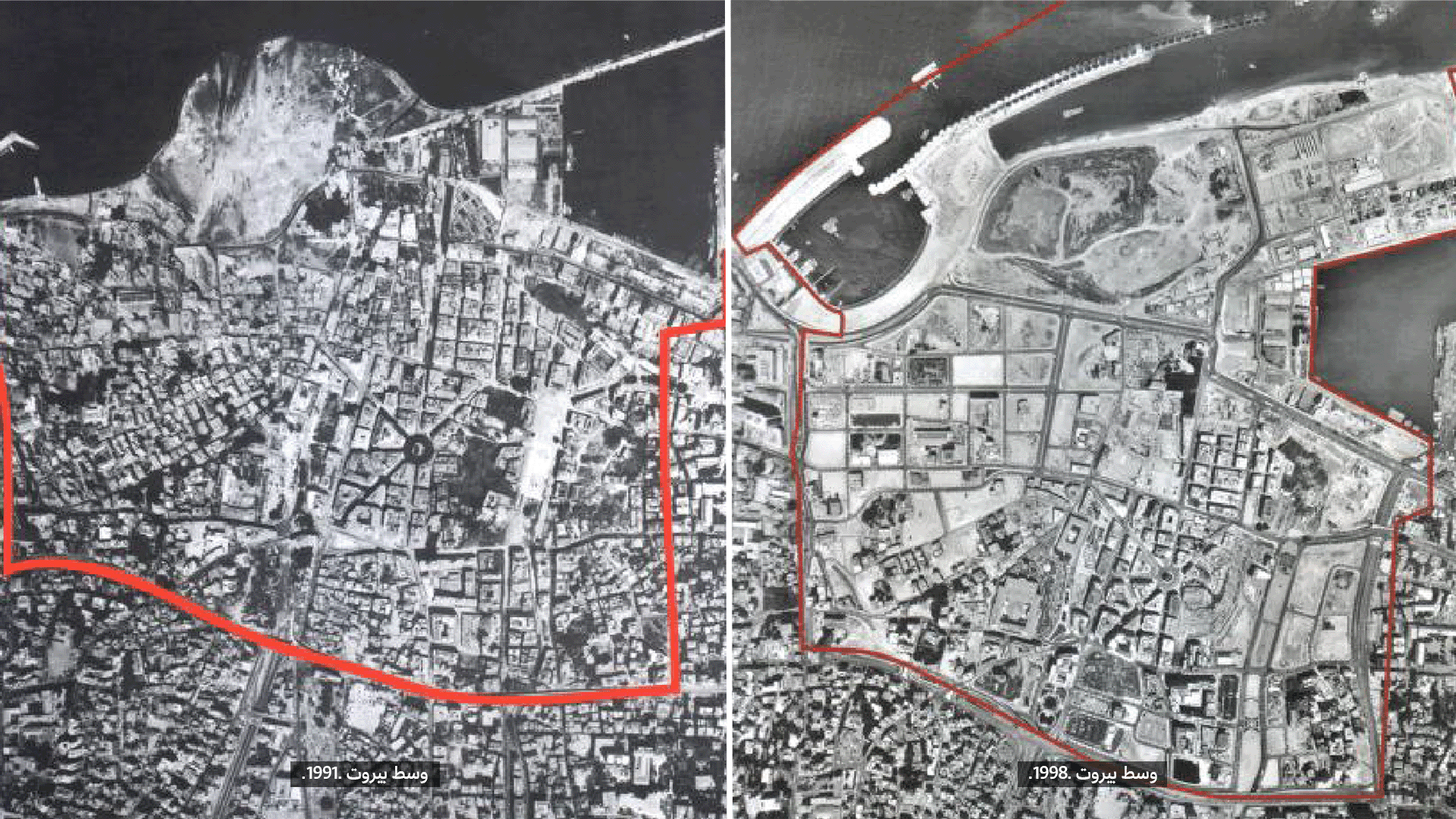
Solidere was established after the end of the Lebanese Civil War (1975-1990) to undertake the reconstruction of downtown Beirut, which is now known by its name. This company’s experience represents the neoliberal model of reconstruction, a model that has been subject to much criticism and questioning.
This article reviews Solidere’s experience with the aim of recalling it and rethinking the social and cultural repercussions of the neoliberal model it followed.

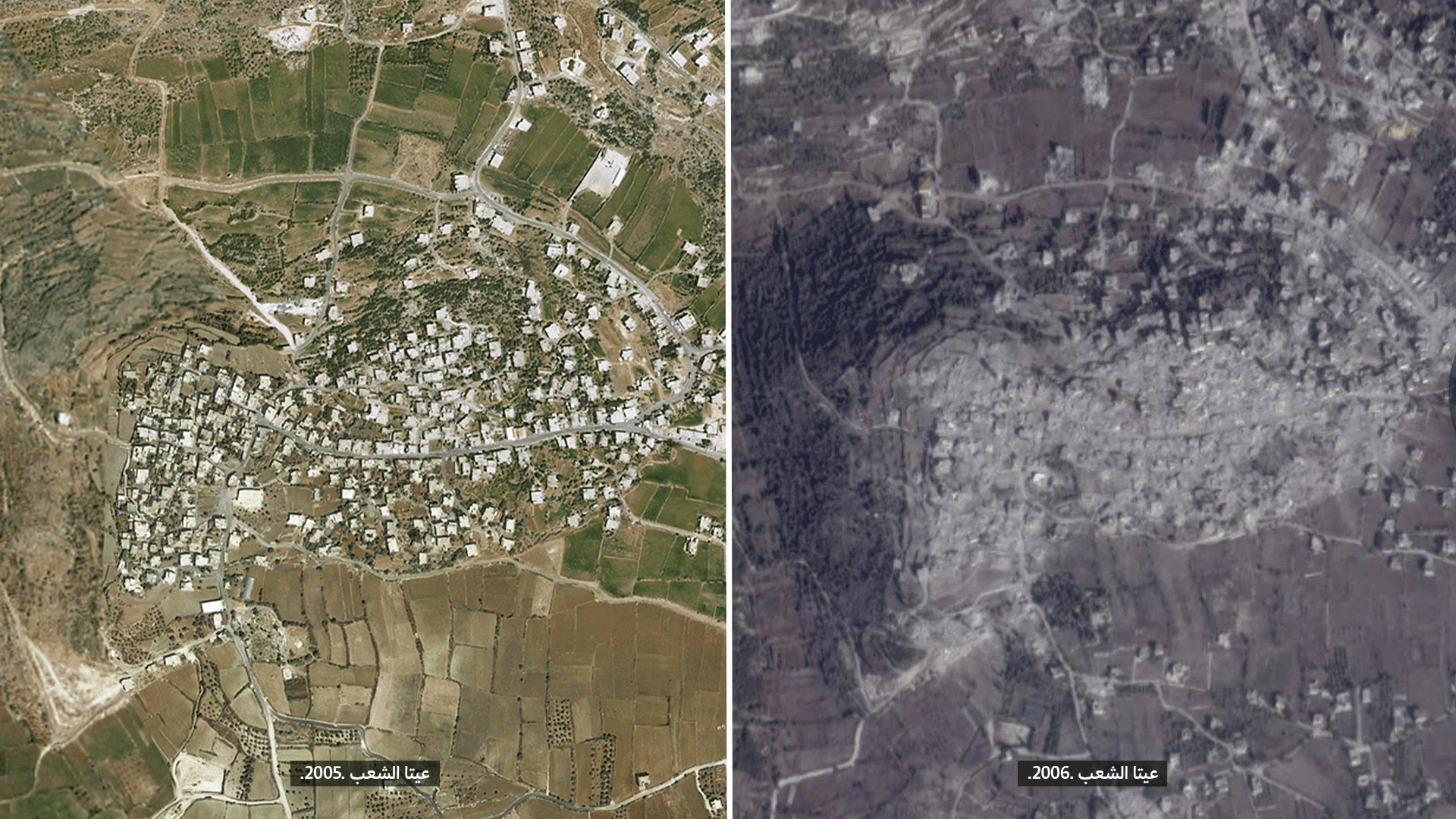
Aita al-Shaab: How do we rebuild a village?

Bulldozing the old neighborhood in Aita al-Shaab, a Lebanese village on the southern borders, following the 2006 israeli war, the solidere-like approach to reconstruction, or the many stories we heard from returnees and their experiences during the war, highlighting the meaning of losing their home, their village, and their community. We will attempt to address these three levels through this text, while exploring the experiences of a group of urban planners who volunteered to support reconstruction efforts in the village immediately after the war.

“Reconstruction in Lebanon: Experiences and Lessons”

Lebanon, and particularly the South, Beirut, and the Bekaa, is experiencing massive destruction of its infrastructure, buildings, spaces, and social and urban fabric as a result of the recent Israeli war. This has …

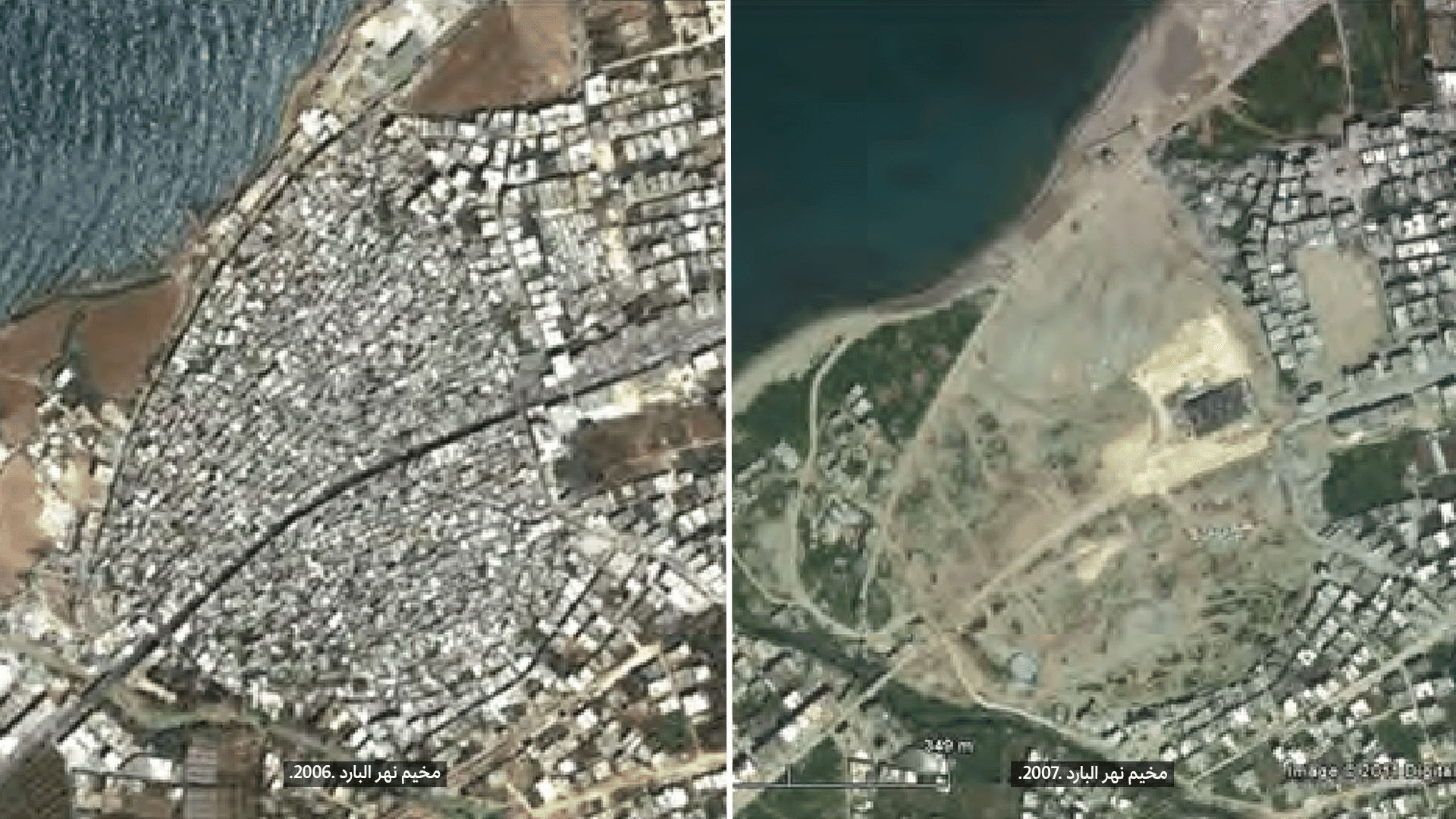
The camp’s extension in Lebanon between the barriers of security and law: The story of Nahr al-Bared

The story of the destruction and reconstruction of Nahr al-Bared camp offers insights into the current state of Palestinian camps and settlements in Lebanon. This study demonstrates that the approach adopted by official Lebanese politics in Nahr al-Bared, will likely lead to the emergence of a new approach to dealing with Palestinian camps and settlements in Lebanon, one that relies on security measures reinforced by discriminatory laws.

How Can I Protect My Rights as an Old Rent Tenant Amid a Suspended Law and Ongoing Crises? A Legal and Practical Guide

Are you an old rent tenant at risk of eviction? Learn how to protect your housing rights under Law No. 2/2017 and navigate Lebanon’s suspended rent system.

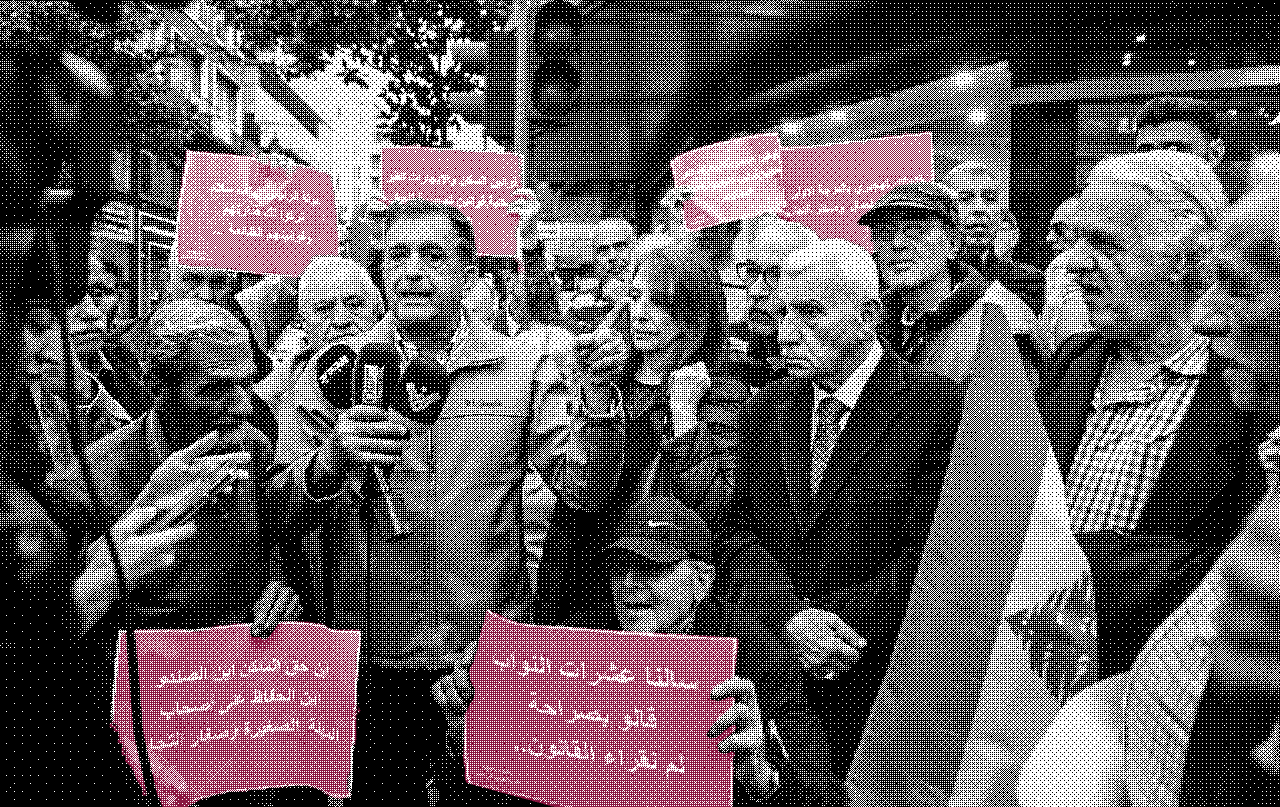
 Imad Al-Hout Approaches the Social Crisis of Old Rent Contracts Through a Narrow Numerical Lens

In a few lines, Representative Imad Al-Hout seeks, by proposing a repeated accelerated law, to resolve the decades-old problem surrounding the old rent law, by setting a clear date for the entry into …

Who’s Beirut?

On the Necessity of a Unified Conception of the City that Goes Beyond its Municipal Borders

Over the course of more than a century, Beirut has witnessed a radical transformation and tremendous urban and population growth intertwined with major historical events. Aerial maps show this expansion, but also they raise a basic question: Who is Beirut today, with its urban complexities and interactions?

The Independent Municipal Fund: How does the state distribute its shares without any studies?

In the last month of 2024, Decree 14492 was approved to distribute the revenues of the Independent Municipal Fund for the year 2022, which distributes shares to municipalities, based on a number of …