From Dossier

Lessons from the “Waad” Reconstruction Project

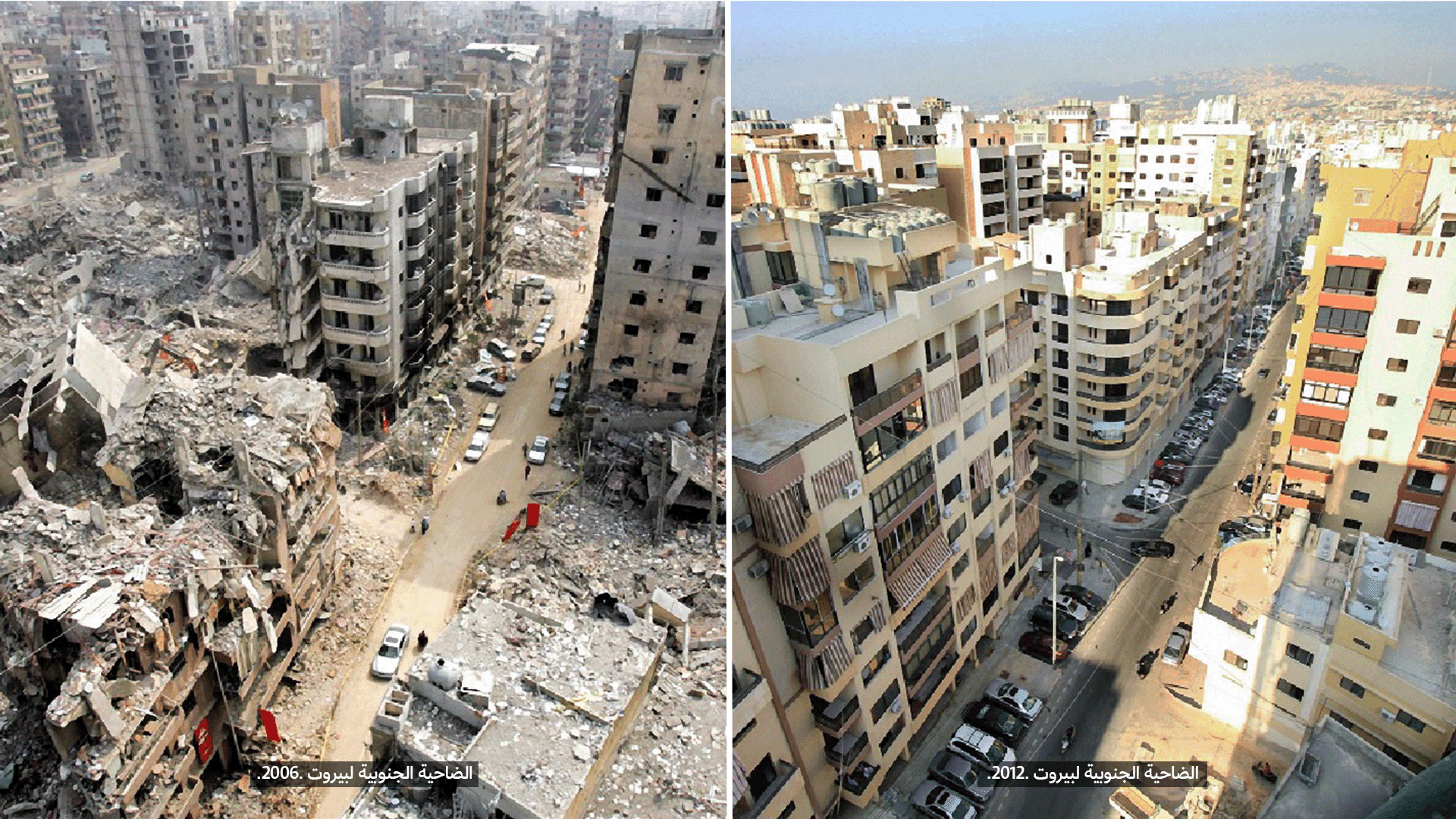
After thirty-three days of continuous bombardment that killed more than 1,000 people, the 2006 war affected a total of 1,232 buildings, mostly residential.
On November 14, 2006, a meeting was held with residents, where they expressed one primary concern: returning to their homes as soon as possible. Accordingly, the local political party promised to rebuild Beirut’s southern suburbs, making them “more beautiful than before,” as the slogan of the project became.
In this text, we present the project and its challenges, especially at the urban level.

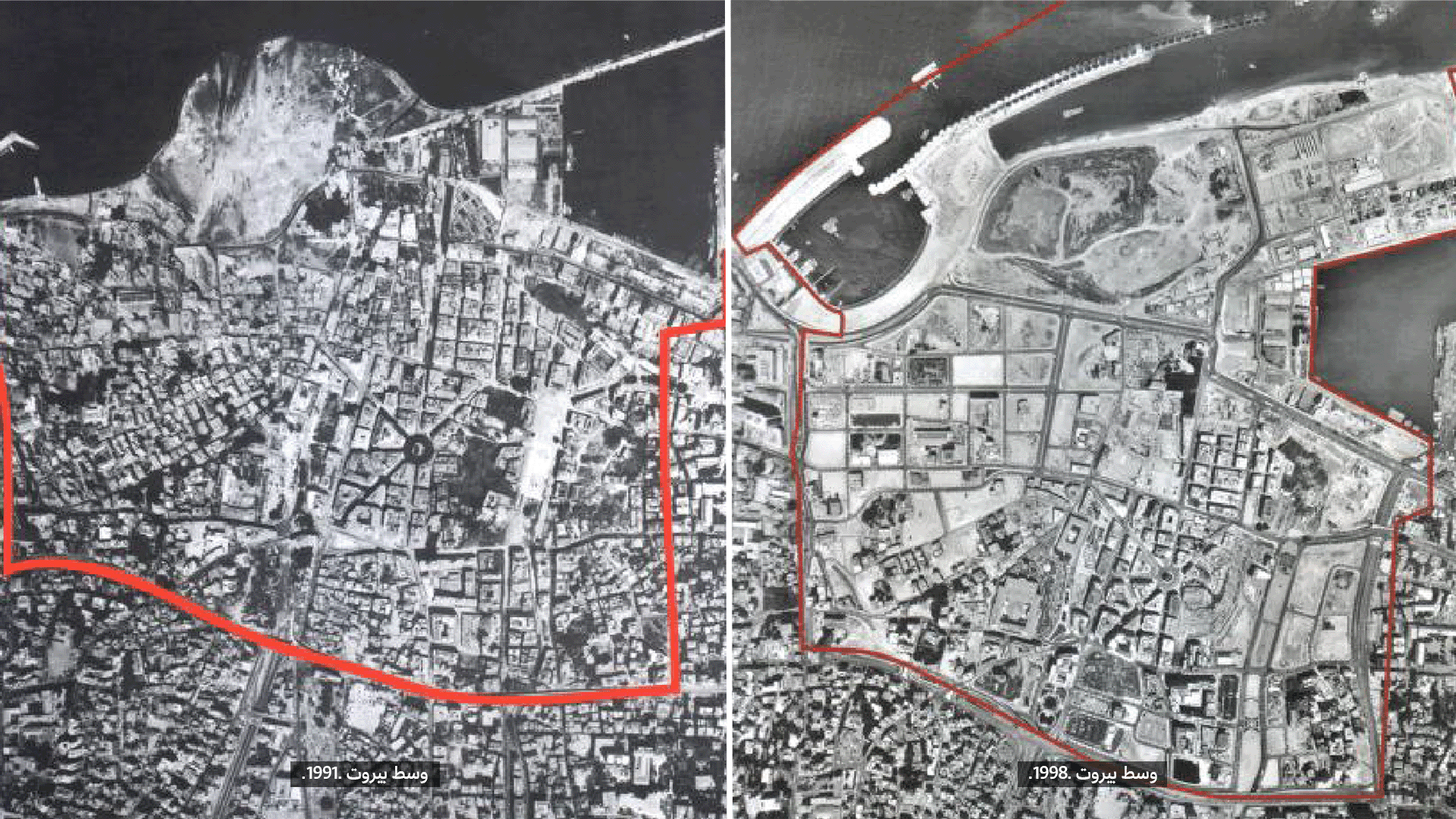
The Beirut Central District Reconstruction Experience (Solidere)

Solidere was established after the end of the Lebanese Civil War (1975-1990) to undertake the reconstruction of downtown Beirut, which is now known by its name. This company’s experience represents the neoliberal model of reconstruction, a model that has been subject to much criticism and questioning.
This article reviews Solidere’s experience with the aim of recalling it and rethinking the social and cultural repercussions of the neoliberal model it followed.

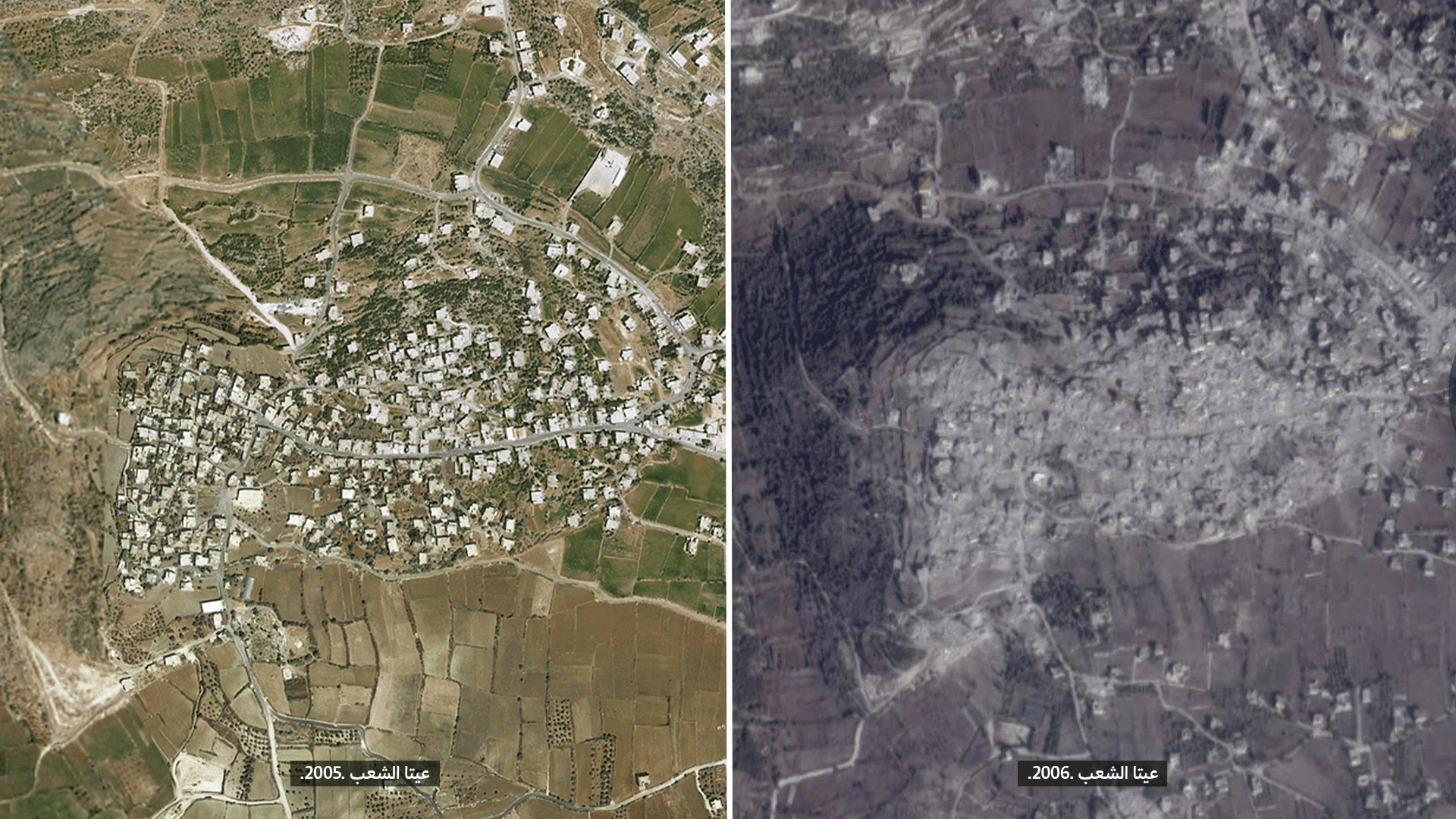
Aita al-Shaab: How do we rebuild a village?

Bulldozing the old neighborhood in Aita al-Shaab, a Lebanese village on the southern borders, following the 2006 israeli war, the solidere-like approach to reconstruction, or the many stories we heard from returnees and their experiences during the war, highlighting the meaning of losing their home, their village, and their community. We will attempt to address these three levels through this text, while exploring the experiences of a group of urban planners who volunteered to support reconstruction efforts in the village immediately after the war.

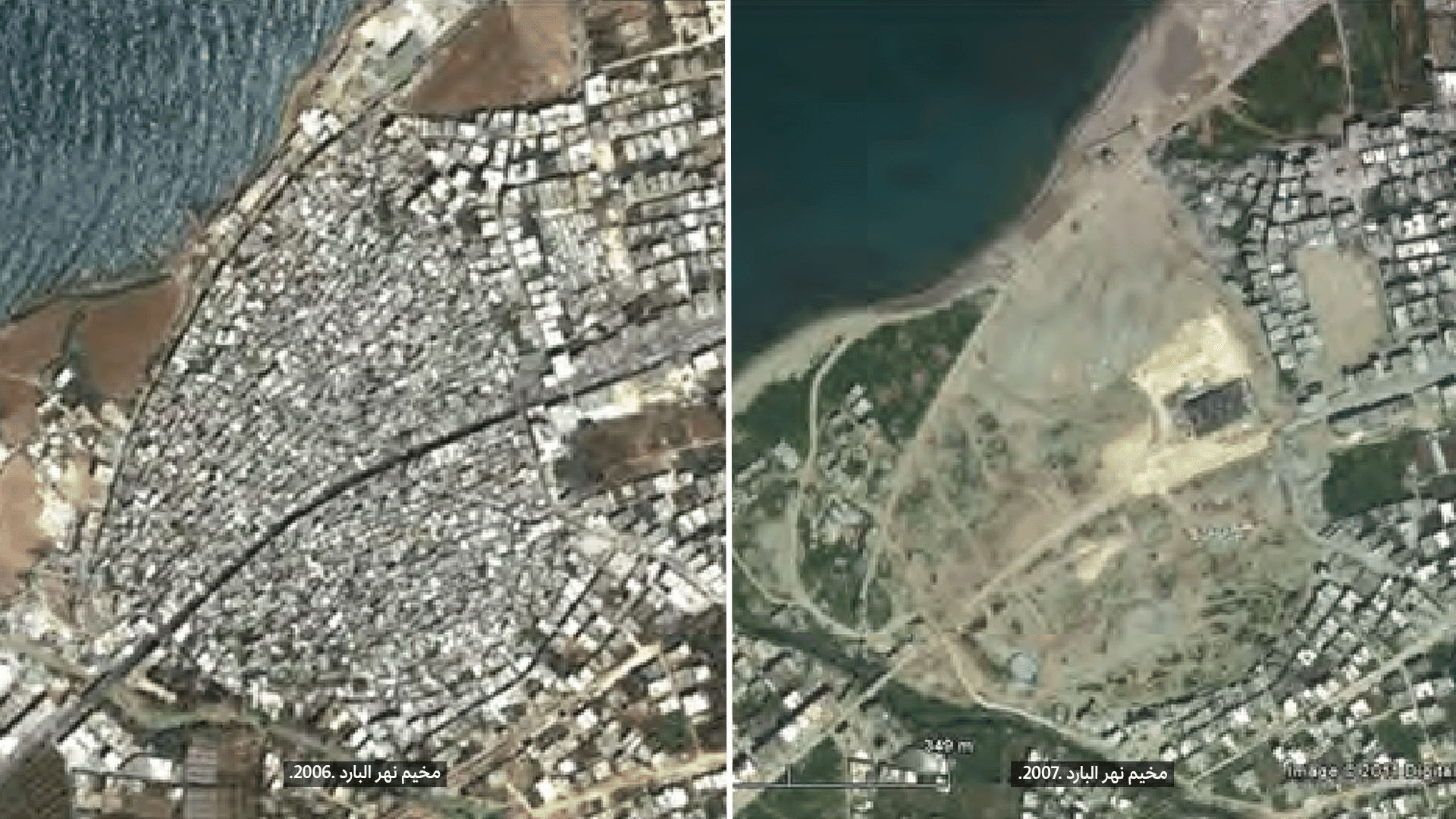
The camp’s extension in Lebanon between the barriers of security and law: The story of Nahr al-Bared

The story of the destruction and reconstruction of Nahr al-Bared camp offers insights into the current state of Palestinian camps and settlements in Lebanon. This study demonstrates that the approach adopted by official Lebanese politics in Nahr al-Bared, will likely lead to the emergence of a new approach to dealing with Palestinian camps and settlements in Lebanon, one that relies on security measures reinforced by discriminatory laws.

Investigating the Religious Land Endowments in Lebanon

Part 2 | The Lost Social Value of the Properties of Three Sects in Greater Beirut

Amid Lebanon’s economic crisis, religious authorities have been excluded from the discussion on sharing the losses, despite being among the largest landowners and benefiting from tax breaks. In this context, it was necessary to conduct an in-depth study of religious endowment lands (waqf), highlighting their social value, placing them at the center of the wider conversation on the economic collapse, as well as shedding light on the needed regulation and taxation, and making the related data accessible as a basis for any future advocacy.

Investigating the Religious Land Endowments in Lebanon

Part 1 | An Overview of the Law and the Land Registry

Amid Lebanon’s economic crisis, religious authorities have been excluded from the discussion on sharing the losses, despite being among the largest landowners and benefiting from tax breaks. In this context, it was necessary to conduct an in-depth study of religious endowment lands (waqf), highlighting their social value, placing them at the center of the wider conversation on the economic collapse, as well as shedding light on the needed regulation and taxation, and making the related data accessible as a basis for any future advocacy.

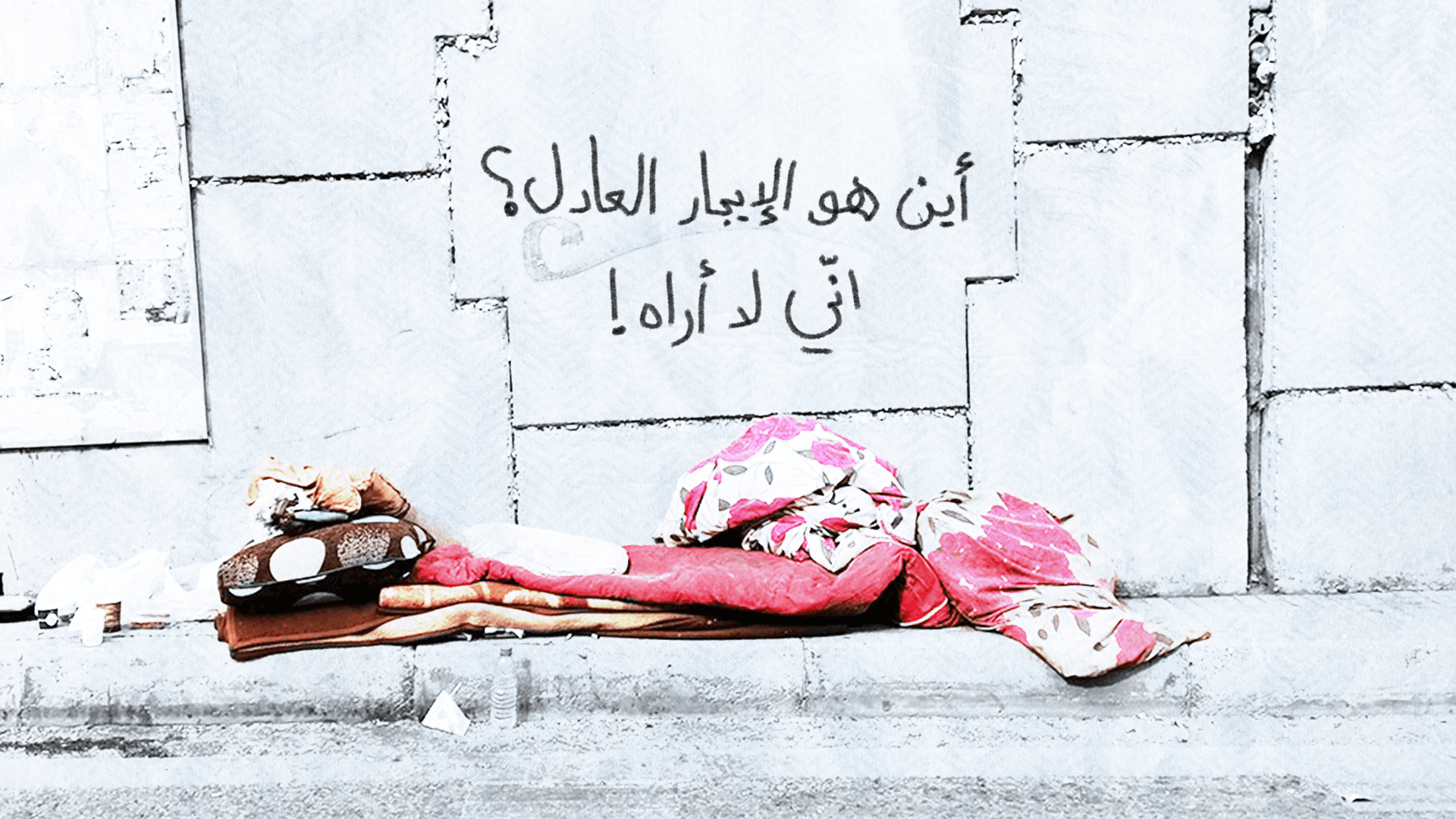
Rent in times of Displacement: Draining people’s savings

Based on the current state of the rental market and an analysis of a sample of rental units, we question the possibility of completely abolishing rent at this stage, so that the displaced, who have lost their homes, livelihoods, and jobs due to the war, are not forced to exhaust their remaining savings to pay rent, but rather the state takes its responsibility to provide them with free shelter.

Eviction in the war: Protecting Private Property, the Case of Hildon Hotel

Once again, we document the story of an abandoned building, the “Hildon Hotel” in Raouche, where around 600 displaced people, fleeing the Israeli war, sought refuge. Though the hotel owner’s son initially allowed them to stay, he later demanded their eviction, forcing them to leave without alternative housing. This case highlights the urgent need for government intervention, calling for the use of vacant properties as temporary housing and ensuring evictions follow legal procedures with suitable alternatives provided.

The Right to Housing: Immediate Measures for Providing Equitable Shelter

By October 2024, over 1.3 million people had been displaced in Lebanon as a result of the Israeli war. Despite the urgent need for state-led relief, the government’s efforts have largely fallen short, …

How the Zionist colonization derives its tools from European colonization

This is the second article in the open dossier in which we look at Gaza not only as a people of resistance, but as a fighting place in its own right, through its existence, its regions, and its history. After the first article in which Ghayad discussed Gaza’s neighborhoods, landmarks, and the political value of spatial annihilation, she delves into the meaning of the expression “a land without a people for a people without a land.”

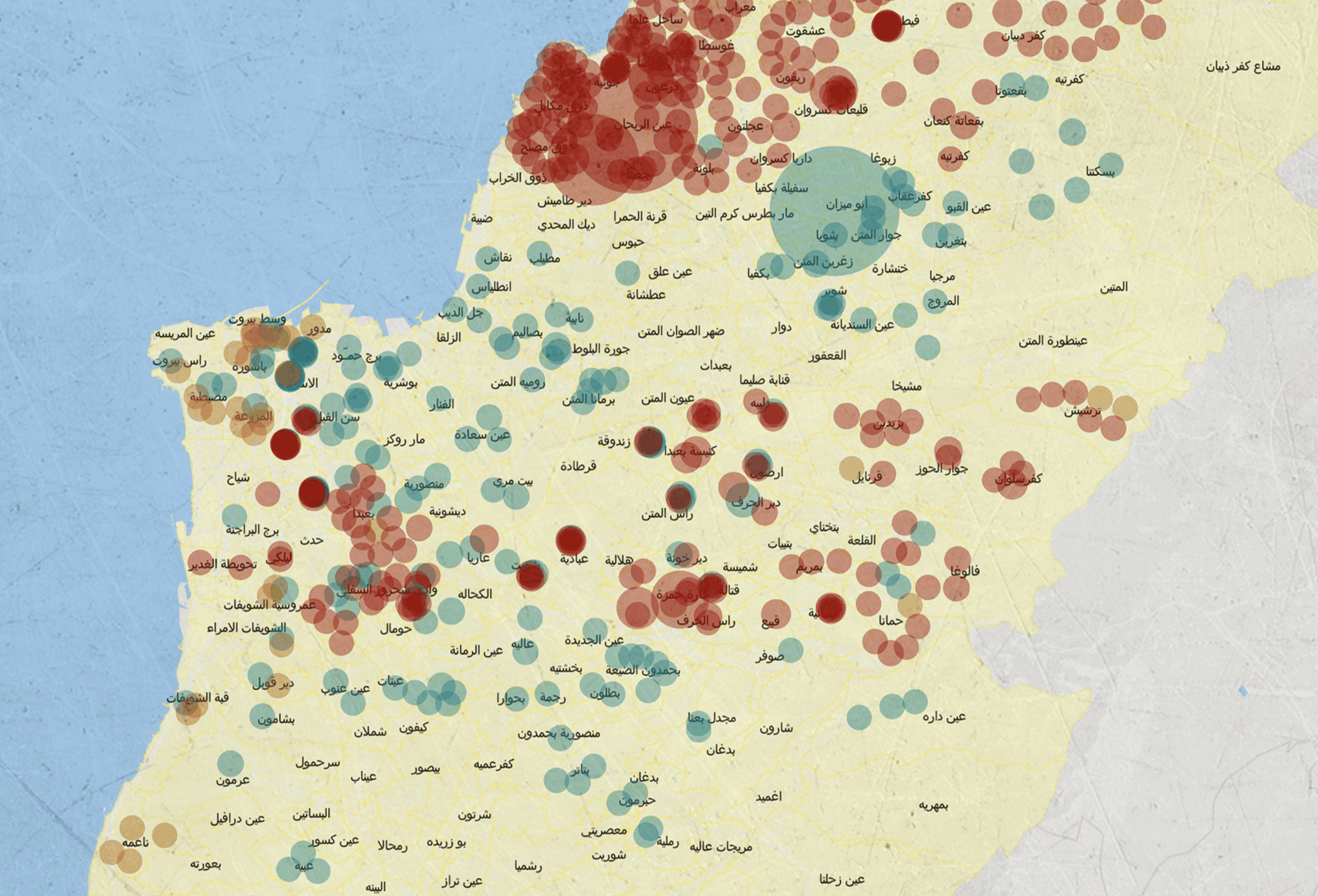
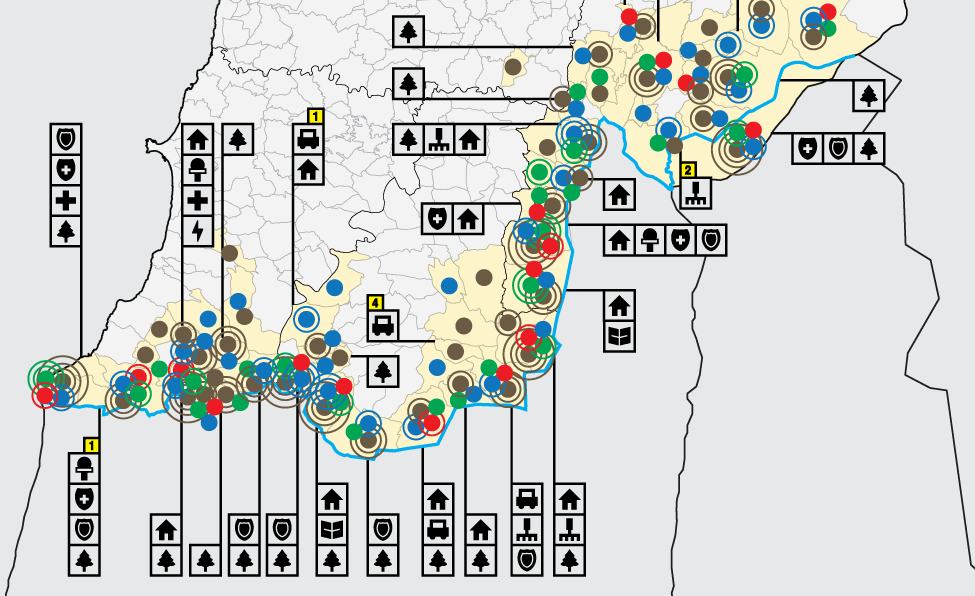
Map of Israeli Attacks on Lebanon 2023

For over 300 days, the war on Lebanon’s southern fronts has ravaged 184 towns, claiming more than 466 lives, including about 108 civilians of which children, refugees, journalists, and aid workers.  As a …

Planning Dibbiyeh:

Between Private Interests and Public Apprehensions

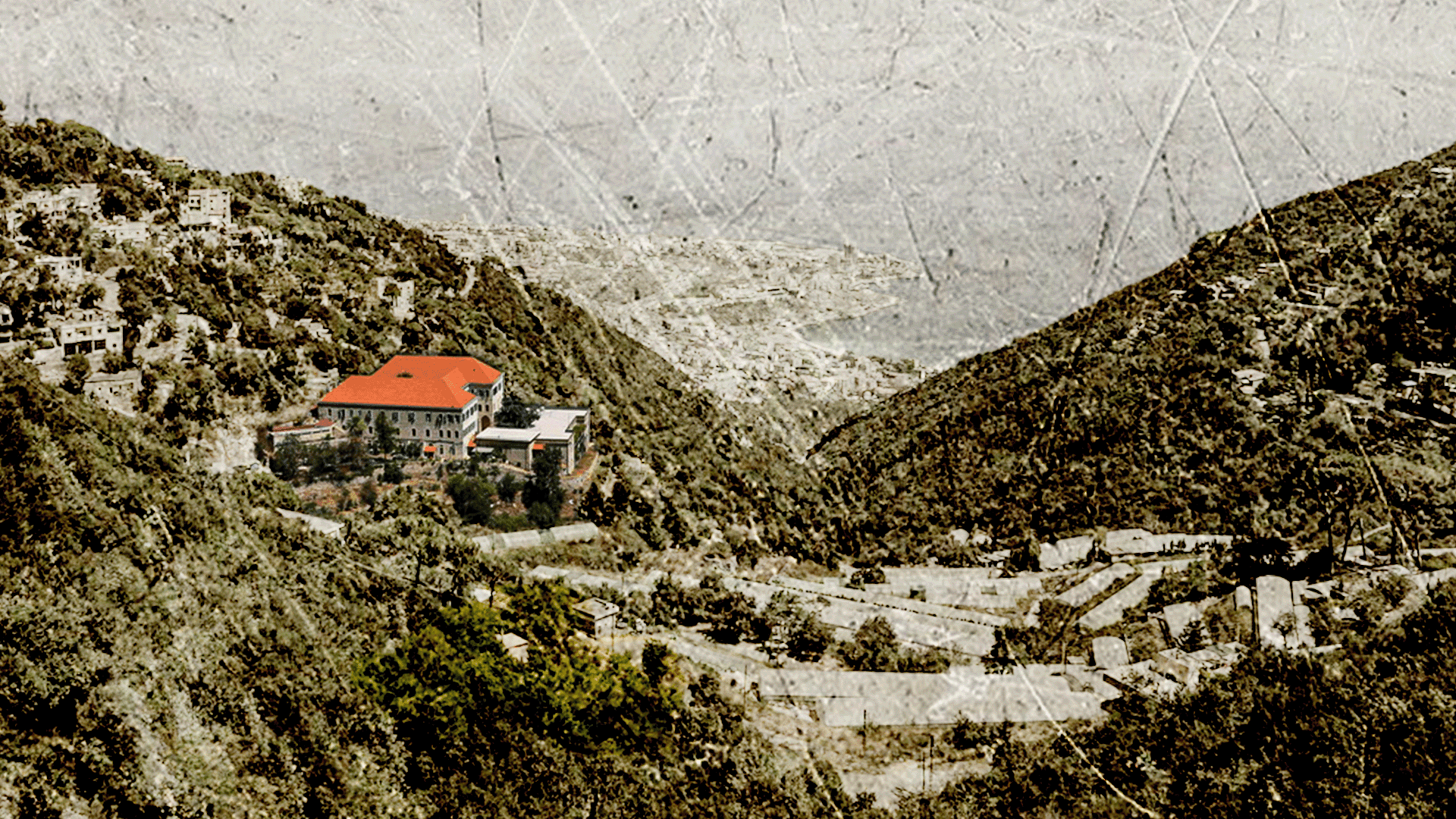
Dibbiyeh is located 30 kilometers south of Beirut and is the coastal gateway to Iqlim al-Kharroub in Chouf. It consists of the old village, located at the heights of the towns, and a …