master plan

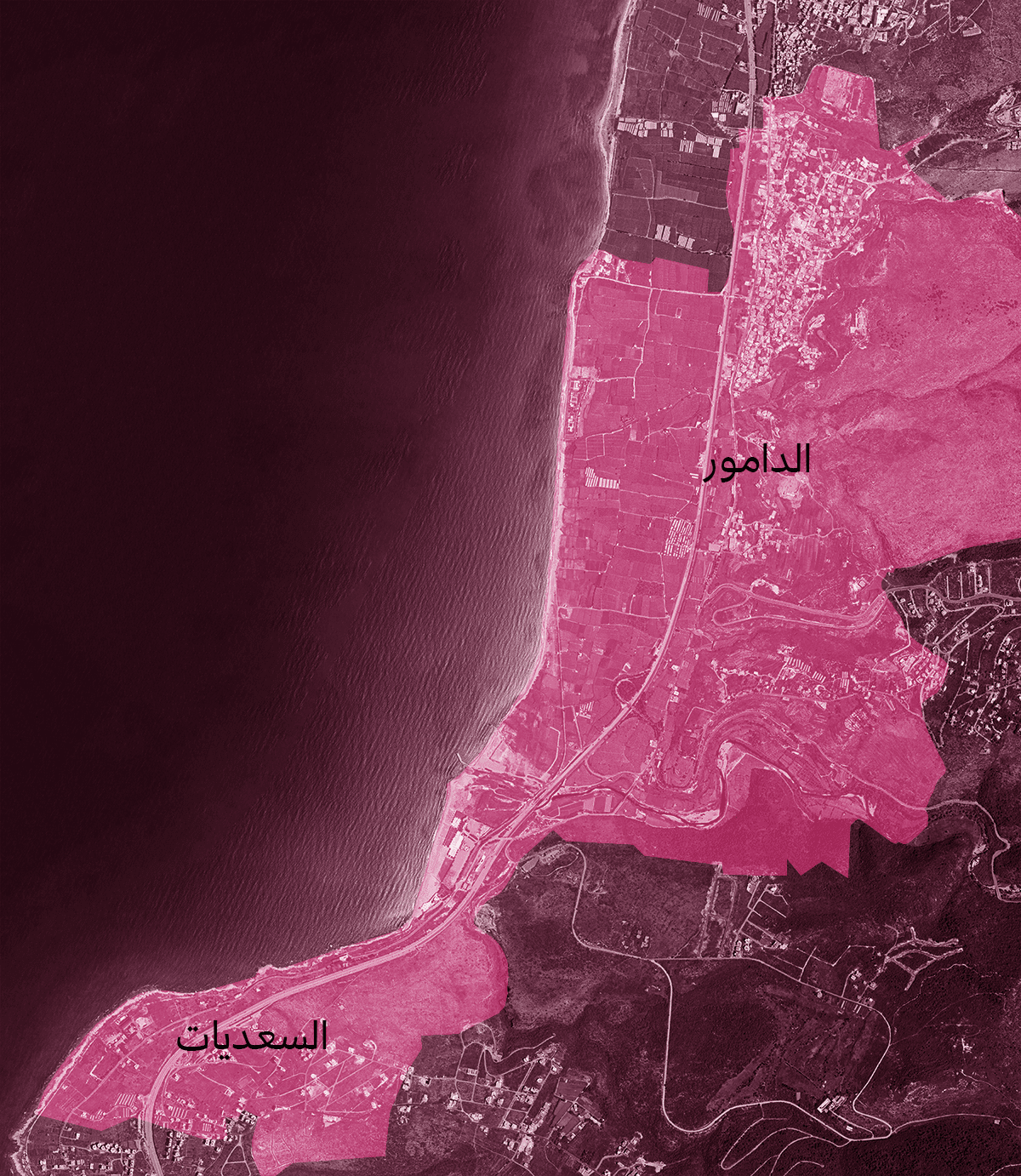
A law proposal to establish a separate cadastral zone for the municipality of Saadiyat, submitted by MP Bilal Abdullah, represents a pivotal point for a deeper discussion around the history of these areas and their evolving social boundaries. In the case of Damour and Saadiyat, the area became a symbol of the profound political crisis brought about by demographic changes in the Chouf coastal region, resulting from transformations and repeated waves of displacement to and from it.

Lessons from the “Waad” Reconstruction Project

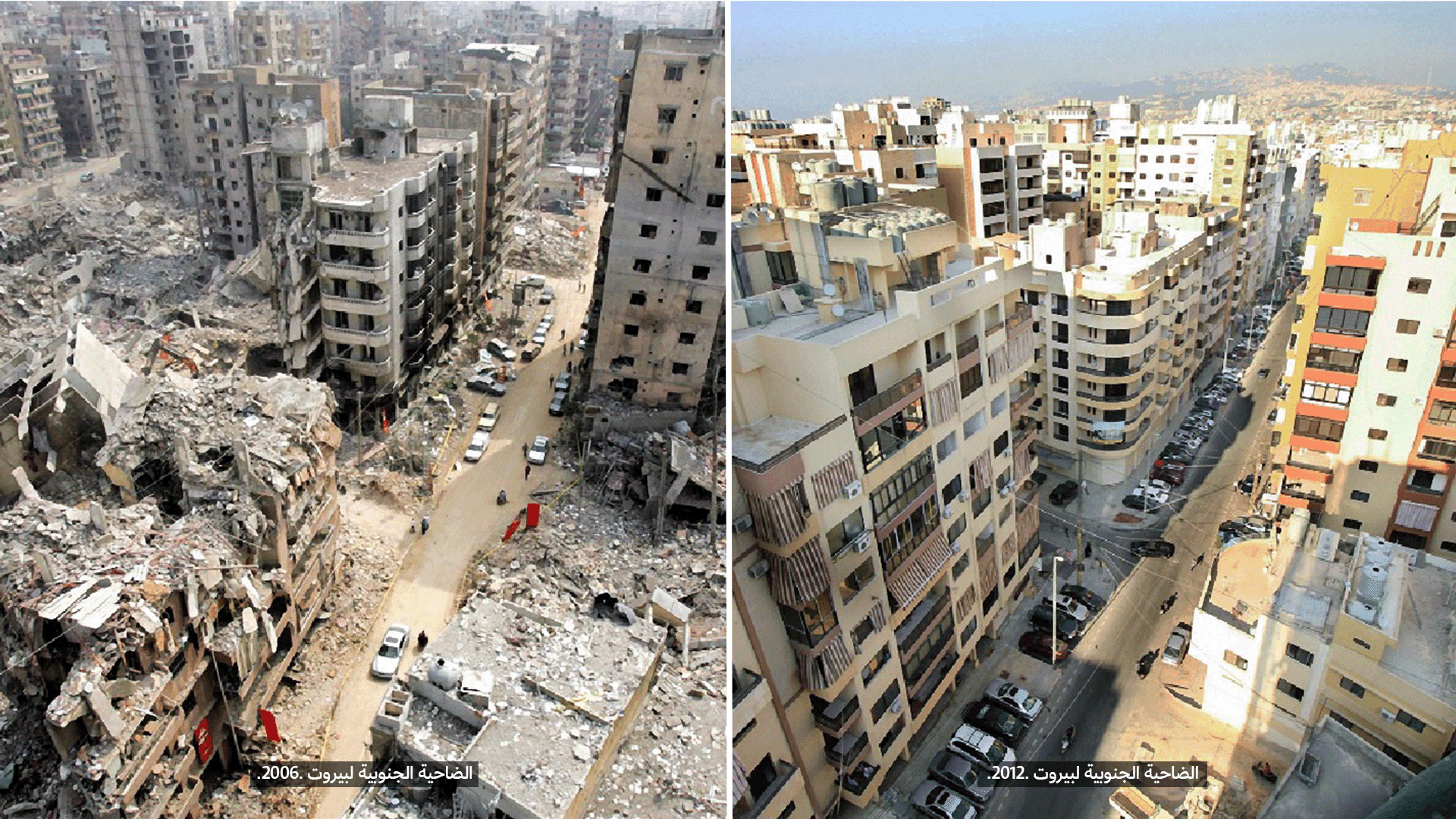
After thirty-three days of continuous bombardment that killed more than 1,000 people, the 2006 war affected a total of 1,232 buildings, mostly residential.
On November 14, 2006, a meeting was held with residents, where they expressed one primary concern: returning to their homes as soon as possible. Accordingly, the local political party promised to rebuild Beirut’s southern suburbs, making them “more beautiful than before,” as the slogan of the project became.
In this text, we present the project and its challenges, especially at the urban level.

The Beirut Central District Reconstruction Experience (Solidere)

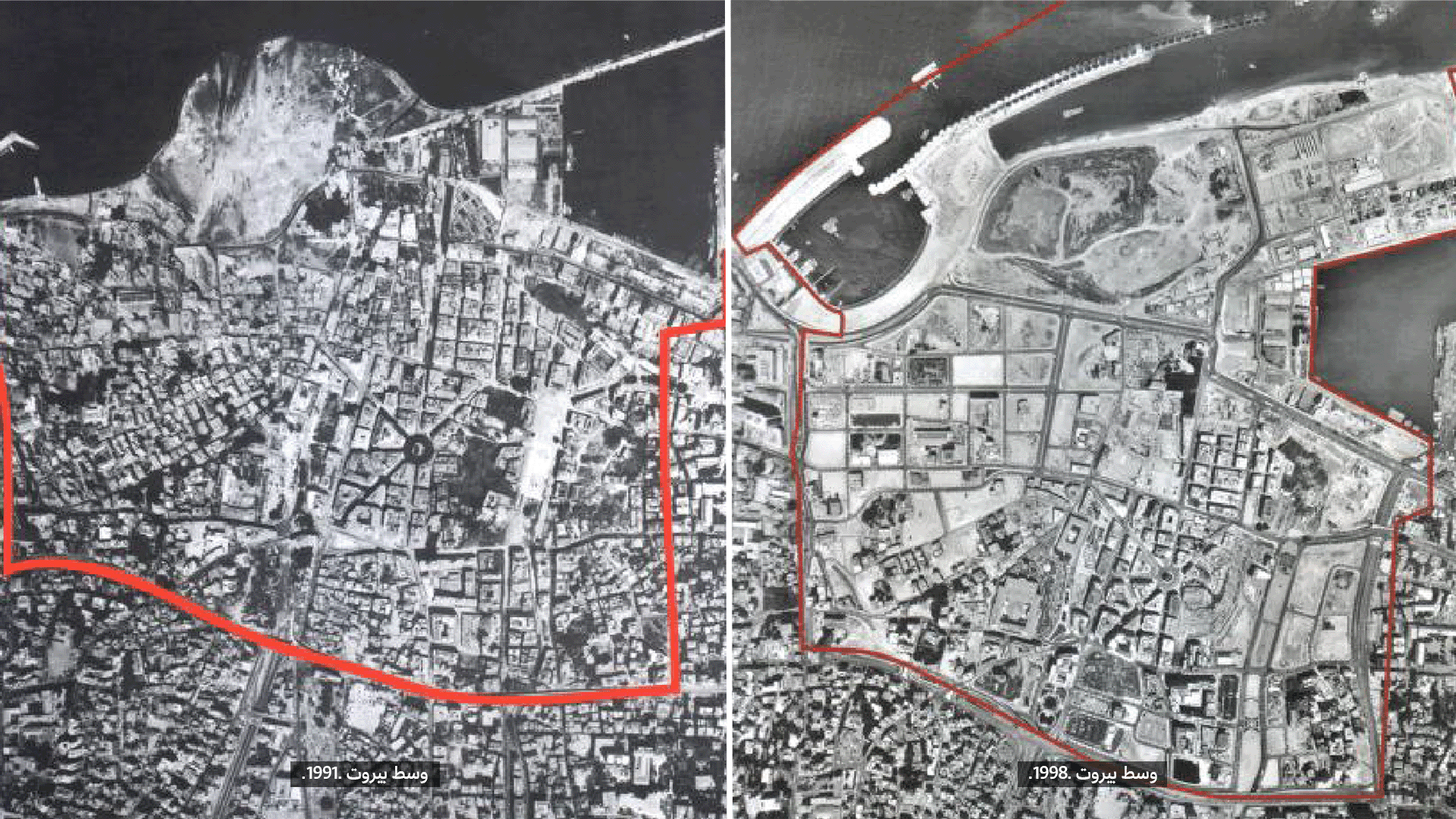
Solidere was established after the end of the Lebanese Civil War (1975-1990) to undertake the reconstruction of downtown Beirut, which is now known by its name. This company’s experience represents the neoliberal model of reconstruction, a model that has been subject to much criticism and questioning.
This article reviews Solidere’s experience with the aim of recalling it and rethinking the social and cultural repercussions of the neoliberal model it followed.

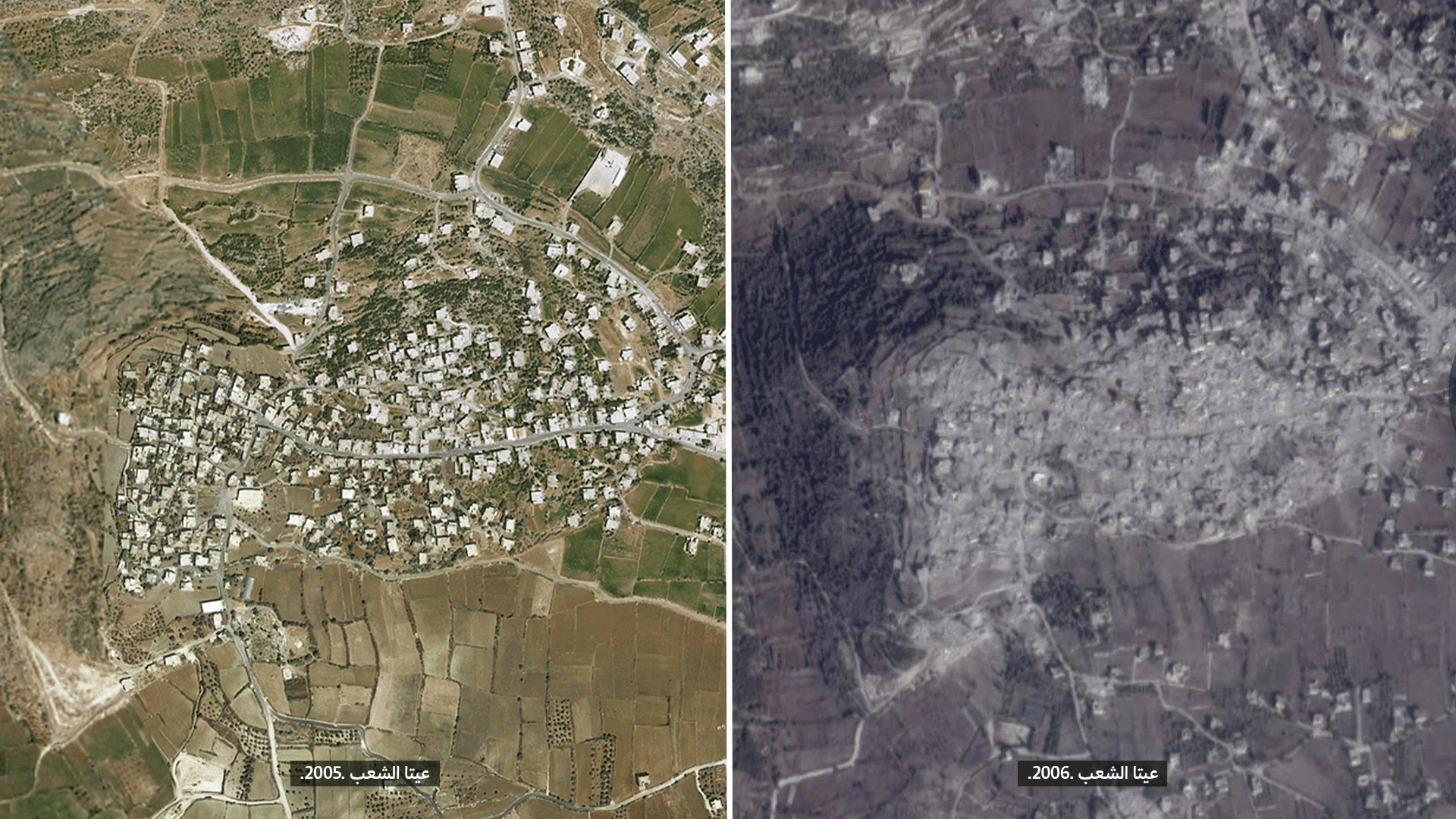
Aita al-Shaab: How do we rebuild a village?

Bulldozing the old neighborhood in Aita al-Shaab, a Lebanese village on the southern borders, following the 2006 israeli war, the solidere-like approach to reconstruction, or the many stories we heard from returnees and their experiences during the war, highlighting the meaning of losing their home, their village, and their community. We will attempt to address these three levels through this text, while exploring the experiences of a group of urban planners who volunteered to support reconstruction efforts in the village immediately after the war.

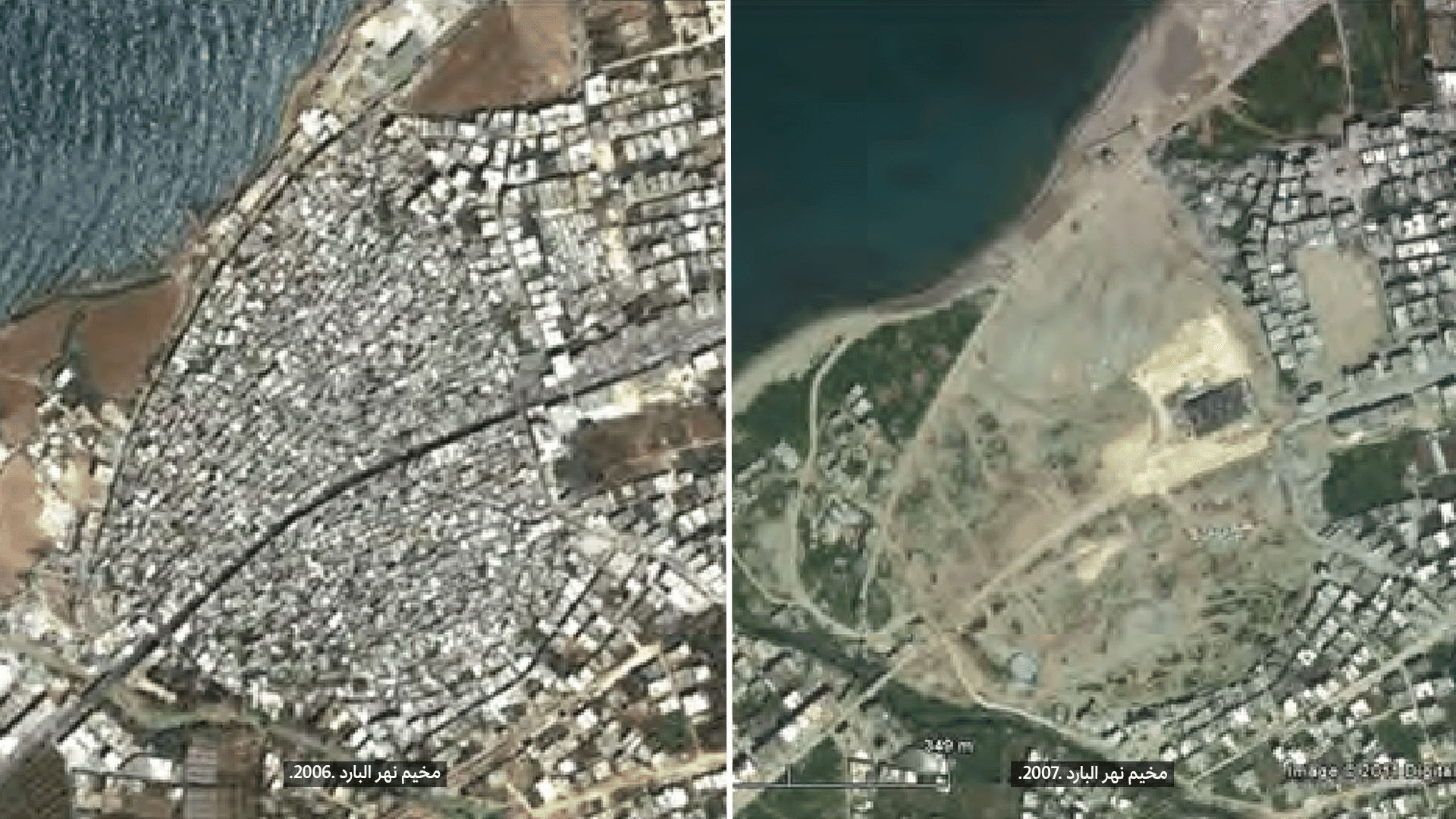
The camp’s extension in Lebanon between the barriers of security and law: The story of Nahr al-Bared

The story of the destruction and reconstruction of Nahr al-Bared camp offers insights into the current state of Palestinian camps and settlements in Lebanon. This study demonstrates that the approach adopted by official Lebanese politics in Nahr al-Bared, will likely lead to the emergence of a new approach to dealing with Palestinian camps and settlements in Lebanon, one that relies on security measures reinforced by discriminatory laws.

Who’s Beirut?

On the Necessity of a Unified Conception of the City that Goes Beyond its Municipal Borders

Over the course of more than a century, Beirut has witnessed a radical transformation and tremendous urban and population growth intertwined with major historical events. Aerial maps show this expansion, but also they raise a basic question: Who is Beirut today, with its urban complexities and interactions?

Master-Planning in Lebanon: Manufacturing Landscapes of Inequality

How is urban planning practiced in Lebanon? What is the motive behind issuing master plans? And in what way do these plans violate fundamental rights? We tried during the years 2017 and 2018 …

Planning Dibbiyeh:

Between Private Interests and Public Apprehensions

Dibbiyeh is located 30 kilometers south of Beirut and is the coastal gateway to Iqlim al-Kharroub in Chouf. It consists of the old village, located at the heights of the towns, and a …

Where is the sea in Dbayeh? I can’t see it.

In this article, published for the first time as part of Public Works Studio’s “Planning in Lebanon: Manufacturing Landscapes of Inequality” project (2017-2018), we delve into the history of land reclamation and privatization …

The Apprehensions of the Past in Building the Future:

Do the Master Plans for Damour Encourage Return?

Last year, a broad debate surrounded director Ziad Doueiri’s film The Insult, especially after it was nominated for the 2018 Oscar for best foreign language film. This was the first time that a …

Planning Zouk Mikael:

Ignoring the Power Plant of Death

Anyone passing between al-Kalb River (Nahr al-Kalb) and Jounieh cannot miss the sight of two columns, striped orange and white, rising into the sky from the Zouk Mikael seafront. Though they are a …

To Put Agriculture Against Tourism:

The Case of the Zahrani Coast

I remember well the weekly trips south that I took with my family when I was younger. I would sit in the back seat on the right and look out, observing the road …