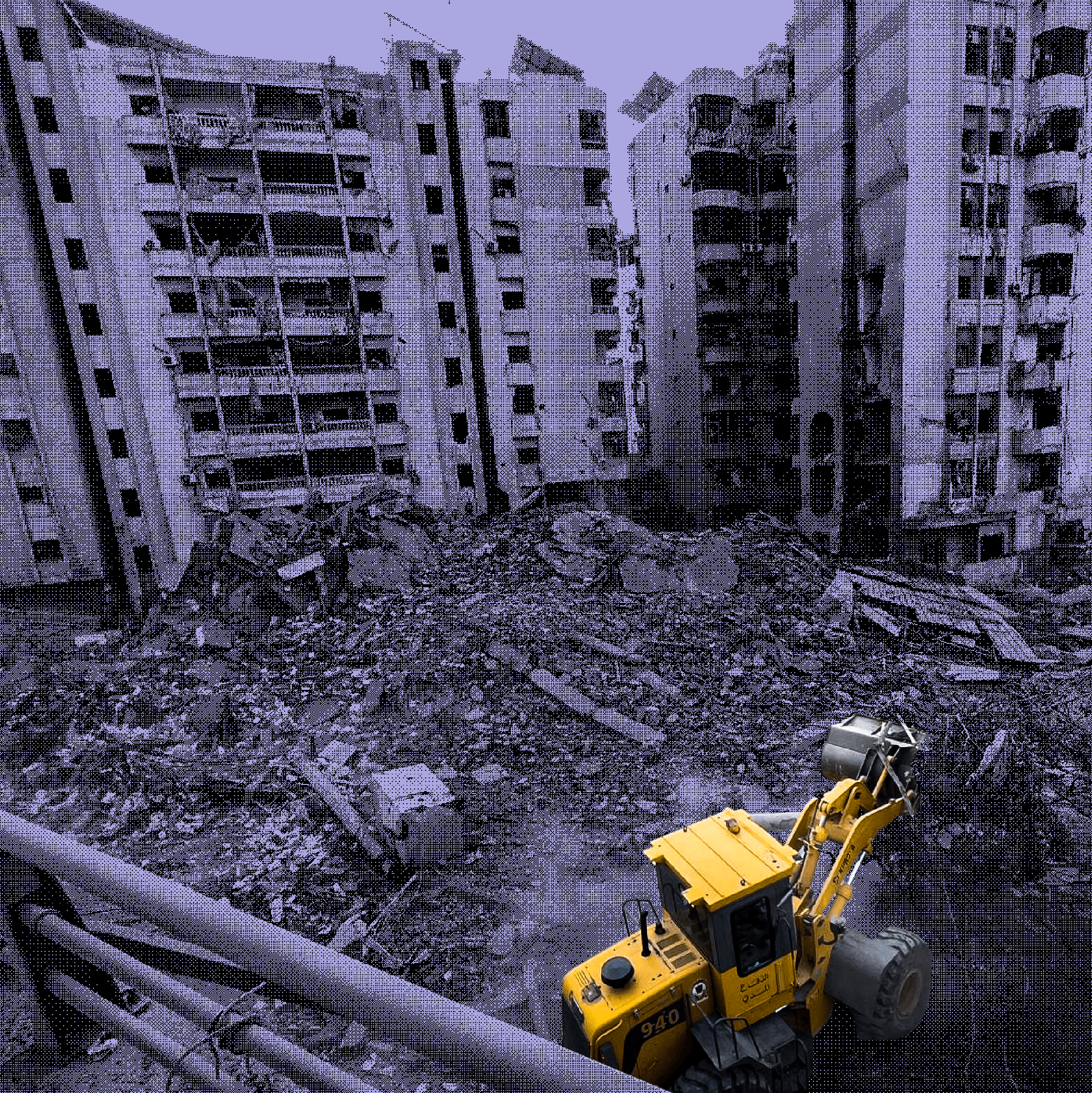
reconstruction policy

Parliament Approves Loan for Infrastructure Reconstruction:

Between Rapid Response and Delayed Comprehensive Reconstruction

The Lebanese Parliament approved a $250 million World Bank loan to implement the LEAP project, aimed at emergency reconstruction of damaged infrastructure, restoring essential services, and managing debris, as one of the three tracks in the government’s reconstruction strategy. The loan represents a limited portion of reconstruction needs, focusing on densely populated areas, which excludes southern villages and border regions and does not cover the rebuilding of destroyed buildings. Despite its importance, LEAP remains a partial, short-term step amid ongoing delays in comprehensive reconstruction.

What Do We Know So Far About Post-War Recovery in Lebanon?

Public Works Studio has been monitoring and analyzing post-war recovery in Lebanon since the ceasefire on 27 November 2024, focusing on reconstruction policies, financing, compensation, rubble removal, projects, and displacement. The goal is to create an open database to track developments, identify gaps, and support advocacy, participation, transparency, and policy improvements.

The State’s Limited Role in Reconstruction and Its Submission to the Discourse of Inaction

Despite the government’s repeated rhetoric about its commitment to reconstruction and recovery, and the emergence of what appears to be a comprehensive plan, its efforts remain delayed, limited, and fragmented. They rely almost entirely on external loans and grants amid weak local financing, reflecting the absence of an effective, long-term national vision and a surrender to the discourse of state incapacity.

MP Kassem Hashem proposes an amendment to the Reconstruction Law integrating the inclusion of persons with disabilities:

A positive step in need of follow-up and completion.

Following the Lebanese Union of People with Disabilities’ campaign, MP Kassem Hashem submitted a proposal to amend law No. 22 to integrate the rights of people with disabilities.
Currently, it is crucial to collectively lobby for the approval of this amendment as a first step towards establishing a comprehensive and just reconstruction process, through clear implementation mechanisms and continuous institutional follow-up.

Lessons from the “Waad” Reconstruction Project

After thirty-three days of continuous bombardment that killed more than 1,000 people, the 2006 war affected a total of 1,232 buildings, mostly residential.
On November 14, 2006, a meeting was held with residents, where they expressed one primary concern: returning to their homes as soon as possible. Accordingly, the local political party promised to rebuild Beirut’s southern suburbs, making them “more beautiful than before,” as the slogan of the project became.
In this text, we present the project and its challenges, especially at the urban level.

The Beirut Central District Reconstruction Experience (Solidere)

Solidere was established after the end of the Lebanese Civil War (1975-1990) to undertake the reconstruction of downtown Beirut, which is now known by its name. This company’s experience represents the neoliberal model of reconstruction, a model that has been subject to much criticism and questioning.
This article reviews Solidere’s experience with the aim of recalling it and rethinking the social and cultural repercussions of the neoliberal model it followed.

Aita al-Shaab: How do we rebuild a village?

Bulldozing the old neighborhood in Aita al-Shaab, a Lebanese village on the southern borders, following the 2006 israeli war, the solidere-like approach to reconstruction, or the many stories we heard from returnees and their experiences during the war, highlighting the meaning of losing their home, their village, and their community. We will attempt to address these three levels through this text, while exploring the experiences of a group of urban planners who volunteered to support reconstruction efforts in the village immediately after the war.

The camp’s extension in Lebanon between the barriers of security and law: The story of Nahr al-Bared

The story of the destruction and reconstruction of Nahr al-Bared camp offers insights into the current state of Palestinian camps and settlements in Lebanon. This study demonstrates that the approach adopted by official Lebanese politics in Nahr al-Bared, will likely lead to the emergence of a new approach to dealing with Palestinian camps and settlements in Lebanon, one that relies on security measures reinforced by discriminatory laws.

The Exemptions and Reconstruction Law: Not an Alternative to a Comprehensive National Plan

More than seven months after the ceasefire in Lebanon, on June 30, 2025, the Parliament passed the first law related to reconstruction in response to the Israeli war on Lebanon. Ultimately, the law is a limited step forward, highlighting the urgent need for a comprehensive national recovery plan for reconstruction.

The State’s Absence or its Presence in Absence: The Case of Basta Buildings Rehabilitation

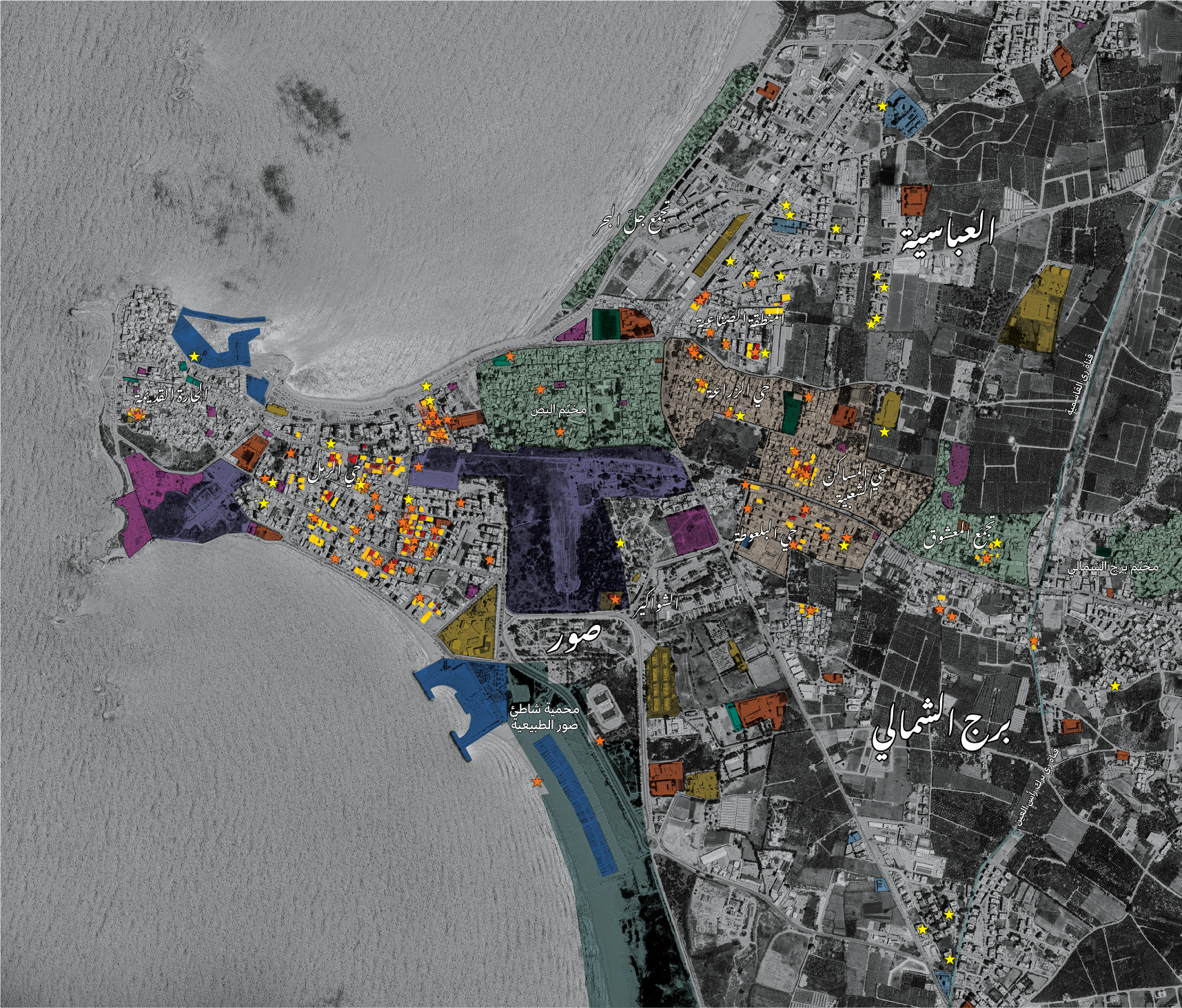
The residents of Al-Maamoun Street in Basta endured an Israeli crime during its aggression on Lebanon, as devastating aerial raids on October 10 and November 23, 2024, caused significant casualties and widespread destruction. This text presents a rapid field study on the current renovation efforts in Basta by the NGO “Offre Joie”.

 The Reconstruction Process Between the Law, Ownership status, and people’s Return 

Four months after the ceasefire, Internal Security Forces halted reconstruction in several border villages due to permit requirements, raising concerns about the future of destroyed homes—whether licensed, unlicensed, or built on public property. Given the political significance of reconstruction in these areas, the state must facilitate and organize the reconstruction process in a way that protects people’s right to housing, meets their needs, and respects the urban identity of the regions, within the framework of resisting occupation.

 The Reconstruction Draft Law repeats the Mistakes of the past:

Reviving destroyed villages can’t happen only through buildings

After a ceasefire was implemented in Lebanon on November 27, the Lebanese government held a special session on December 7 in the southern city of Tyre and approved a draft law for rebuilding homes destroyed by Israeli attacks, as they were before. Regardless of its immediate issues in terms of content, it appears that the proposed law does not address the previous or emerging challenges we are facing and risks repeating the mistakes of past failed reconstruction experiences.