building law

Periodic Renewal of New Occupancy Permits: Overlooking the Deterioration of the Existing Urban Fabric

The draft law to set the newly issued occupancy permit duration at ten years—renewable every five years to ensure the structural integrity of buildings and maintain public safety—while seemingly well-intentioned, overlooks the immediate danger posed by thousands of aging and structurally unsound structures and the effects of urban decay, and offers a narrow and insufficient response to Lebanon’s broader urban crisis.

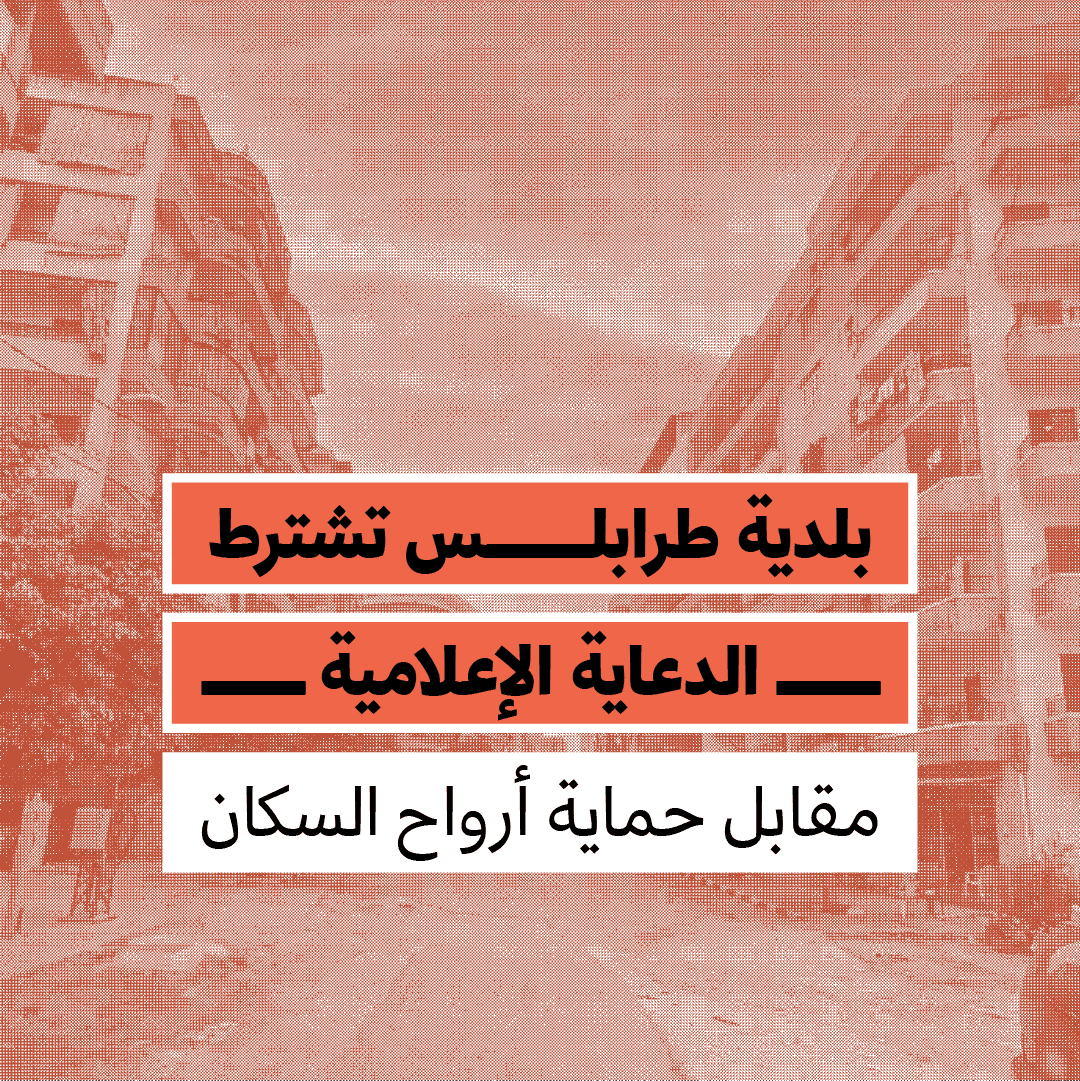
Tripoli’s Municipality Demands Media Publicity in Exchange of Protecting Residents Lives

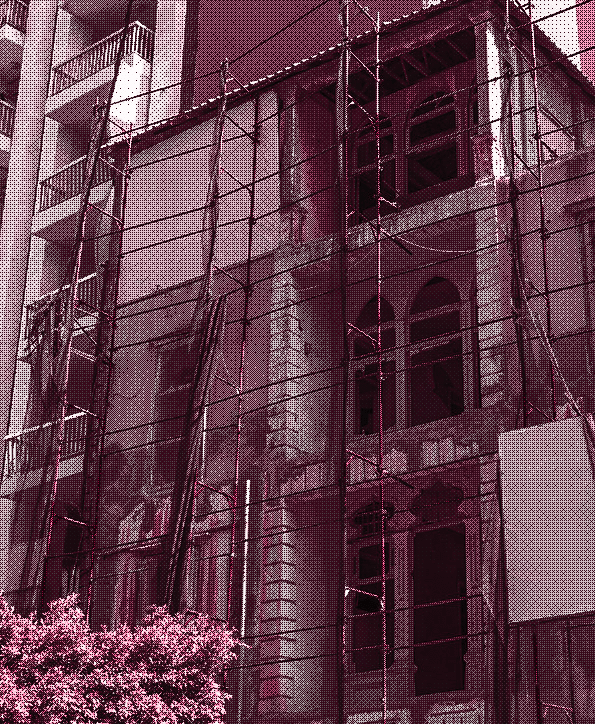
In Tripoli’s Qobbeh neighborhood, a dangerously deteriorating residential building housing 21 families faces the risk of collapse. Despite urgent warnings, the municipality has failed to intervene, stating that action will only be taken if the case becomes a matter of public concern and. gains public and media attention.

 The Reconstruction Process Between the Law, Ownership status, and people’s Return 

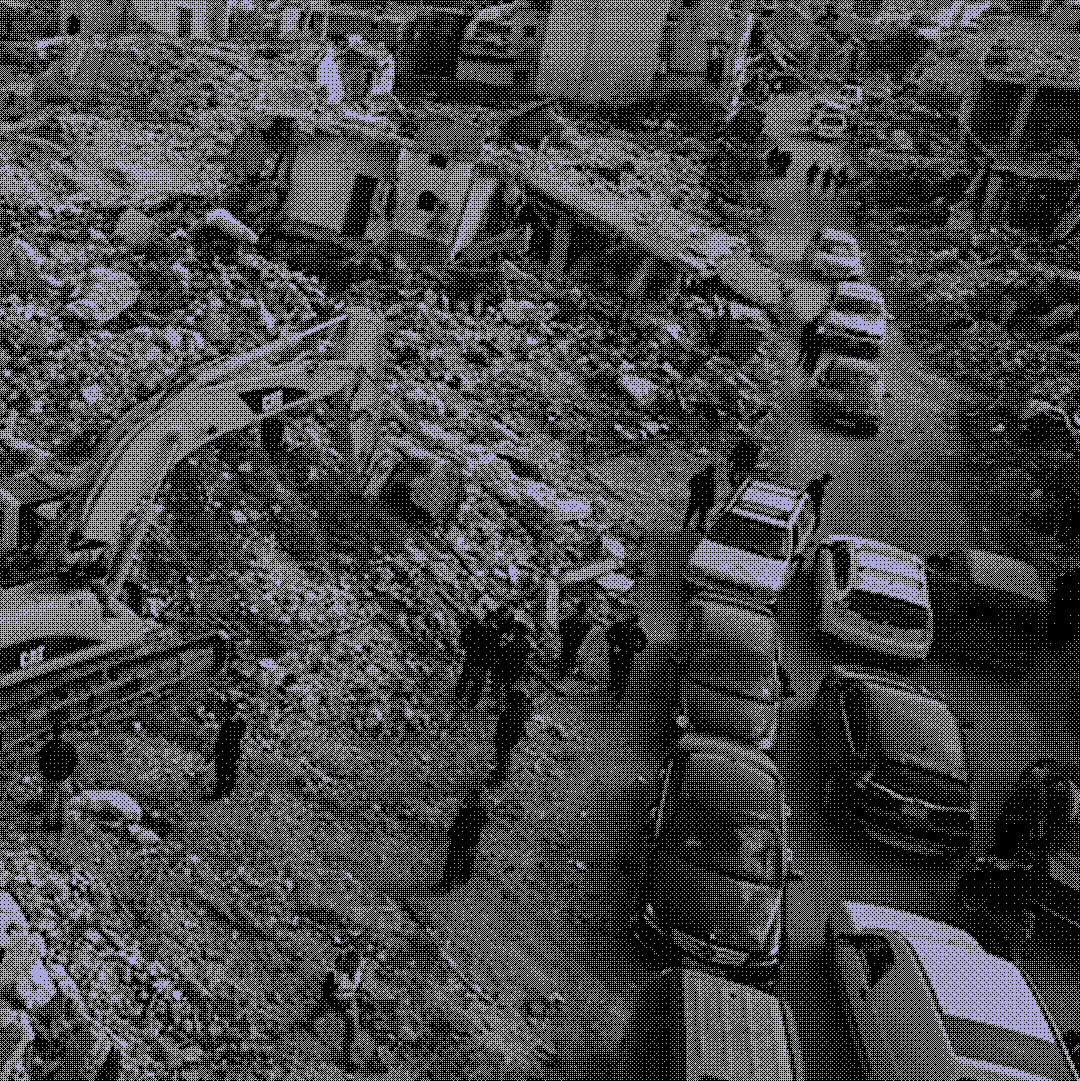
Four months after the ceasefire, Internal Security Forces halted reconstruction in several border villages due to permit requirements, raising concerns about the future of destroyed homes—whether licensed, unlicensed, or built on public property. Given the political significance of reconstruction in these areas, the state must facilitate and organize the reconstruction process in a way that protects people’s right to housing, meets their needs, and respects the urban identity of the regions, within the framework of resisting occupation.

 The Reconstruction Draft Law repeats the Mistakes of the past:

Reviving destroyed villages can’t happen only through buildings

After a ceasefire was implemented in Lebanon on November 27, the Lebanese government held a special session on December 7 in the southern city of Tyre and approved a draft law for rebuilding homes destroyed by Israeli attacks, as they were before. Regardless of its immediate issues in terms of content, it appears that the proposed law does not address the previous or emerging challenges we are facing and risks repeating the mistakes of past failed reconstruction experiences.

Solutions to Adapt to the Conditions of War: A Temporary Fix that Conceals the Necessity of Reforming Property and Construction Laws.

A Joint Commentary by Public Works Studio and Legal Agenda

The proposed draft law, submitted on November 19, 2024, suggests extending the validity of Law 294/2022 for five more years and applying some modifications to certain clauses. The law is proposed with the …

Master-Planning in Lebanon: Manufacturing Landscapes of Inequality

How is urban planning practiced in Lebanon? What is the motive behind issuing master plans? And in what way do these plans violate fundamental rights? We tried during the years 2017 and 2018 …

After the Collapses: The Fate of Displaced Residents

Over the past five years, devastating building collapses have shaken various Lebanese cities. These tragic and recurring incidents have resulted in significant human casualties and extensive material losses. However, they are not isolated …

The Primary Causes Behind the Increasing number of Collapsed Buildings in Lebanon

In 2023, seismic activity raised concerns about building collapses in Lebanon, initially overlooked until a series of incidents occurred across different regions. These events are part of a broader context where Lebanon faces …

Buildings Collapse in Lebanon

It is difficult to be surprised today by the collapse of buildings around the Lebanese territory, being aware of the amount of legal and material factors that have weakened and destabilized their structure, …

Editorial

During the past decade, many researchers have studied the relationship between geography and law in an attempt to clarify the links between these two increasingly complex concepts. In reality, comparing law and the …

Interview with Engineer Mohammad Fawwaz

Ex-director of the General Directorate of Urban Planning (1973-1993)

The interview with Engineer Mohammad Fawwaz was conducted by Public Works Studio as part of the project “Planning in Lebanon: Manufacturing Landscapes of Inequality” (2017-2018). It explores the history of urban planning practice …

The Collapse of the Rishani Building in Chouaifat Exposes the Failures of the Owner, Municipality, and the General Directorate for Urban Planning

Just about a week after the complete collapse of a building in Sahra Chouaifat, another tragedy struck on Monday, February 19, 2024. The Rishani building in the Ain neighbourhood of Chouaifat collapsed on …