Reconstruction and Recovery

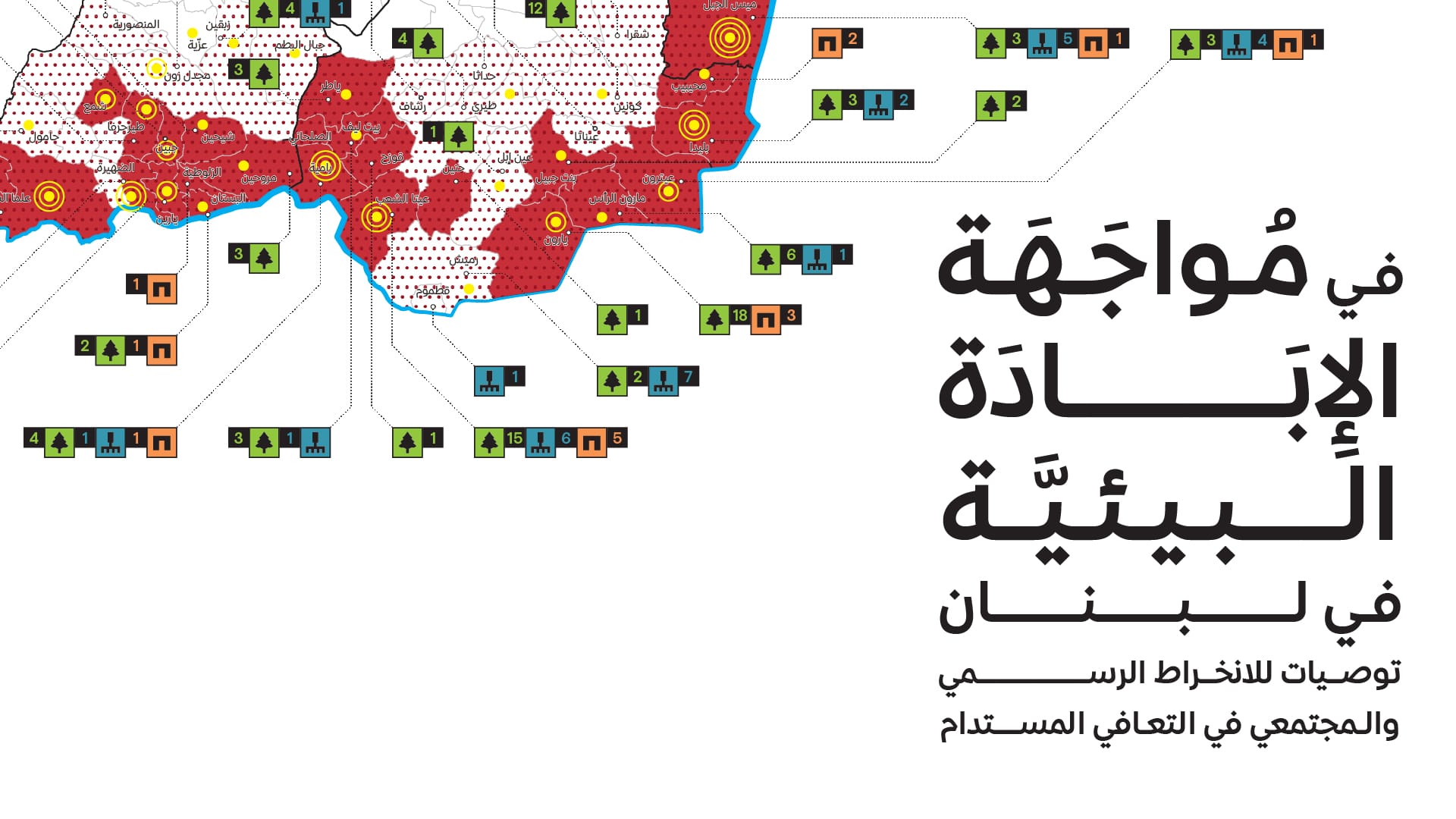
Responding to Ecocide in Lebanon: Recommendations for Official and Community Engagement in Sustainable Recovery

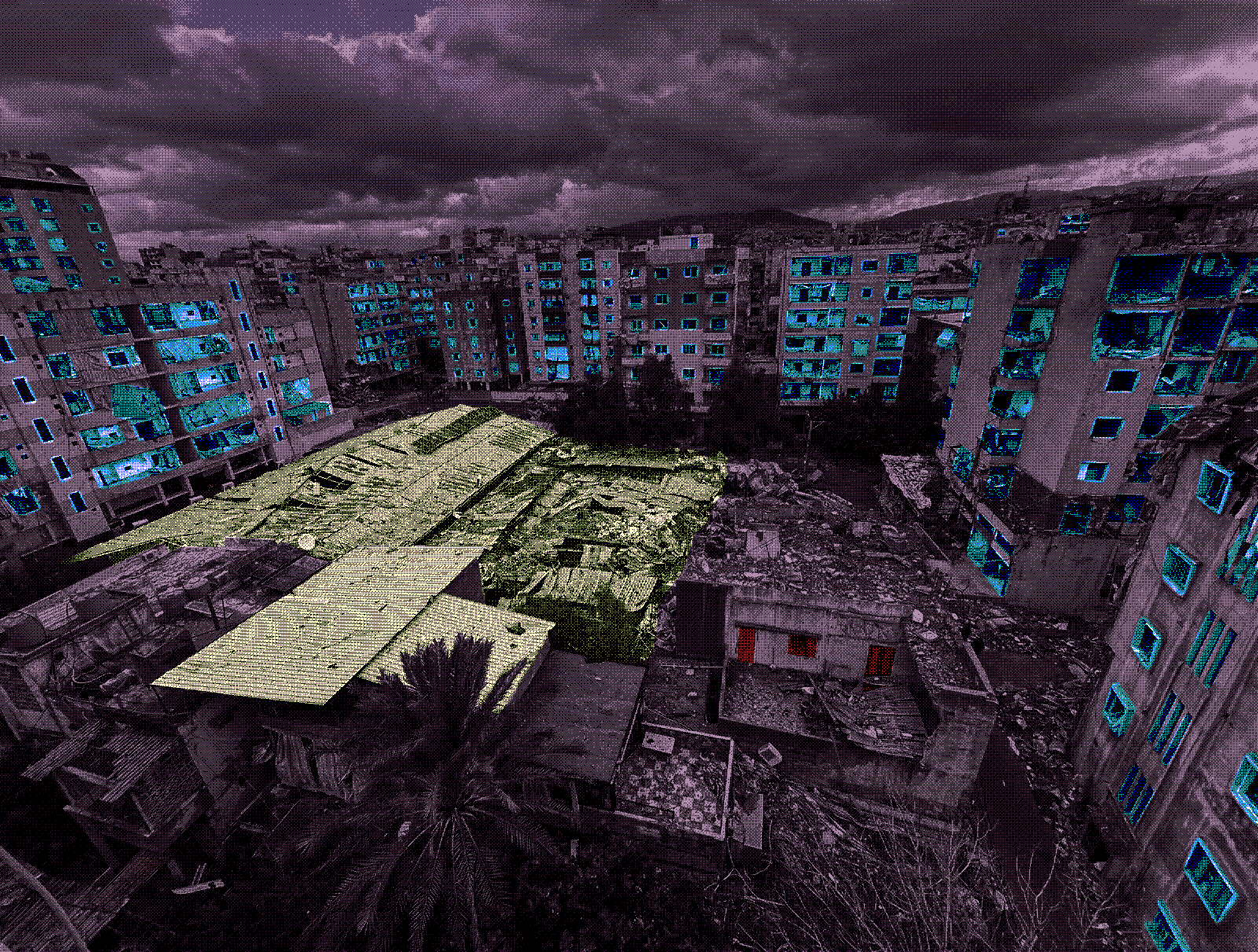
Since 8 October 2023, border villages in southern Lebanon have suffered systematic ecocide, with Israel targeting infrastructure, forests, and agricultural lands, aimed at enforcing displacement and making the area uninhabitable. Over the past year, Public Works Studio conducted research, monitoring, and workshops, focusing particularly on the town of Kfarkela as a case study, to analyze damages and identify priorities for return, reconstruction, and environmental recovery. This work culminated in a policy paper documenting the impacts, evaluating recovery frameworks, and offering recommendations to advance environmental justice. The paper was launched during a public seminar to foster discussion on participatory advocacy pathways.
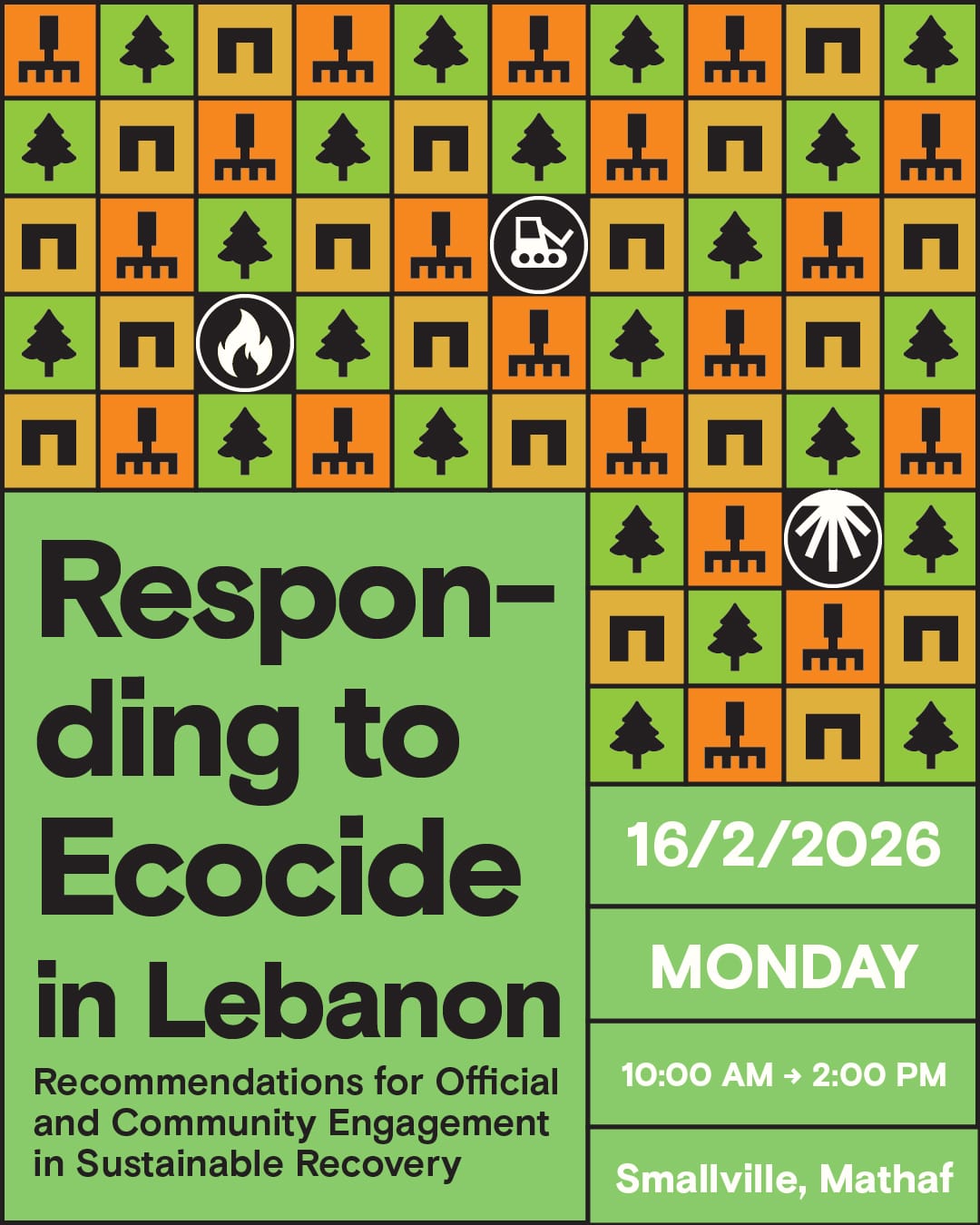
Responding to Ecocide in Lebanon: 

Recommendations for Official and Community Engagement in Sustainable Recovery

Public Works Studio and the Arab Reform Initiative are organizing the launch event of their joint research paper, “Responding to Ecocide in Lebanon: Recommendations for Official and Community Engagement in Sustainable Recovery,” on …

The Reconstruction Framework scheduled for discussion in the government: We still have a lot of work ahead of us

Critiquing the government’s “Reconstruction Framework”, this article exposes a narrow technical approach that reduces cities and villages to figures and compensation, while overlooking vital sectors and issues. The text calls for imagining a comprehensive recovery that goes beyond addressing the aftermath of war to encompass the form of urban justice we strive for.

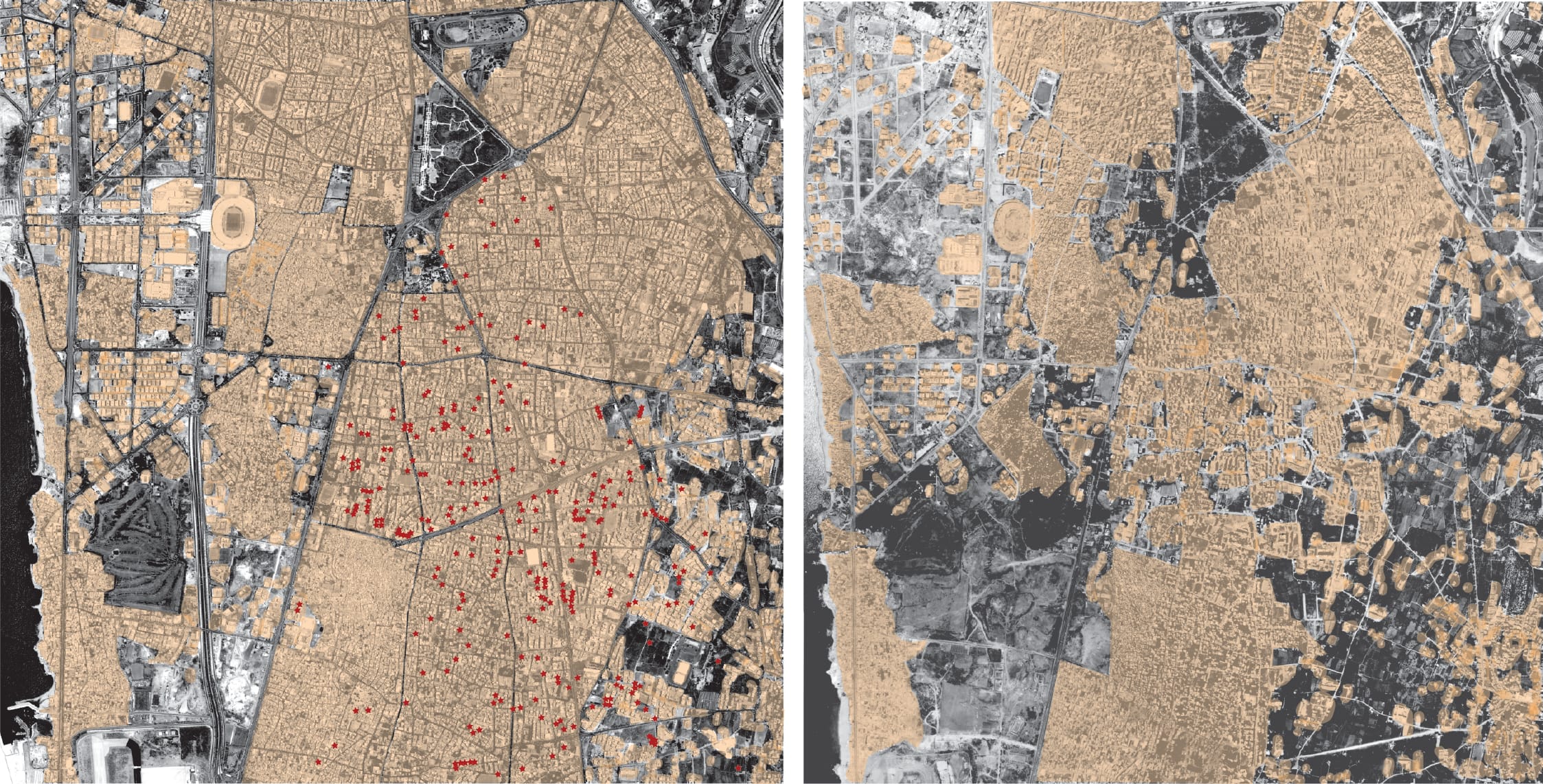
Urbicide as a strategy: The southern suburbs of Beirut between the attacks and the urban fragmentation

Amid rubble and a fractured social fabric, Beirut’s southern suburbs bear the scars of the Israeli war, which struck homes, markets, schools, and hospitals. Drawing on data, maps, and local testimonies, the article documents the scale of destruction and raises urgent questions about urban justice and the future of the city’s reconstruction.

Parliament Approves Loan for Infrastructure Reconstruction:

Between Rapid Response and Delayed Comprehensive Reconstruction

The Lebanese Parliament approved a $250 million World Bank loan to implement the LEAP project, aimed at emergency reconstruction of damaged infrastructure, restoring essential services, and managing debris, as one of the three tracks in the government’s reconstruction strategy. The loan represents a limited portion of reconstruction needs, focusing on densely populated areas, which excludes southern villages and border regions and does not cover the rebuilding of destroyed buildings. Despite its importance, LEAP remains a partial, short-term step amid ongoing delays in comprehensive reconstruction.

What Do We Know So Far About Post-War Recovery in Lebanon?

Public Works Studio has been monitoring and analyzing post-war recovery in Lebanon since the ceasefire on 27 November 2024, focusing on reconstruction policies, financing, compensation, rubble removal, projects, and displacement. The goal is to create an open database to track developments, identify gaps, and support advocacy, participation, transparency, and policy improvements.

MP Kassem Hashem proposes an amendment to the Reconstruction Law integrating the inclusion of persons with disabilities:

A positive step in need of follow-up and completion.

Following the Lebanese Union of People with Disabilities’ campaign, MP Kassem Hashem submitted a proposal to amend law No. 22 to integrate the rights of people with disabilities.
Currently, it is crucial to collectively lobby for the approval of this amendment as a first step towards establishing a comprehensive and just reconstruction process, through clear implementation mechanisms and continuous institutional follow-up.

Lessons from the “Waad” Reconstruction Project

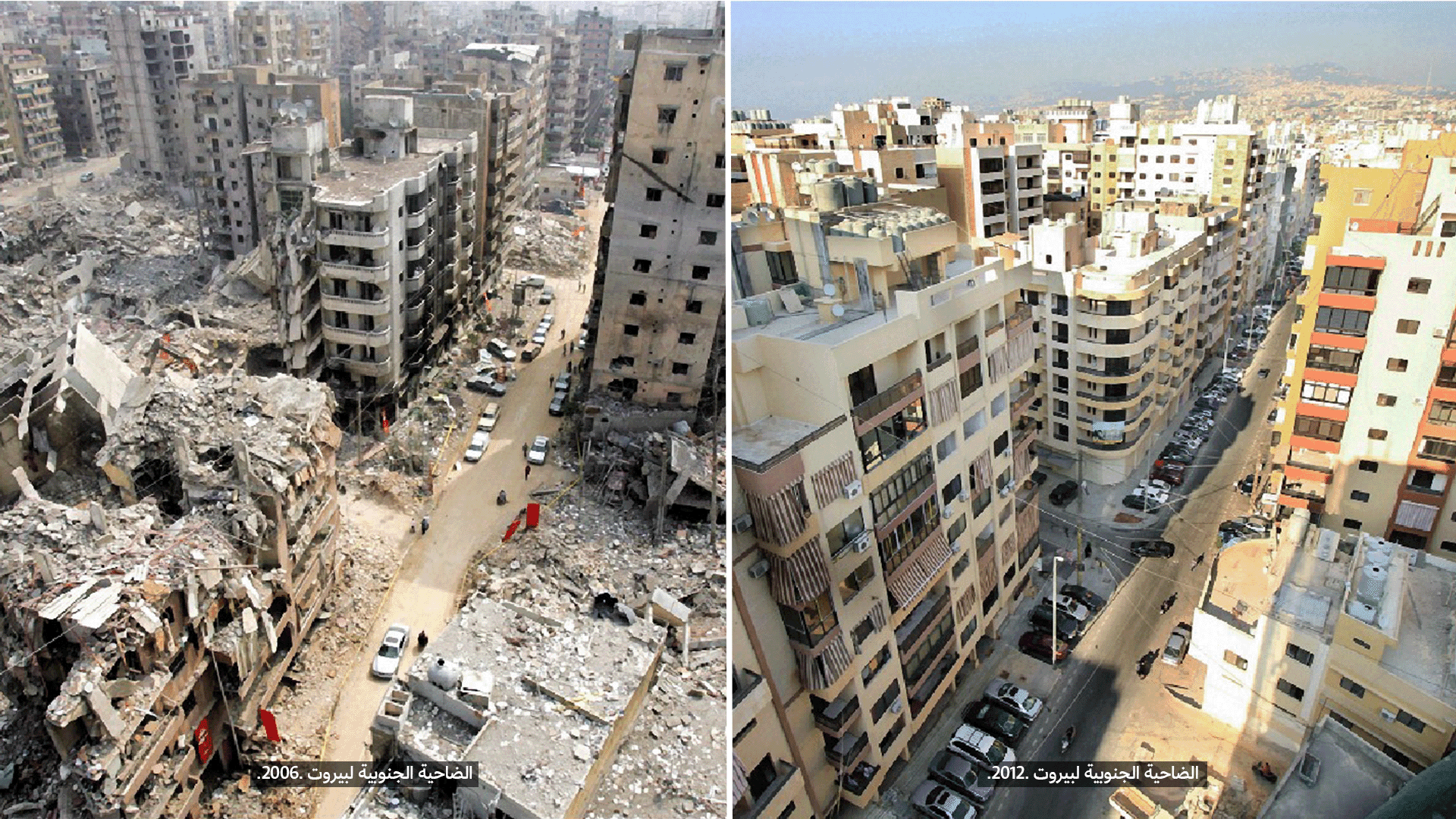
After thirty-three days of continuous bombardment that killed more than 1,000 people, the 2006 war affected a total of 1,232 buildings, mostly residential.
On November 14, 2006, a meeting was held with residents, where they expressed one primary concern: returning to their homes as soon as possible. Accordingly, the local political party promised to rebuild Beirut’s southern suburbs, making them “more beautiful than before,” as the slogan of the project became.
In this text, we present the project and its challenges, especially at the urban level.

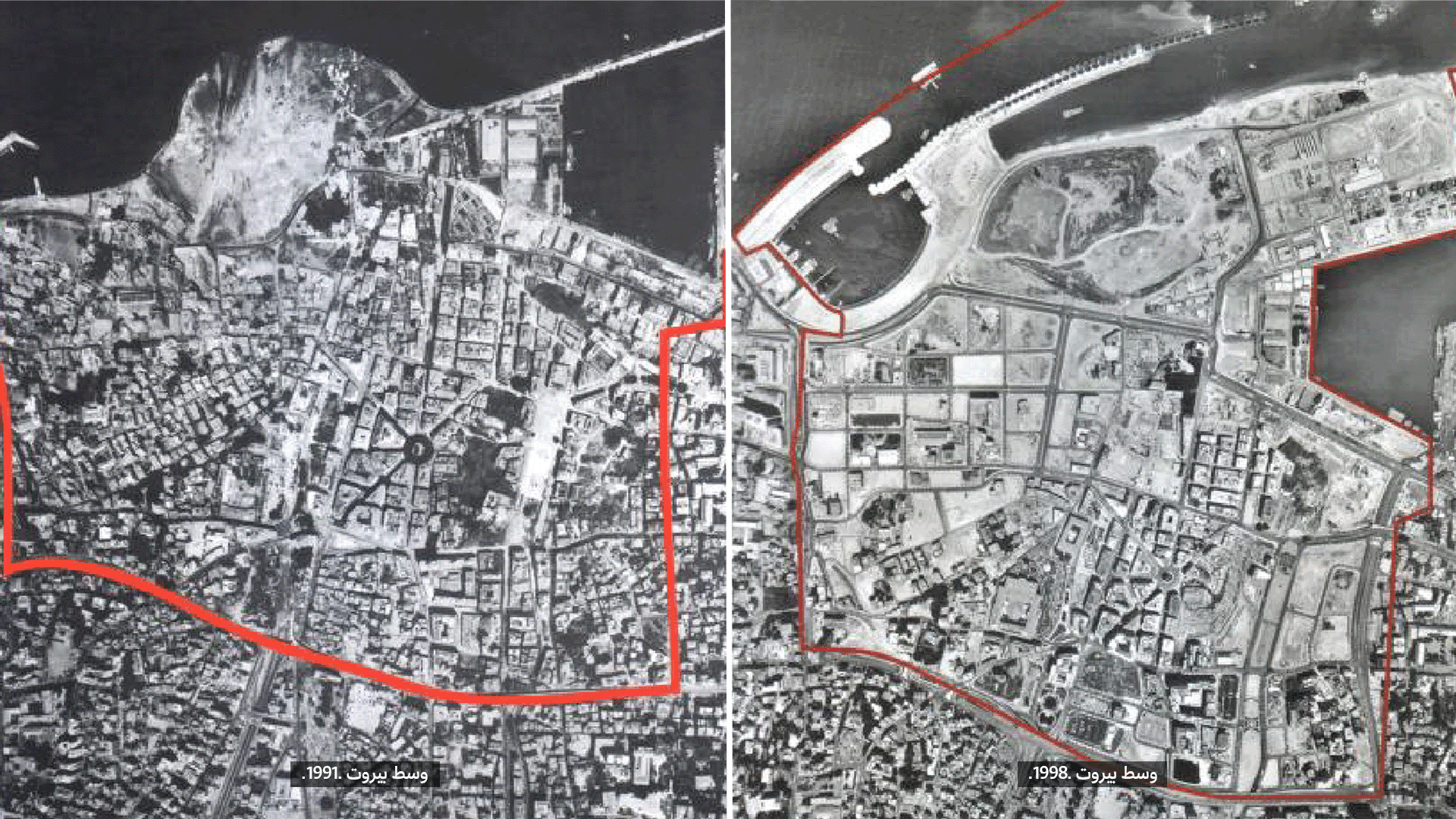
The Beirut Central District Reconstruction Experience (Solidere)

Solidere was established after the end of the Lebanese Civil War (1975-1990) to undertake the reconstruction of downtown Beirut, which is now known by its name. This company’s experience represents the neoliberal model of reconstruction, a model that has been subject to much criticism and questioning.
This article reviews Solidere’s experience with the aim of recalling it and rethinking the social and cultural repercussions of the neoliberal model it followed.

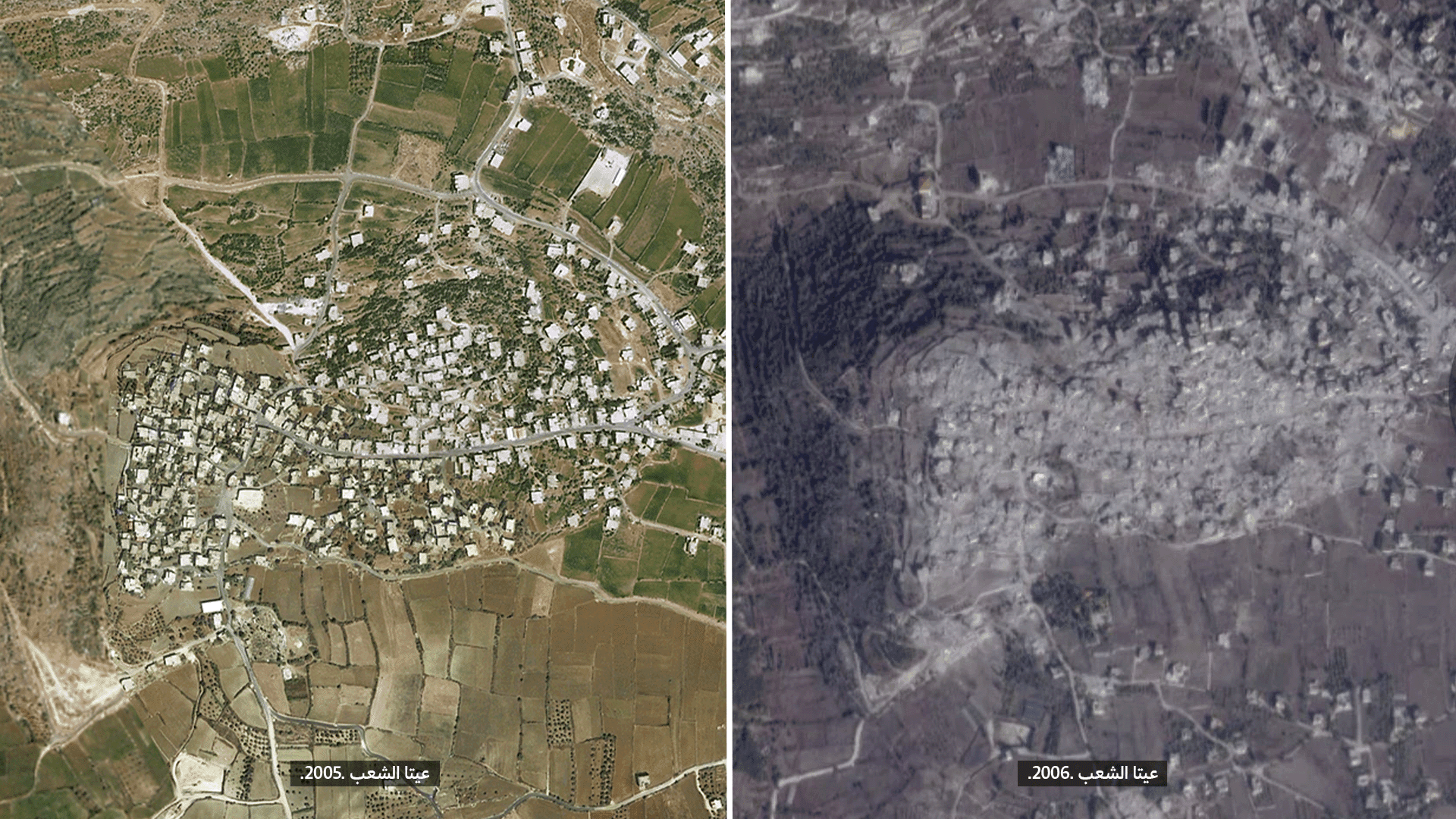
Aita al-Shaab: How do we rebuild a village?

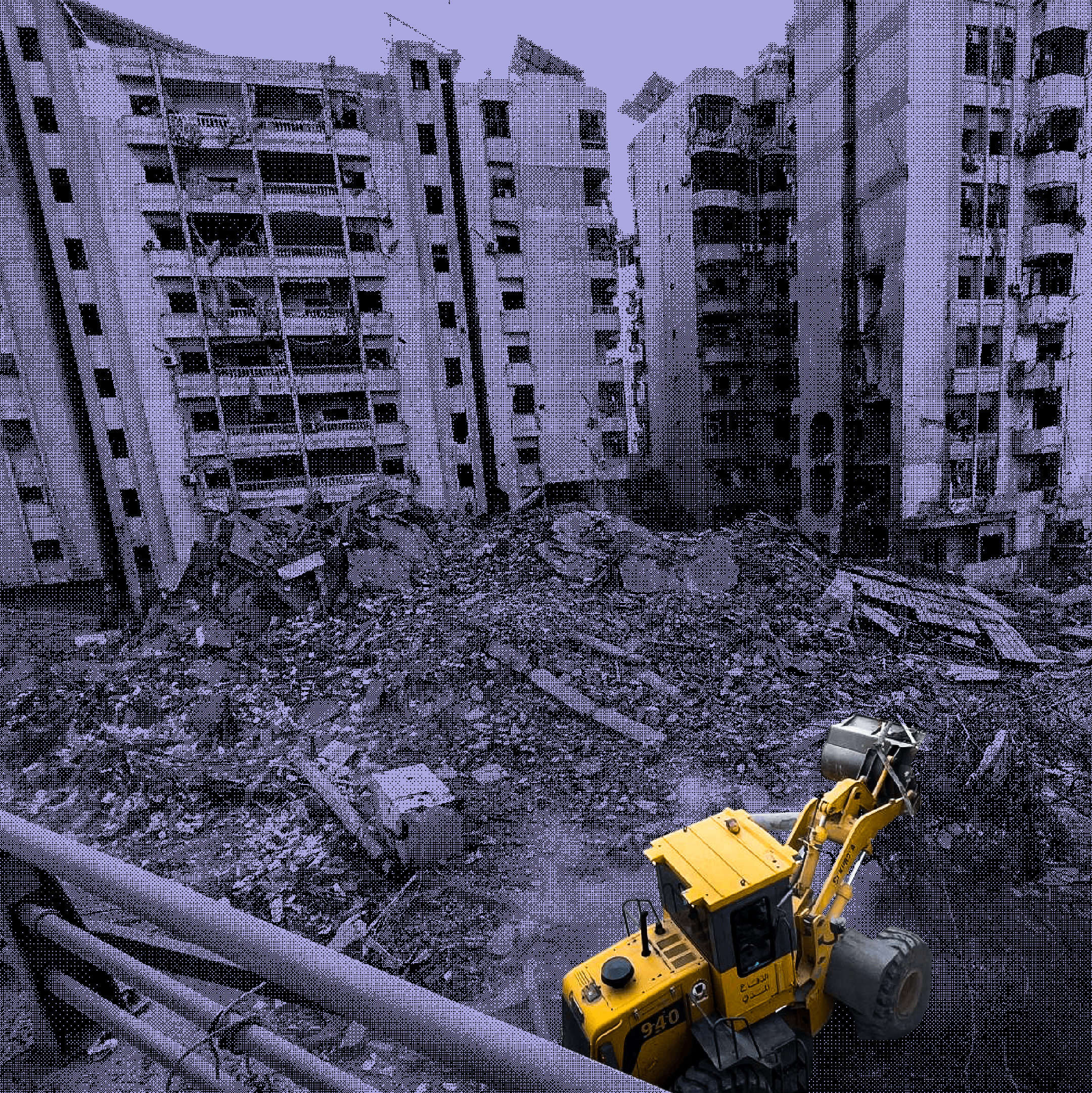
Bulldozing the old neighborhood in Aita al-Shaab, a Lebanese village on the southern borders, following the 2006 israeli war, the solidere-like approach to reconstruction, or the many stories we heard from returnees and their experiences during the war, highlighting the meaning of losing their home, their village, and their community. We will attempt to address these three levels through this text, while exploring the experiences of a group of urban planners who volunteered to support reconstruction efforts in the village immediately after the war.

“Reconstruction in Lebanon: Experiences and Lessons”

Lebanon, and particularly the South, Beirut, and the Bekaa, is experiencing massive destruction of its infrastructure, buildings, spaces, and social and urban fabric as a result of the recent Israeli war. This has …

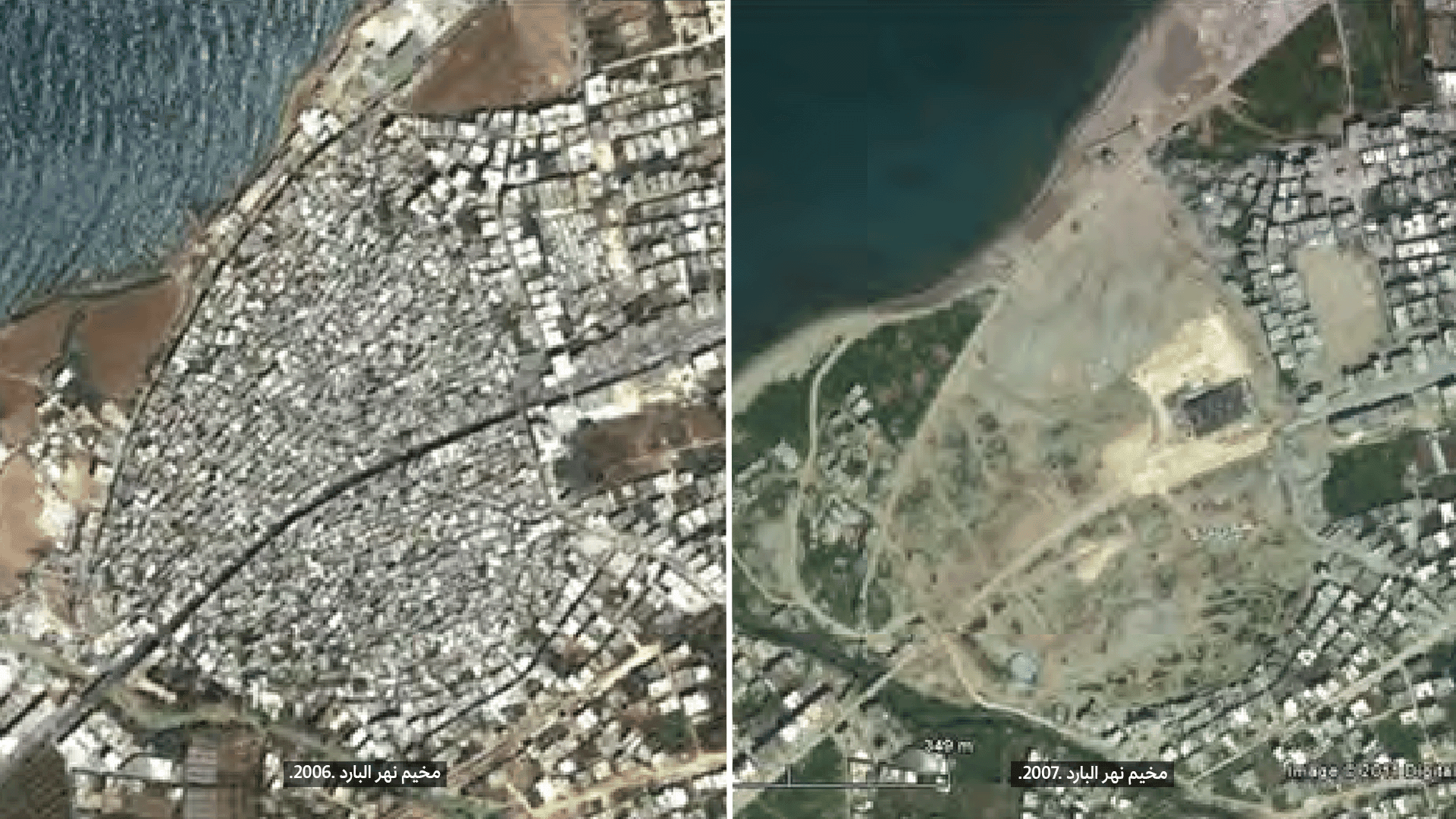
The camp’s extension in Lebanon between the barriers of security and law: The story of Nahr al-Bared

The story of the destruction and reconstruction of Nahr al-Bared camp offers insights into the current state of Palestinian camps and settlements in Lebanon. This study demonstrates that the approach adopted by official Lebanese politics in Nahr al-Bared, will likely lead to the emergence of a new approach to dealing with Palestinian camps and settlements in Lebanon, one that relies on security measures reinforced by discriminatory laws.