
Based on a government decision, the Ministry of Environment has developed the “Framework for defining the methodology and mechanisms of intervention within the reconstruction process,” which Minister Tamara el-Zein presented to the Cabinet on December 18. A review of this framework reveals that the state remains captive to an approach that excludes many vital sectors and issues—most notably the border region. Furthermore, the framework relies on a narrow technical approach that reduces cities and villages to “units” and “compensation figures,” stripping these places of their multifaceted meanings. Is it possible to imagine a comprehensive reconstruction and recovery process that does not merely address the repercussions of war, but also encompasses the form of urban justice we strive for? This article attempts to answer this question by reviewing the content of the proposed framework, highlighting some of its problematic aspects, and calling for it to be opened up for public discussion.
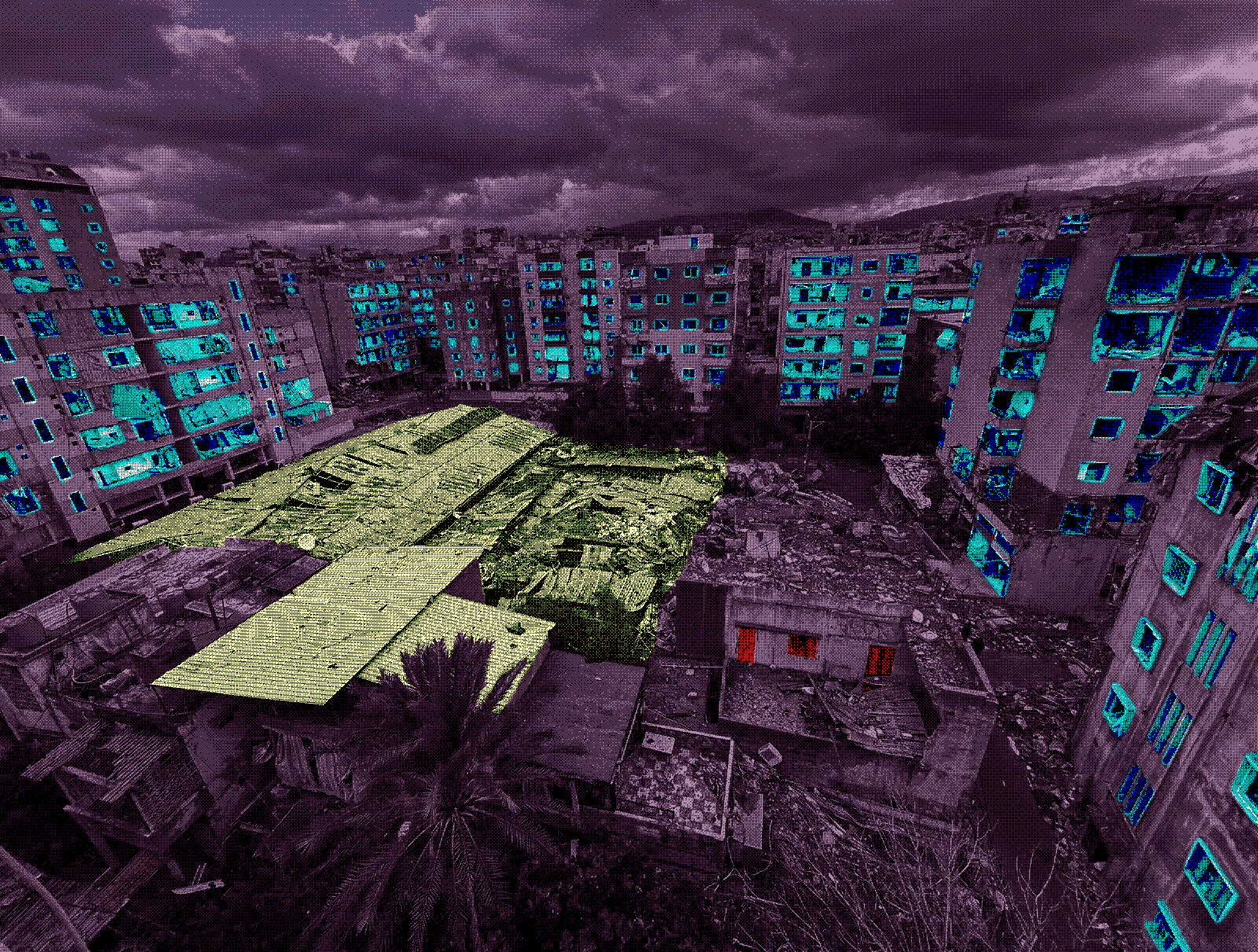
The Reconstruction Framework scheduled for discussion in the government: We still have a lot of work ahead of us
27/01/2026
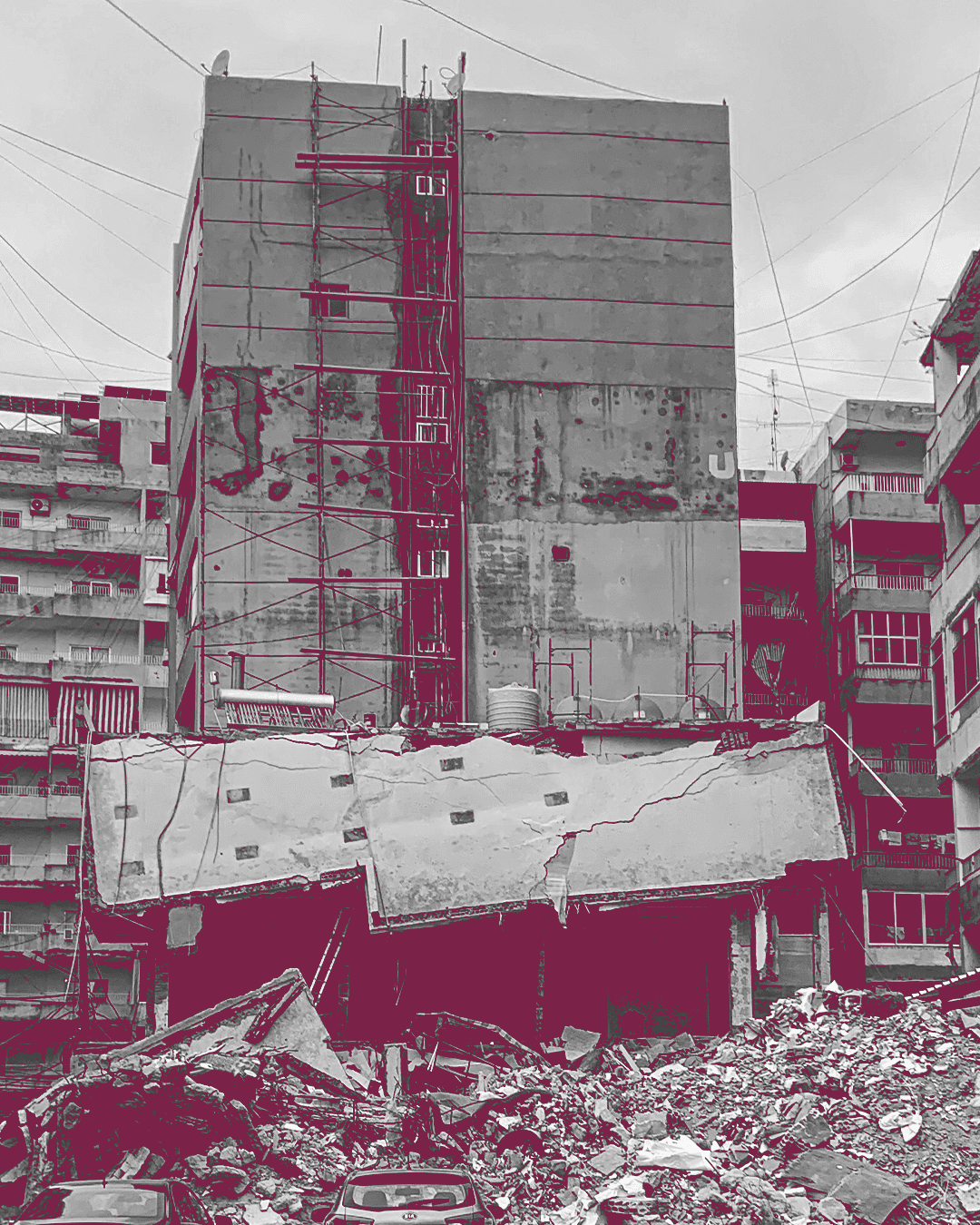

The Reconstruction Draft Law repeats the Mistakes of the past:
Reviving destroyed villages can’t happen only through buildings
After a ceasefire was implemented in Lebanon on November 27, the Lebanese government held a special session on December 7 in the southern city of Tyre and approved a draft law for rebuilding ...