South Lebanon Governorate

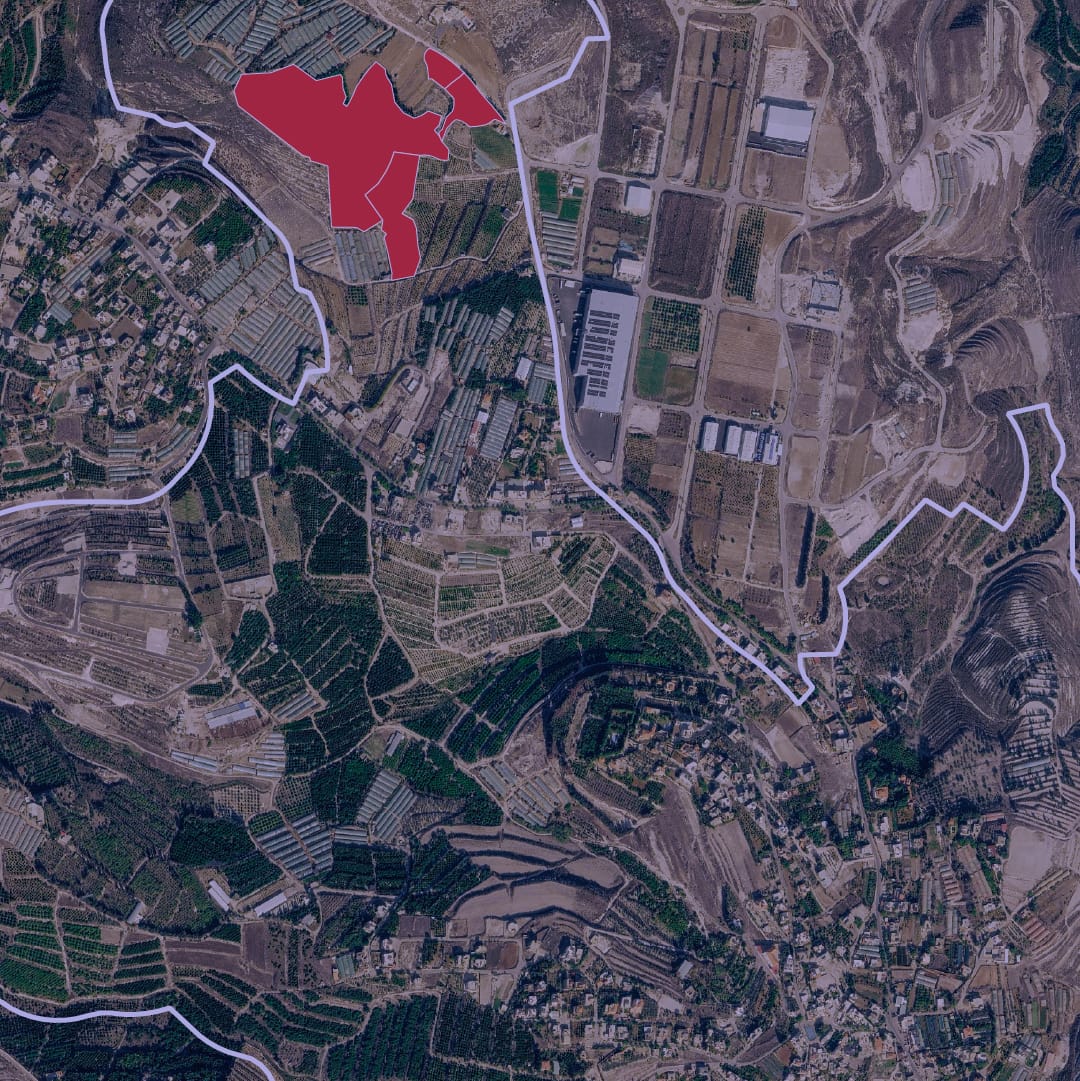
Qaaqaiyat al-Sanawbar once again: Israel is erasing southern villages, while our state destroys their agriculture.

Since the start of the 2024 war, the zionist entity has targeted Qaaqaiyat al-Sanawbar for 175 days, in addition to threats of evacuation, forcing the remaining residents to flee.
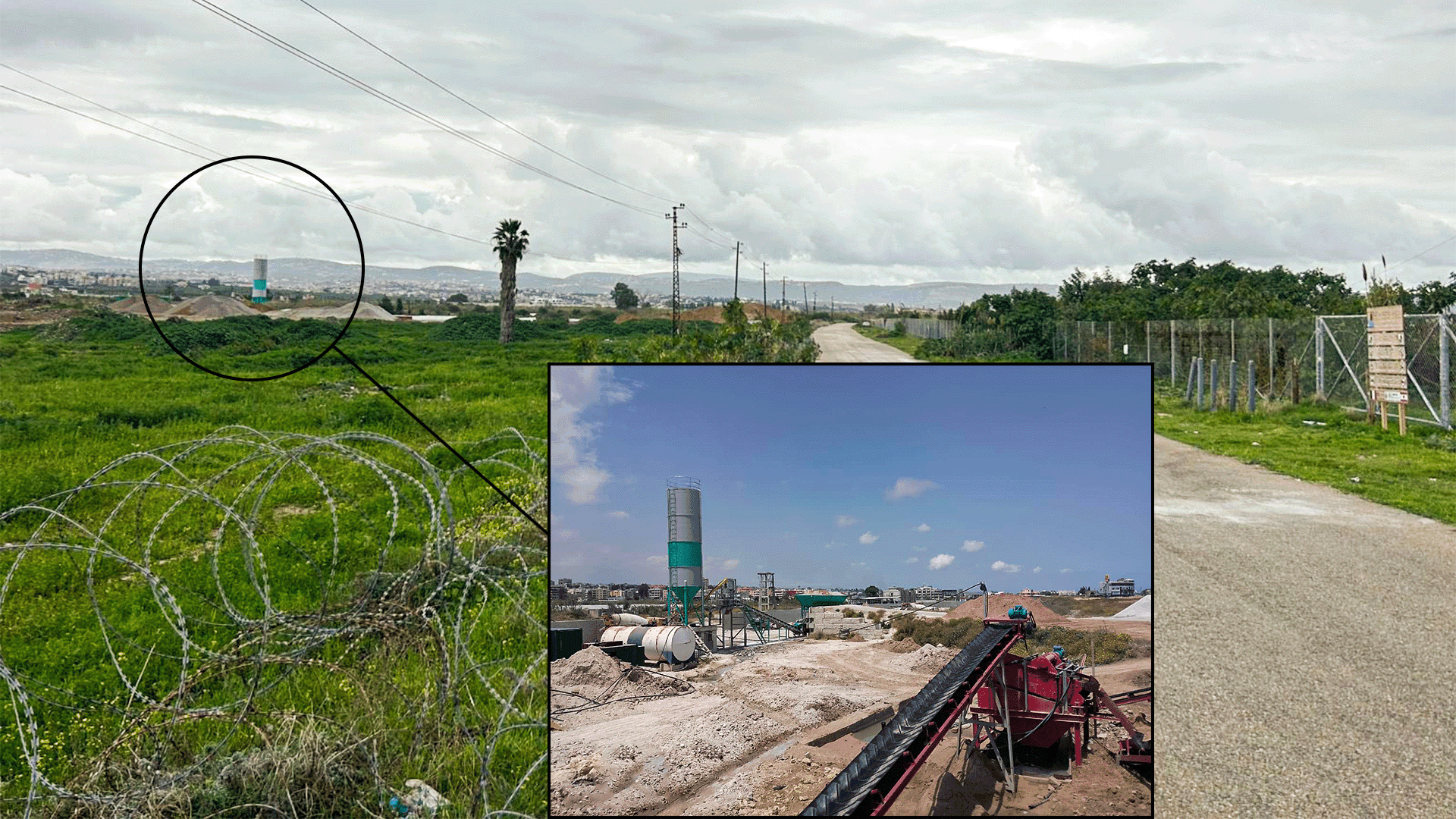
While the town is being destroyed, the authorities have reclassified agricultural areas within it as an industrial zone through Decree No. 2304, issued on January 22, 2026.
This exacerbates the destruction and extraction perpetrated by the occupation.

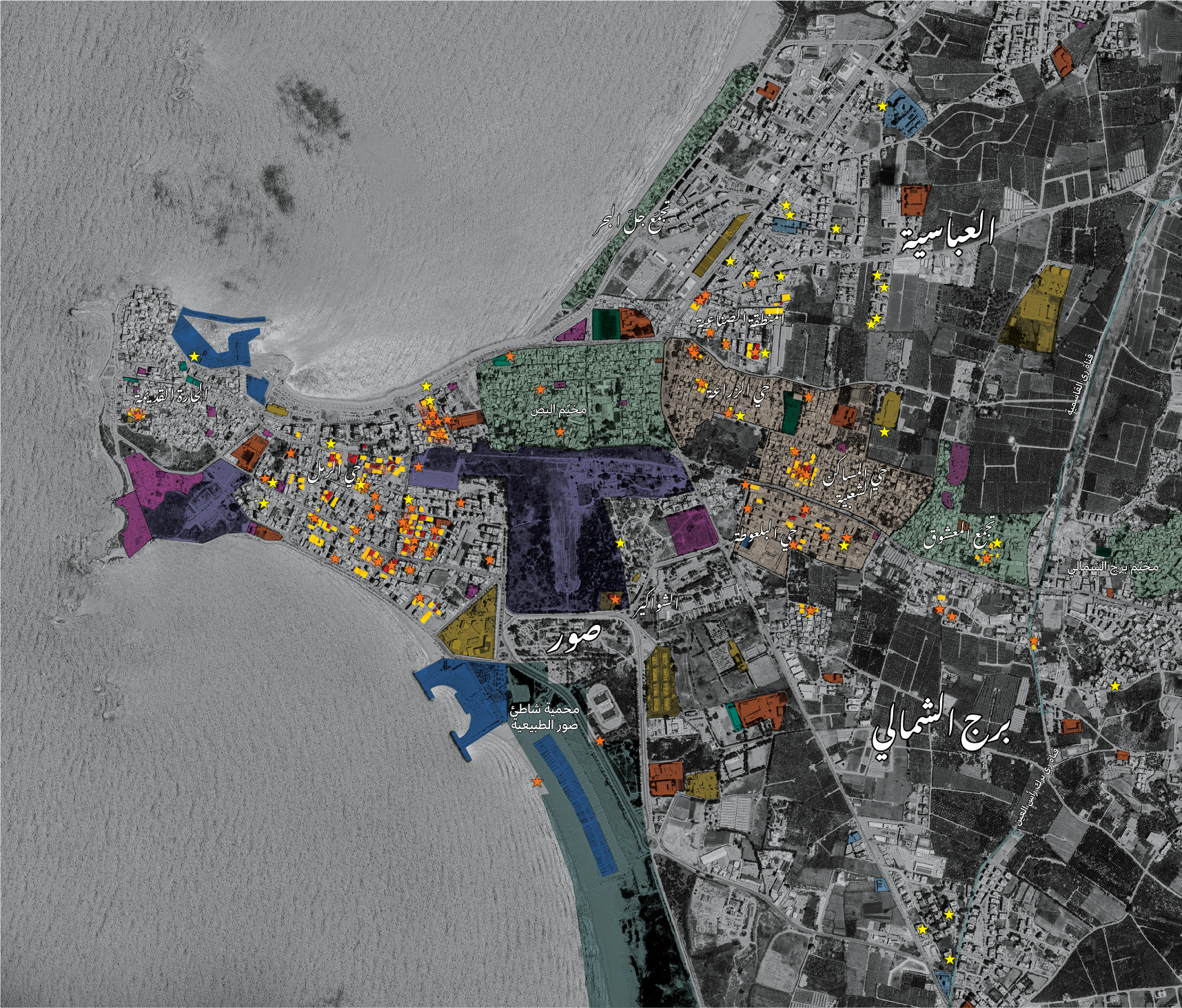
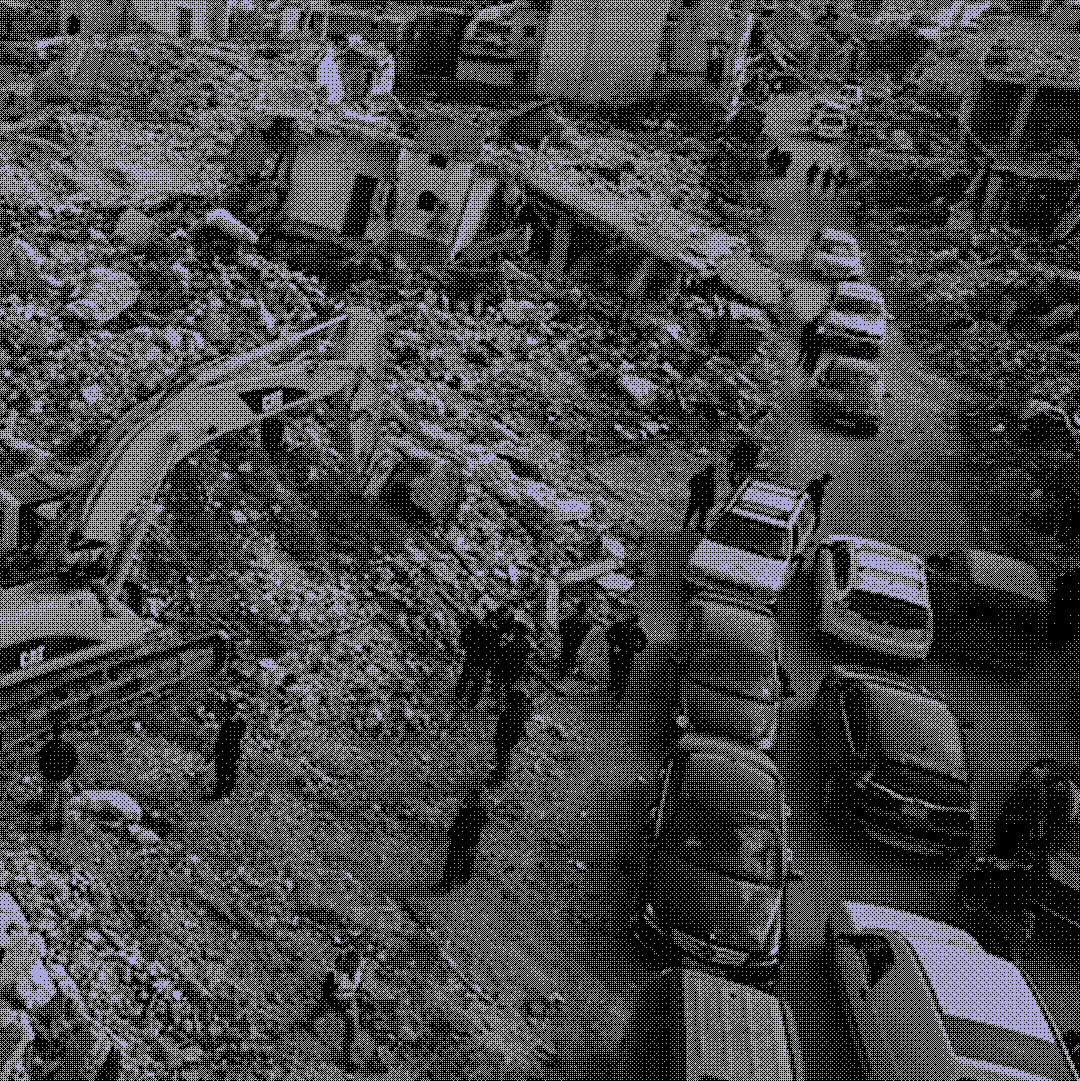
2024–2026: Israeli Bombardment of Tyre: Where and What?

Extracted from a wider research conducted by Public Works Studio, this article analyzes the Israeli aggression against Tyre City between October 2023 and April 2026, framing it as a systematic “urbicide” executed through the issuance of evacuation orders, the destruction of dense residential-economic clusters, and the deliberate dismantling of social ties.

Responding to Ecocide in Lebanon: Recommendations for Official and Community Engagement in Sustainable Recovery

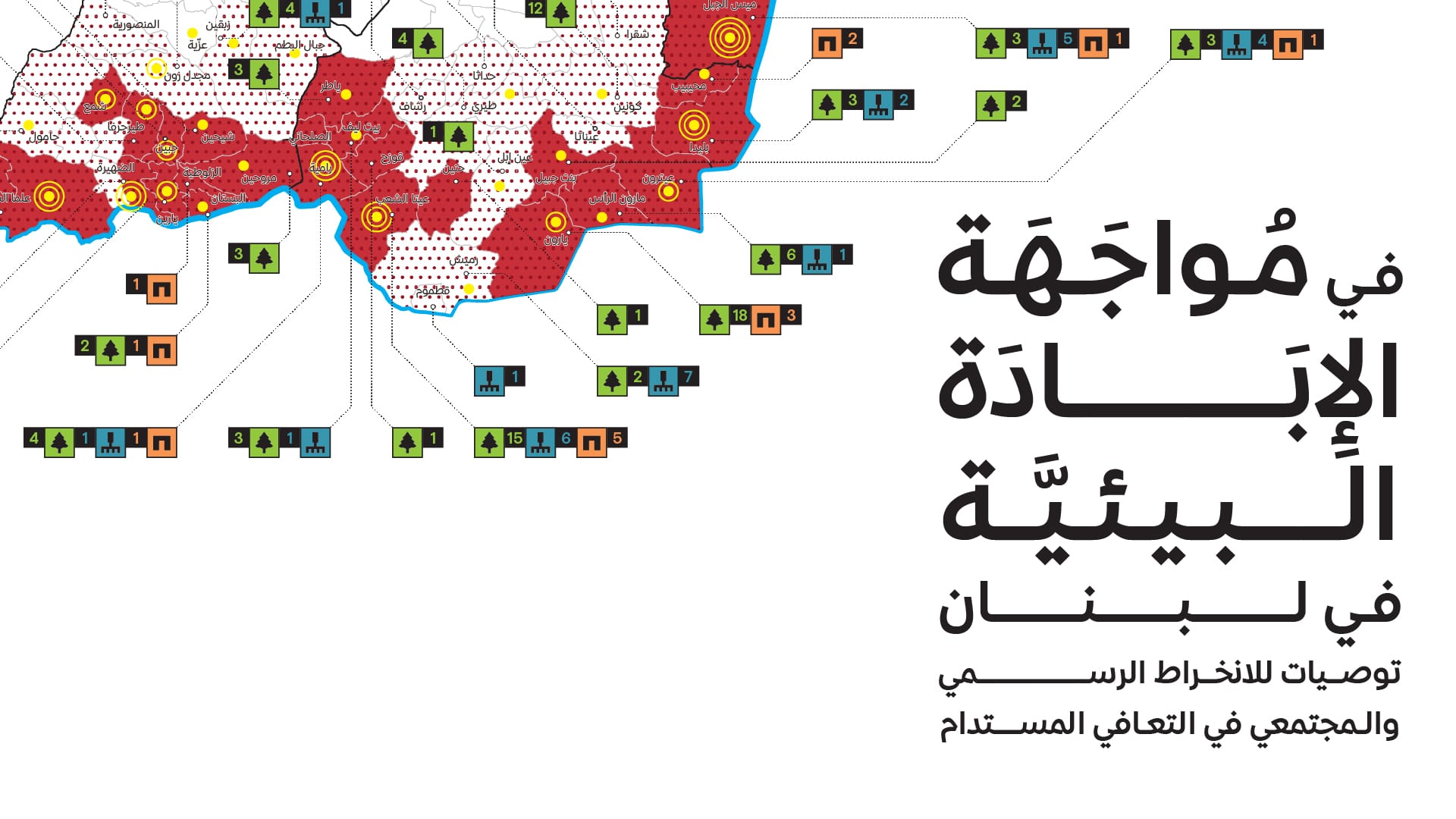
Since 8 October 2023, border villages in southern Lebanon have suffered systematic ecocide, with Israel targeting infrastructure, forests, and agricultural lands, aimed at enforcing displacement and making the area uninhabitable. Over the past year, Public Works Studio conducted research, monitoring, and workshops, focusing particularly on the town of Kfarkela as a case study, to analyze damages and identify priorities for return, reconstruction, and environmental recovery. This work culminated in a policy paper documenting the impacts, evaluating recovery frameworks, and offering recommendations to advance environmental justice. The paper was launched during a public seminar to foster discussion on participatory advocacy pathways.

Responding to Ecocide in Lebanon: 

Recommendations for Official and Community Engagement in Sustainable Recovery

Public Works Studio and the Arab Reform Initiative are organizing the launch event of their joint research paper, “Responding to Ecocide in Lebanon: Recommendations for Official and Community Engagement in Sustainable Recovery,” on …

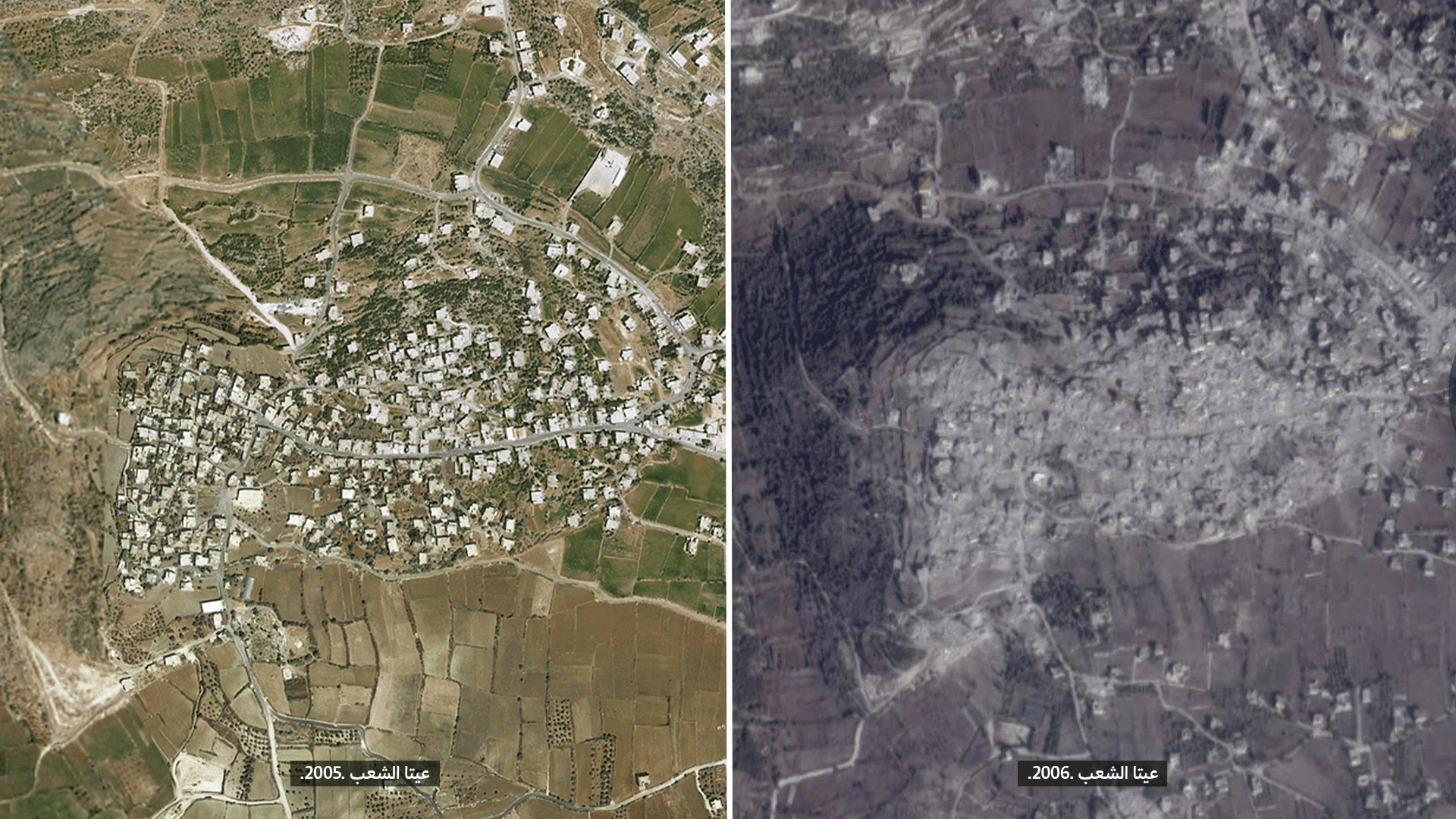
Aita al-Shaab: How do we rebuild a village?

Bulldozing the old neighborhood in Aita al-Shaab, a Lebanese village on the southern borders, following the 2006 israeli war, the solidere-like approach to reconstruction, or the many stories we heard from returnees and their experiences during the war, highlighting the meaning of losing their home, their village, and their community. We will attempt to address these three levels through this text, while exploring the experiences of a group of urban planners who volunteered to support reconstruction efforts in the village immediately after the war.

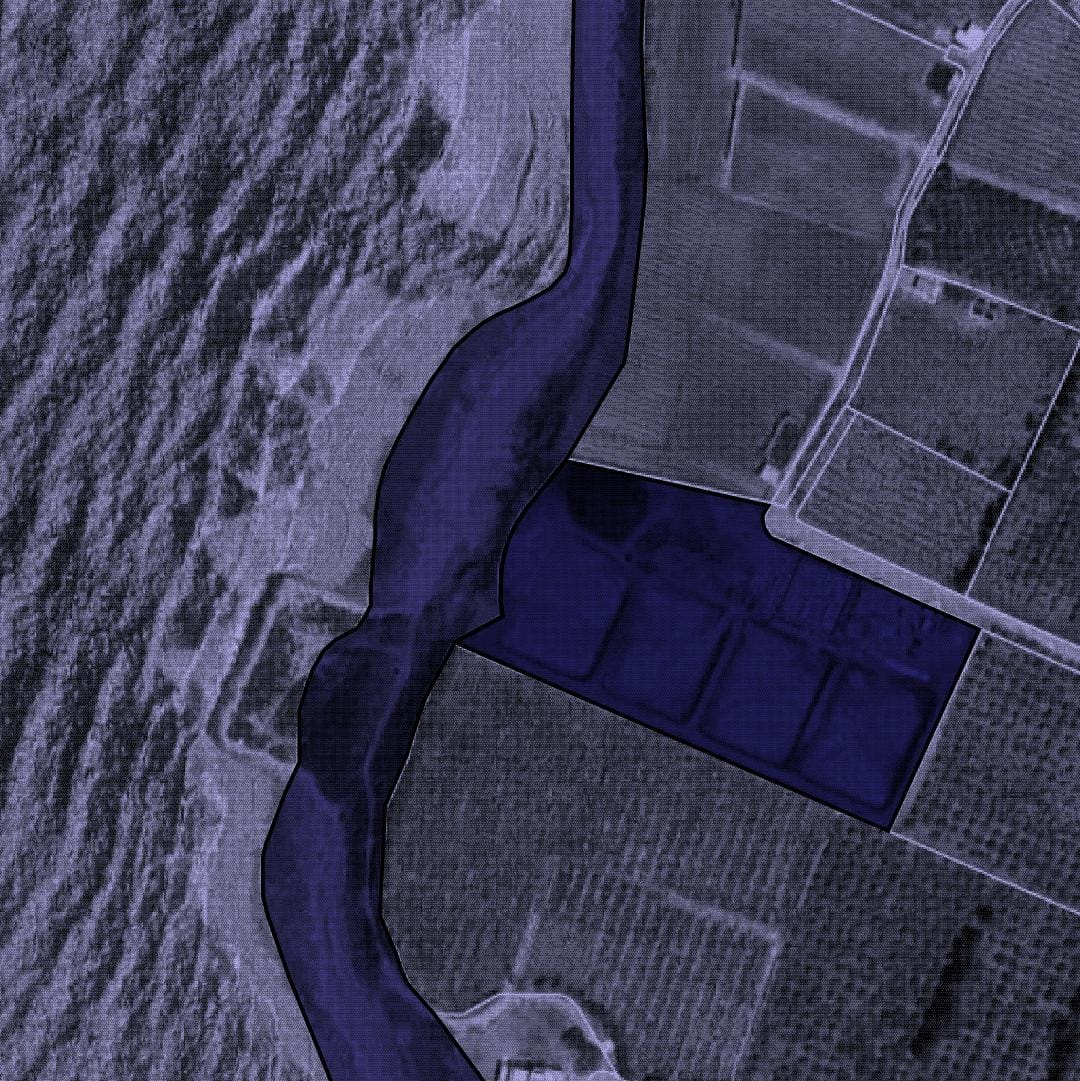
At the Expense of Tyre and Its Environment: The Army’s Investment Project Raises Questions around Exemption, Influence, and Justice

فيما تعمل مدينة صور جاهدةً على التعافي من الحرب وإعادة الإعمار، يقوم متعهد نافذ بتنفيذ مشروع استثماري لصالح وزارة الدفاع – وهو عبارة عن نادٍ للضباط ومجمّع تجاري – على أراضٍ مملوكة للدولة ومحاذية لمحمية صور الطبيعية. يثير هذا المشروع اعتراضات واسعة النطاق وتحديات قانونية بسبب توقيته وموقعه وتأثيراته البيئية المحتملة.

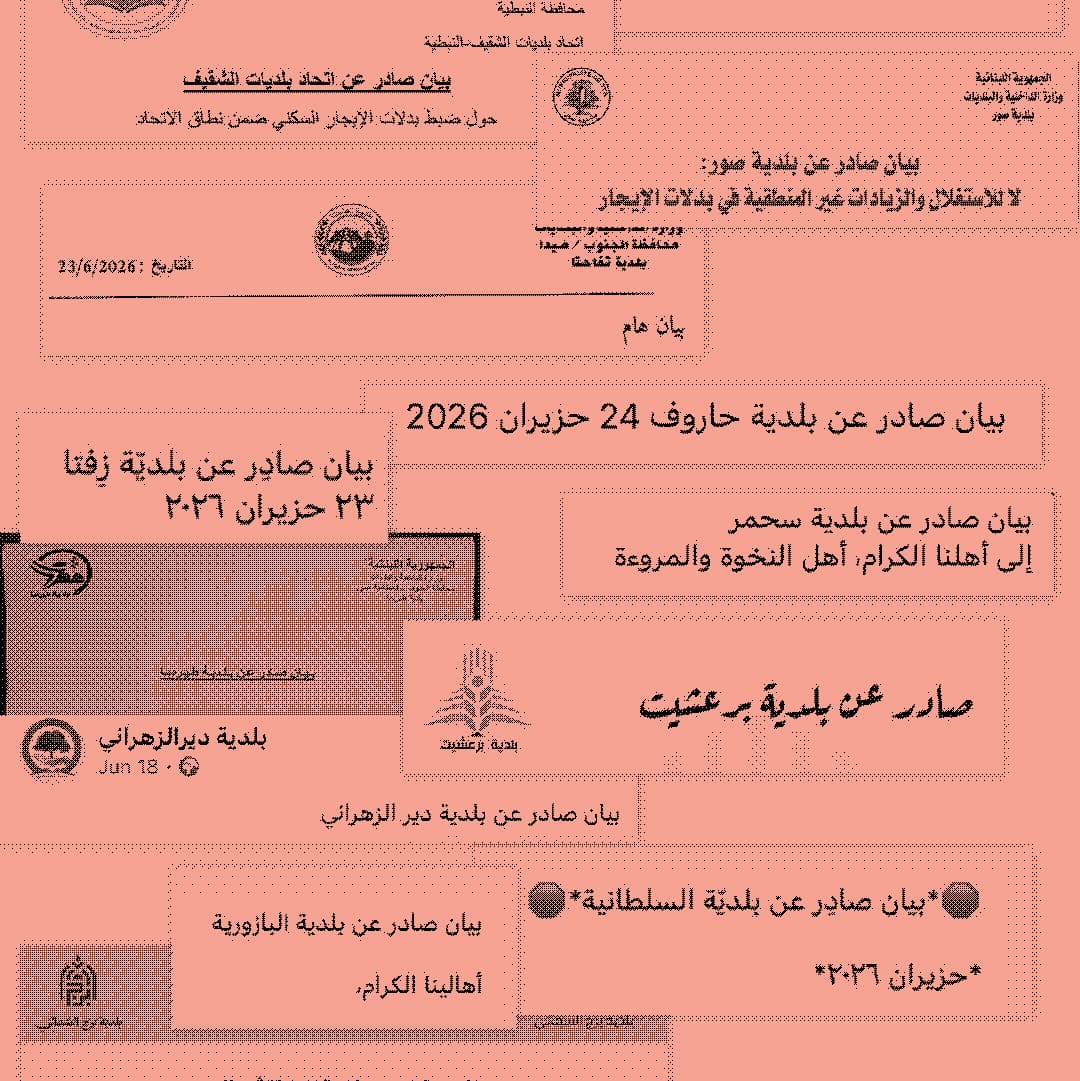
Displaced Persons and Returnees: Between Rising Rents and the Israeli Targeting of Prefabricated Homes

In the aftermath of the ceasefire, both the displaced and returnees are struggling to access affordable, suitable, and safe housing. Over 90,000 individuals remain displaced, with most relying on rental housing, where landlords have significantly inflated prices. Meanwhile, returnees continue to endure Israeli violations, with repeated attacks on prefabricated homes, further undermining return efforts. This crisis underscores the urgent need for state intervention to guarantee the right to adequate, affordable, and safe housing.

Incitement Before the Crime: Syrians Displaced and Homes Burned in Al-Aaqbiya

Syrian refugees in the Tariq al-Maslakh neighborhood of Al-Aaqbiyeh are facing escalating threats and attacks, leading to the forced displacement of dozens of families. Risks continue to rise amid growing incitement and official inaction.

 The Reconstruction Process Between the Law, Ownership status, and people’s Return 

Four months after the ceasefire, Internal Security Forces halted reconstruction in several border villages due to permit requirements, raising concerns about the future of destroyed homes—whether licensed, unlicensed, or built on public property. Given the political significance of reconstruction in these areas, the state must facilitate and organize the reconstruction process in a way that protects people’s right to housing, meets their needs, and respects the urban identity of the regions, within the framework of resisting occupation.

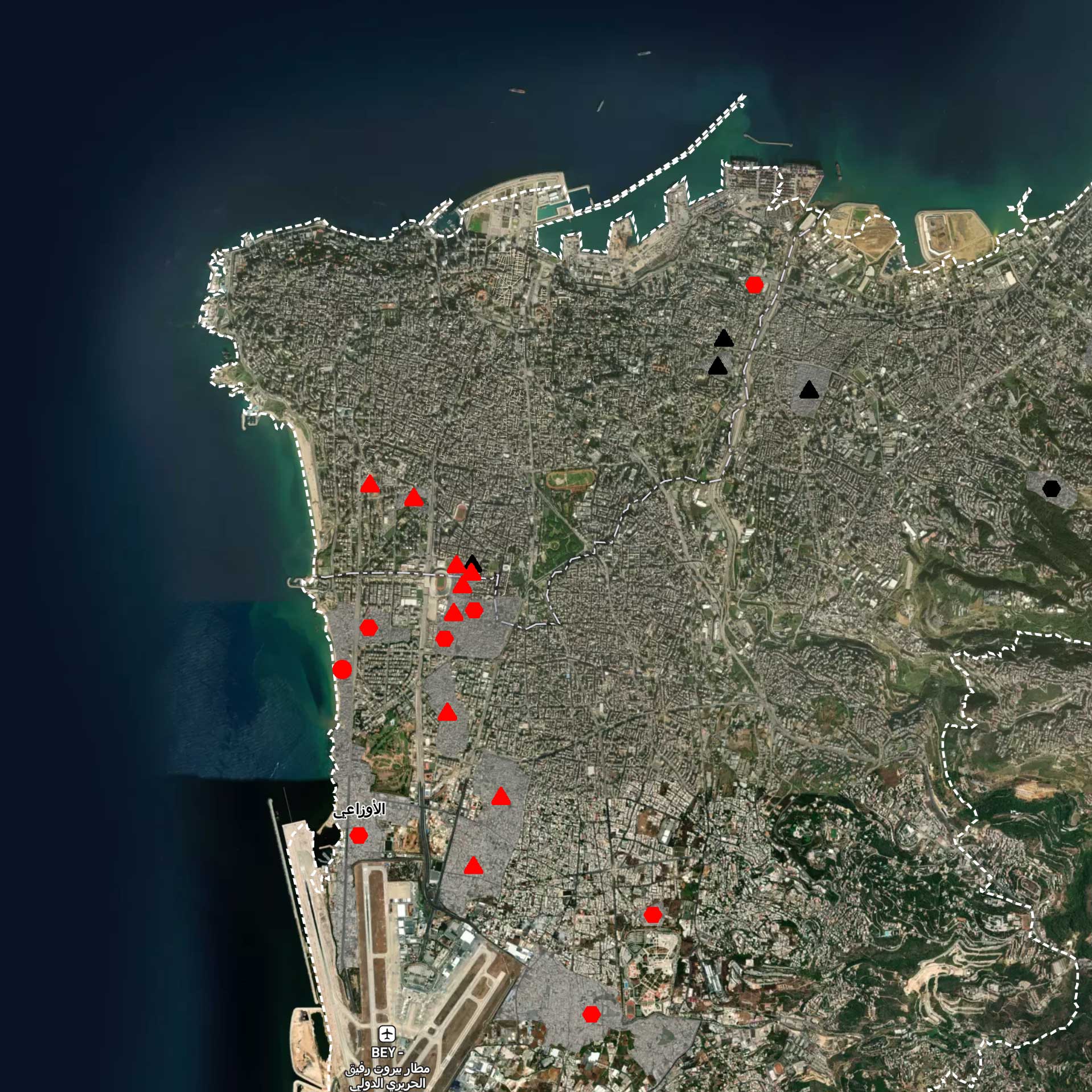
Uncovering the Informal Blueprint of cities in Lebanon

Tripoli | Beirut | Saida | Tyre

The map and article is not yet translated, refer to the Arabic version here.

Encroachment on Public Property in Al-Qleileh: Legitimizing Legal and Environmental Violations

Shortly before leaving office, the Mikati government approved Decree No. 14620, dated January 16, 2025, which grants a private company concession rights to 14,560 square meters of public maritime domain adjacent to property …

The blame game over shelter responsibilities is playing out in a car parking in Saida

For over a month, around 700 Syrian refugees displaced by Israeli airstrikes in southern Lebanon have been living in a parking lot in Saida City. Stranded without alternatives, their situation remained unresolved until the property owner’s influence and the protection of private property rights prompted officials to take action—not to find a solution, but to evict them, leaving their fate uncertain.