Lebanon

The Suspension of Deadlines in the Absence of Housing Protection: A Legislative Loophole in Times of War

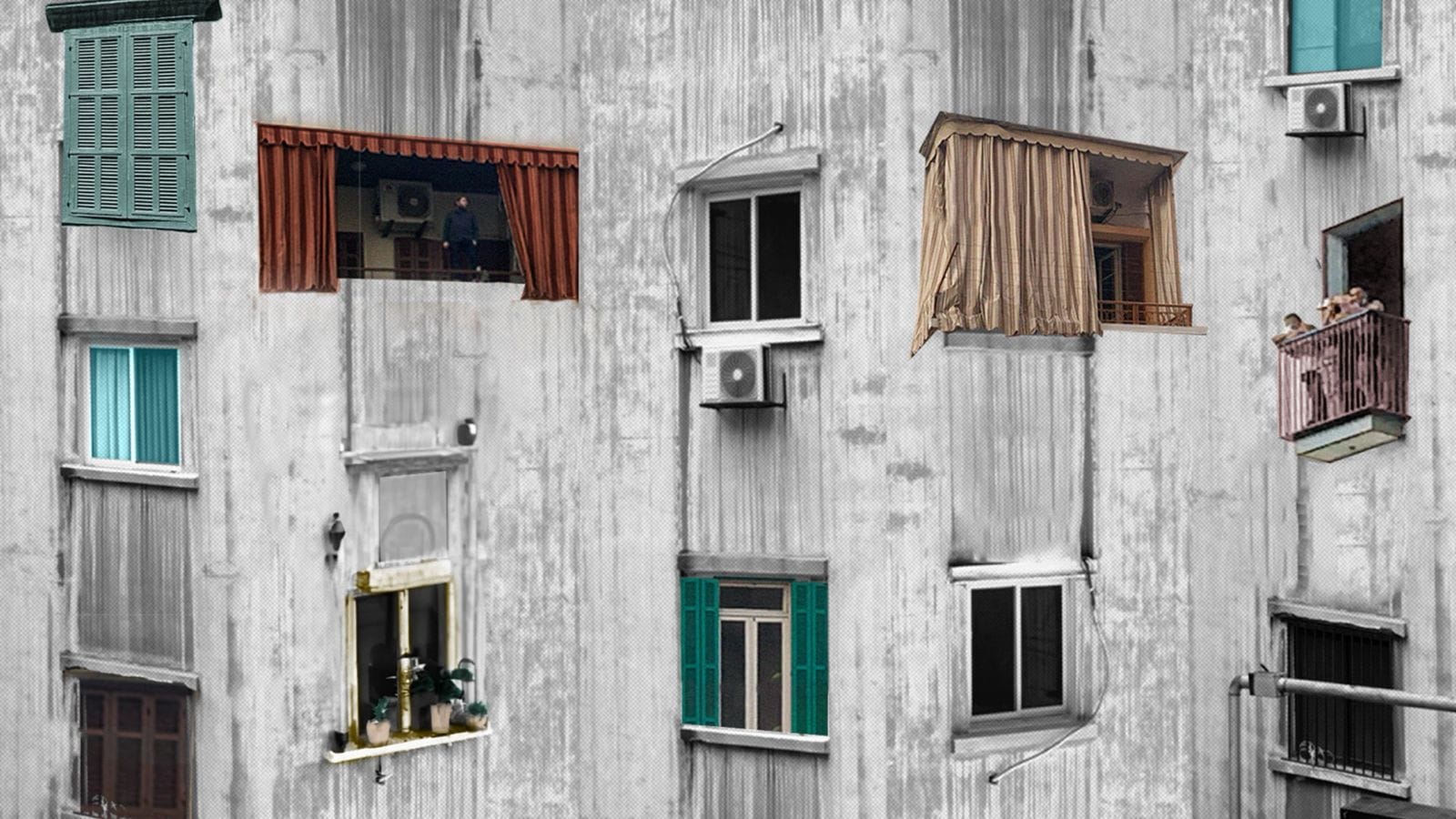
The suspension of deadlines in times of war is a key tool for protecting rights. However, excluding lease agreements from it undermines this protection and exposes tenants to the risk of eviction and homelessness. In the context of widespread displacement and declining ability to pay, the right to housing cannot be separated from any serious legislative response to the crisis. Including leases within the scope of suspended deadlines is not a technical detail, but an urgent necessity to ensure a minimum level of social protection under exceptional circumstances.

Eviction in Wartime: A Reading of Old Rent Eviction Verdicts

This article explores how courts in Beirut and Zahle selectively applied an inapplicable law to fast-track legally preventable evictions, while disregarding the consequences for old-rent tenants in a country already overwhelmed by war and displacement.

Responding to Ecocide in Lebanon: Recommendations for Official and Community Engagement in Sustainable Recovery

Since 8 October 2023, following the Israeli war on Lebanon and the ongoing ceasefire violations, the southern regions have endured widespread attacks on homes, infrastructure, public facilities, cultural landmarks, forests, and agricultural lands. …

Responding to Ecocide in Lebanon: Recommendations for Official and Community Engagement in Sustainable Recovery

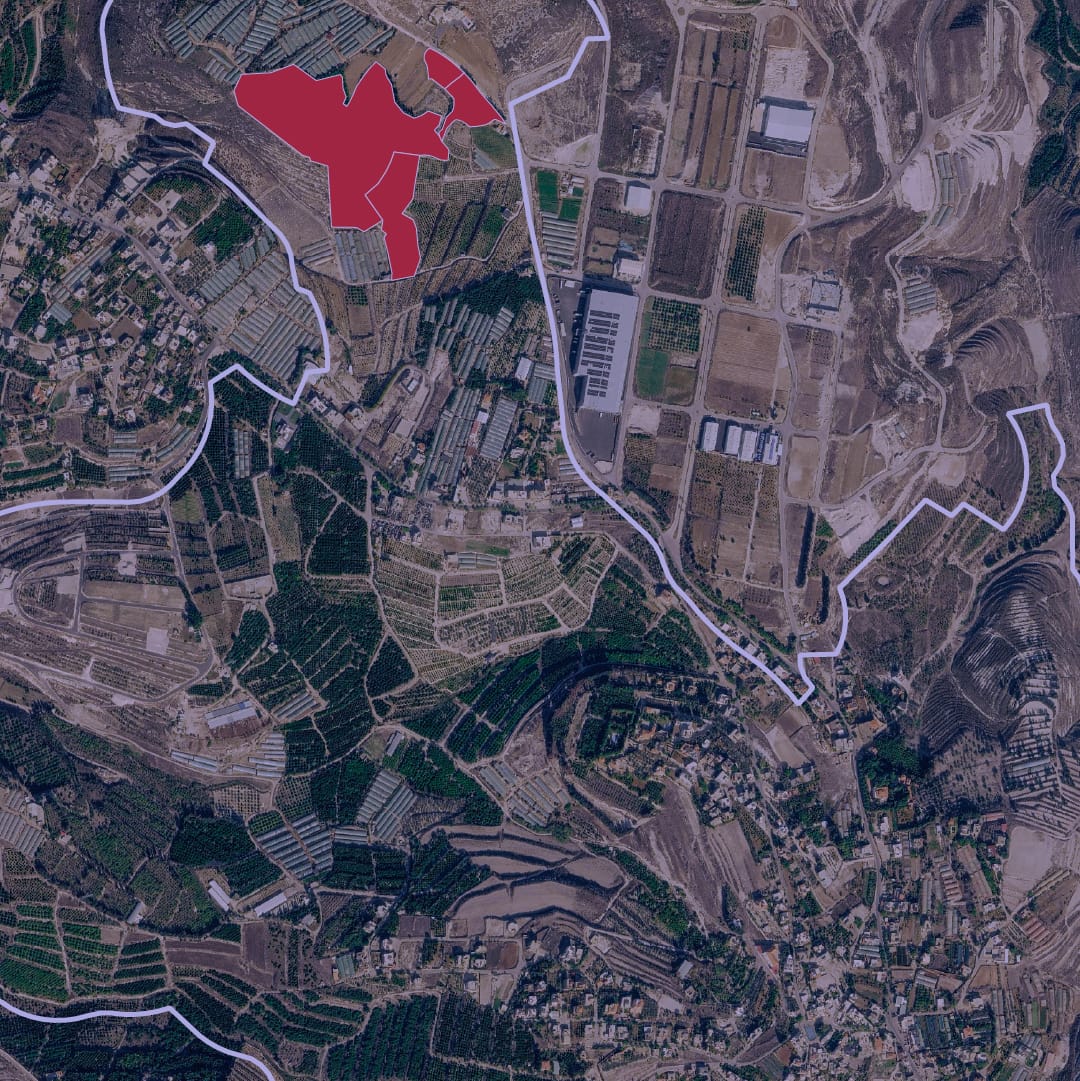
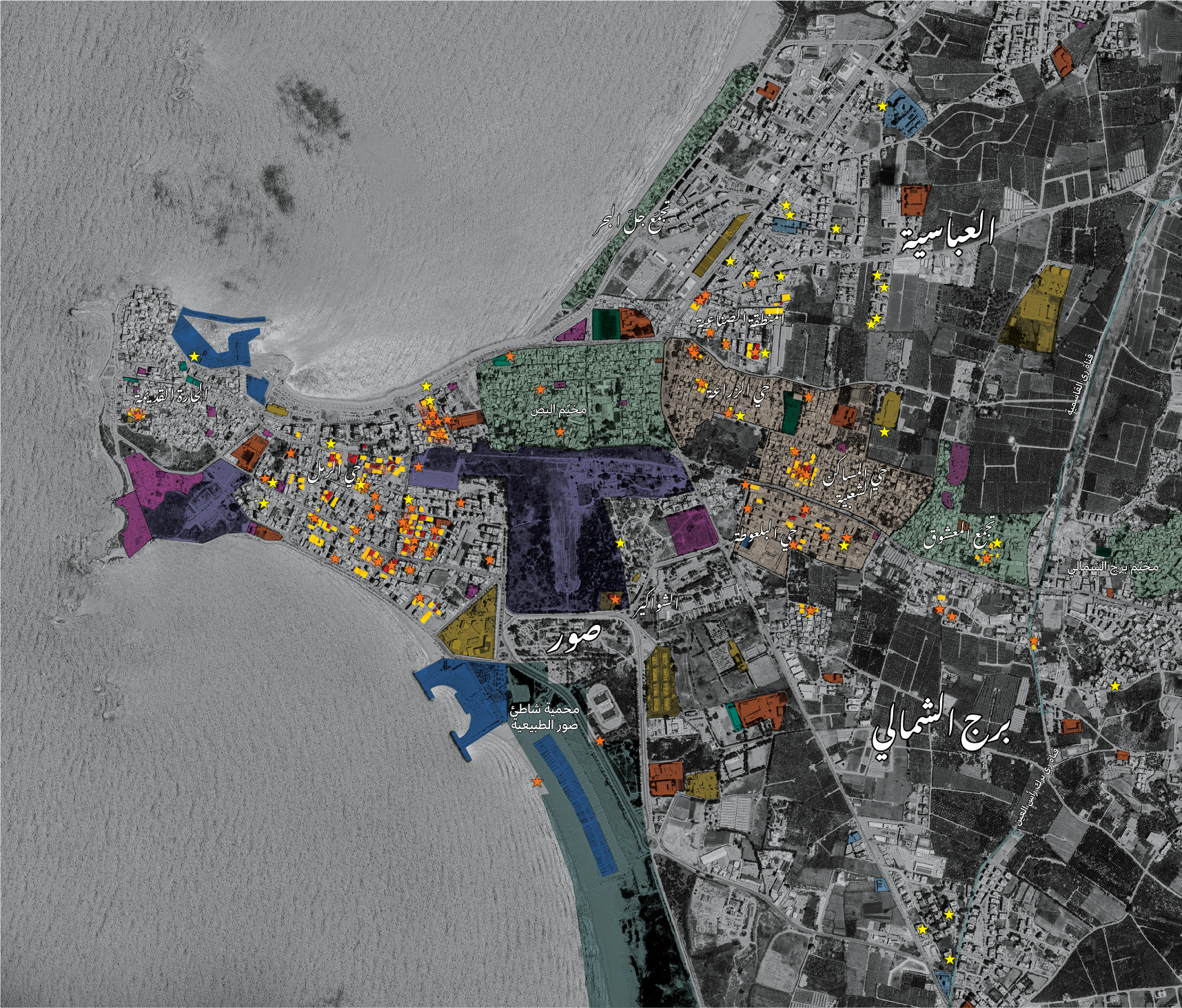
Since 8 October 2023, border villages in southern Lebanon have suffered systematic ecocide, with Israel targeting infrastructure, forests, and agricultural lands, aimed at enforcing displacement and making the area uninhabitable. Over the past year, Public Works Studio conducted research, monitoring, and workshops, focusing particularly on the town of Kfarkela as a case study, to analyze damages and identify priorities for return, reconstruction, and environmental recovery. This work culminated in a policy paper documenting the impacts, evaluating recovery frameworks, and offering recommendations to advance environmental justice. The paper was launched during a public seminar to foster discussion on participatory advocacy pathways.

Open the Empty Buildings – Public and Private- and Apply Rent Control

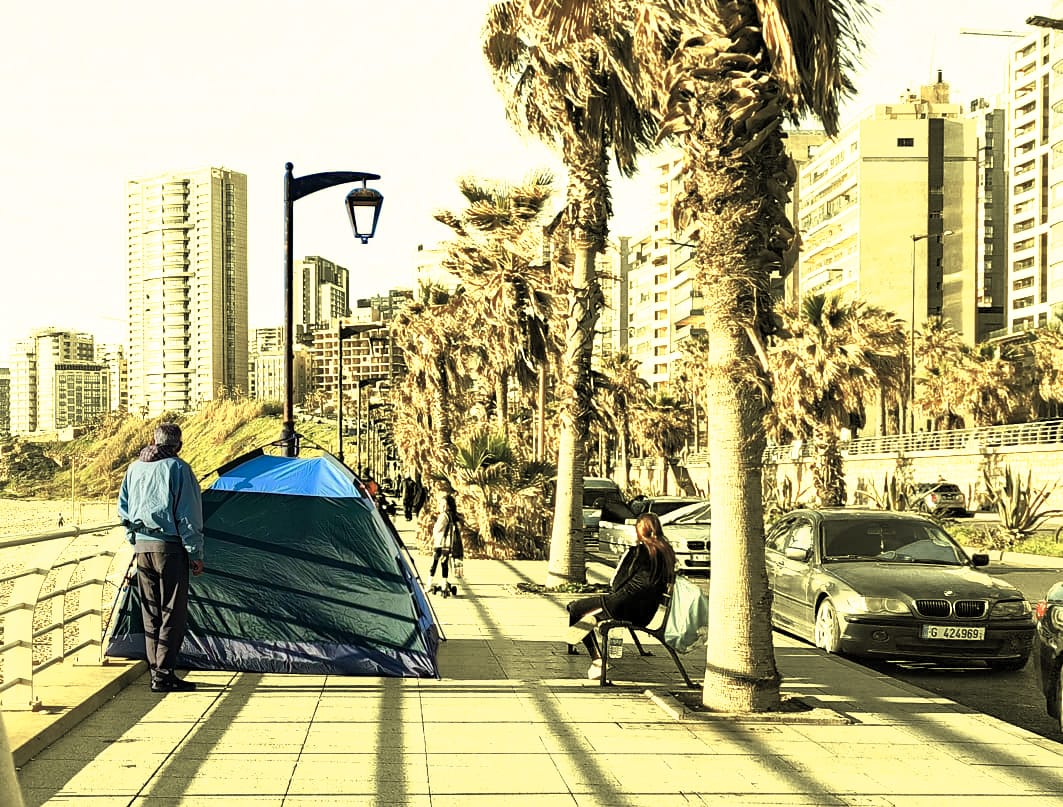
Thousands of displaced families are sleeping on the Corniche sidewalks, the beach, and in public squares, left without shelter. This situation is a direct result of the government’s shortcomings in its plan to accommodate the growing number of displaced people, exacerbated by Israel’s orders to evacuate more than 80 towns in the south and all of southern Beirut.

We are here to reiterate the following options for effectively responding to the escalating displacement crisis, in light of the evolving security situation and the imperative to guarantee the right to housing, which is being violated on an unprecedented scale during wars.

Two Complementary Draft Laws to Strengthen the Right to Housing

On Wednesday, February 25, 2026, MP Halima Al-Qaqour, along with a number of MPs, submitted two draft laws to the Speaker of Parliament. The first, an amendment to the old residential lease law, …

Is there anything left to say about Hayy el Tanak?

This article looks at Hayy el Tanak in Tripoli, not as an example or proof of randomness or disorganization, but rather as a question about the meaning of a neighborhood; for the neighborhood is not a product of chance or an architectural sin. It is, in fact, a testament to the architecture of exclusion.

Responding to Ecocide in Lebanon: 

Recommendations for Official and Community Engagement in Sustainable Recovery

Public Works Studio and the Arab Reform Initiative are organizing the launch event of their joint research paper, “Responding to Ecocide in Lebanon: Recommendations for Official and Community Engagement in Sustainable Recovery,” on …

The Reconstruction Framework scheduled for discussion in the government: We still have a lot of work ahead of us

Critiquing the government’s “Reconstruction Framework”, this article exposes a narrow technical approach that reduces cities and villages to figures and compensation, while overlooking vital sectors and issues. The text calls for imagining a comprehensive recovery that goes beyond addressing the aftermath of war to encompass the form of urban justice we strive for.

Tripoli or the city that falls apart piece by piece

Buildings are falling apart in Tripoli, not haphazardly, but as a logical result to the city’s policies vis-a-vis old buildings. This article presents PW’s analysis of the underlying reasons, and proposes steps for a better and fairer management of the situation.

Urbicide as a strategy: The southern suburbs of Beirut between the attacks and the urban fragmentation

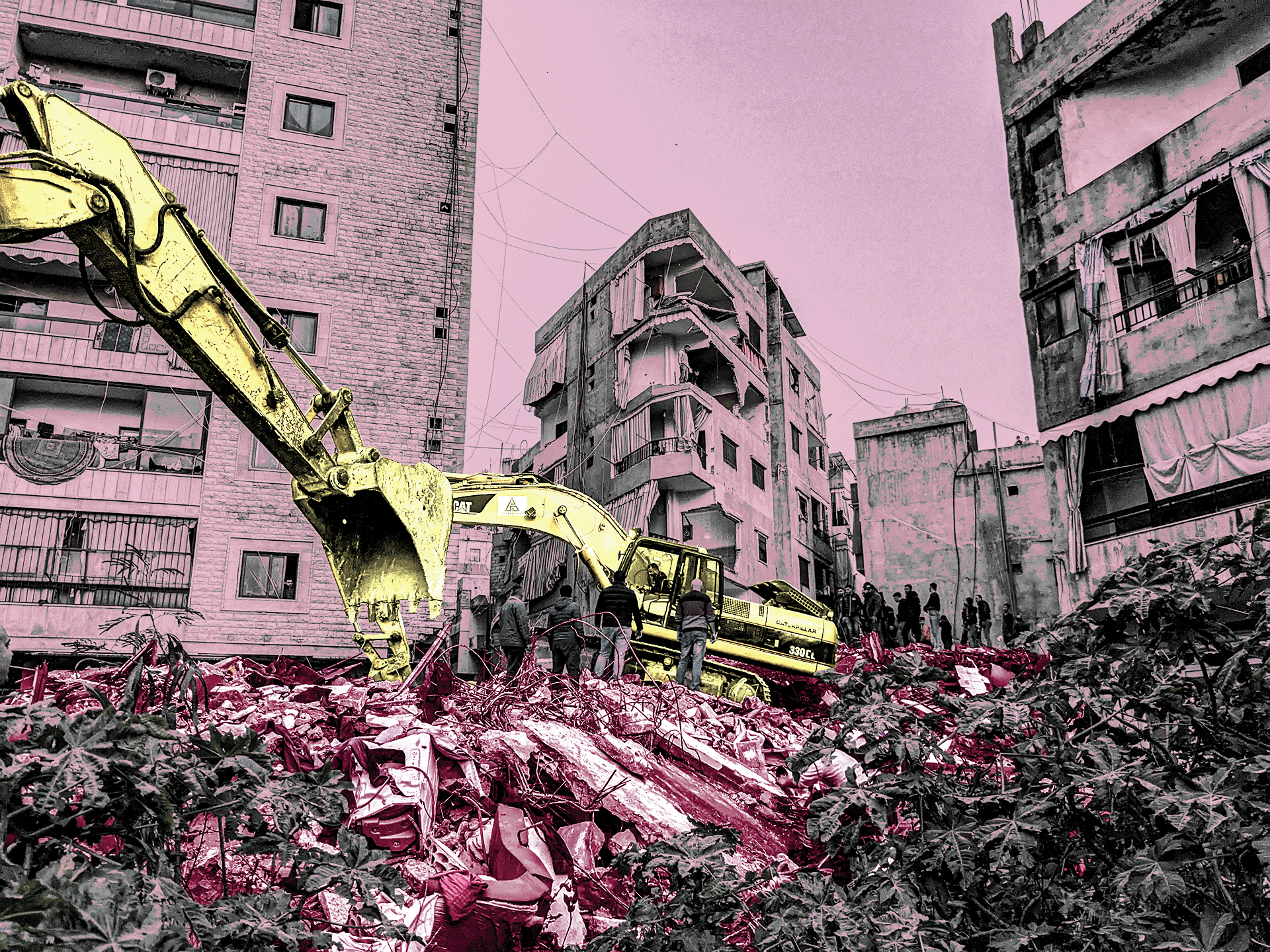
Amid rubble and a fractured social fabric, Beirut’s southern suburbs bear the scars of the Israeli war, which struck homes, markets, schools, and hospitals. Drawing on data, maps, and local testimonies, the article documents the scale of destruction and raises urgent questions about urban justice and the future of the city’s reconstruction.

Parliament Approves Loan for Infrastructure Reconstruction:

Between Rapid Response and Delayed Comprehensive Reconstruction

The Lebanese Parliament approved a $250 million World Bank loan to implement the LEAP project, aimed at emergency reconstruction of damaged infrastructure, restoring essential services, and managing debris, as one of the three tracks in the government’s reconstruction strategy. The loan represents a limited portion of reconstruction needs, focusing on densely populated areas, which excludes southern villages and border regions and does not cover the rebuilding of destroyed buildings. Despite its importance, LEAP remains a partial, short-term step amid ongoing delays in comprehensive reconstruction.