Imad Al-Hout Approaches the Social Crisis of Old Rent Contracts Through a Narrow Numerical Lens

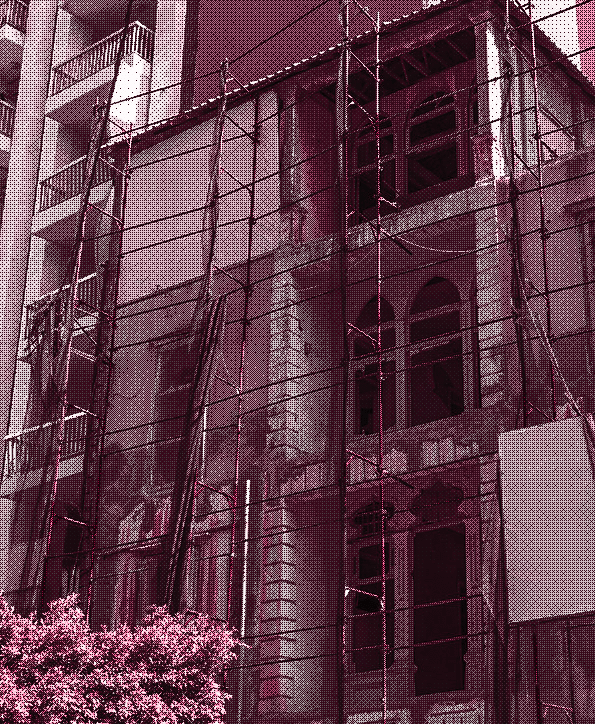
In a few lines, Representative Imad Al-Hout seeks, by proposing a repeated accelerated law, to resolve the decades-old problem surrounding the old rent law, by setting a clear date for the entry into …

Who’s Beirut?

On the Necessity of a Unified Conception of the City that Goes Beyond its Municipal Borders

Over the course of more than a century, Beirut has witnessed a radical transformation and tremendous urban and population growth intertwined with major historical events. Aerial maps show this expansion, but also they raise a basic question: Who is Beirut today, with its urban complexities and interactions?

Displaced Persons and Returnees: Between Rising Rents and the Israeli Targeting of Prefabricated Homes

In the aftermath of the ceasefire, both the displaced and returnees are struggling to access affordable, suitable, and safe housing. Over 90,000 individuals remain displaced, with most relying on rental housing, where landlords have significantly inflated prices. Meanwhile, returnees continue to endure Israeli violations, with repeated attacks on prefabricated homes, further undermining return efforts. This crisis underscores the urgent need for state intervention to guarantee the right to adequate, affordable, and safe housing.

The Impact of the Israeli War on Lebanon: The Housing Crisis Worsens and Enters a New Phase

The Housing Monitor Annual Report | January 2024-January 2025

This 2024 Housing Monitor annual report examines the impact of war and political convergences on Lebanon’s housing crisis, highlighting mass displacement, rising rents, the exclusion of non-Lebanese residents, and forced evictions.

Between Rubble Removal and Reconstruction: Will the Israeli Ecocide in Lebanon Continue?

In the aftermath of Israel’s attacks, Lebanon struggles with both physical and environmental destruction. This report examines the state’s efforts in rubble removal, highlighting key gaps and necessary approaches for a sustainable recovery.

Incitement Before the Crime: Syrians Displaced and Homes Burned in Al-Aaqbiya

Syrian refugees in the Tariq al-Maslakh neighborhood of Al-Aaqbiyeh are facing escalating threats and attacks, leading to the forced displacement of dozens of families. Risks continue to rise amid growing incitement and official inaction.

Tripoli’s Municipality Demands Media Publicity in Exchange of Protecting Residents Lives

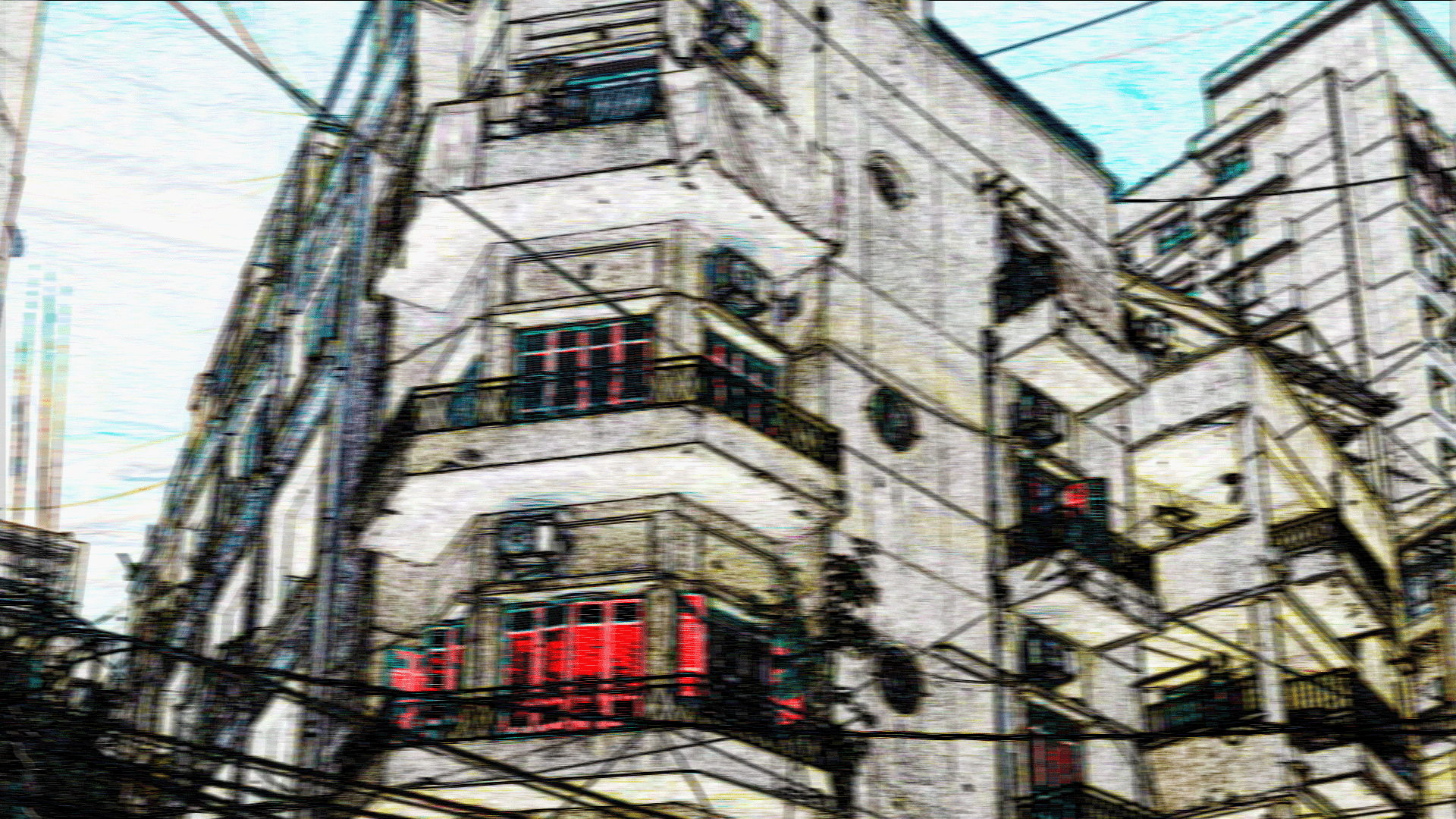
In Tripoli’s Qobbeh neighborhood, a dangerously deteriorating residential building housing 21 families faces the risk of collapse. Despite urgent warnings, the municipality has failed to intervene, stating that action will only be taken if the case becomes a matter of public concern and. gains public and media attention.

Investigating the Religious Land Endowments in Lebanon

Part 1 | An Overview of the Law and the Land Registry

Amid Lebanon’s economic crisis, religious authorities have been excluded from the discussion on sharing the losses, despite being among the largest landowners and benefiting from tax breaks. In this context, it was necessary to conduct an in-depth study of religious endowment lands (waqf), highlighting their social value, placing them at the center of the wider conversation on the economic collapse, as well as shedding light on the needed regulation and taxation, and making the related data accessible as a basis for any future advocacy.

 The Reconstruction Process Between the Law, Ownership status, and people’s Return 

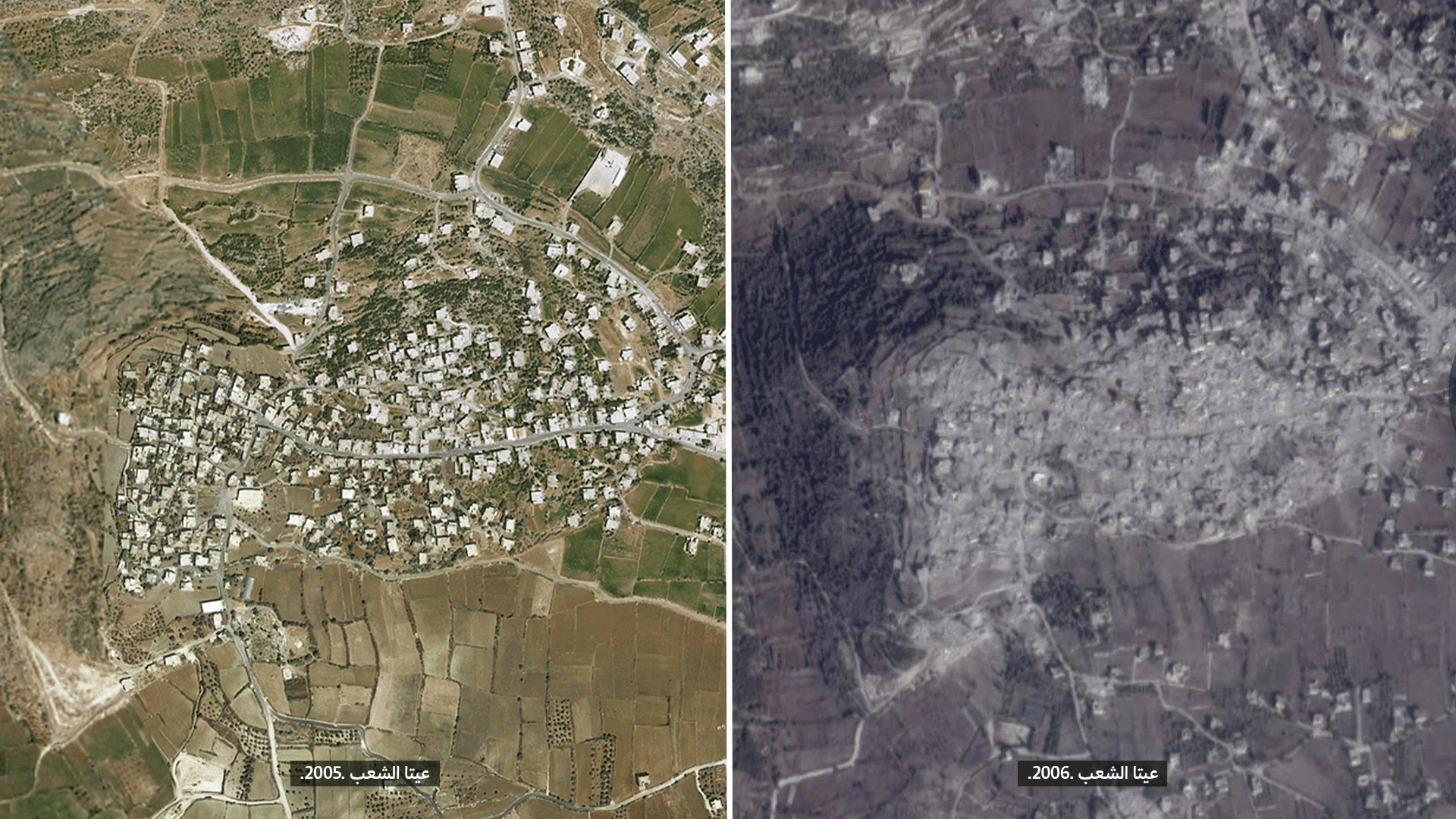
Four months after the ceasefire, Internal Security Forces halted reconstruction in several border villages due to permit requirements, raising concerns about the future of destroyed homes—whether licensed, unlicensed, or built on public property. Given the political significance of reconstruction in these areas, the state must facilitate and organize the reconstruction process in a way that protects people’s right to housing, meets their needs, and respects the urban identity of the regions, within the framework of resisting occupation.

Uncovering the Informal Blueprint of cities in Lebanon

Tripoli | Beirut | Saida | Tyre

The map and article is not yet translated, refer to the Arabic version here.

Playtime Karantina

Beirut belongs to whom? Episode 1

The city is a place for work and living, but it is also a place for play. Its residents often have to create spaces to practice their right to leisure. A short film …

Encroachment on Public Property in Al-Qleileh: Legitimizing Legal and Environmental Violations

Shortly before leaving office, the Mikati government approved Decree No. 14620, dated January 16, 2025, which grants a private company concession rights to 14,560 square meters of public maritime domain adjacent to property …