
This text is part of a broader research project by Public Works Studio on ecocide in South Lebanon. Over the past year, the studio documented environmental and agricultural damage caused by Israeli attacks on border villages and conducted workshops and interviews to assess priorities for return, recovery, and reconstruction from environmental and social perspectives.
The project resulted in a policy paper evaluating current responses and proposing recommendations for the Lebanese state, local authorities, communities, and civil society to address the damage. A simplified publication summarizing the key findings was distributed during a public seminar to encourage wider advocacy and engagement among affected residents, policymakers, researchers, and activists.
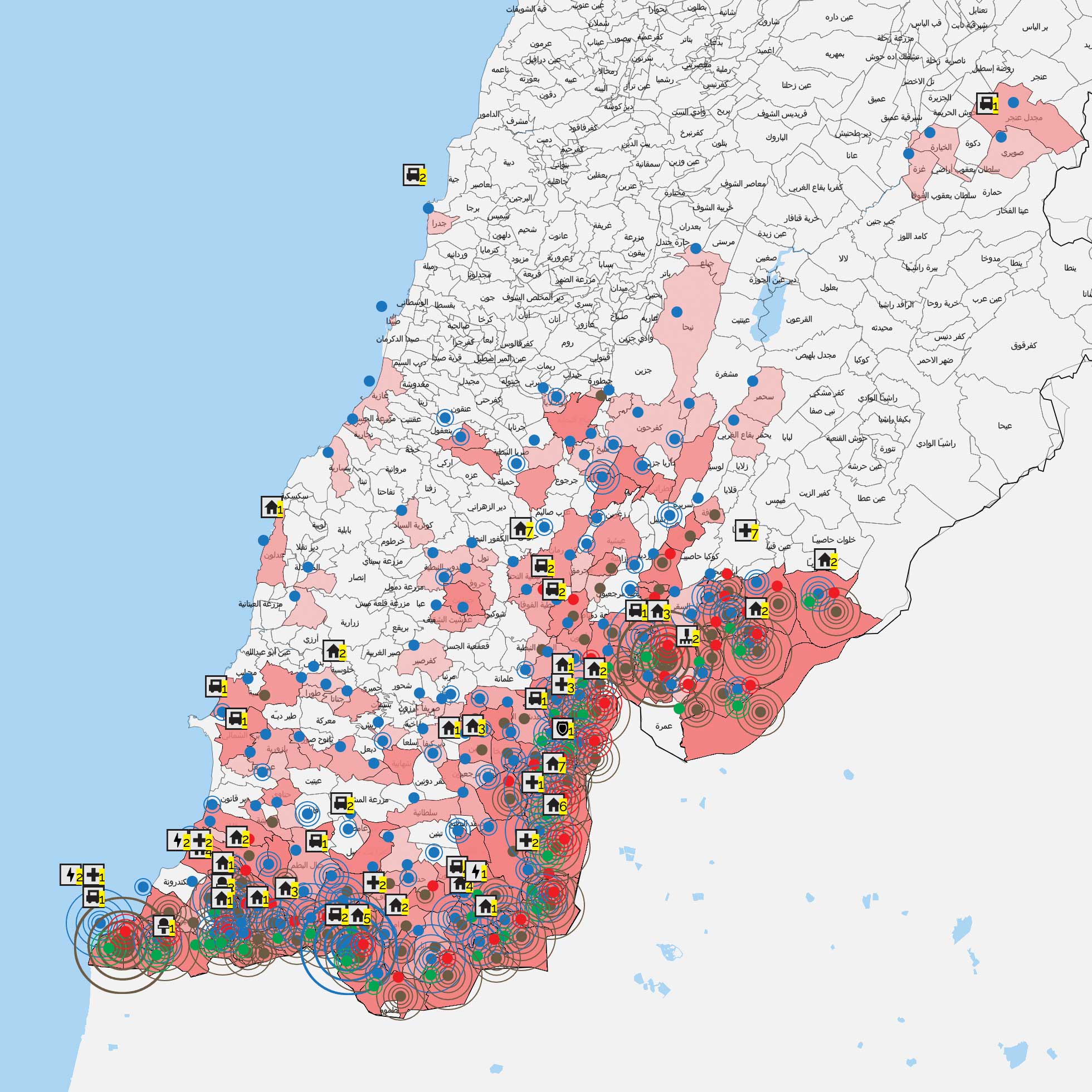
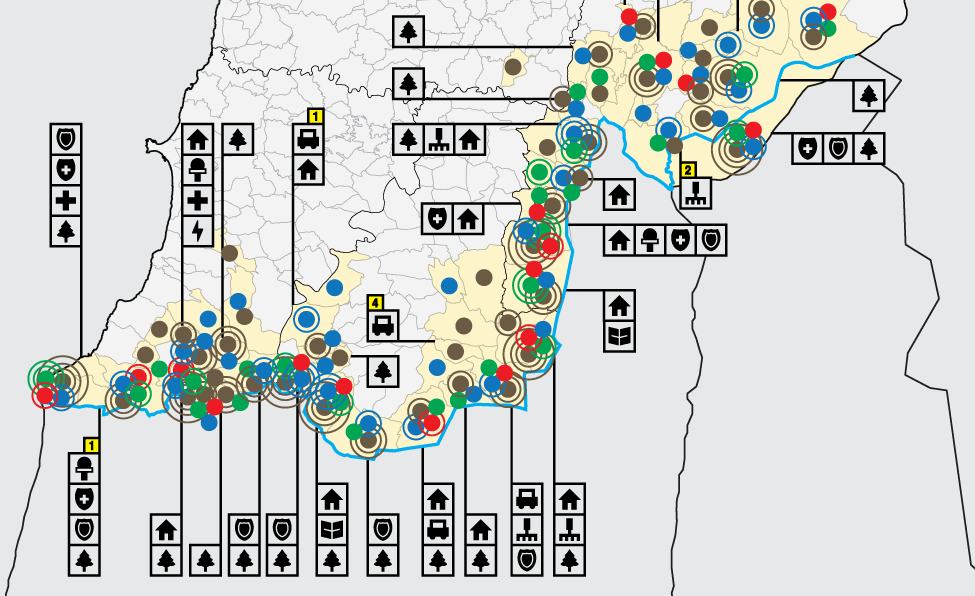
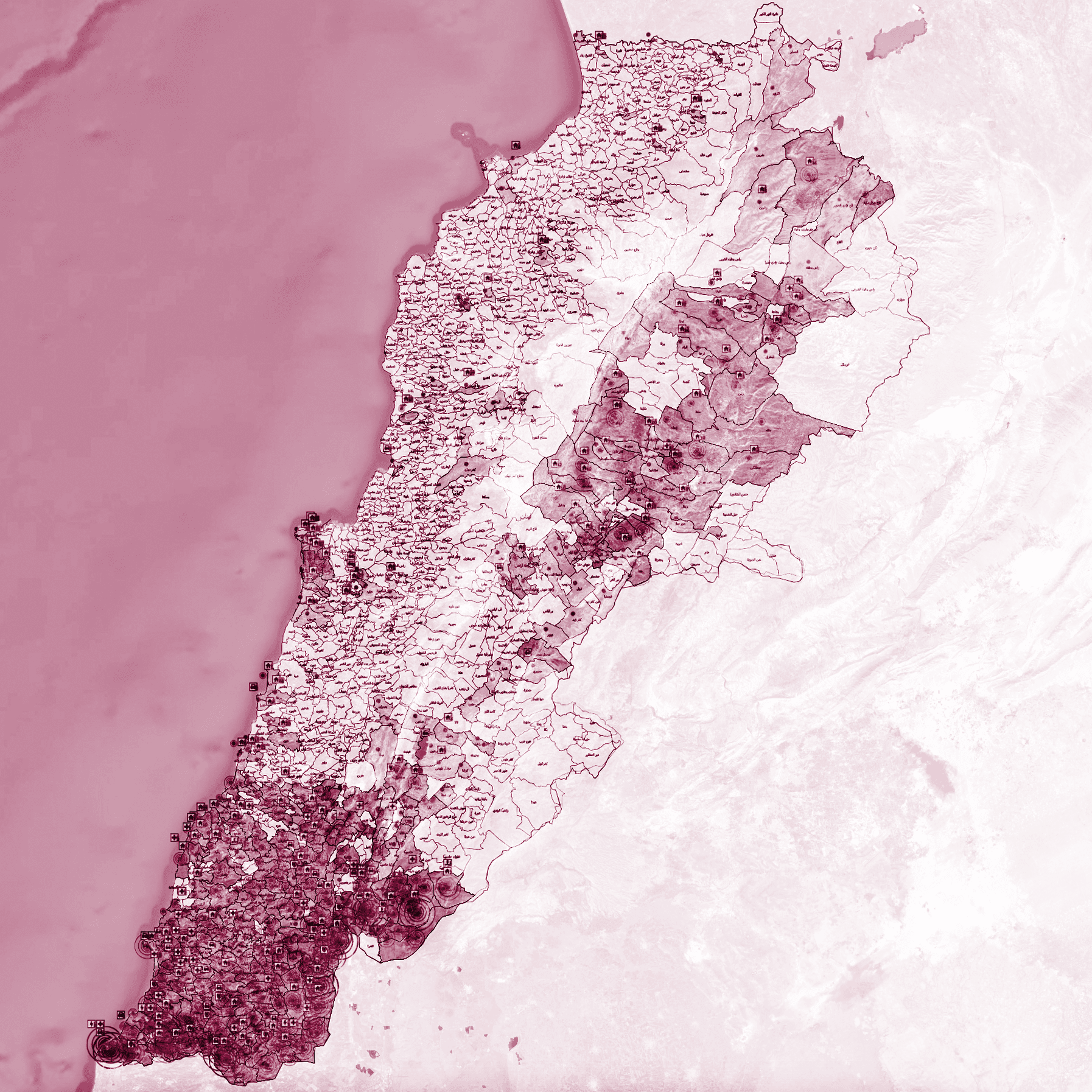
The English version was published in EcoRove. Information and maps related to Kfarkela are based on a local workshop with residents, while broader data on South Lebanon comes from the studio’s monitoring of Israeli attacks.
Kfarkela is a southern Lebanese border town whose name reflects layered historical meanings tied to fertility, water, pasture, and fortification—mirroring its deep connection to land and geography. Built on elevated terrain rich in springs and surrounded by olive groves, it has long relied on agriculture, particularly high-quality olive oil production, alongside beekeeping and farming traditions rooted in ecological knowledge. The town shares longstanding environmental and social ties with Palestine that predate modern colonial borders.
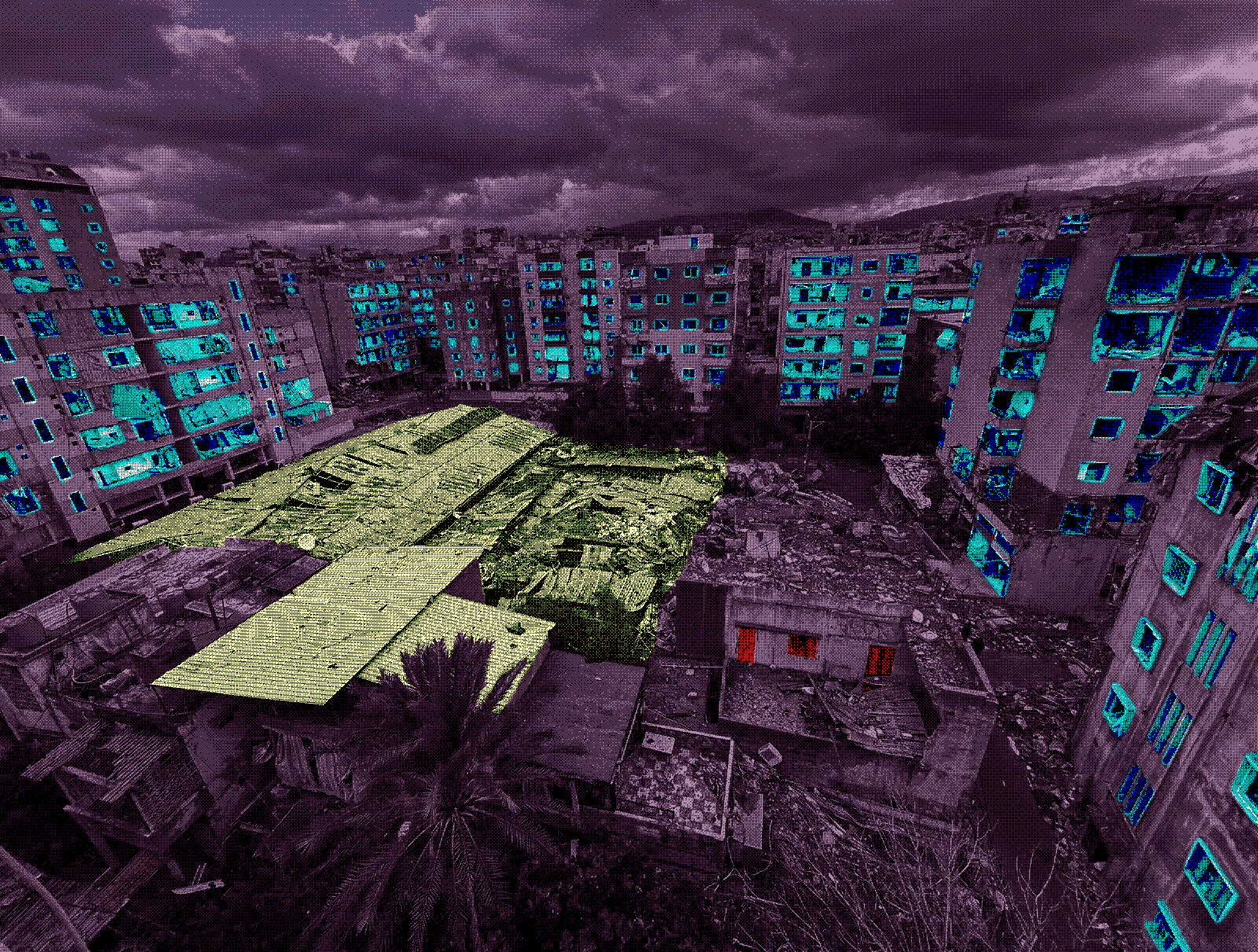
Since 1948, Kfarkela and other border villages in South Lebanon have faced repeated Israeli attacks, displacement, and agricultural disruption. Following the Israeli war on Lebanon beginning in October 2023, widespread destruction targeted homes, infrastructure, forests, and farmland. Around 130,000 hectares of agricultural land were damaged, white phosphorus was used in dozens of towns, and entire neighborhoods were demolished—even after the ceasefire. Israel currently maintains military positions and a buffer zone along the border, restricting return and reconstruction.
The Exemptions and Reconstruction Law: Not an Alternative to a Comprehensive National Plan
More than seven months after the ceasefire in Lebanon, on June 30, 2025, the Parliament passed the first law related to reconstruction in response to the Israeli war on Lebanon. Ultimately, the law ...