Magazine

An attack on the Seal cave in Amchit with the participation of the DGU

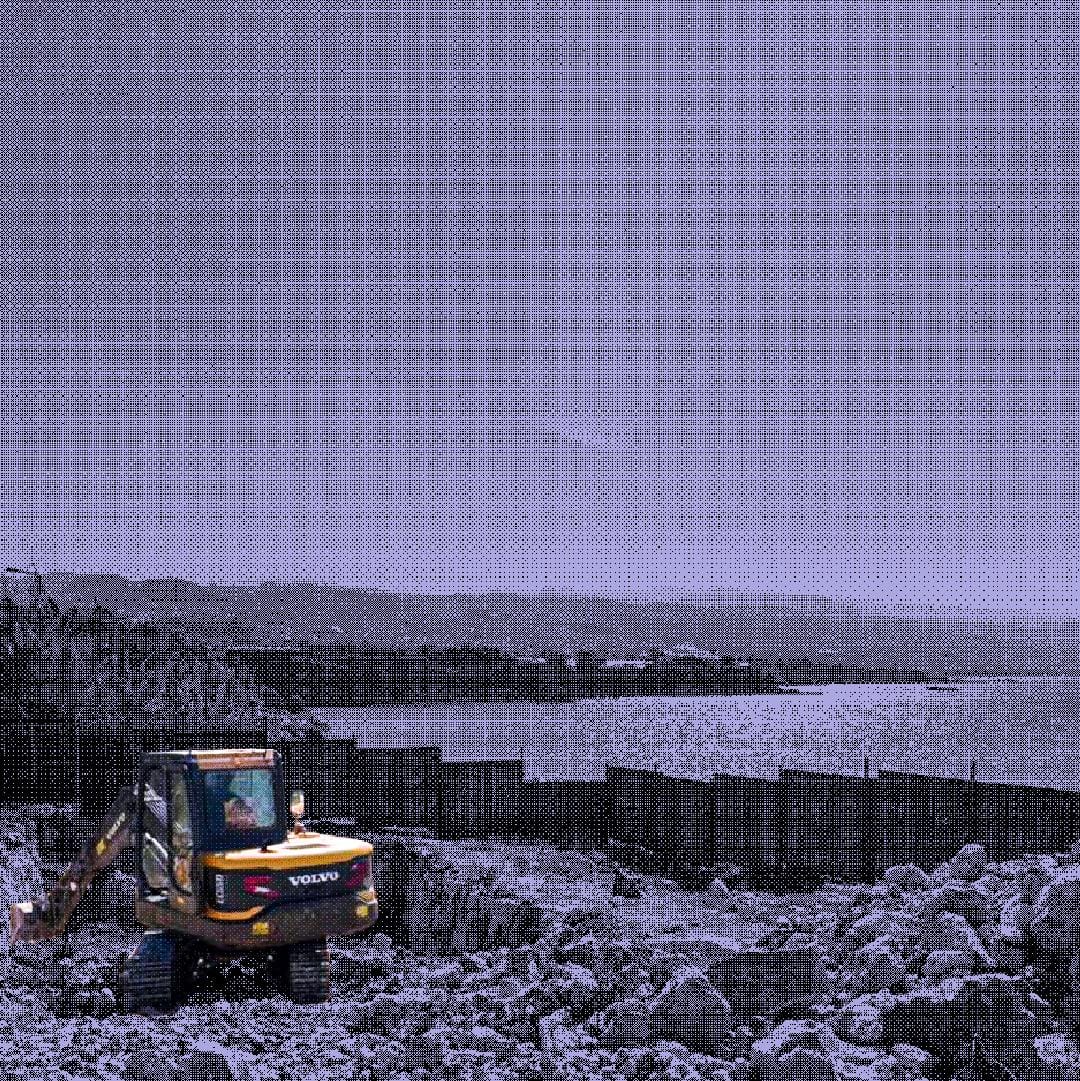
On the rocky shore of Amchit, the Seal Cave is currently under attack as a result of an unjustified and illegal decision by the Directorate General of Urban Planning (DGU) granting construction works …

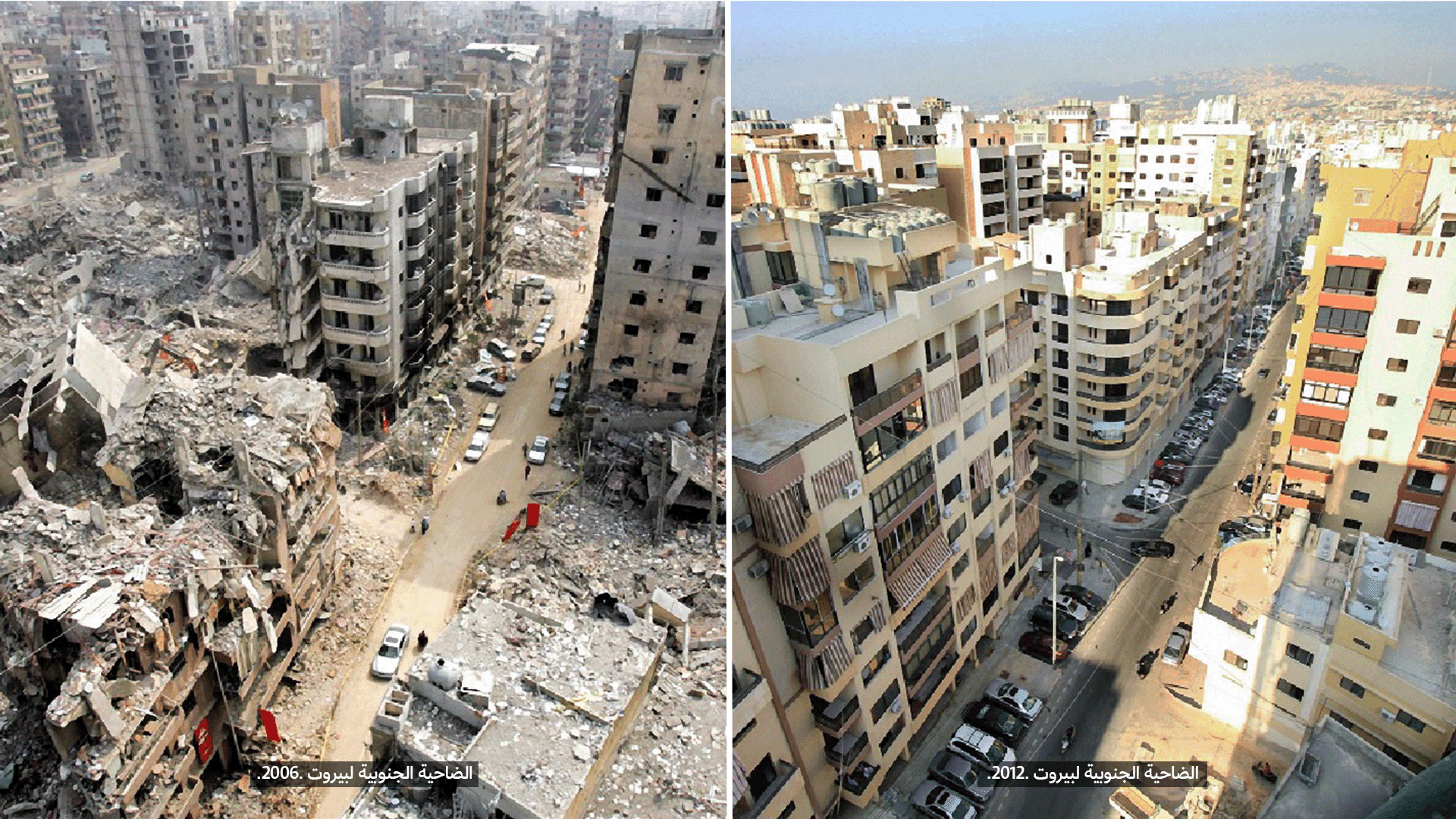
Lessons from the “Waad” Reconstruction Project

After thirty-three days of continuous bombardment that killed more than 1,000 people, the 2006 war affected a total of 1,232 buildings, mostly residential.
On November 14, 2006, a meeting was held with residents, where they expressed one primary concern: returning to their homes as soon as possible. Accordingly, the local political party promised to rebuild Beirut’s southern suburbs, making them “more beautiful than before,” as the slogan of the project became.
In this text, we present the project and its challenges, especially at the urban level.

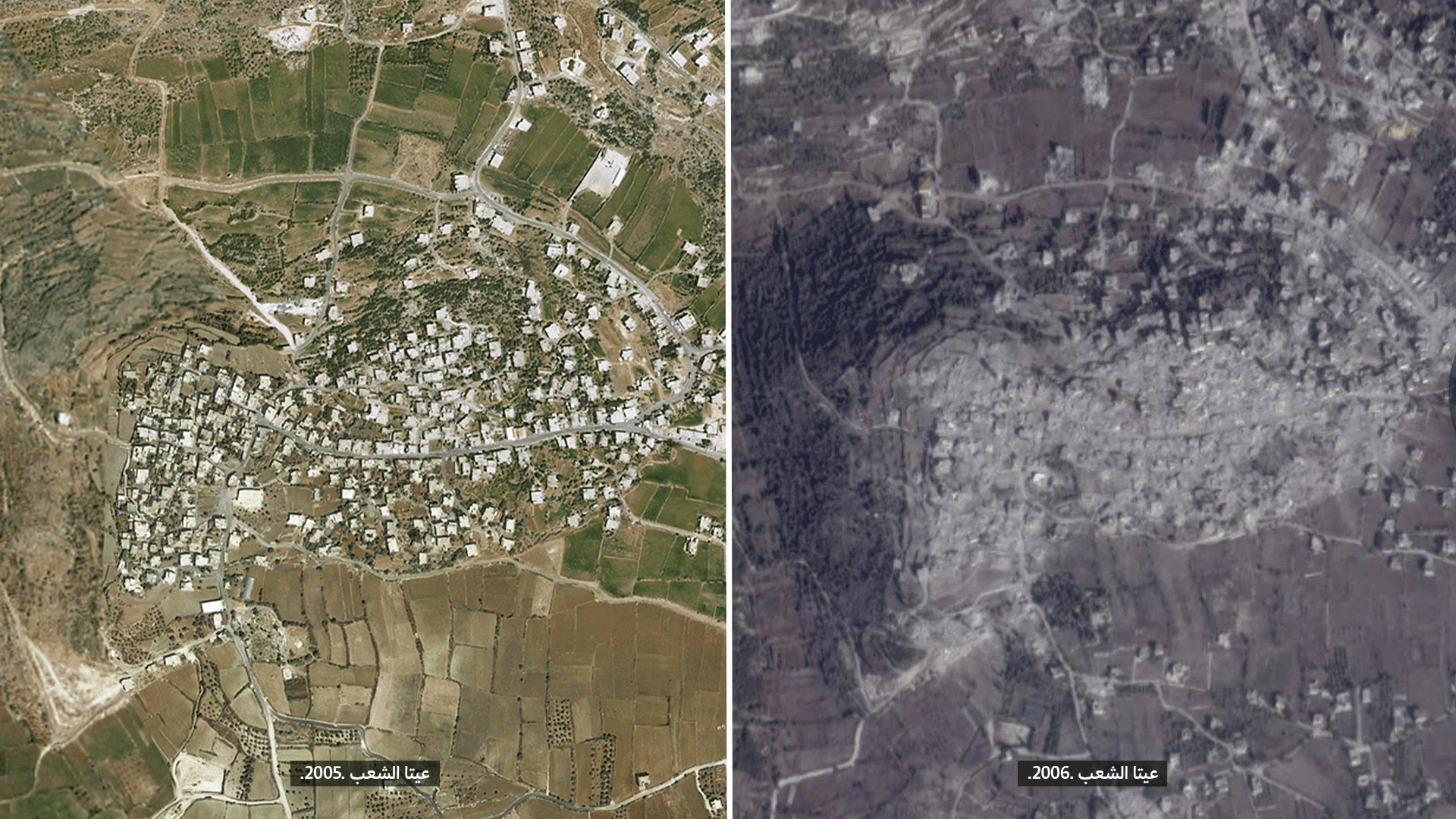
Aita al-Shaab: How do we rebuild a village?

Bulldozing the old neighborhood in Aita al-Shaab, a Lebanese village on the southern borders, following the 2006 israeli war, the solidere-like approach to reconstruction, or the many stories we heard from returnees and their experiences during the war, highlighting the meaning of losing their home, their village, and their community. We will attempt to address these three levels through this text, while exploring the experiences of a group of urban planners who volunteered to support reconstruction efforts in the village immediately after the war.

“Reconstruction in Lebanon: Experiences and Lessons”

Lebanon, and particularly the South, Beirut, and the Bekaa, is experiencing massive destruction of its infrastructure, buildings, spaces, and social and urban fabric as a result of the recent Israeli war. This has …

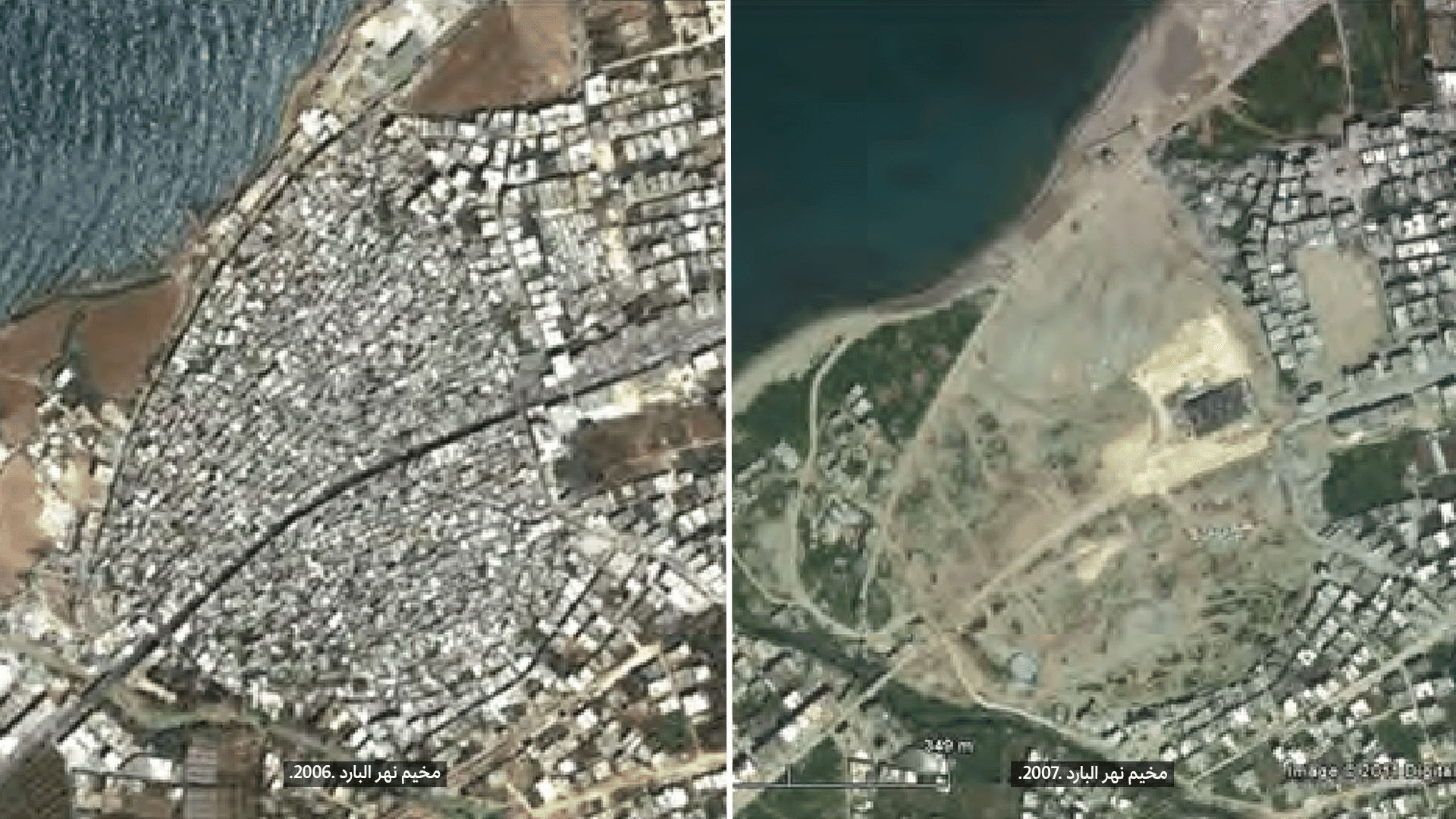
The camp’s extension in Lebanon between the barriers of security and law: The story of Nahr al-Bared

The story of the destruction and reconstruction of Nahr al-Bared camp offers insights into the current state of Palestinian camps and settlements in Lebanon. This study demonstrates that the approach adopted by official Lebanese politics in Nahr al-Bared, will likely lead to the emergence of a new approach to dealing with Palestinian camps and settlements in Lebanon, one that relies on security measures reinforced by discriminatory laws.

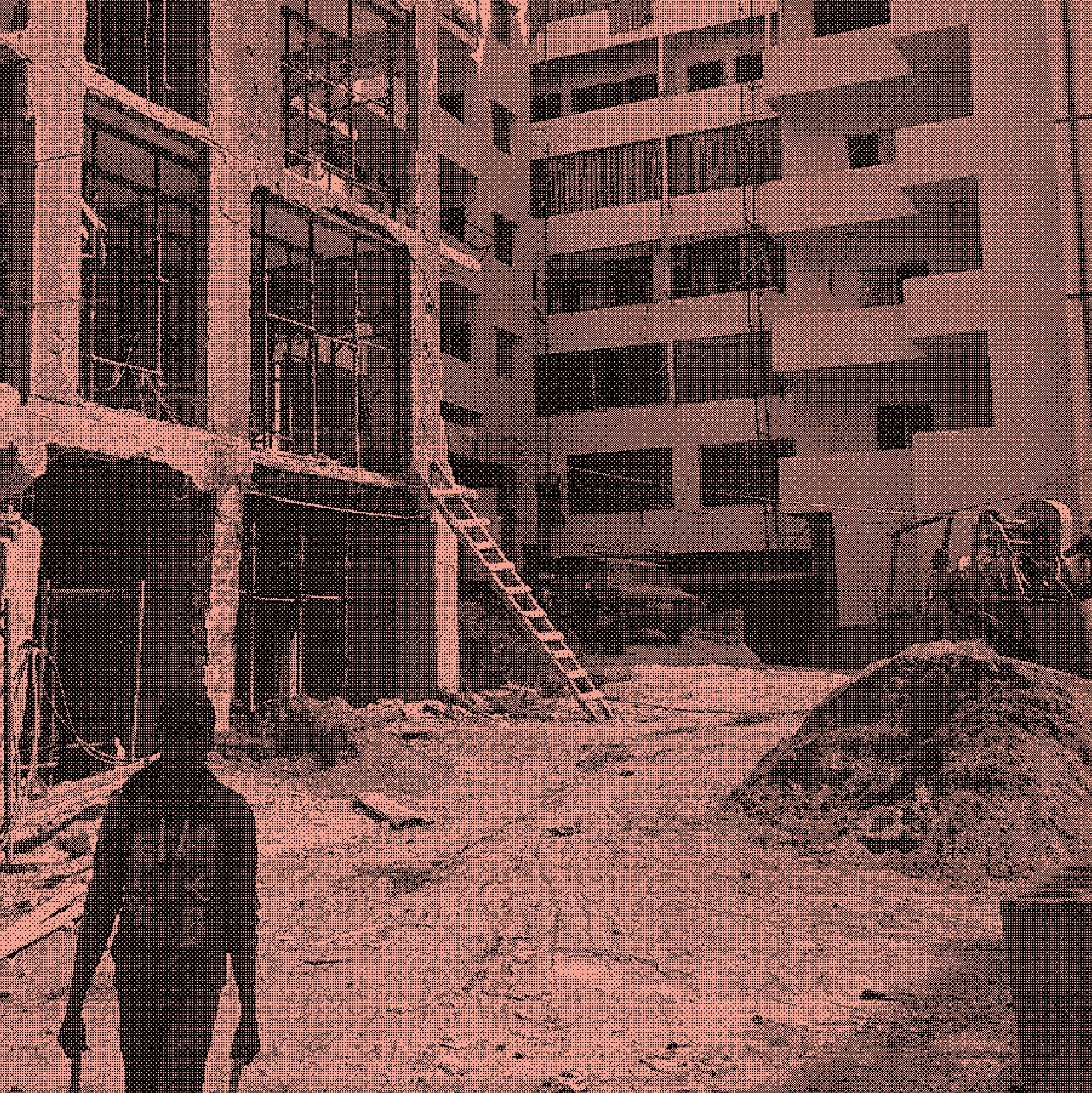
The State’s Absence or its Presence in Absence: The Case of Basta Buildings Rehabilitation

The residents of Al-Maamoun Street in Basta endured an Israeli crime during its aggression on Lebanon, as devastating aerial raids on October 10 and November 23, 2024, caused significant casualties and widespread destruction. This text presents a rapid field study on the current renovation efforts in Basta by the NGO “Offre Joie”.

Fencing the Playground: Erasing Public Space in Zokak el Blat

The abrupt fencing of a vital informal public space in Beirut’s Zokak el Blat neighborhood: Property 483, has become a potent symbol of social and political exclusion, directly challenging the ‘right to the city’ for Beirut’s residents.

Housing Challenges in the Post-War Period: What Is Happening?

The recent war exposed Lebanon’s fragile housing sector, creating urgent challenges like soaring rents, lack of temporary housing, and forced displacement of vulnerable groups. Without clear policies and inclusive strategies, reconstruction risks deepening inequalities and undermining the right to secure, dignified housing.

Investigating the Religious Land Endowments in Lebanon

Part 2 | The Lost Social Value of the Properties of Three Sects in Greater Beirut

Amid Lebanon’s economic crisis, religious authorities have been excluded from the discussion on sharing the losses, despite being among the largest landowners and benefiting from tax breaks. In this context, it was necessary to conduct an in-depth study of religious endowment lands (waqf), highlighting their social value, placing them at the center of the wider conversation on the economic collapse, as well as shedding light on the needed regulation and taxation, and making the related data accessible as a basis for any future advocacy.

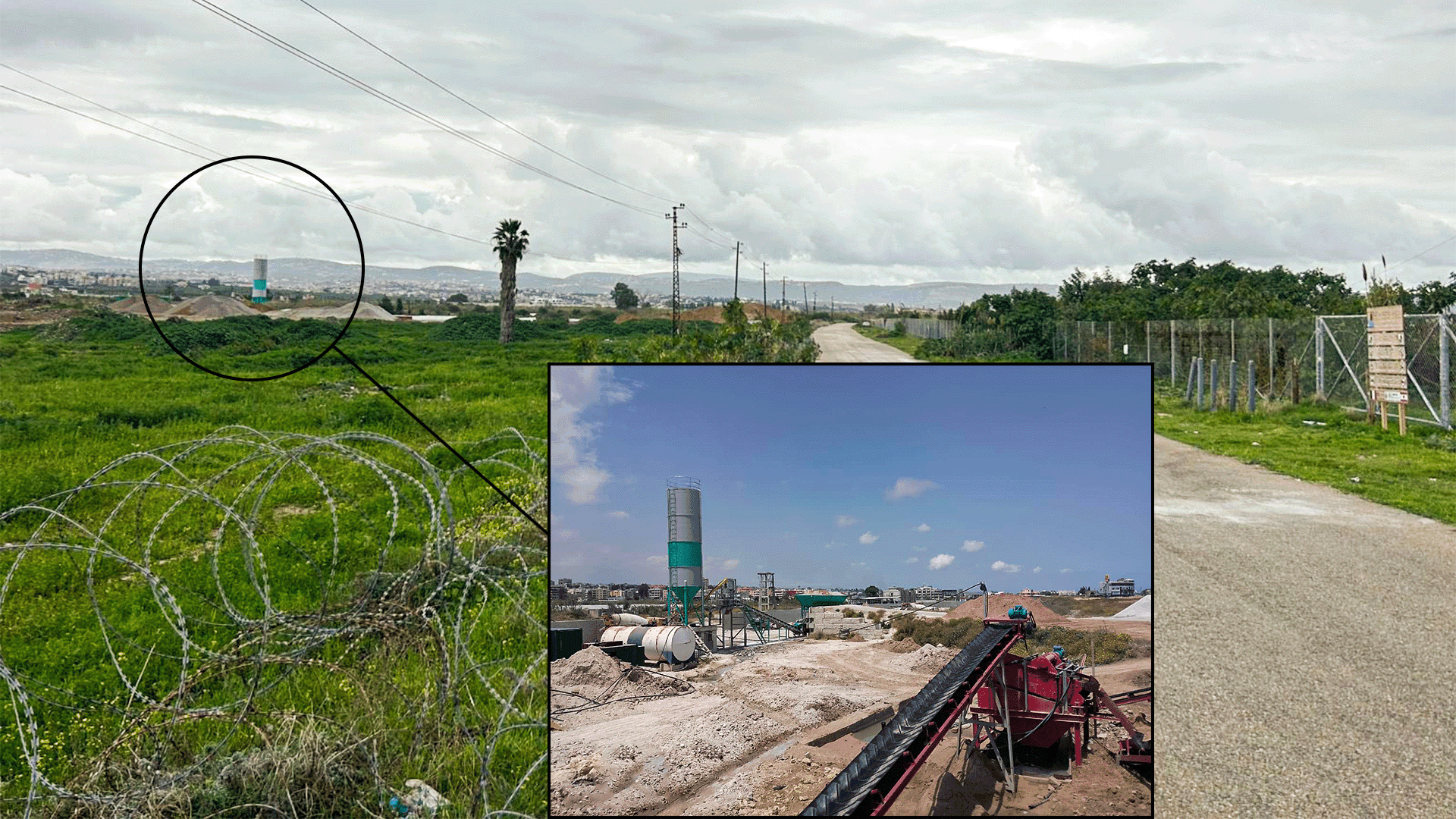
At the Expense of Tyre and Its Environment: The Army’s Investment Project Raises Questions around Exemption, Influence, and Justice

فيما تعمل مدينة صور جاهدةً على التعافي من الحرب وإعادة الإعمار، يقوم متعهد نافذ بتنفيذ مشروع استثماري لصالح وزارة الدفاع – وهو عبارة عن نادٍ للضباط ومجمّع تجاري – على أراضٍ مملوكة للدولة ومحاذية لمحمية صور الطبيعية. يثير هذا المشروع اعتراضات واسعة النطاق وتحديات قانونية بسبب توقيته وموقعه وتأثيراته البيئية المحتملة.

Who’s Beirut?

On the Necessity of a Unified Conception of the City that Goes Beyond its Municipal Borders

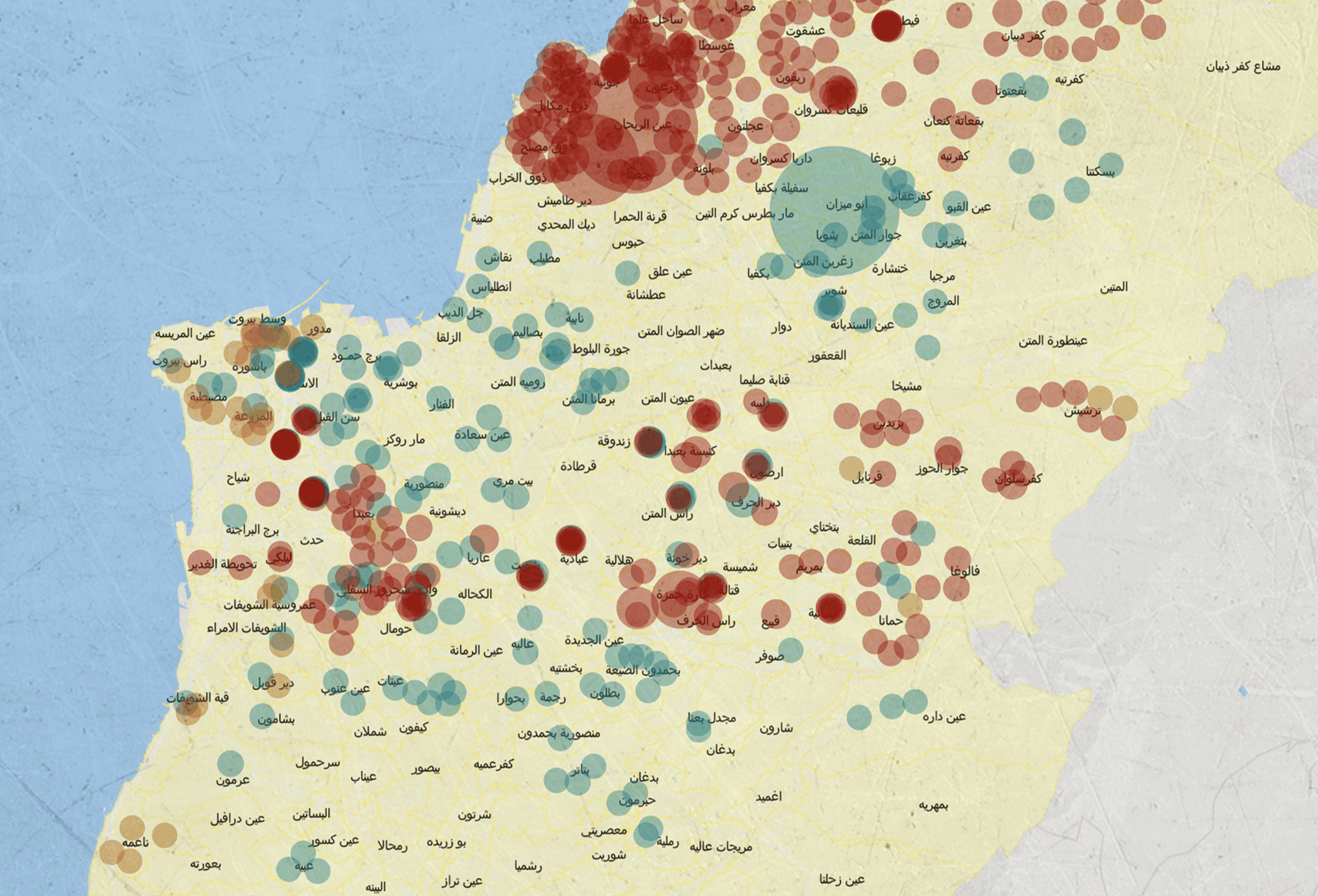
Over the course of more than a century, Beirut has witnessed a radical transformation and tremendous urban and population growth intertwined with major historical events. Aerial maps show this expansion, but also they raise a basic question: Who is Beirut today, with its urban complexities and interactions?

Displaced Persons and Returnees: Between Rising Rents and the Israeli Targeting of Prefabricated Homes

In the aftermath of the ceasefire, both the displaced and returnees are struggling to access affordable, suitable, and safe housing. Over 90,000 individuals remain displaced, with most relying on rental housing, where landlords have significantly inflated prices. Meanwhile, returnees continue to endure Israeli violations, with repeated attacks on prefabricated homes, further undermining return efforts. This crisis underscores the urgent need for state intervention to guarantee the right to adequate, affordable, and safe housing.