vulnerability

Tripoli Under Threat: Report on the Degradation of the Built Environment and a review of Mobilizing efforts towards Housing Rights

This report investigates the systemic deterioration of buildings in Tripoli, Lebanon, tracing how historical neglect, failed state policies, and the lived experiences of residents converge to fuel an escalating housing crisis. It offers a grounded overview of the community’s movement, organizational efforts, and resilience in the face of the destruction of their housing rights.

The New rent Law: Active in Theory, Suspended in Practice

This article uses jurisprudence and legal opinions to argue that the2014 new rent law and its amendment in 2017 are inapplicable due to the absence of its essential implementation mechanisms. It highlights how courts and experts have affirmed the law’s current legal vacuum and its consequences on tenants’ rights.

Housing Challenges in the Post-War Period: What Is Happening?

The recent war exposed Lebanon’s fragile housing sector, creating urgent challenges like soaring rents, lack of temporary housing, and forced displacement of vulnerable groups. Without clear policies and inclusive strategies, reconstruction risks deepening inequalities and undermining the right to secure, dignified housing.

 Imad Al-Hout Approaches the Social Crisis of Old Rent Contracts Through a Narrow Numerical Lens

In a few lines, Representative Imad Al-Hout seeks, by proposing a repeated accelerated law, to resolve the decades-old problem surrounding the old rent law, by setting a clear date for the entry into …

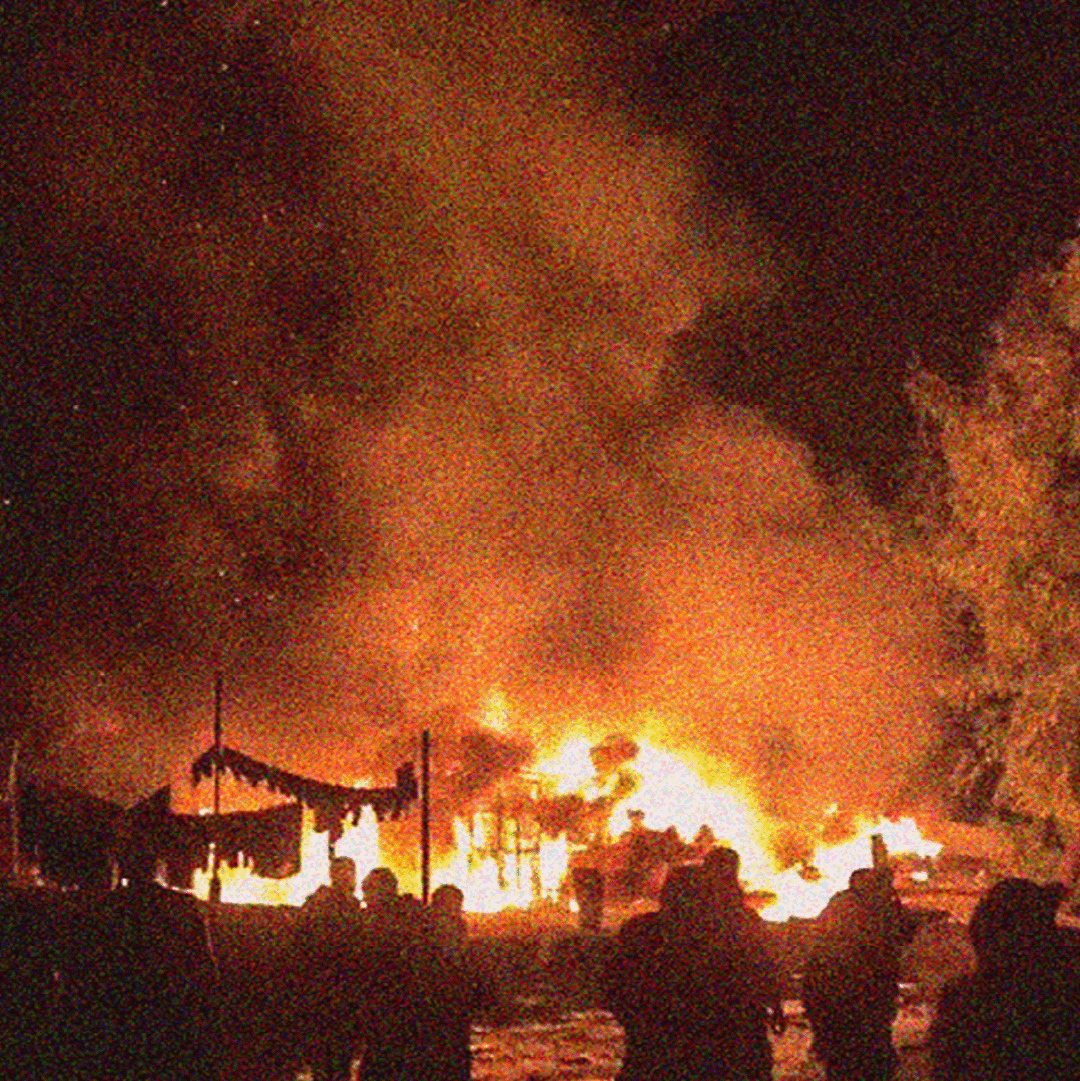
Incitement Before the Crime: Syrians Displaced and Homes Burned in Al-Aaqbiya

Syrian refugees in the Tariq al-Maslakh neighborhood of Al-Aaqbiyeh are facing escalating threats and attacks, leading to the forced displacement of dozens of families. Risks continue to rise amid growing incitement and official inaction.

 “100 dollars for rent or else…” The Khan Al-Askar project is outside the municipality’s accounts in terms of services, but it is present in the rent collection ledger

تهدد بلدية طرابلس بطرد سكان مشروع «إسكان قاطني وشاغلي خان العسكر»، في حالة عدم تمكنهم من دفع إيجار بقيمة 100 دولاراً، ممّا يعرّض للخطر حقّ السكن ل230 شخصاً يعيشون في مشروع الإسكان الشعبي.

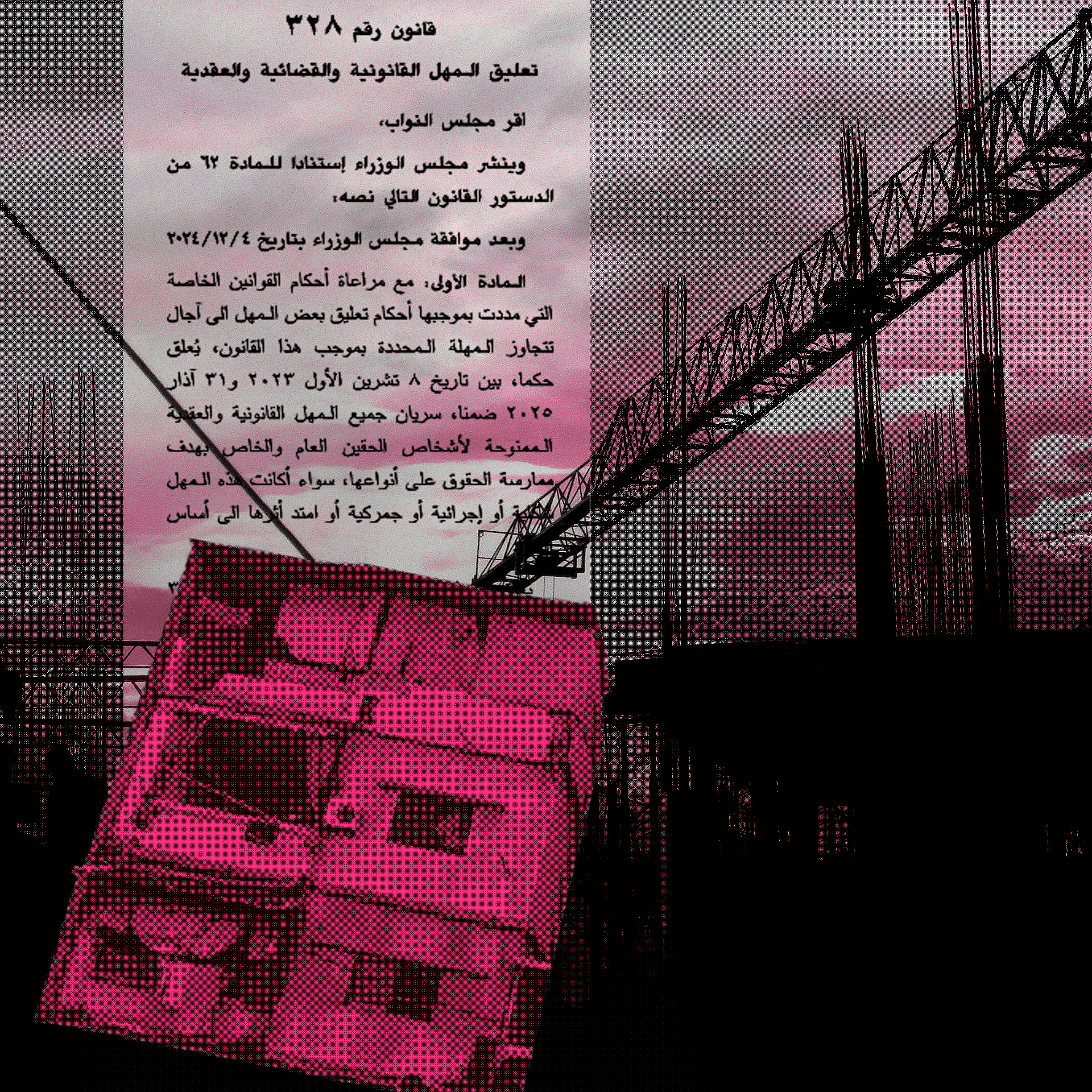
Enacting a law to extend rental contract deadlines: An insufficient measure to safeguard the right to housing

The Lebanese government’s new law suspends legal, judicial, and contractual deadlines to protect citizens’ rights during the Israeli aggression. However, concerns persist about its long-term effectiveness, especially regarding housing security and old rental tenants.

 In Bir Hassan, Eviction After Displacement, Under the Pressure of Real Estate Development, and the Pretext of Protecting the Safety of Residents

After a long history of threatening families displaced by the Lebanese Civil War with eviction from a residential building in Bir Hassan under the pretext of being “illegal occupants,” and following failed negotiations, …

Under the Bombs: who supervises the work of NGOs working with the refugees?

Amid airstrikes in southern Lebanon, Walid and his family fled Nabatieh and entered a cycle of displacement. His story sheds light on systemic failures in addressing refugee needs by both the government and refugee aid organizations in time of war.

When the Emergency Plan Fails in Practice: A Critical Reading of Crisis Management

This report, produced after the ceasefire was announced, offers an evaluation and critique to the national emergency plan, highlighting its content flaws and execution failures based on field observations and the experiences of those impacted by the Israeli war.

The Right to the city and to housing during wars

It is not possible to imagine a war that would displace one fifth of the population, destroying the suburb of Beirut as well as the country’s southern and eastern region, bombing Lebanon’s entire …

Shelter Distribution Reflects Religious, Class, and Regional Factors

Lebanon’s national emergency plan for mass displacement relied on shelters in schools located in safer areas, but their uneven geographic distribution created challenges, with many host towns and regions suffering from overcrowding. The imbalance, exacerbating regional inequality and pressure on infrastructure, underscored the need to a more equitable distribution of shelters.