eviction

Investigating the Religious Land Endowments in Lebanon

Part 1 | An Overview of the Law and the Land Registry

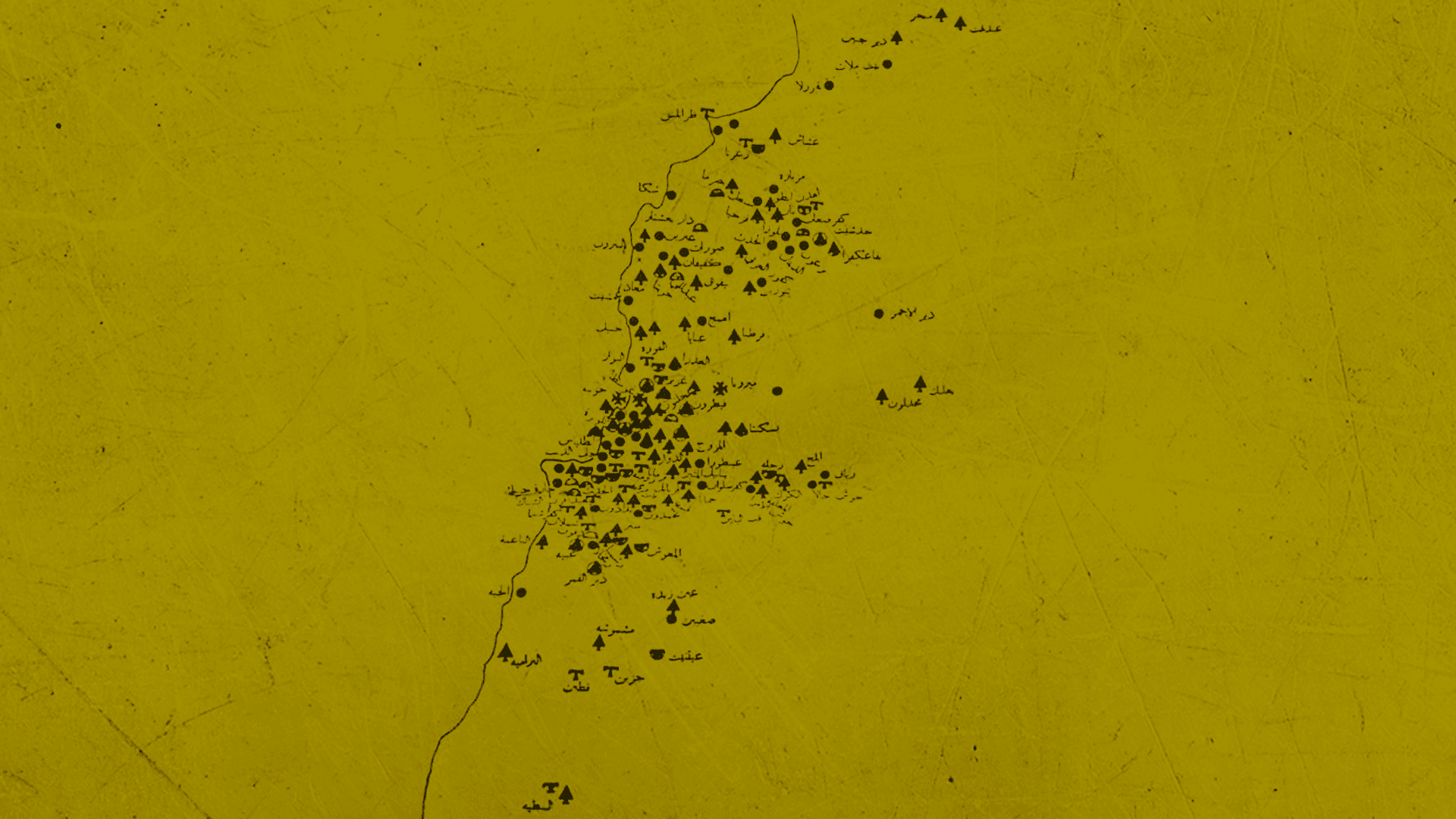
Amid Lebanon’s economic crisis, religious authorities have been excluded from the discussion on sharing the losses, despite being among the largest landowners and benefiting from tax breaks. In this context, it was necessary to conduct an in-depth study of religious endowment lands (waqf), highlighting their social value, placing them at the center of the wider conversation on the economic collapse, as well as shedding light on the needed regulation and taxation, and making the related data accessible as a basis for any future advocacy.
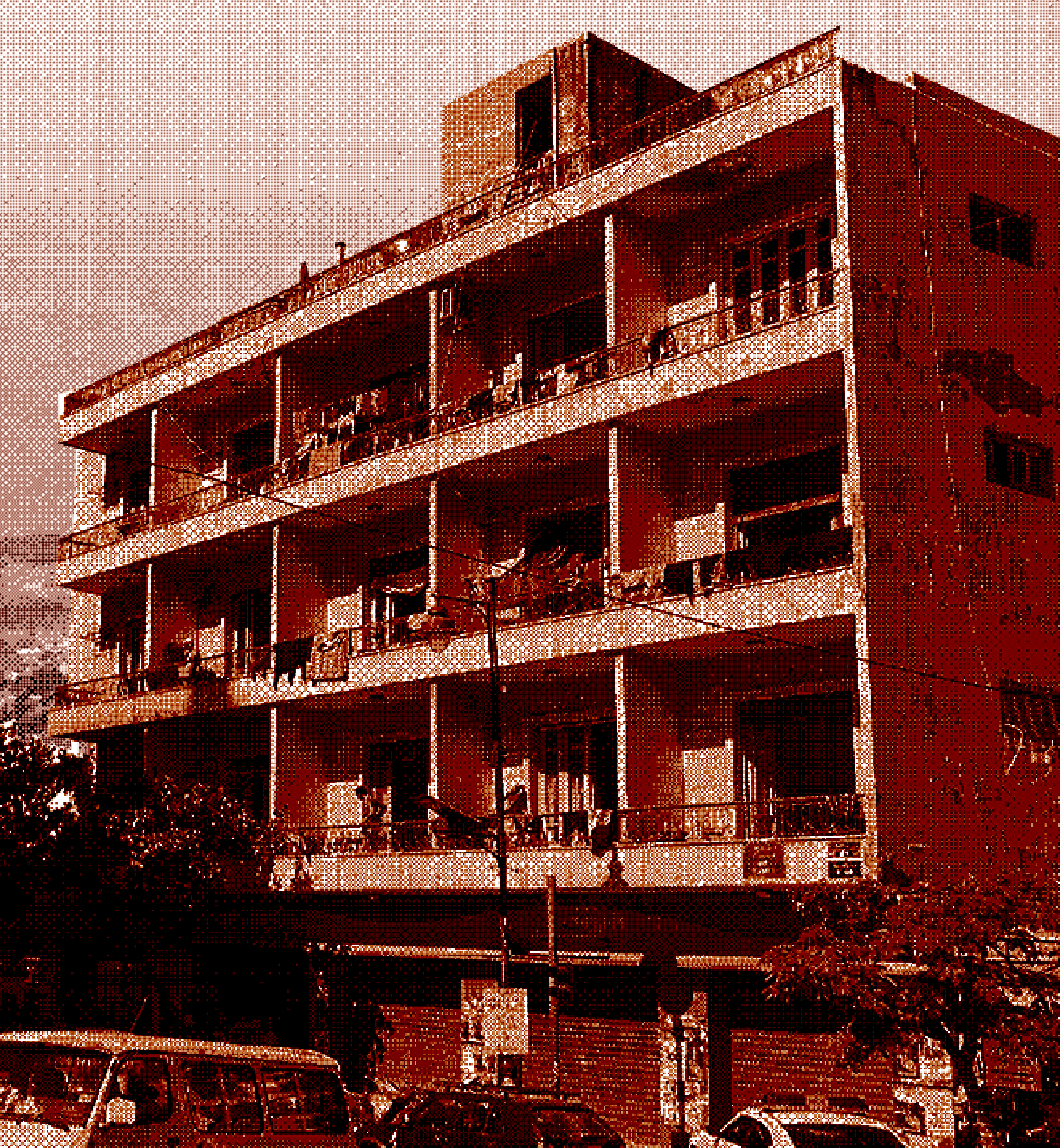
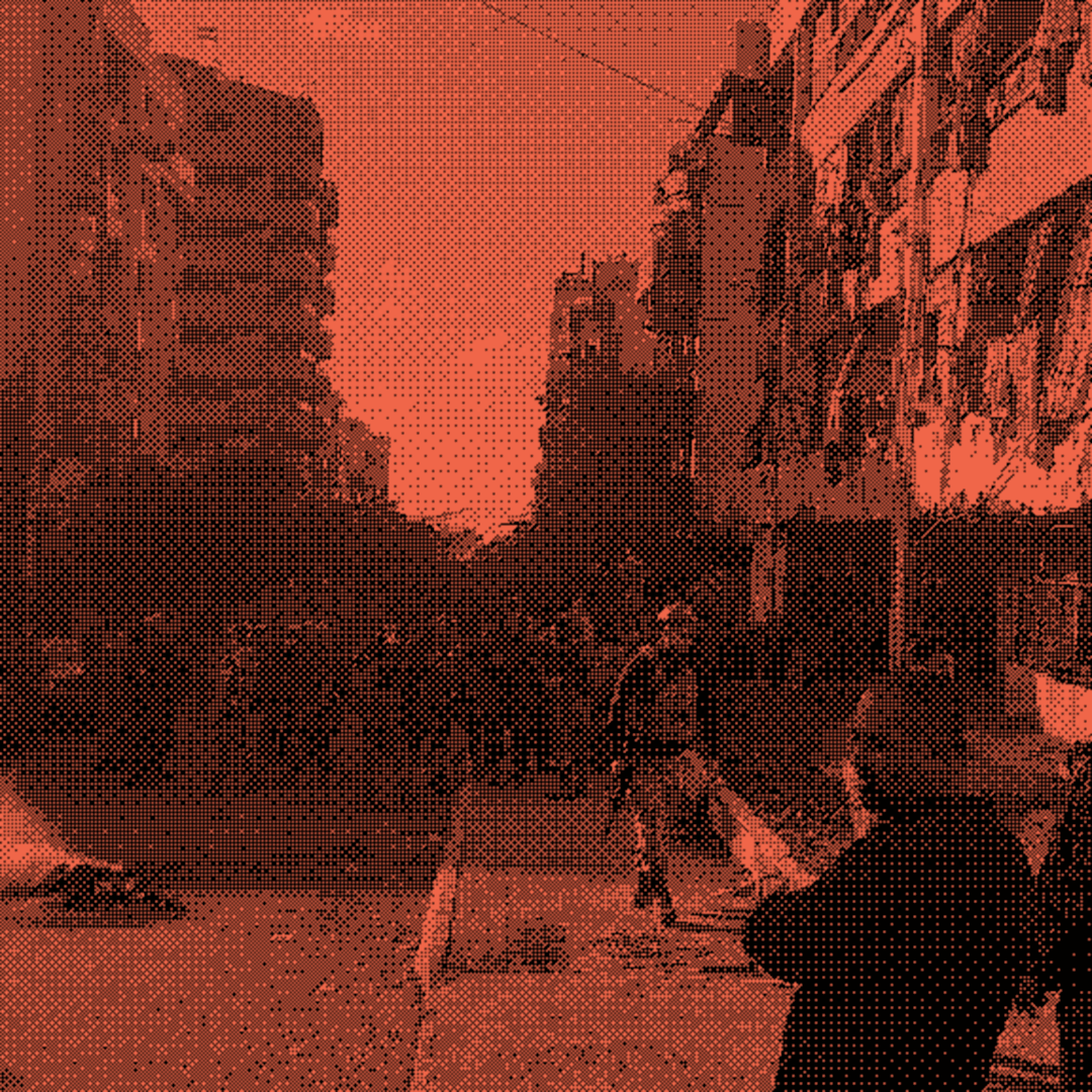
Evacuation and demolition of shops in Burj al-Barajneh: a struggle between Planning and Social Marginalization

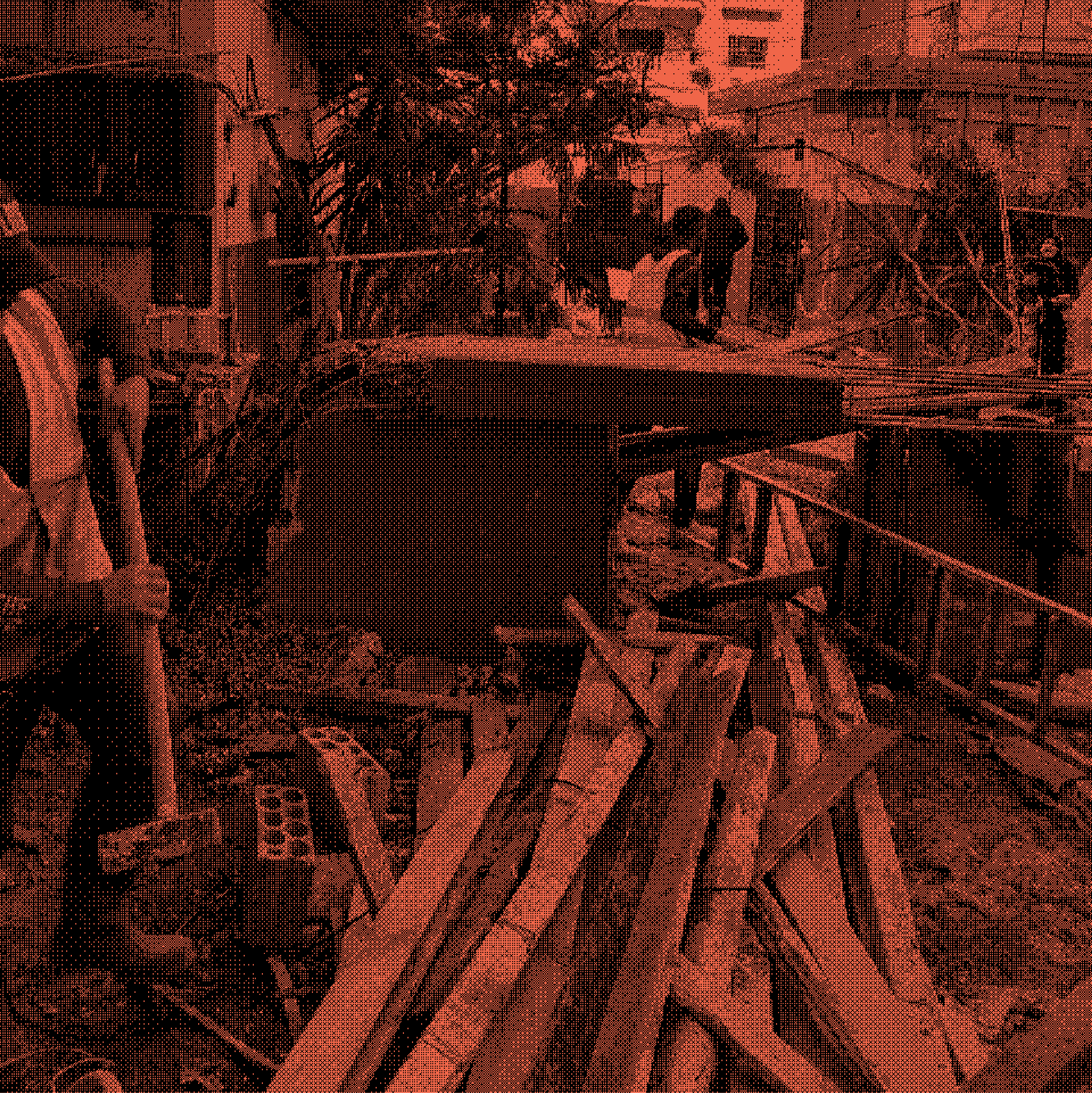
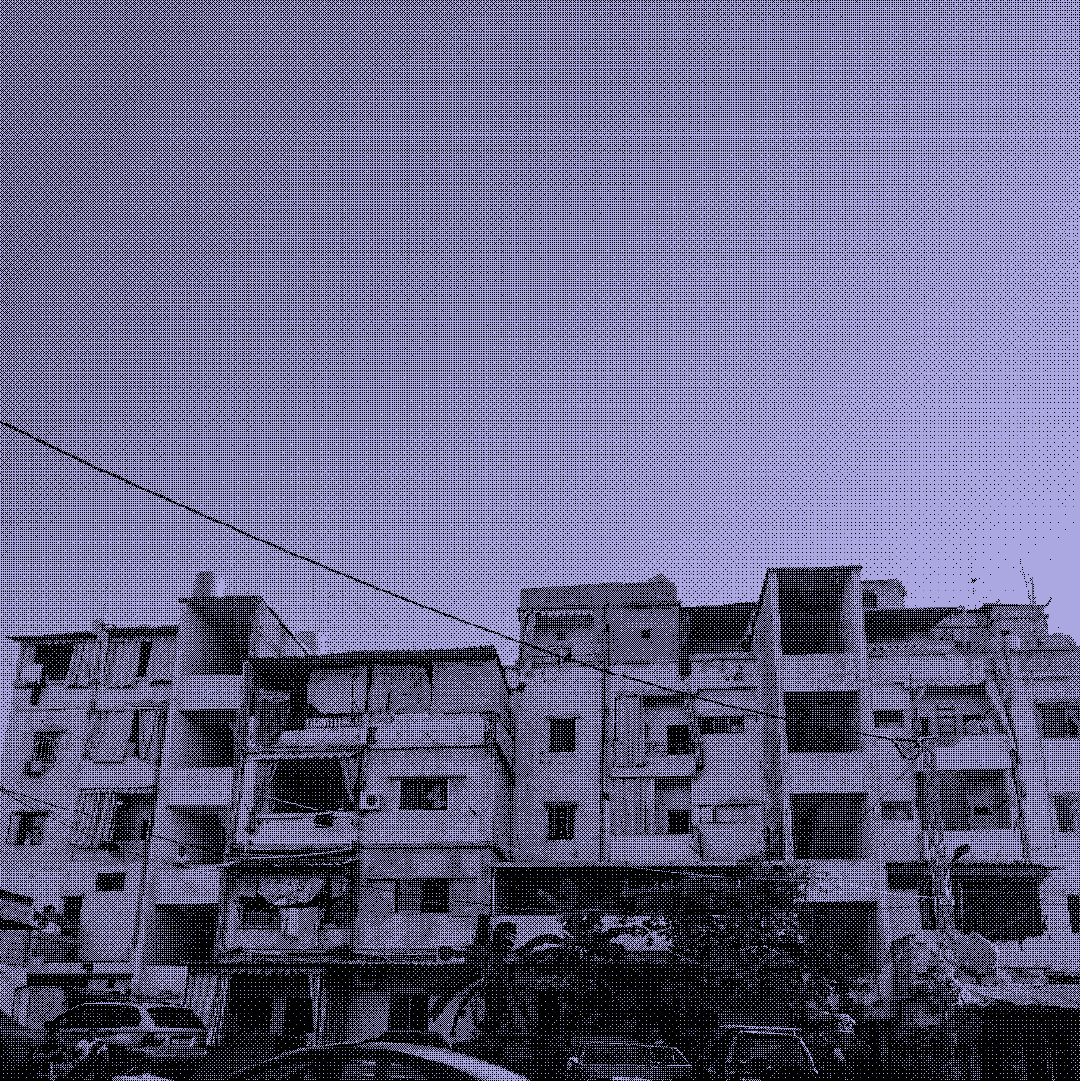
In January 2025, the Burj al-Barajneh municipality, backed by the Lebanese army and security forces, evicted and demolished informal shops, sparking resident protests. While the municipality claimed it was reclaiming public land, its move suggests an attempt to control the area’s informal economy.

 “100 dollars for rent or else…” The Khan Al-Askar project is outside the municipality’s accounts in terms of services, but it is present in the rent collection ledger

تهدد بلدية طرابلس بطرد سكان مشروع «إسكان قاطني وشاغلي خان العسكر»، في حالة عدم تمكنهم من دفع إيجار بقيمة 100 دولاراً، ممّا يعرّض للخطر حقّ السكن ل230 شخصاً يعيشون في مشروع الإسكان الشعبي.

Investigating the Religious Land Endowments in Lebanon

Amid Lebanon’s economic collapse, along with other successive crises, “ownership” is raised as a fundamental issue in shaping the system of social and economic relations, framed by the state through laws, making it …

Enacting a law to extend rental contract deadlines: An insufficient measure to safeguard the right to housing

The Lebanese government’s new law suspends legal, judicial, and contractual deadlines to protect citizens’ rights during the Israeli aggression. However, concerns persist about its long-term effectiveness, especially regarding housing security and old rental tenants.

Squatting Vacant Buildings: A Report on the Illegality of Evictions During the War

During the Israeli war on Lebanon, the use of vacant buildings proliferated as a prominent way to access housing due to the lack of alternatives. In an attempt to understand these practices, this report documents the legal and political tools used for evictions and eviction threats in 3 case studies in Beirut, highlighting their illegitimacy. It also calls for challenging the criminalization of squatting, particularly during war, and emphasizes the role of these practices in restoring the social value of vacant buildings.

 In Bir Hassan, Eviction After Displacement, Under the Pressure of Real Estate Development, and the Pretext of Protecting the Safety of Residents

After a long history of threatening families displaced by the Lebanese Civil War with eviction from a residential building in Bir Hassan under the pretext of being “illegal occupants,” and following failed negotiations, …

Under the Bombs: who supervises the work of NGOs working with the refugees?

Amid airstrikes in southern Lebanon, Walid and his family fled Nabatieh and entered a cycle of displacement. His story sheds light on systemic failures in addressing refugee needs by both the government and refugee aid organizations in time of war.

When the Emergency Plan Fails in Practice: A Critical Reading of Crisis Management

This report, produced after the ceasefire was announced, offers an evaluation and critique to the national emergency plan, highlighting its content flaws and execution failures based on field observations and the experiences of those impacted by the Israeli war.

The Right to the city and to housing during wars

It is not possible to imagine a war that would displace one fifth of the population, destroying the suburb of Beirut as well as the country’s southern and eastern region, bombing Lebanon’s entire …

The blame game over shelter responsibilities is playing out in a car parking in Saida

For over a month, around 700 Syrian refugees displaced by Israeli airstrikes in southern Lebanon have been living in a parking lot in Saida City. Stranded without alternatives, their situation remained unresolved until the property owner’s influence and the protection of private property rights prompted officials to take action—not to find a solution, but to evict them, leaving their fate uncertain.

 About Abd el Baqi building in Hamra:

squatting to reclaim the city’s social role

The right to the city is an application of the right to ​​access housing and city spaces, through the recognition of the importance of the space’s social role. Today, a number of displaced people are trying to apply the concepts of the right to the city and housing by taking possession of an abandoned building in Hamra. About a month ago, the owner of the building sent an eviction request to the public prosecutor. The eviction didn’t take place, but by narrating the threat and the building’s story, we hope to open a discussion about squatting, the priorities that drive such an issue, and the balance of power it reveals, especially since squatting has become a necessity and a reality during the war.