Natural Resources

Qaaqaiyat al-Sanawbar once again: Israel is erasing southern villages, while our state destroys their agriculture.

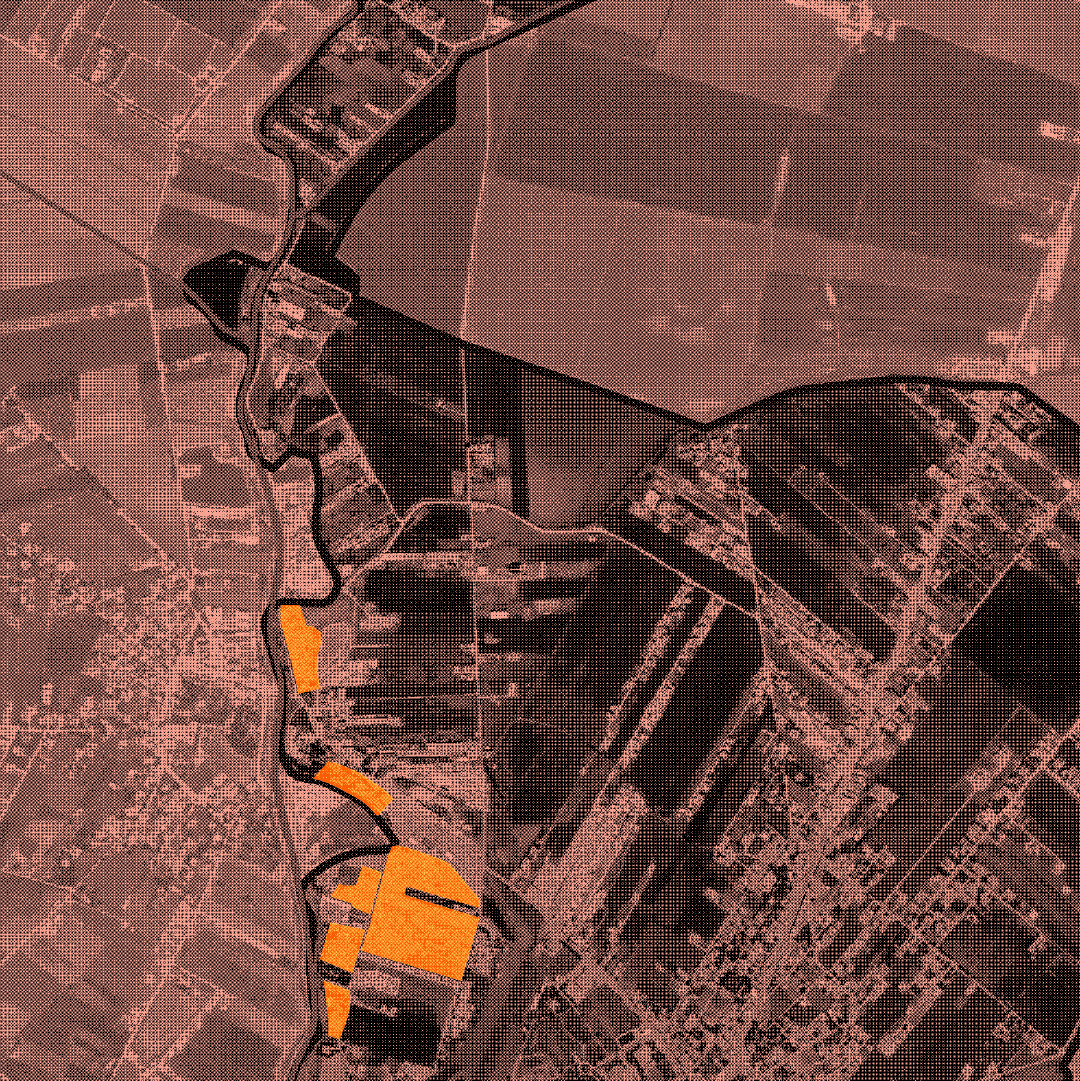
Since the start of the 2024 war, the zionist entity has targeted Qaaqaiyat al-Sanawbar for 175 days, in addition to threats of evacuation, forcing the remaining residents to flee.
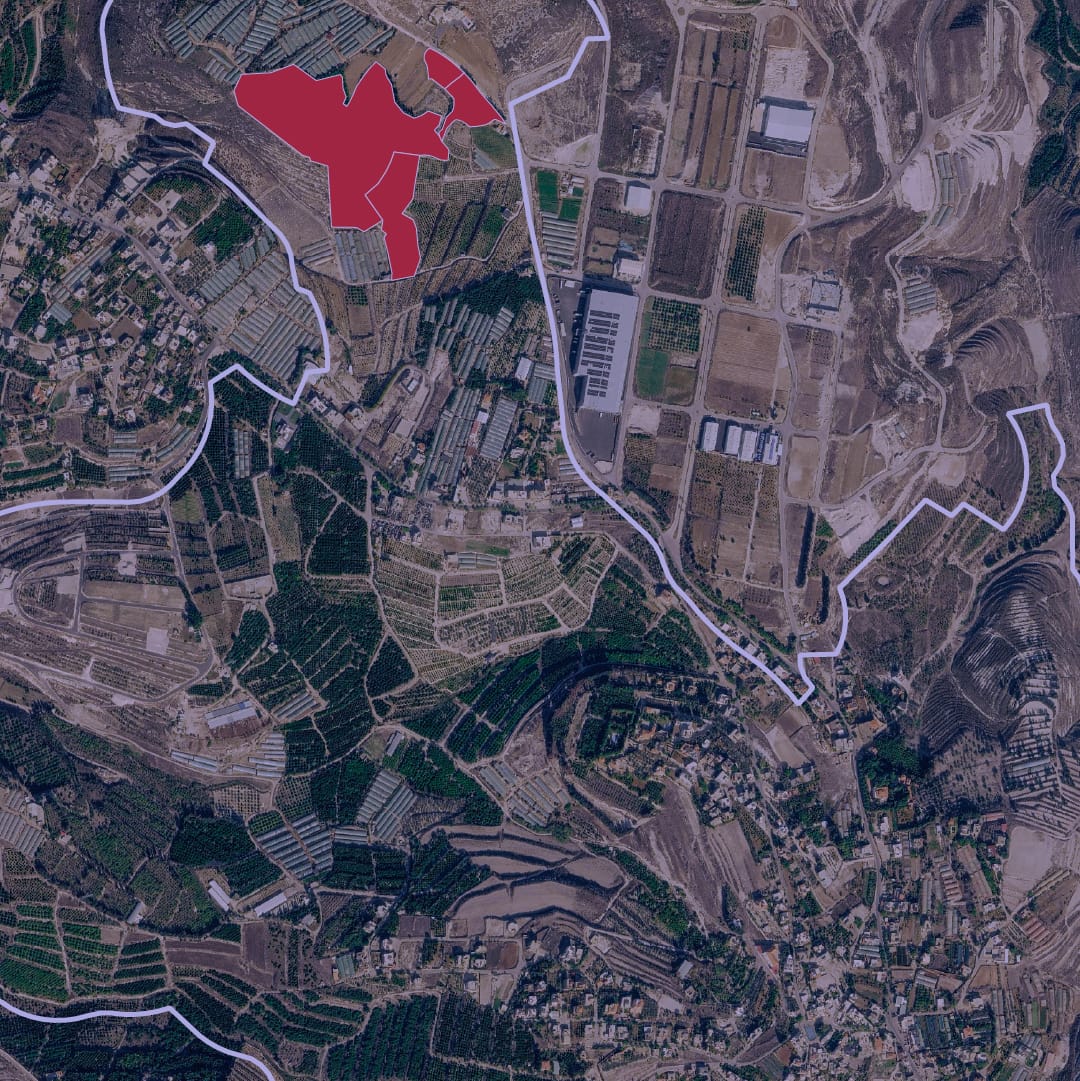
While the town is being destroyed, the authorities have reclassified agricultural areas within it as an industrial zone through Decree No. 2304, issued on January 22, 2026.
This exacerbates the destruction and extraction perpetrated by the occupation.

On the fortieth day since the martyrdom of journalist Amal Khalil: An interview with her about the South and its lands

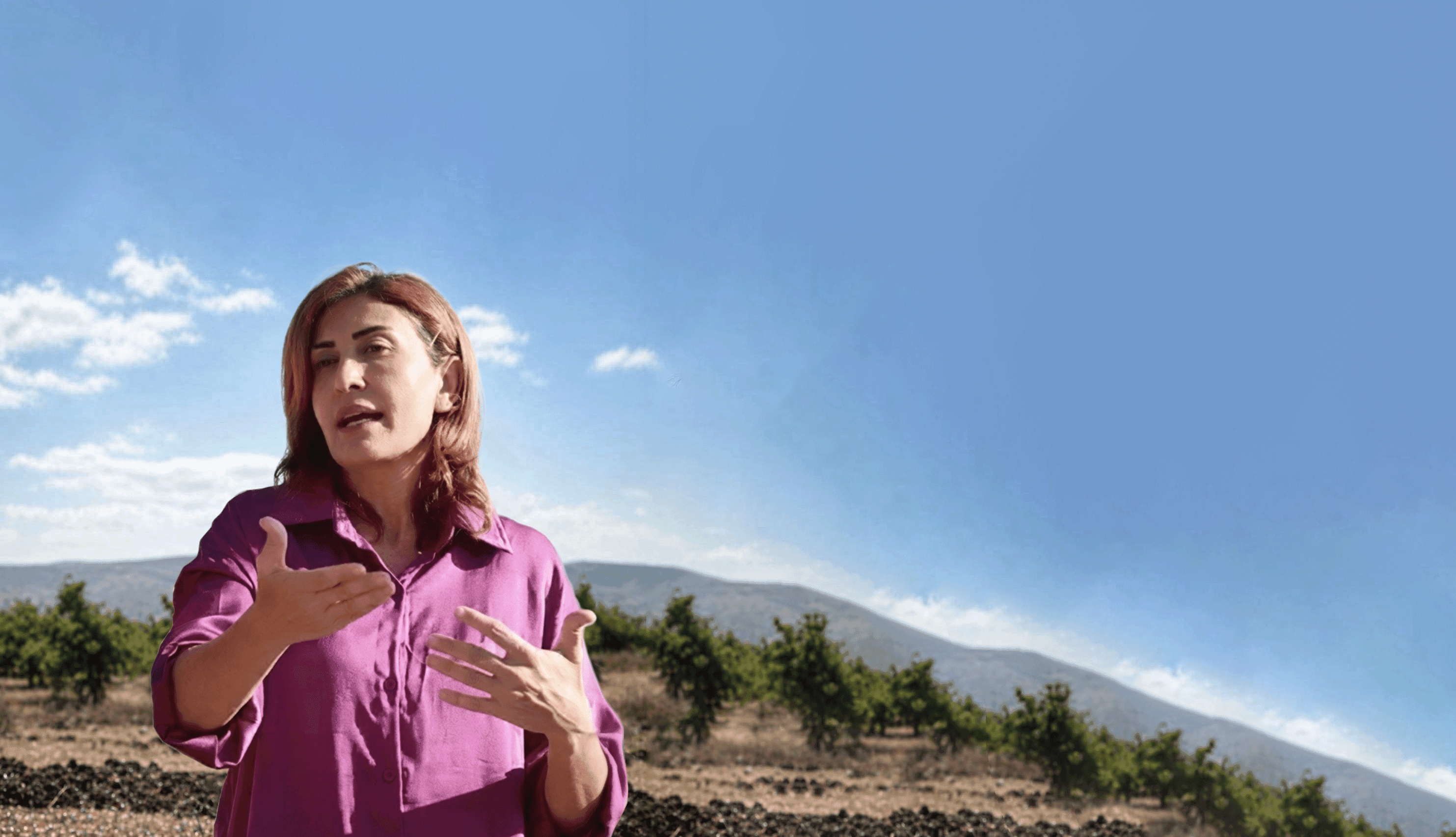
In her home in Bayssariyeh, Amal welcomed us on February 28, 2019. She was the one speaking, and we were the ones asking questions about the South, its people, and its problems.
On April 22, 2026, while doing the same thing—telling people about the South and standing against the erasure of memory and land—Amal was killed in an Israeli airstrike that targeted her several times.
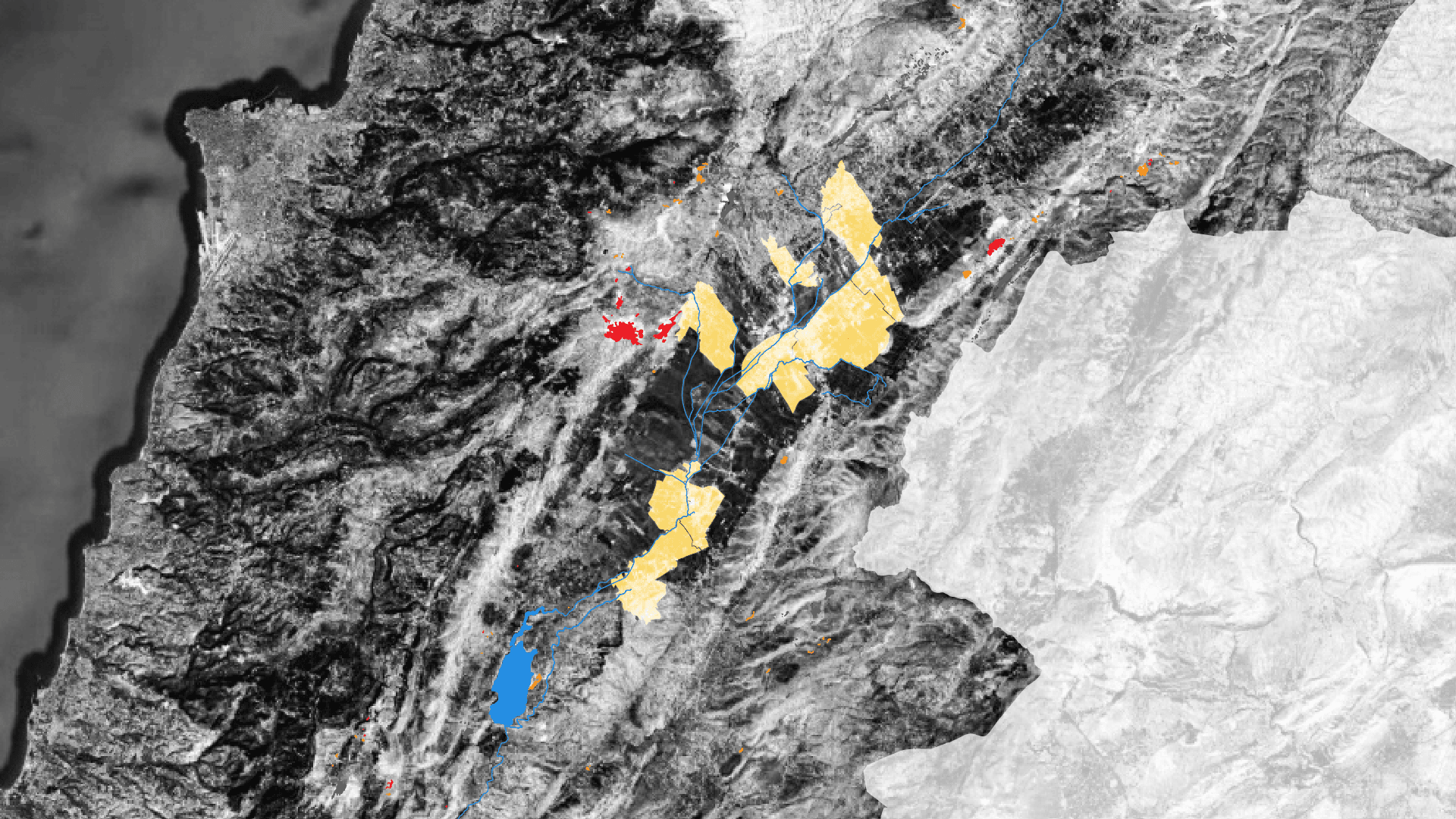
As part of a research project on the agricultural plain in the Zahrani region, we had observed changes in land ownership, and wanted to understand the reality of these ownership structures and their implications.
Below are the words of the martyred journalist Amal Khalil about the Zahrani Plain.

Behind the Scenes of Legitimizing Illegal Quarries: How the Government and Cement Companies Manipulated Urban Planning Frameworks in Koura

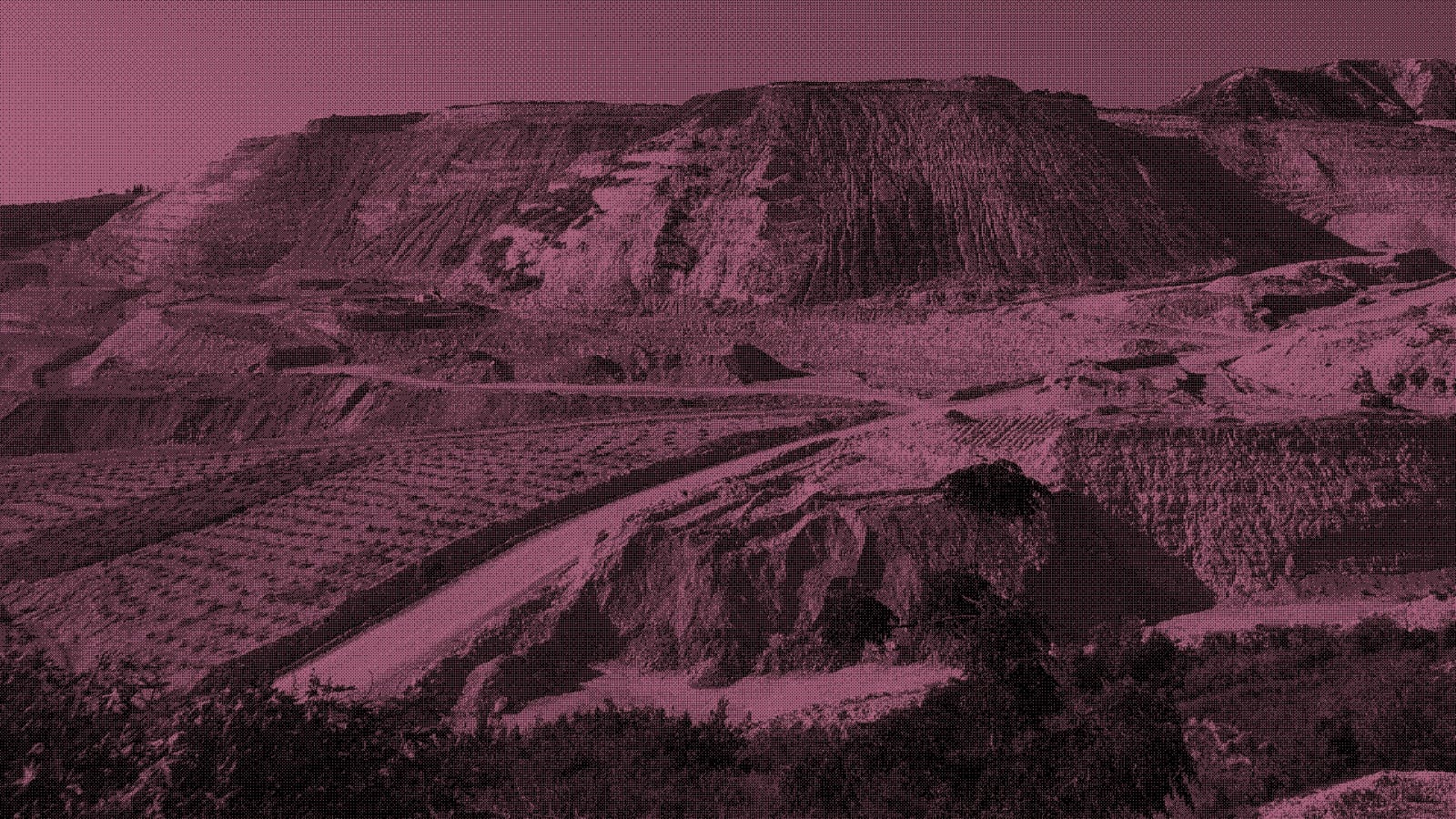
This commentary takes a spatial approach to dissecting the Lebanese Government’s controversial Decisions No. 16 and No. 59 (passed in April 2026), exposing them as a continuation of a decades-long trajectory of collusion between the state and the powerful cement cartel, including the two major companies operating in Koura: “Holcim” and “National Cement Company.”

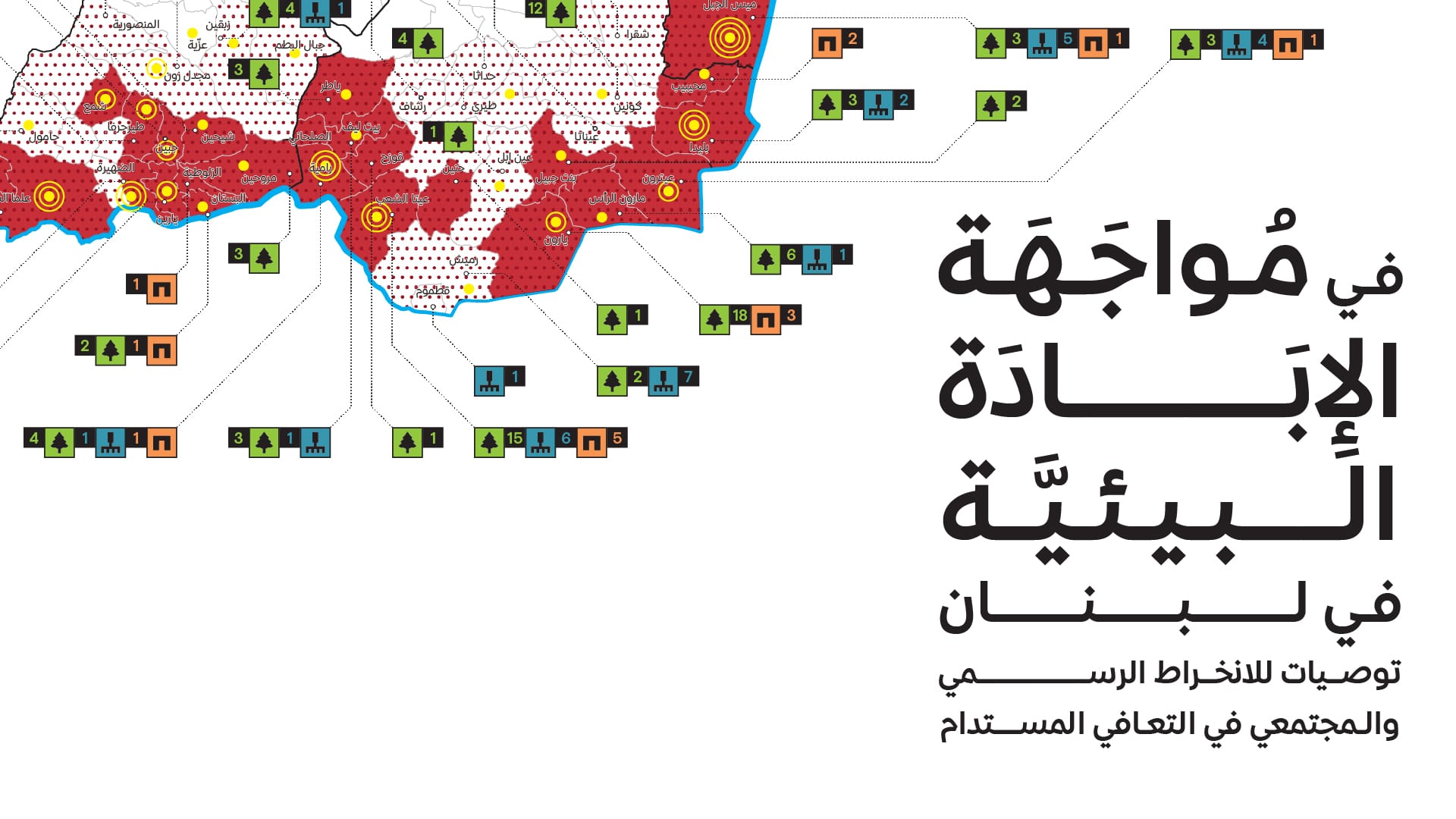
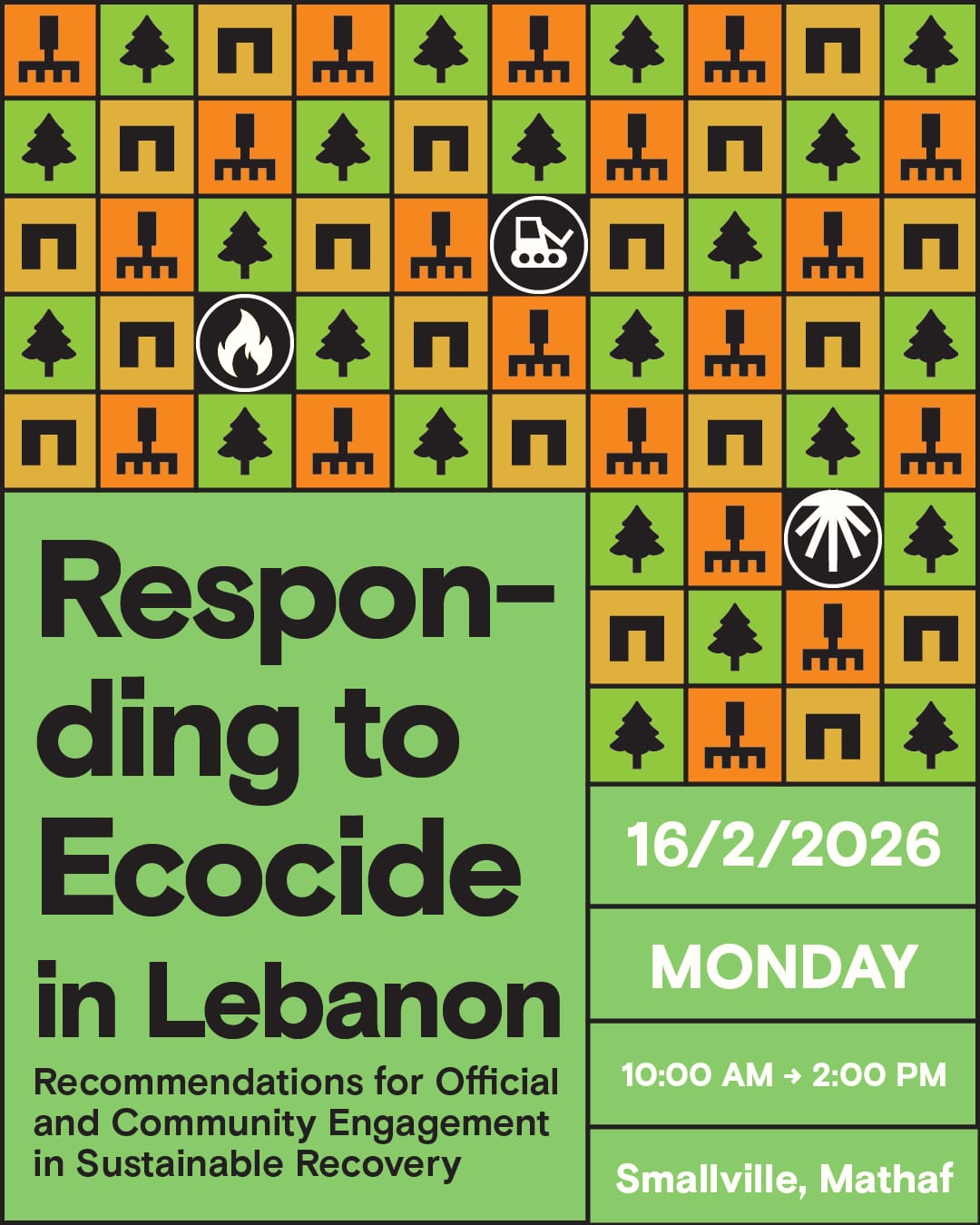
Responding to Ecocide in Lebanon: Recommendations for Official and Community Engagement in Sustainable Recovery

Since 8 October 2023, border villages in southern Lebanon have suffered systematic ecocide, with Israel targeting infrastructure, forests, and agricultural lands, aimed at enforcing displacement and making the area uninhabitable. Over the past year, Public Works Studio conducted research, monitoring, and workshops, focusing particularly on the town of Kfarkela as a case study, to analyze damages and identify priorities for return, reconstruction, and environmental recovery. This work culminated in a policy paper documenting the impacts, evaluating recovery frameworks, and offering recommendations to advance environmental justice. The paper was launched during a public seminar to foster discussion on participatory advocacy pathways.

Responding to Ecocide in Lebanon: 

Recommendations for Official and Community Engagement in Sustainable Recovery

Public Works Studio and the Arab Reform Initiative are organizing the launch event of their joint research paper, “Responding to Ecocide in Lebanon: Recommendations for Official and Community Engagement in Sustainable Recovery,” on …

The Government Legalizes Violations and Complicity in Environmental and Housing Damage:

The Issued Decree Authorizes Industrial Expansion in Kfour, Despite Pending Court Challenges

The government has legalized a harmful industrial expansion in Kfour, neglecting environmental and health threats and ongoing legal objections. Residents and civil society are calling on the government to withdraw Decree 1962 before more damage is done to their health, homes, and land.

Removing encroachments from the Litani riverbed:

Water protection is a priority, but who protects the housing rights of the refugees?

The text reviews the Litani River Authority’s removal of what it classifies as “encroachments” along the river and the resulting pressures on Syrian displaced communities in the Beqaa. It highlights the tension between protecting water resources and safeguarding the housing rights of vulnerable groups.

Eviction of Camp “044” in Ghazzeh–Bekaa: Between Protecting the Litani and Undermining the Right to Housing

In September 2025, the Litani River Authority ordered the eviction and dismantling of Camp 044 in Ghazzeh, West Bekaa. Citing environmental violations and the need to remove encroachments from the river course, this action is part of a larger campaign targeting over 34 Syrian refugee camps. This text documents the eviction, its repercussions, and its impact on the fundamental right to housing.

An attack on the Seal cave in Amchit with the participation of the DGU

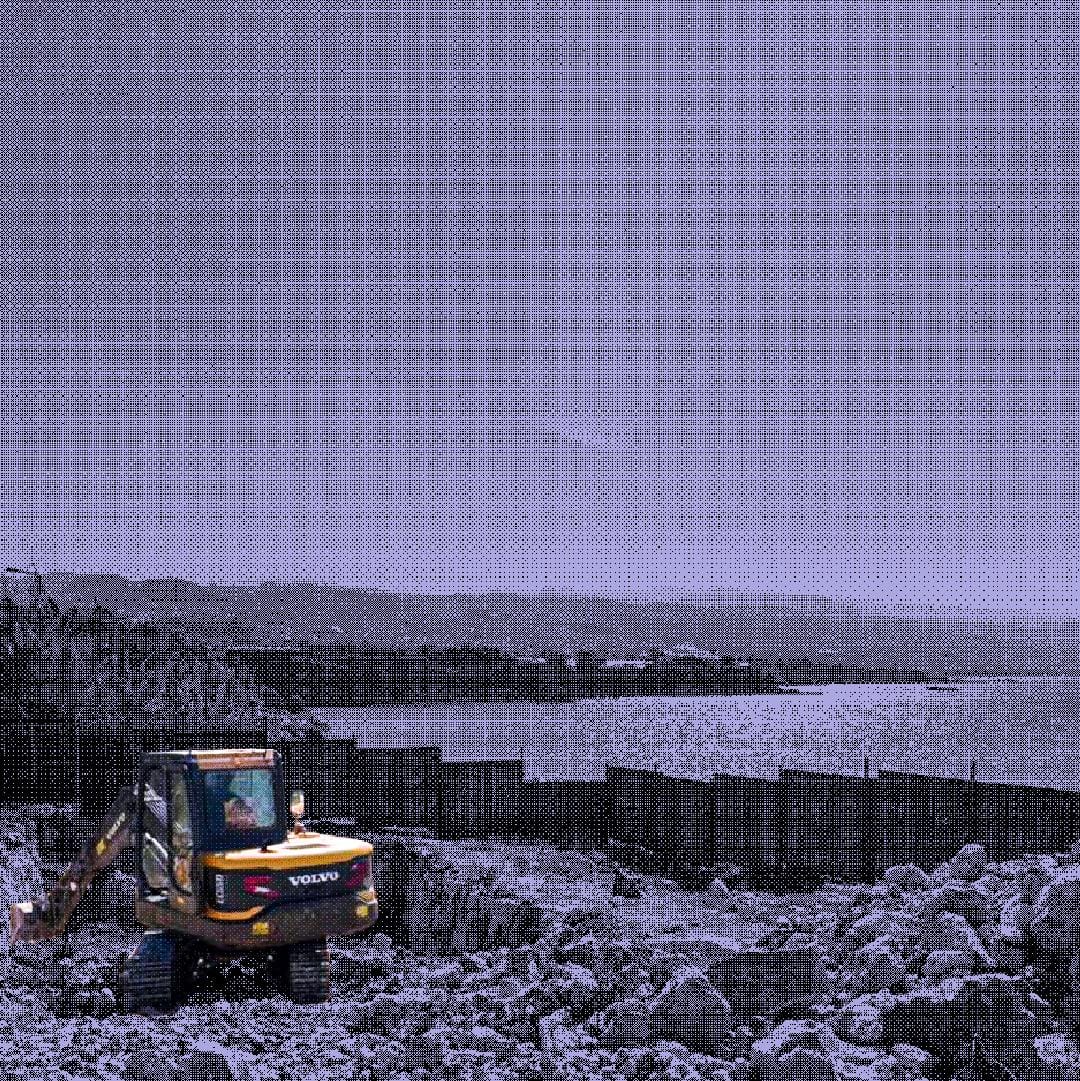
On the rocky shore of Amchit, the Seal Cave is currently under attack as a result of an unjustified and illegal decision by the Directorate General of Urban Planning (DGU) granting construction works …

Investigating the Religious Land Endowments in Lebanon

Part 2 | The Lost Social Value of the Properties of Three Sects in Greater Beirut

Amid Lebanon’s economic crisis, religious authorities have been excluded from the discussion on sharing the losses, despite being among the largest landowners and benefiting from tax breaks. In this context, it was necessary to conduct an in-depth study of religious endowment lands (waqf), highlighting their social value, placing them at the center of the wider conversation on the economic collapse, as well as shedding light on the needed regulation and taxation, and making the related data accessible as a basis for any future advocacy.

Investigating Religious Land Endowments in Lebanon

Amid Lebanon’s economic crisis, religious authorities have been excluded from the discussion on sharing the losses, despite being among the largest landowners and benefiting from tax breaks. In this context, it was necessary to conduct an in-depth study of religious endowment lands (waqf), highlighting their social value, placing them at the center of the wider conversation on the economic collapse, as well as shedding light on the needed regulation and taxation, and making the related data accessible as a basis for any future advocacy.

At the Expense of Tyre and Its Environment: The Army’s Investment Project Raises Questions around Exemption, Influence, and Justice

فيما تعمل مدينة صور جاهدةً على التعافي من الحرب وإعادة الإعمار، يقوم متعهد نافذ بتنفيذ مشروع استثماري لصالح وزارة الدفاع – وهو عبارة عن نادٍ للضباط ومجمّع تجاري – على أراضٍ مملوكة للدولة ومحاذية لمحمية صور الطبيعية. يثير هذا المشروع اعتراضات واسعة النطاق وتحديات قانونية بسبب توقيته وموقعه وتأثيراته البيئية المحتملة.