
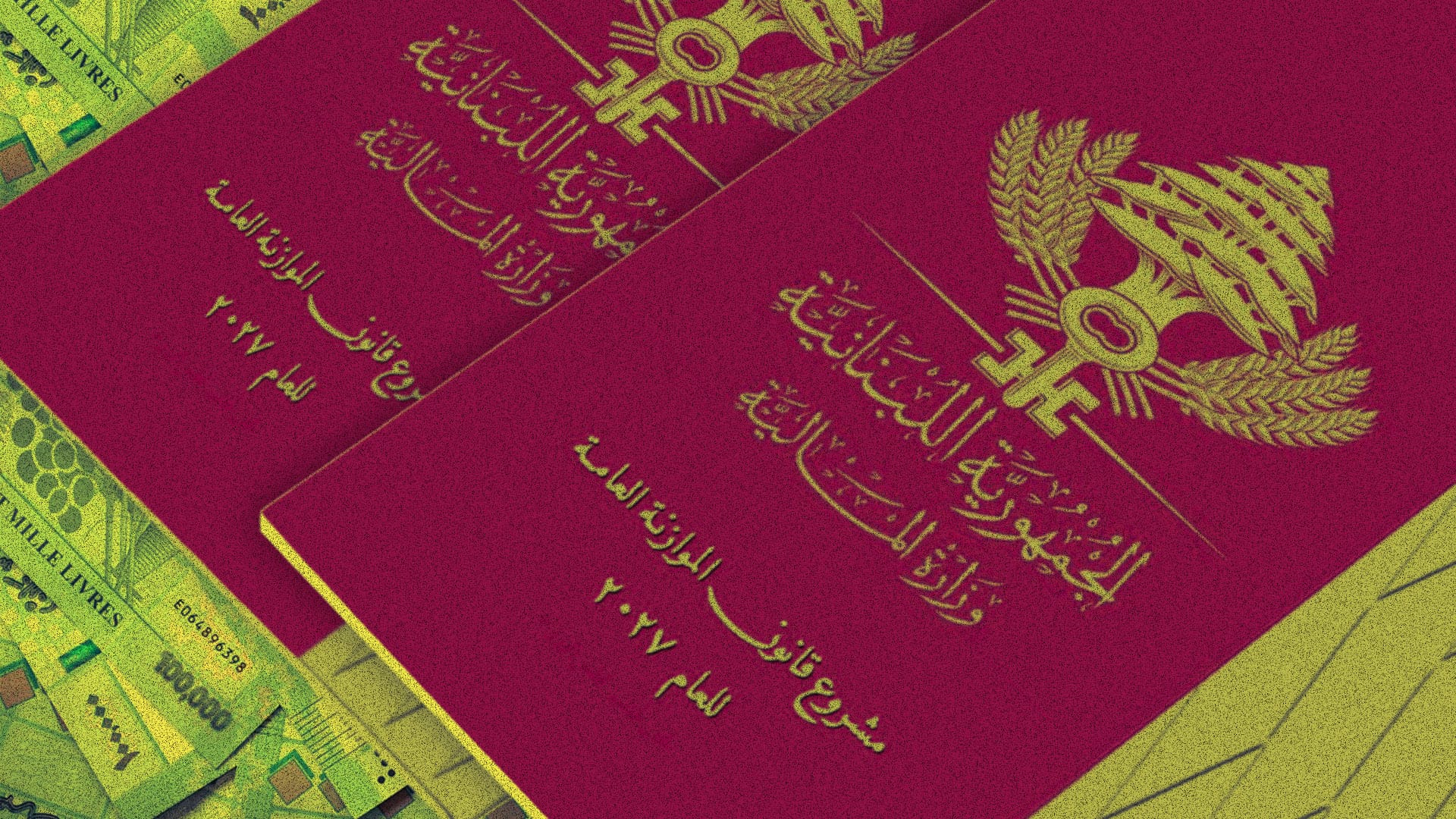
Like previous public budgets, the 2027 budget draft is limited to providing the legal framework for the state’s expenditures, without setting out a clear vision for addressing Lebanon’s ongoing crises, particularly displacement, housing, and reconstruction amid the ongoing Israeli aggression. While reconstruction, return, and supporting people’s resilience have become some of the most pressing issues today, the budget provides only limited allocations for relief and emergency response, while largely relying on external financing for reconstruction, without establishing a clear financial framework for compensation, rebuilding homes, or supporting return.
At the same time, the budget continues to reinforce real estate-oriented financial policies, through measures such as reducing the tax on real estate capital gains and the Land Betterment Tax, while the state is still lacking revenues through taxation on violations on public maritime land. On housing, the government is reactivating housing loans and proposing the removal of the tax exemption for vacant apartments, but without addressing the structural causes of the housing crisis or providing alternatives for those facing rising rents and evictions.
In this commentary, we examine the 2027 public budget plan through ten key points, looking at how spending priorities and tax policies affect the rights to housing, land, return, and reconstruction and how the costs of crises that the state continues to address without a comprehensive vision ultimately fall on society.


The 2024 budget:
Rewarding property owners and speculators
This article discusses the 2024 budget in Lebanon, emphasizing the lack of substantial changes to rebuild the collapsing economy. The budget focuses on providing legal cover for state expenses without addressing existing policies, …