eviction

Shelter Centers in Tripoli: A Response Deepening class inequalities in the city

Until the morning of 17 April, 20 shelters were opened in Tripoli. Their uneven distribution concentrated pressure in already vulnerable neighbourhoods, particularly those with collapsed or at-risk buildings, while wealthier areas were largely excluded despite available vacant housing stock, reflecting how response practices reproduce existing spatial and class-based inequalities in the city.

Shelters in Beirut: Three Factors Deepening Inequality in the City

Amid the ongoing escalation and growing waves of displacement toward the capital, shelters in Beirut continue to face increasing pressure. A review of these centers reveals three key challenges: limited capacity and delayed shelter availability, the uneven geographic distribution across the city, and the heavy reliance on educational institutions as shelter sites. These patterns point to fundamental structural imbalances in the crisis response, contributing to the deepening of inequality at the level of the city.

Securing the Right to Housing and Return: An Open Letter to Officials on Tripoli’s Building Collapse Crisis

As Tripoli’s building collapse crisis deepens. This letter calls on public officials to ensure that the government’s Emergency Plan measures protect residents from long-term displacement through dignified alternative housing and guaranteed return.

The Suspension of Deadlines in the Absence of Housing Protection: A Legislative Loophole in Times of War

The suspension of deadlines in times of war is a key tool for protecting rights. However, excluding lease agreements from it undermines this protection and exposes tenants to the risk of eviction and homelessness. In the context of widespread displacement and declining ability to pay, the right to housing cannot be separated from any serious legislative response to the crisis. Including leases within the scope of suspended deadlines is not a technical detail, but an urgent necessity to ensure a minimum level of social protection under exceptional circumstances.

Open the Empty Buildings – Public and Private- and Apply Rent Control

Thousands of displaced families are sleeping on the Corniche sidewalks, the beach, and in public squares, left without shelter. This situation is a direct result of the government’s shortcomings in its plan to accommodate the growing number of displaced people, exacerbated by Israel’s orders to evacuate more than 80 towns in the south and all of southern Beirut.

We are here to reiterate the following options for effectively responding to the escalating displacement crisis, in light of the evolving security situation and the imperative to guarantee the right to housing, which is being violated on an unprecedented scale during wars.

Two Complementary Draft Laws to Strengthen the Right to Housing

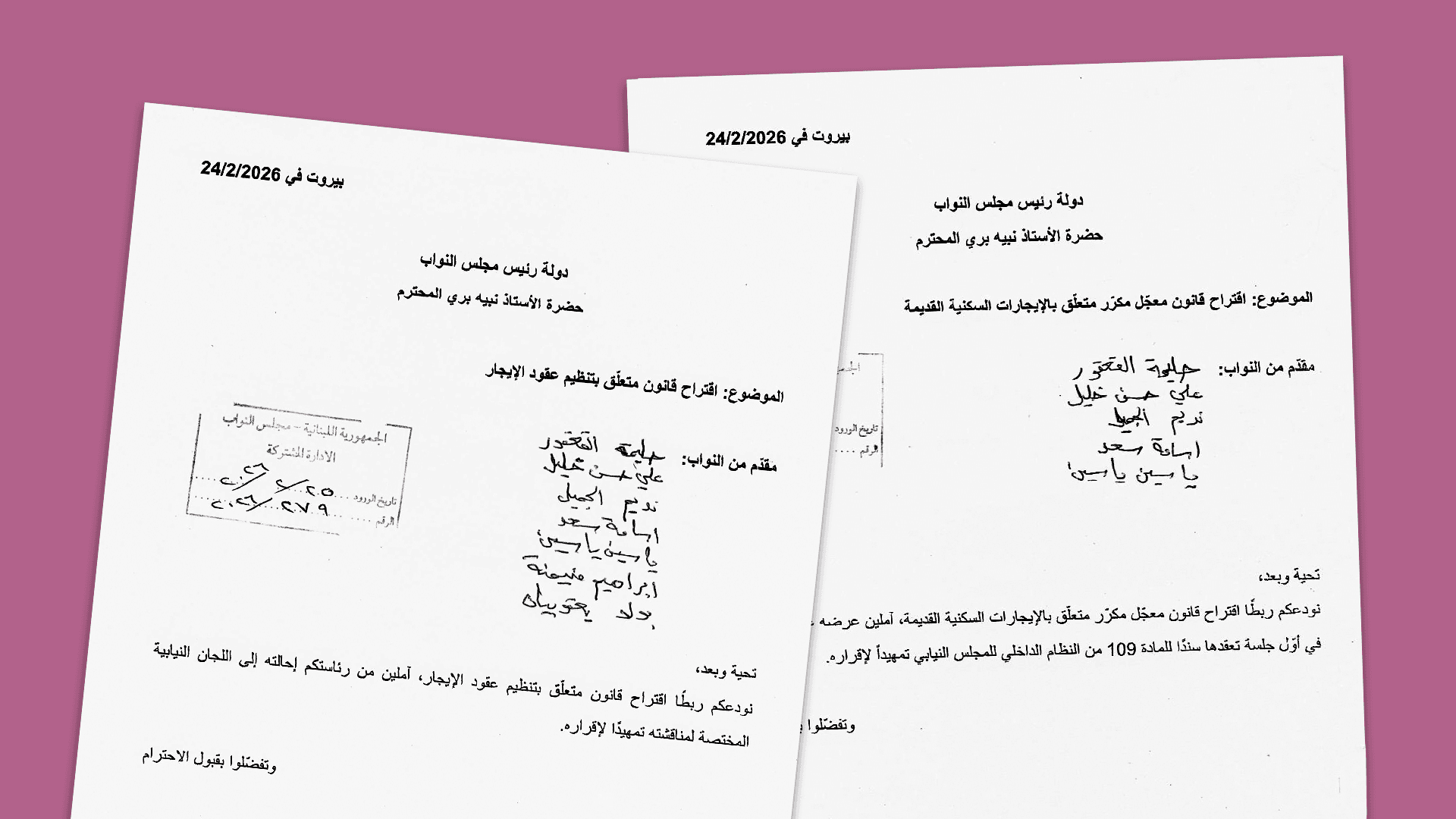
On Wednesday, February 25, 2026, MP Halima Al-Qaqour, along with a number of MPs, submitted two draft laws to the Speaker of Parliament. The first, an amendment to the old residential lease law, …

Where is the Fund? On old tenants’ struggles with applications to the rent support fund

Field documentation reveals how misinformation and discretionary practices in public administrations have blocked old tenants from applying to the rent support fund and protecting their housing rights.

How to protect my rights as an old tenant under the new law liberating non-residential lease contracts?

This legal memo aims to clarify the most prominent developments brought by the new law liberating non-residential lease contracts and to answer the fundamental questions that tenants may have during the transitional phase of its implementation.

Removing encroachments from the Litani riverbed:

Water protection is a priority, but who protects the housing rights of the refugees?

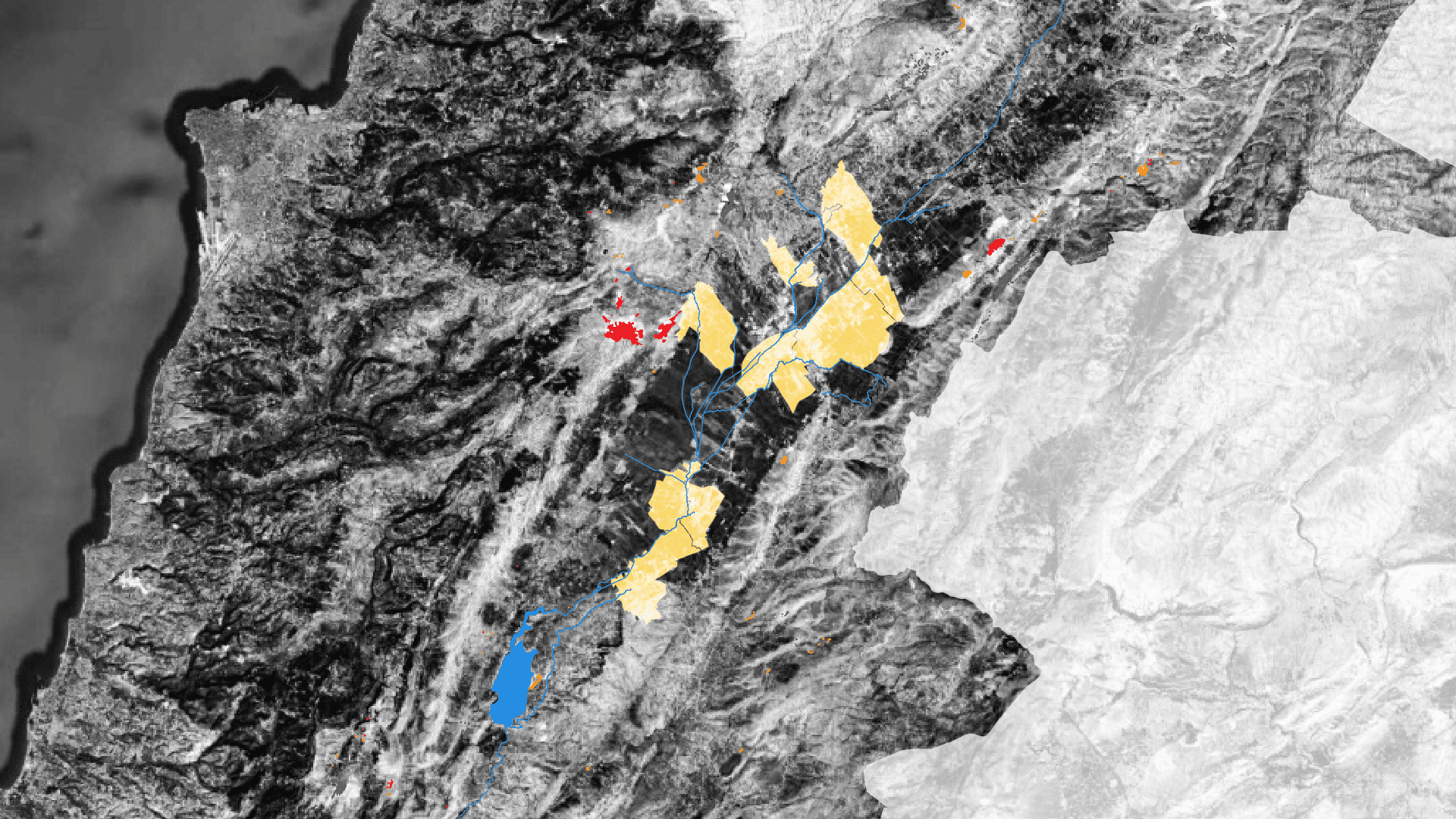
The text reviews the Litani River Authority’s removal of what it classifies as “encroachments” along the river and the resulting pressures on Syrian displaced communities in the Beqaa. It highlights the tension between protecting water resources and safeguarding the housing rights of vulnerable groups.

Eviction of Camp “044” in Ghazzeh–Bekaa: Between Protecting the Litani and Undermining the Right to Housing

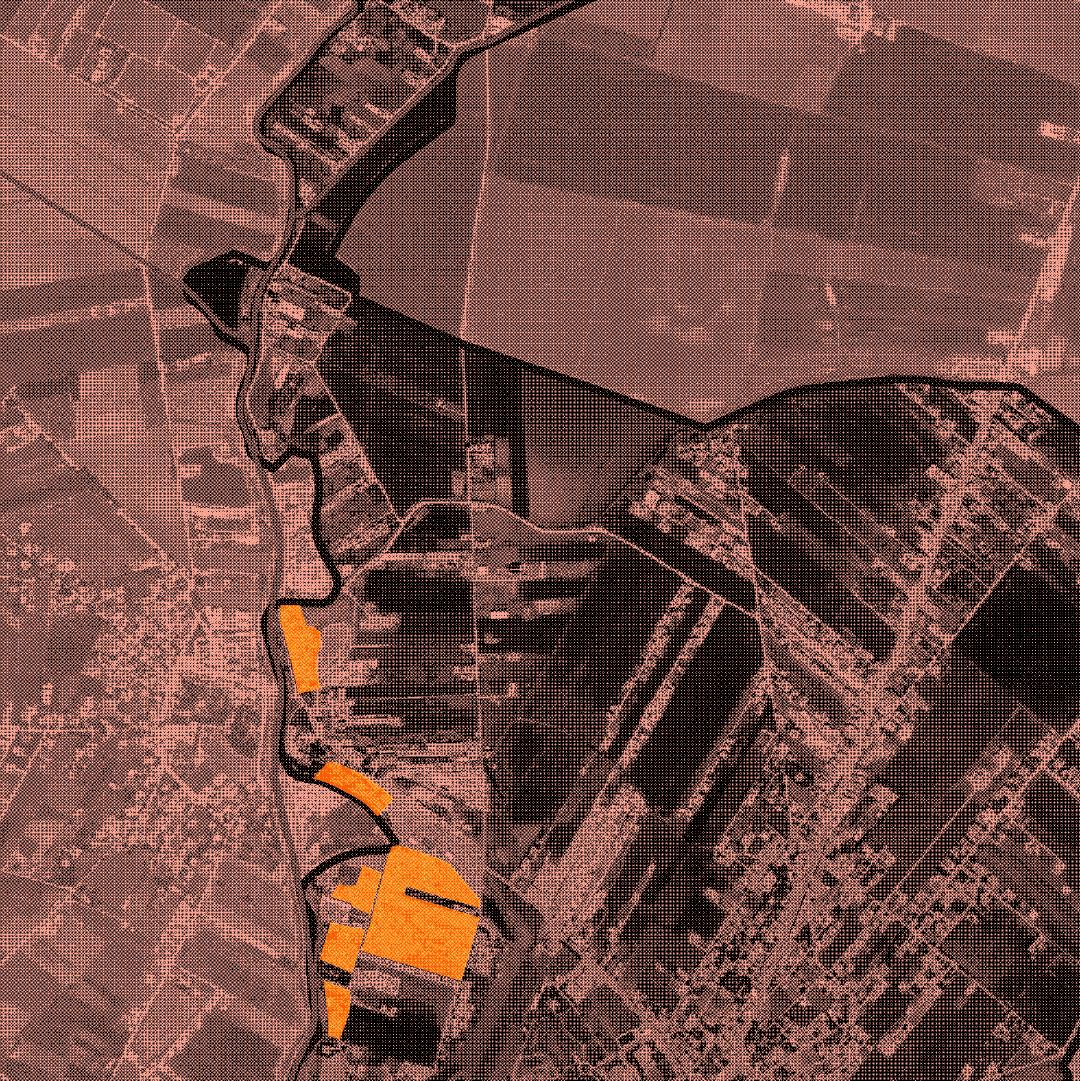
In September 2025, the Litani River Authority ordered the eviction and dismantling of Camp 044 in Ghazzeh, West Bekaa. Citing environmental violations and the need to remove encroachments from the river course, this action is part of a larger campaign targeting over 34 Syrian refugee camps. This text documents the eviction, its repercussions, and its impact on the fundamental right to housing.

Green light to destroy Beirut’s theater:

The Ministry of Culture removes protection under pressure from the Shoura Council and the owner's threats

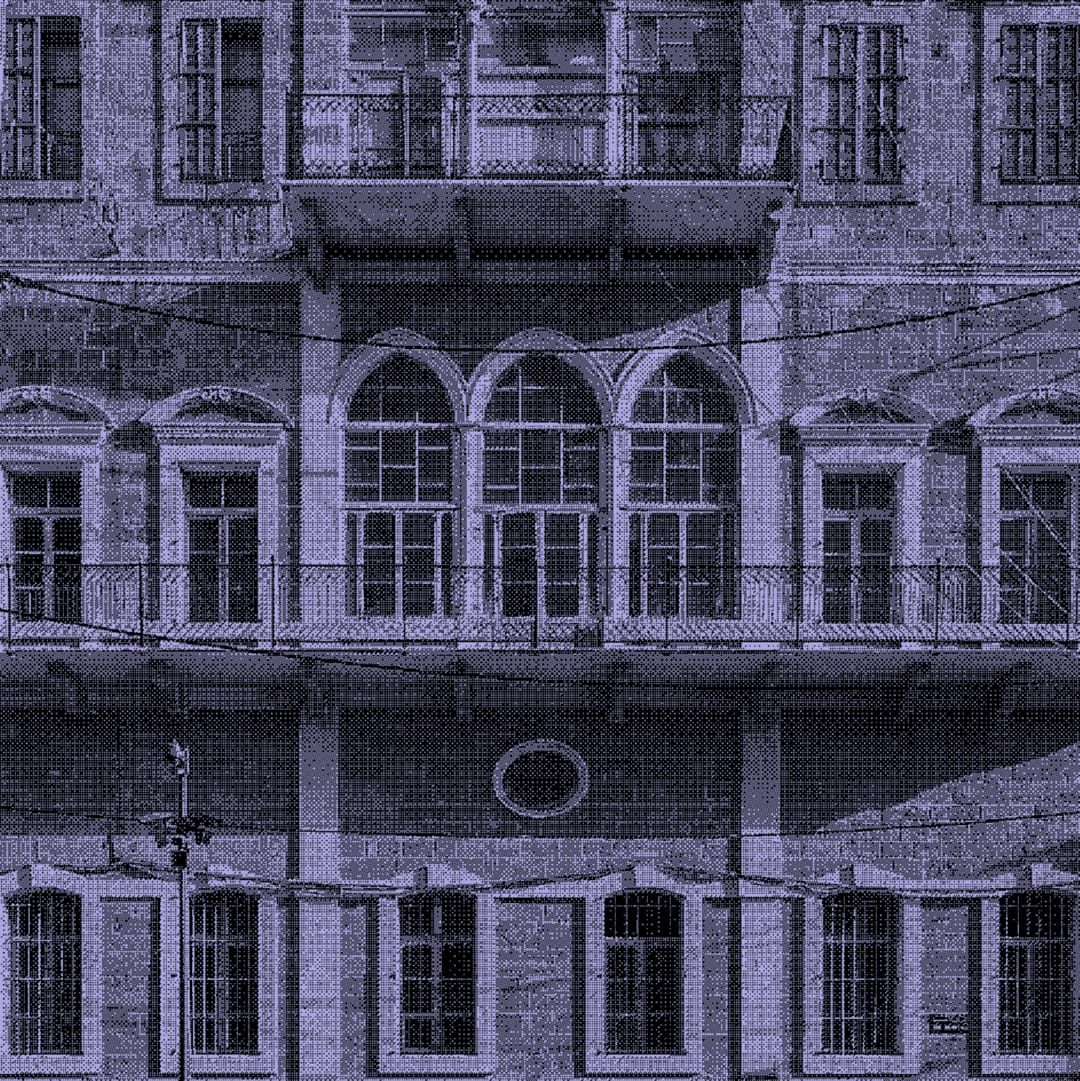
The Ministry of Culture delisted lot number 243 in the Ain Mreisseh district (Beirut) from the general inventory list of historical buildings is a striking decision. This contradiction raises questions about the motives behind the decision, specifically that the lot includes Beirut Theater.
In this article, we review the details of the property and previous attempts to protect it, revealing an alarming threat on the theater and the adjacent buildings.

How Can I Protect My Rights as an Old Rent Tenant Amid a Suspended Law and Ongoing Crises? A Legal and Practical Guide

Are you an old rent tenant at risk of eviction? Learn how to protect your housing rights under Law No. 2/2017 and navigate Lebanon’s suspended rent system.