Lebanon

What Do We Know So Far About Post-War Recovery in Lebanon?

Public Works Studio has been monitoring and analyzing post-war recovery in Lebanon since the ceasefire on 27 November 2024, focusing on reconstruction policies, financing, compensation, rubble removal, projects, and displacement. The goal is to create an open database to track developments, identify gaps, and support advocacy, participation, transparency, and policy improvements.

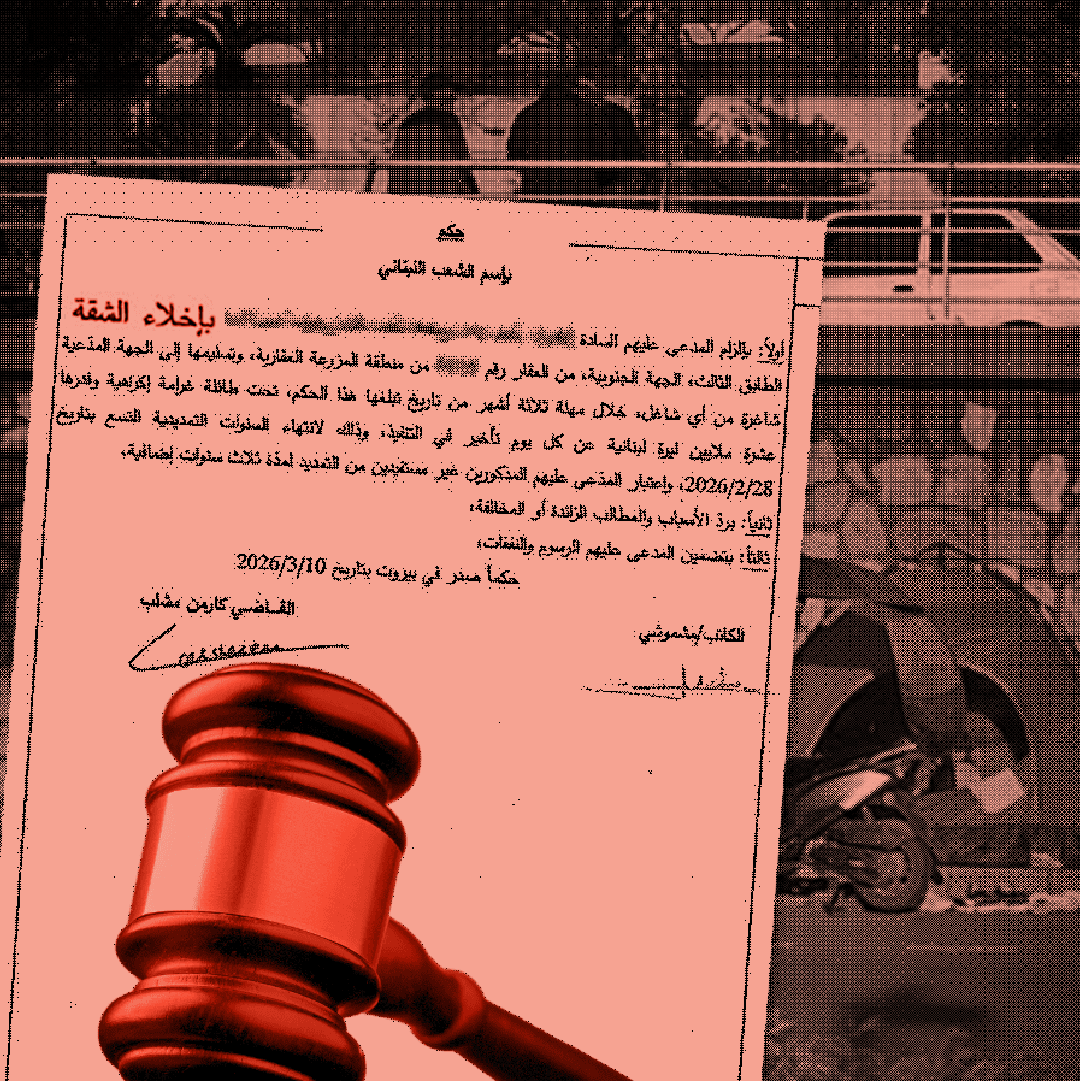
Where is the Fund? On old tenants’ struggles with applications to the rent support fund

Field documentation reveals how misinformation and discretionary practices in public administrations have blocked old tenants from applying to the rent support fund and protecting their housing rights.

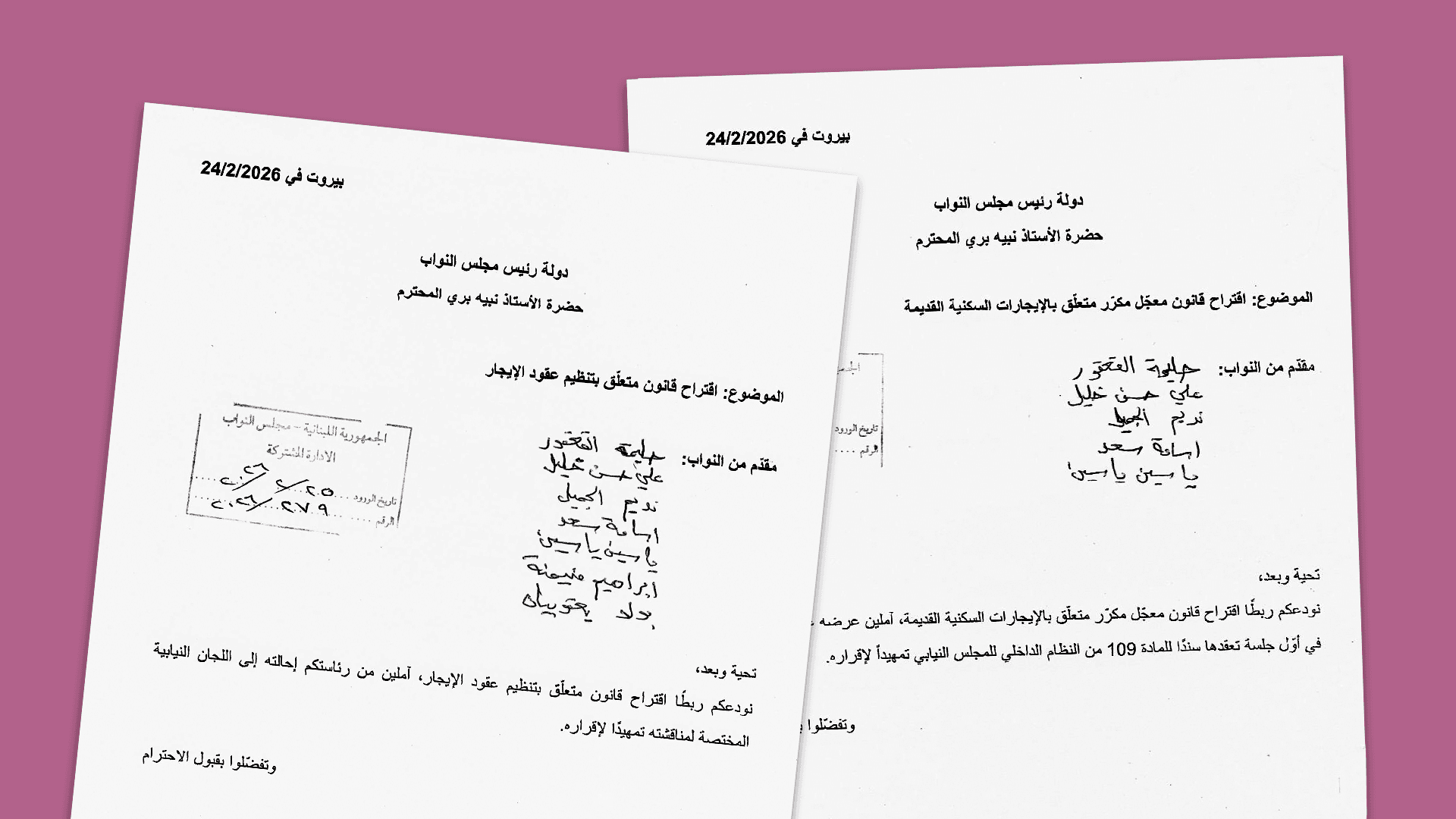
How to protect my rights as an old tenant under the new law liberating non-residential lease contracts?

This legal memo aims to clarify the most prominent developments brought by the new law liberating non-residential lease contracts and to answer the fundamental questions that tenants may have during the transitional phase of its implementation.

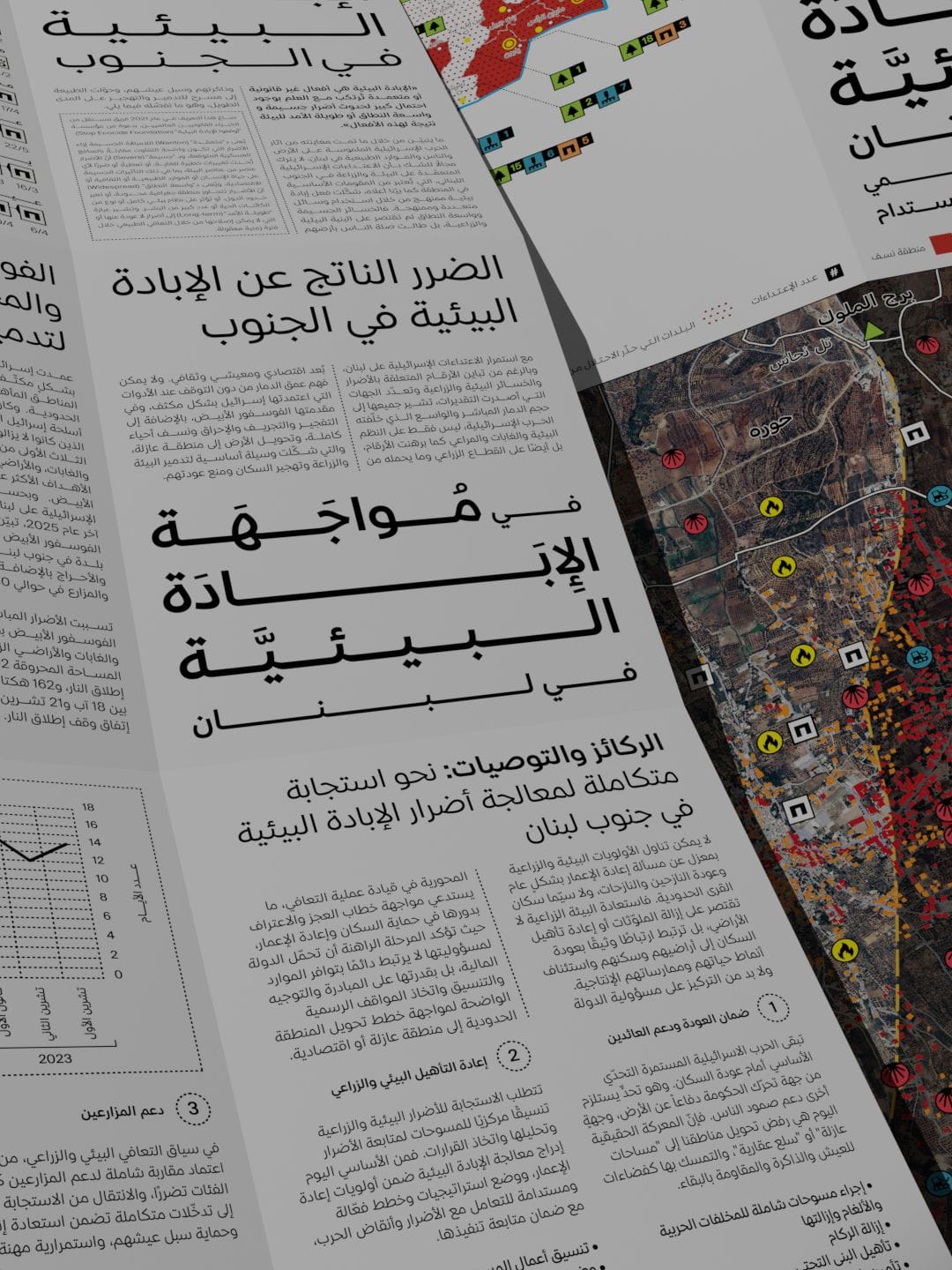
The Government Legalizes Violations and Complicity in Environmental and Housing Damage:

The Issued Decree Authorizes Industrial Expansion in Kfour, Despite Pending Court Challenges

The government has legalized a harmful industrial expansion in Kfour, neglecting environmental and health threats and ongoing legal objections. Residents and civil society are calling on the government to withdraw Decree 1962 before more damage is done to their health, homes, and land.

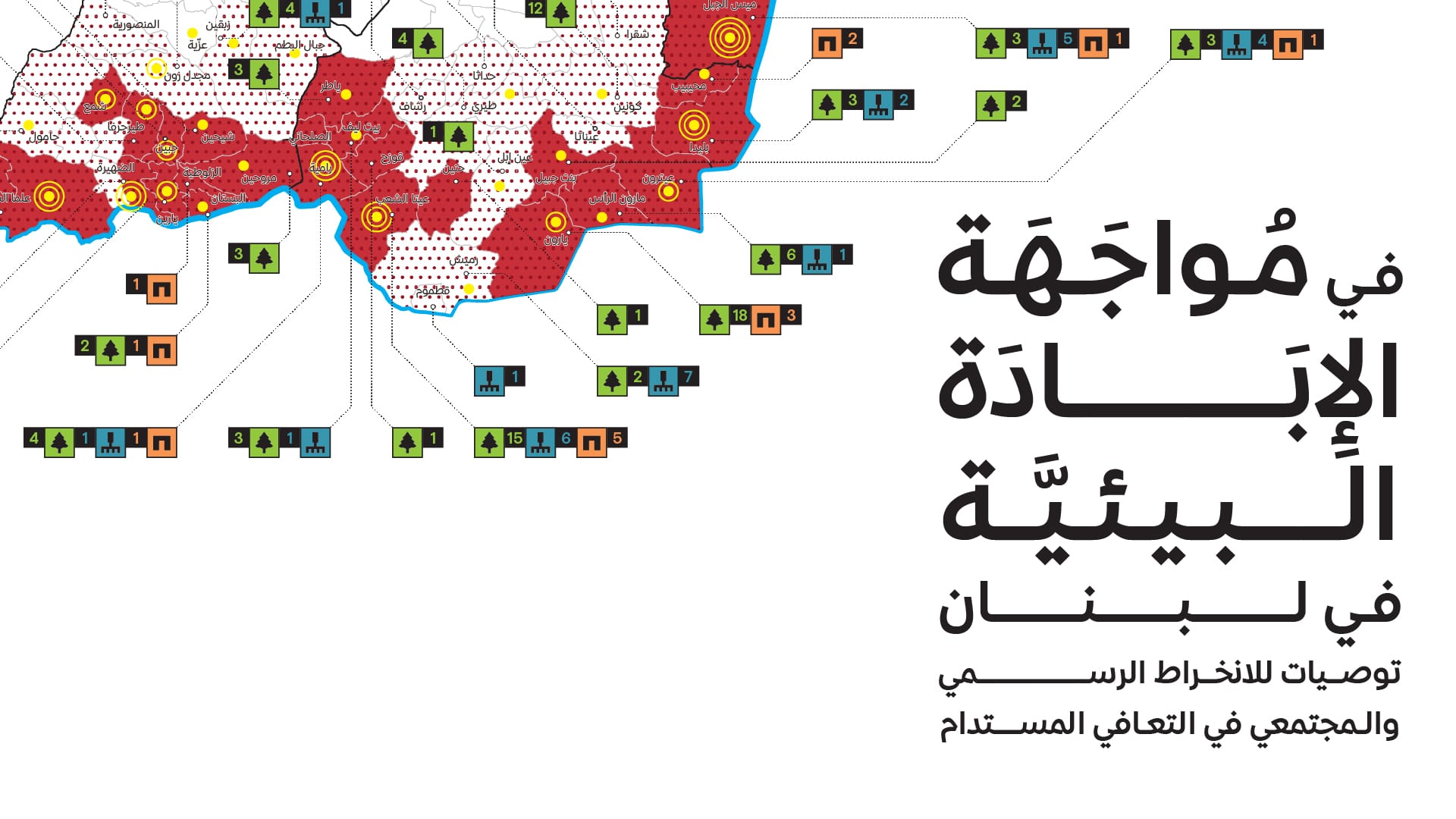
Removing encroachments from the Litani riverbed:

Water protection is a priority, but who protects the housing rights of the refugees?

The text reviews the Litani River Authority’s removal of what it classifies as “encroachments” along the river and the resulting pressures on Syrian displaced communities in the Beqaa. It highlights the tension between protecting water resources and safeguarding the housing rights of vulnerable groups.

The State’s Limited Role in Reconstruction and Its Submission to the Discourse of Inaction

Despite the government’s repeated rhetoric about its commitment to reconstruction and recovery, and the emergence of what appears to be a comprehensive plan, its efforts remain delayed, limited, and fragmented. They rely almost entirely on external loans and grants amid weak local financing, reflecting the absence of an effective, long-term national vision and a surrender to the discourse of state incapacity.

A law proposal to establish a separate cadastral zone for the municipality of Saadiyat, submitted by MP Bilal Abdullah, represents a pivotal point for a deeper discussion around the history of these areas and their evolving social boundaries. In the case of Damour and Saadiyat, the area became a symbol of the profound political crisis brought about by demographic changes in the Chouf coastal region, resulting from transformations and repeated waves of displacement to and from it.

Eviction of Camp “044” in Ghazzeh–Bekaa: Between Protecting the Litani and Undermining the Right to Housing

In September 2025, the Litani River Authority ordered the eviction and dismantling of Camp 044 in Ghazzeh, West Bekaa. Citing environmental violations and the need to remove encroachments from the river course, this action is part of a larger campaign targeting over 34 Syrian refugee camps. This text documents the eviction, its repercussions, and its impact on the fundamental right to housing.

Green light to destroy Beirut’s theater:

The Ministry of Culture removes protection under pressure from the Shoura Council and the owner's threats

The Ministry of Culture delisted lot number 243 in the Ain Mreisseh district (Beirut) from the general inventory list of historical buildings is a striking decision. This contradiction raises questions about the motives behind the decision, specifically that the lot includes Beirut Theater.
In this article, we review the details of the property and previous attempts to protect it, revealing an alarming threat on the theater and the adjacent buildings.

MP Kassem Hashem proposes an amendment to the Reconstruction Law integrating the inclusion of persons with disabilities:

A positive step in need of follow-up and completion.

Following the Lebanese Union of People with Disabilities’ campaign, MP Kassem Hashem submitted a proposal to amend law No. 22 to integrate the rights of people with disabilities.
Currently, it is crucial to collectively lobby for the approval of this amendment as a first step towards establishing a comprehensive and just reconstruction process, through clear implementation mechanisms and continuous institutional follow-up.

An attack on the Seal cave in Amchit with the participation of the DGU

On the rocky shore of Amchit, the Seal Cave is currently under attack as a result of an unjustified and illegal decision by the Directorate General of Urban Planning (DGU) granting construction works …

Lessons from the “Waad” Reconstruction Project

After thirty-three days of continuous bombardment that killed more than 1,000 people, the 2006 war affected a total of 1,232 buildings, mostly residential.
On November 14, 2006, a meeting was held with residents, where they expressed one primary concern: returning to their homes as soon as possible. Accordingly, the local political party promised to rebuild Beirut’s southern suburbs, making them “more beautiful than before,” as the slogan of the project became.
In this text, we present the project and its challenges, especially at the urban level.