Housing

Why is there a need for a comprehensive housing right law and what are its objectives?

Lebanon’s housing crisis stems from decades of speculation, weak policies, and state withdrawal from housing responsibilities. This policy brief presents the case for a holistic and inclusive right to housing law, as the drafting phase of the proposal begins in collaboration with Legal Agenda. Rooted in principles of social justice and spatial equity, the proposed legislation outlines measures like the state’s role in regulating housing and providing social housing, protection against eviction and homelessness, and addressing precarities of residents of informal areas.
 Imad Al-Hout Approaches the Social Crisis of Old Rent Contracts Through a Narrow Numerical Lens

In a few lines, Representative Imad Al-Hout seeks, by proposing a repeated accelerated law, to resolve the decades-old problem surrounding the old rent law, by setting a clear date for the entry into …

Displaced Persons and Returnees: Between Rising Rents and the Israeli Targeting of Prefabricated Homes

In the aftermath of the ceasefire, both the displaced and returnees are struggling to access affordable, suitable, and safe housing. Over 90,000 individuals remain displaced, with most relying on rental housing, where landlords have significantly inflated prices. Meanwhile, returnees continue to endure Israeli violations, with repeated attacks on prefabricated homes, further undermining return efforts. This crisis underscores the urgent need for state intervention to guarantee the right to adequate, affordable, and safe housing.

The Impact of the Israeli War on Lebanon: The Housing Crisis Worsens and Enters a New Phase

The Housing Monitor Annual Report | January 2024-January 2025

This 2024 Housing Monitor annual report examines the impact of war and political convergences on Lebanon’s housing crisis, highlighting mass displacement, rising rents, the exclusion of non-Lebanese residents, and forced evictions.

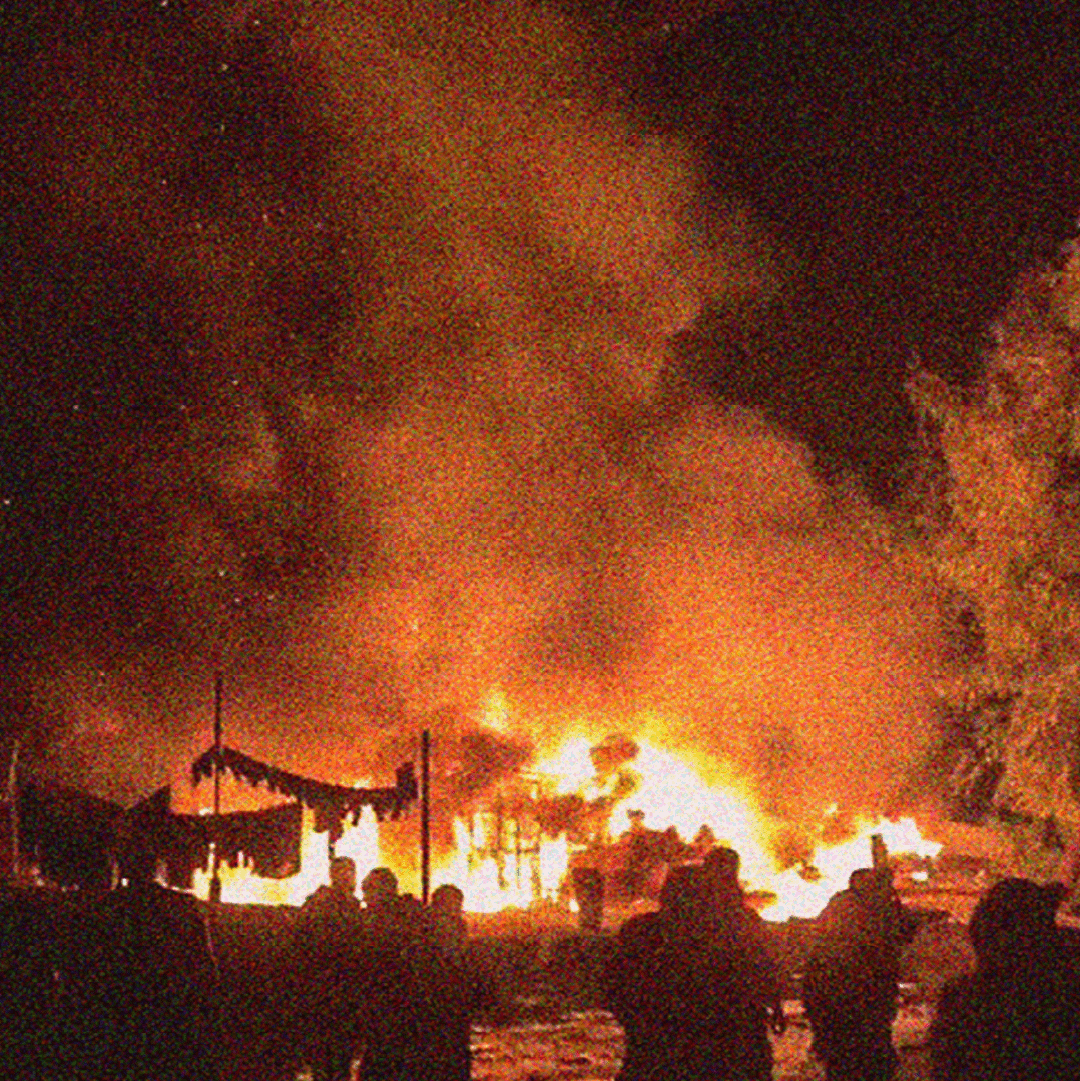
Incitement Before the Crime: Syrians Displaced and Homes Burned in Al-Aaqbiya

Syrian refugees in the Tariq al-Maslakh neighborhood of Al-Aaqbiyeh are facing escalating threats and attacks, leading to the forced displacement of dozens of families. Risks continue to rise amid growing incitement and official inaction.

Tripoli’s Municipality Demands Media Publicity in Exchange of Protecting Residents Lives

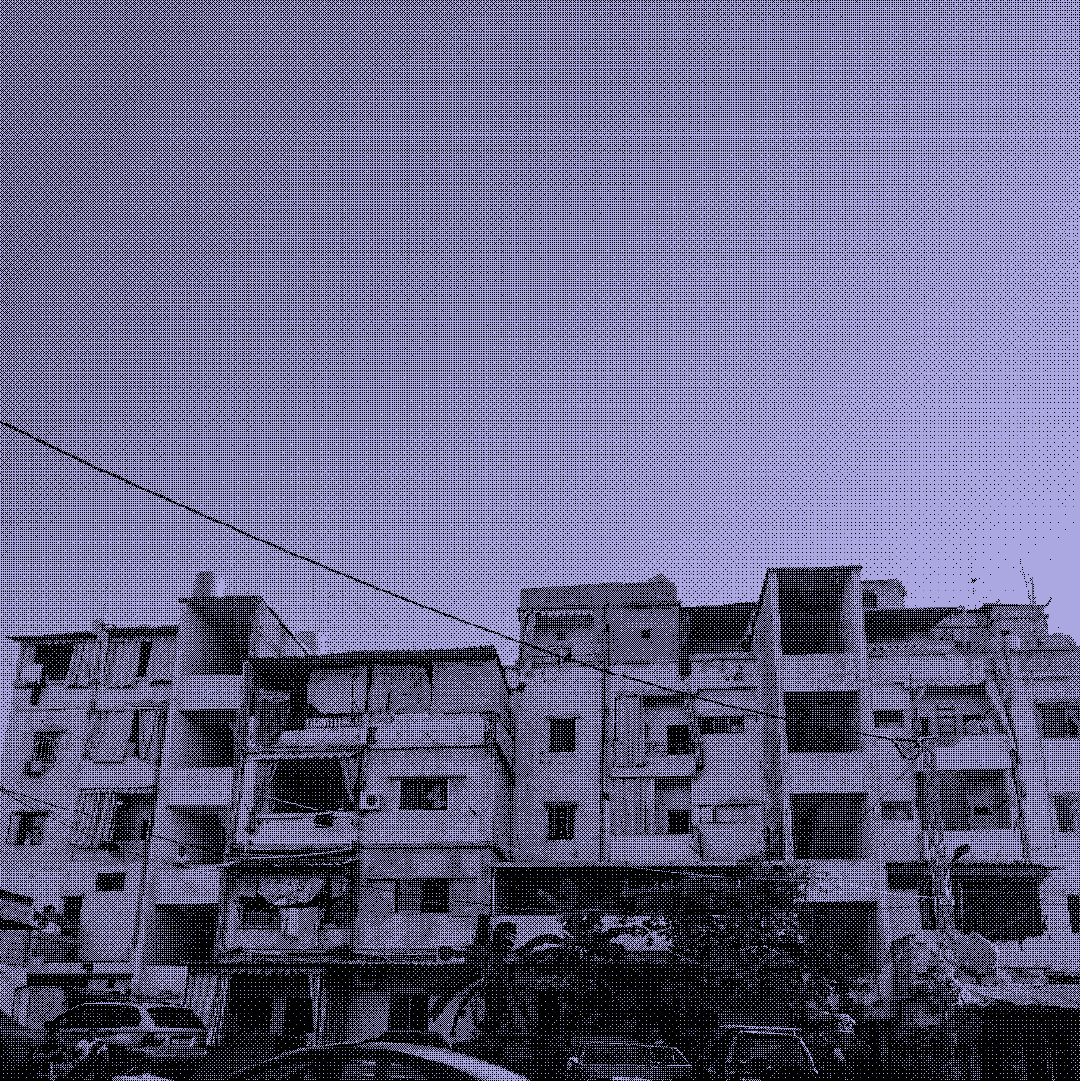
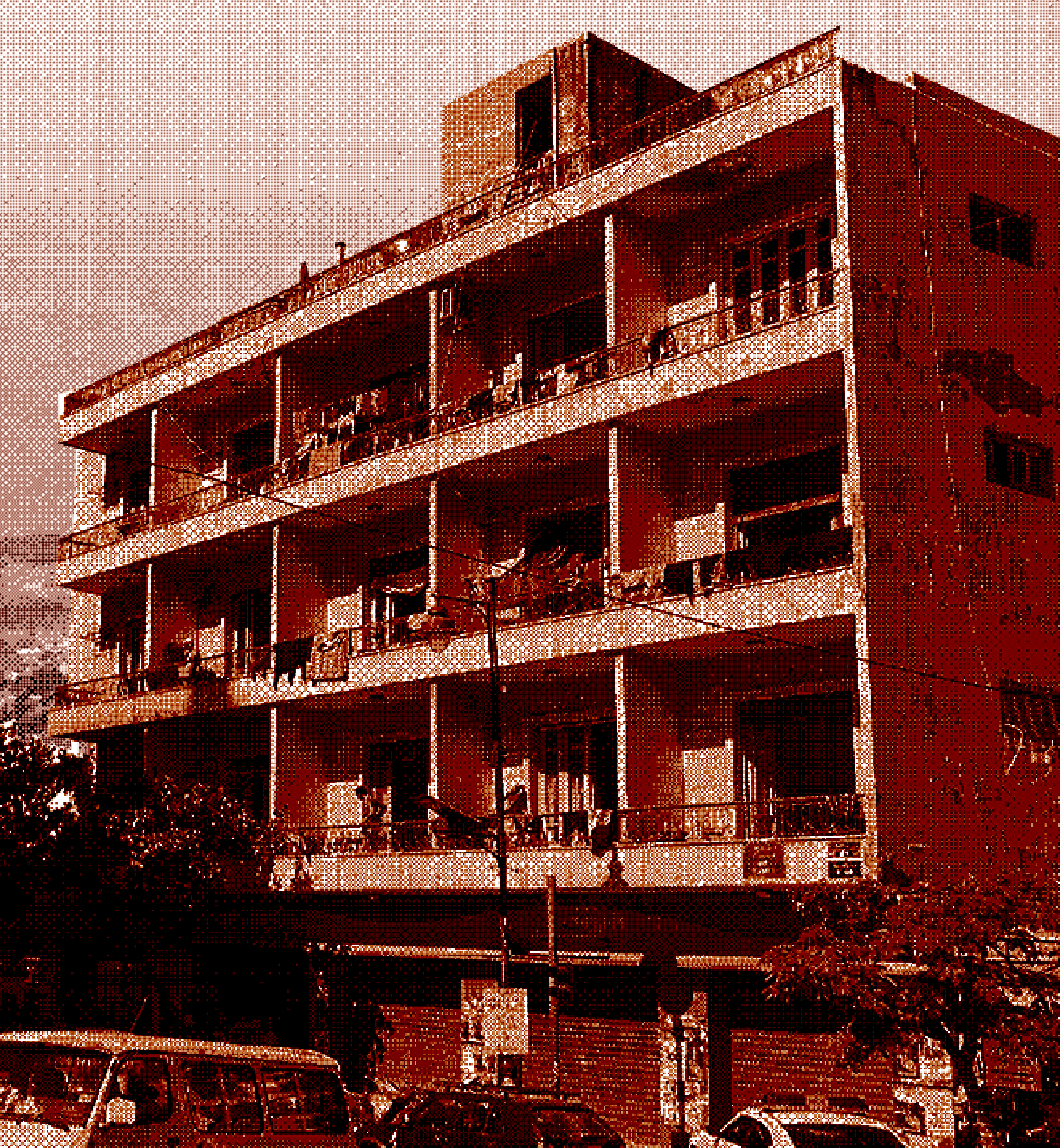
In Tripoli’s Qobbeh neighborhood, a dangerously deteriorating residential building housing 21 families faces the risk of collapse. Despite urgent warnings, the municipality has failed to intervene, stating that action will only be taken if the case becomes a matter of public concern and. gains public and media attention.

 The Reconstruction Process Between the Law, Ownership status, and people’s Return 

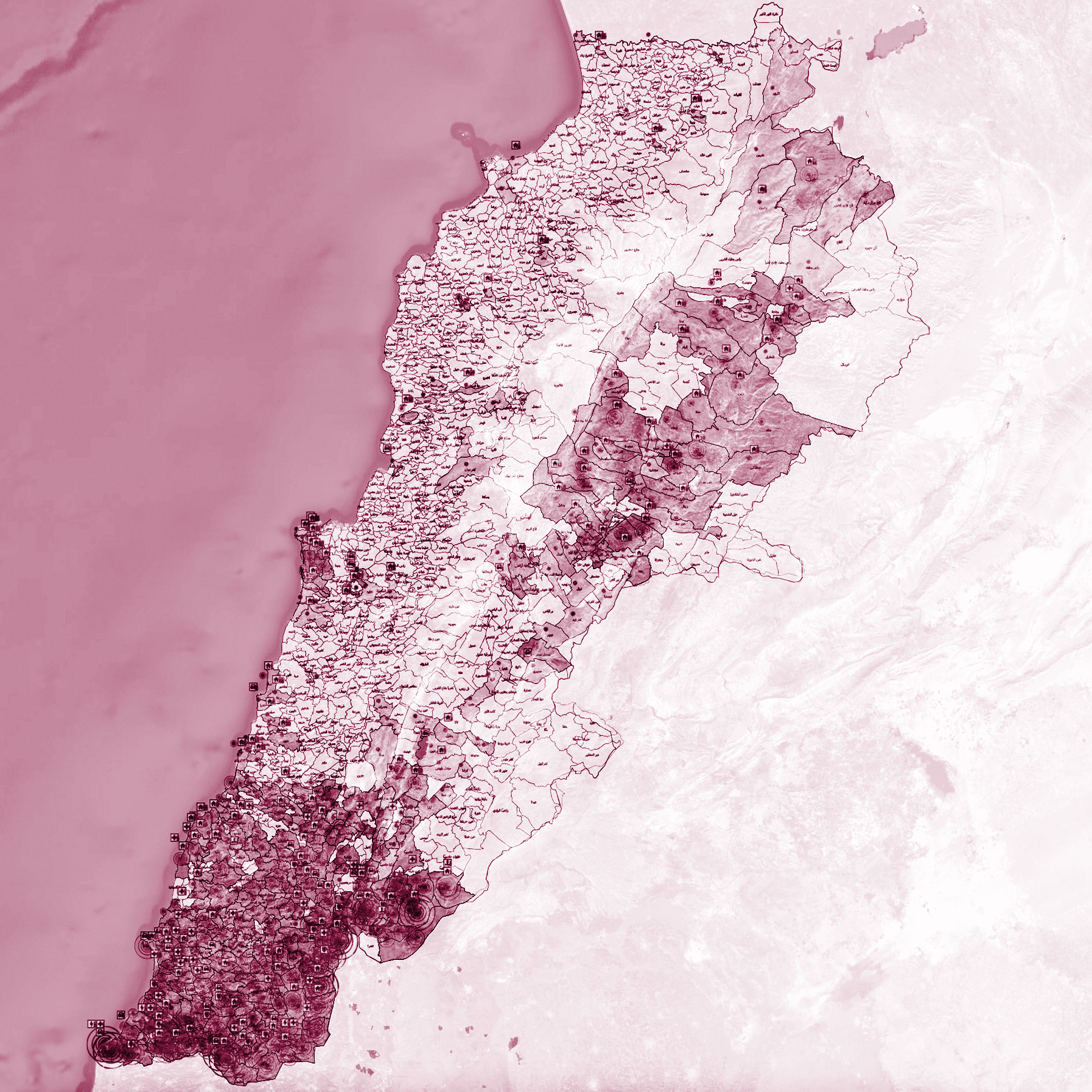
Four months after the ceasefire, Internal Security Forces halted reconstruction in several border villages due to permit requirements, raising concerns about the future of destroyed homes—whether licensed, unlicensed, or built on public property. Given the political significance of reconstruction in these areas, the state must facilitate and organize the reconstruction process in a way that protects people’s right to housing, meets their needs, and respects the urban identity of the regions, within the framework of resisting occupation.

 “100 dollars for rent or else…” The Khan Al-Askar project is outside the municipality’s accounts in terms of services, but it is present in the rent collection ledger

تهدد بلدية طرابلس بطرد سكان مشروع «إسكان قاطني وشاغلي خان العسكر»، في حالة عدم تمكنهم من دفع إيجار بقيمة 100 دولاراً، ممّا يعرّض للخطر حقّ السكن ل230 شخصاً يعيشون في مشروع الإسكان الشعبي.

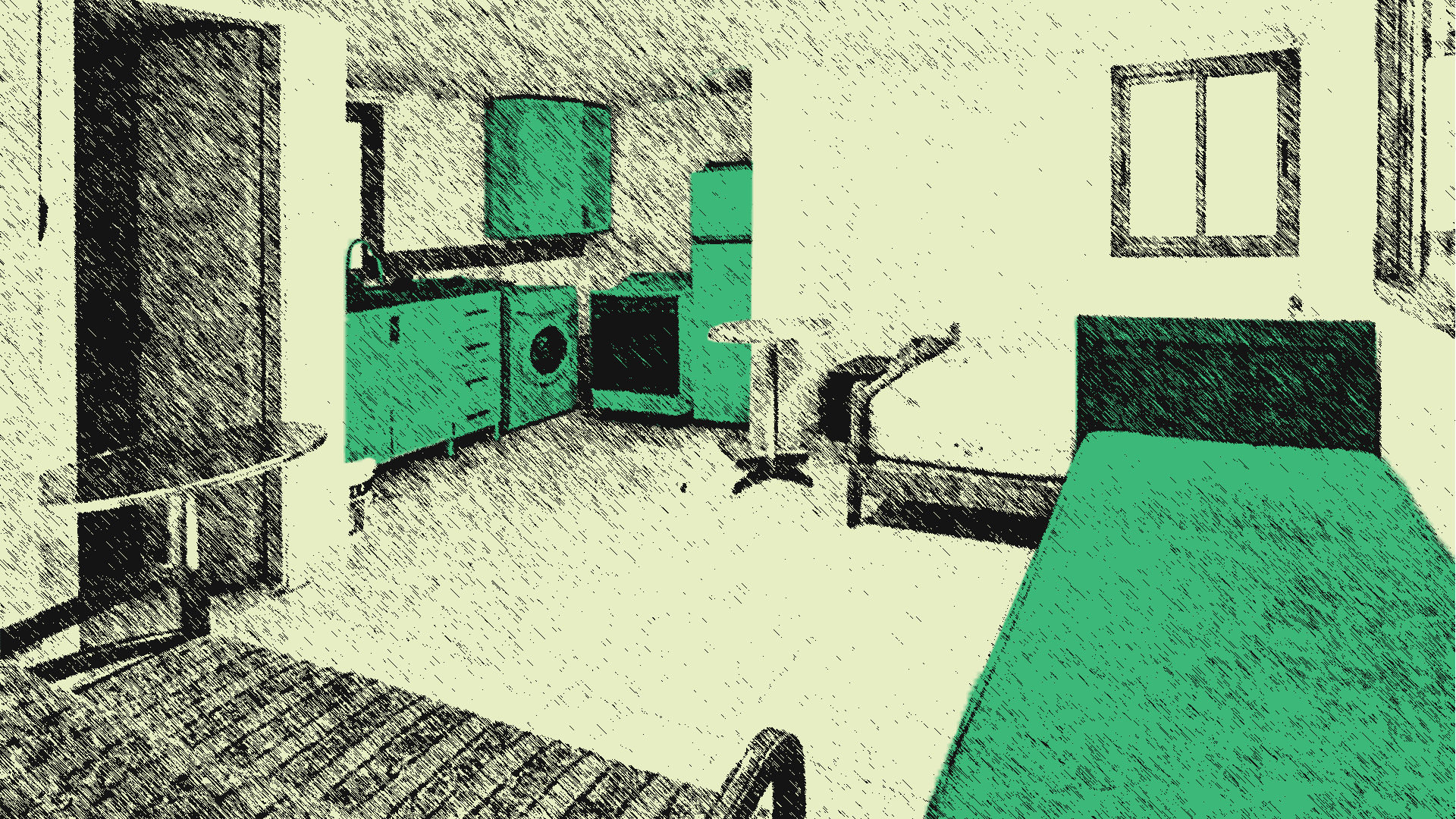
Who moved the kitchen to the bedroom?

Today, the use of kitchenettes in low income housing and student accommodation in Beirut, raises a question as to whether this is a victory for housing rights, or a way to jeopardize the tenant’s comfort and raise the profits of landlords.

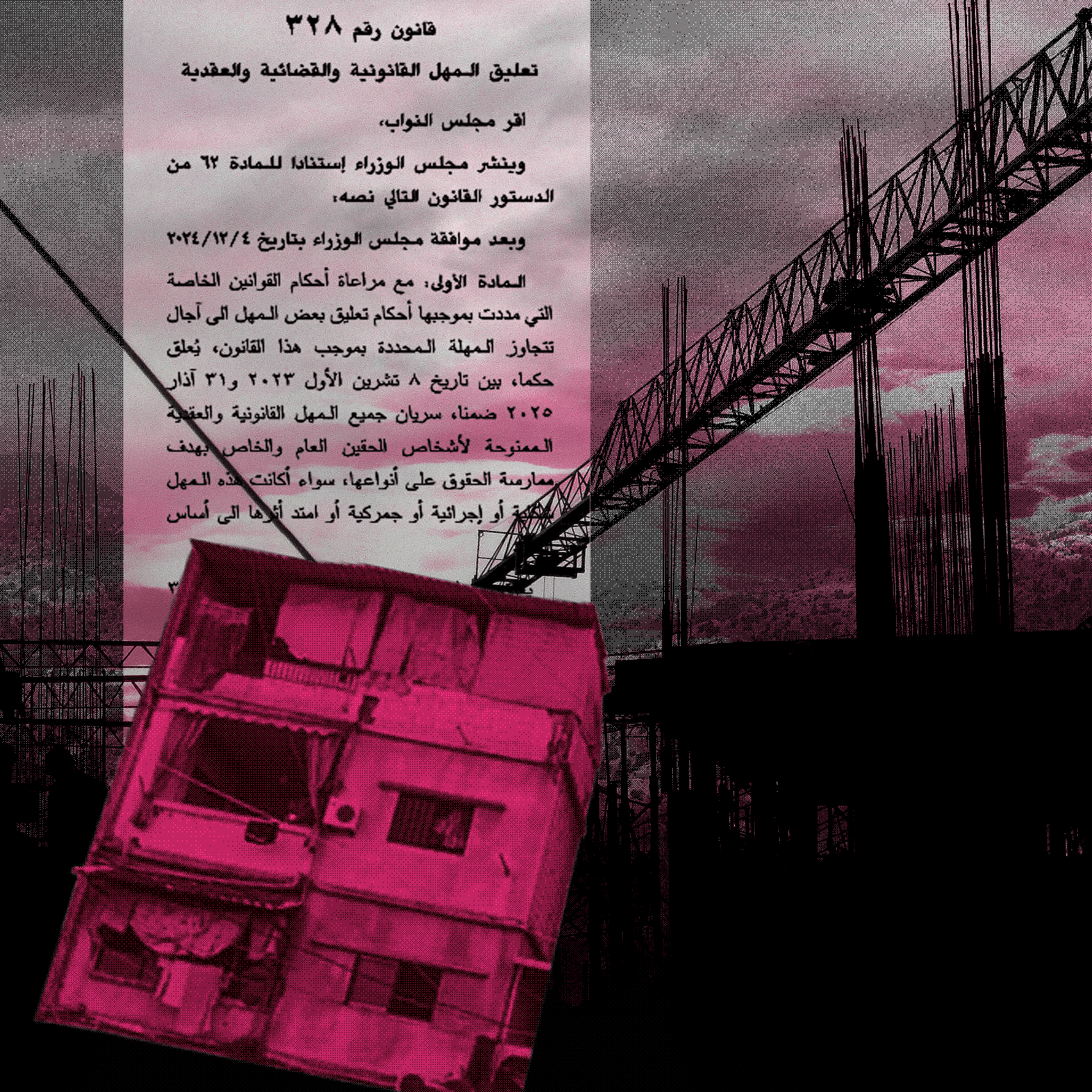
Enacting a law to extend rental contract deadlines: An insufficient measure to safeguard the right to housing

The Lebanese government’s new law suspends legal, judicial, and contractual deadlines to protect citizens’ rights during the Israeli aggression. However, concerns persist about its long-term effectiveness, especially regarding housing security and old rental tenants.

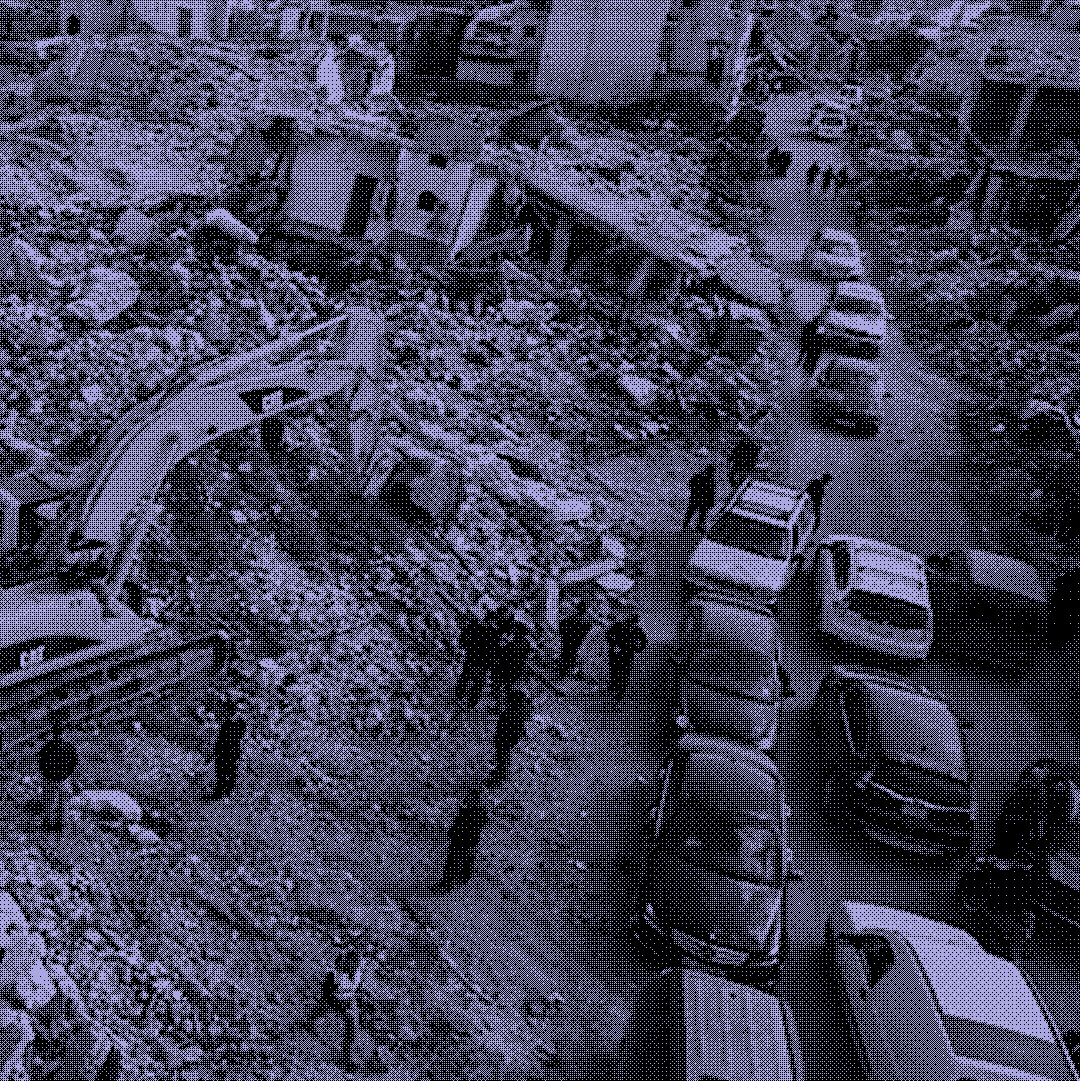
Squatting Vacant Buildings: A Report on the Illegality of Evictions During the War

During the Israeli war on Lebanon, the use of vacant buildings proliferated as a prominent way to access housing due to the lack of alternatives. In an attempt to understand these practices, this report documents the legal and political tools used for evictions and eviction threats in 3 case studies in Beirut, highlighting their illegitimacy. It also calls for challenging the criminalization of squatting, particularly during war, and emphasizes the role of these practices in restoring the social value of vacant buildings.

 The Reconstruction Draft Law repeats the Mistakes of the past:

Reviving destroyed villages can’t happen only through buildings

After a ceasefire was implemented in Lebanon on November 27, the Lebanese government held a special session on December 7 in the southern city of Tyre and approved a draft law for rebuilding homes destroyed by Israeli attacks, as they were before. Regardless of its immediate issues in terms of content, it appears that the proposed law does not address the previous or emerging challenges we are facing and risks repeating the mistakes of past failed reconstruction experiences.