The New Rent Law Threatens to Dissolve a Neighborhood: The Eviction of a Building in Burj Hammoud

In Burj Hammoud, old tenants face eviction from their decade-long homes as Lebanon’s old rent law nears its end. Their story reveals the legal gaps in law 2/2017 and how unaffordable rents threaten entire communities.

Tripoli Under Threat: Report on the Degradation of the Built Environment and a review of Mobilizing efforts towards Housing Rights

This report investigates the systemic deterioration of buildings in Tripoli, Lebanon, tracing how historical neglect, failed state policies, and the lived experiences of residents converge to fuel an escalating housing crisis. It offers a grounded overview of the community’s movement, organizational efforts, and resilience in the face of the destruction of their housing rights.

The Exemptions and Reconstruction Law: Not an Alternative to a Comprehensive National Plan

More than seven months after the ceasefire in Lebanon, on June 30, 2025, the Parliament passed the first law related to reconstruction in response to the Israeli war on Lebanon. Ultimately, the law is a limited step forward, highlighting the urgent need for a comprehensive national recovery plan for reconstruction.

The State’s Absence or its Presence in Absence: The Case of Basta Buildings Rehabilitation

The residents of Al-Maamoun Street in Basta endured an Israeli crime during its aggression on Lebanon, as devastating aerial raids on October 10 and November 23, 2024, caused significant casualties and widespread destruction. This text presents a rapid field study on the current renovation efforts in Basta by the NGO “Offre Joie”.

Periodic Renewal of New Occupancy Permits: Overlooking the Deterioration of the Existing Urban Fabric

The draft law to set the newly issued occupancy permit duration at ten years—renewable every five years to ensure the structural integrity of buildings and maintain public safety—while seemingly well-intentioned, overlooks the immediate danger posed by thousands of aging and structurally unsound structures and the effects of urban decay, and offers a narrow and insufficient response to Lebanon’s broader urban crisis.

Fencing the Playground: Erasing Public Space in Zokak el Blat

The abrupt fencing of a vital informal public space in Beirut’s Zokak el Blat neighborhood: Property 483, has become a potent symbol of social and political exclusion, directly challenging the ‘right to the city’ for Beirut’s residents.

The New rent Law: Active in Theory, Suspended in Practice

This article uses jurisprudence and legal opinions to argue that the2014 new rent law and its amendment in 2017 are inapplicable due to the absence of its essential implementation mechanisms. It highlights how courts and experts have affirmed the law’s current legal vacuum and its consequences on tenants’ rights.

Housing Challenges in the Post-War Period: What Is Happening?

The recent war exposed Lebanon’s fragile housing sector, creating urgent challenges like soaring rents, lack of temporary housing, and forced displacement of vulnerable groups. Without clear policies and inclusive strategies, reconstruction risks deepening inequalities and undermining the right to secure, dignified housing.

Investigating the Religious Land Endowments in Lebanon

Part 2 | The Lost Social Value of the Properties of Three Sects in Greater Beirut

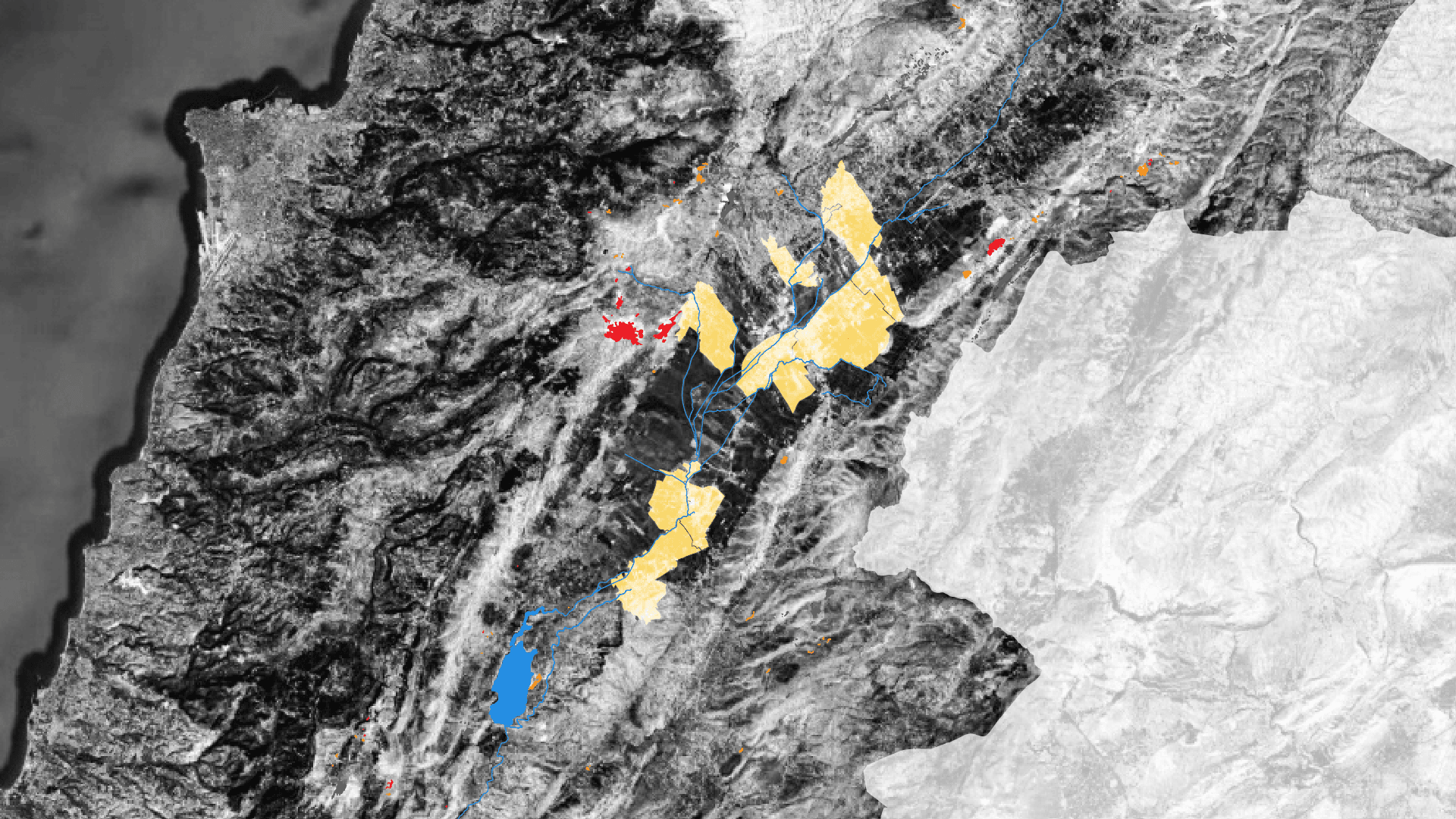
Amid Lebanon’s economic crisis, religious authorities have been excluded from the discussion on sharing the losses, despite being among the largest landowners and benefiting from tax breaks. In this context, it was necessary to conduct an in-depth study of religious endowment lands (waqf), highlighting their social value, placing them at the center of the wider conversation on the economic collapse, as well as shedding light on the needed regulation and taxation, and making the related data accessible as a basis for any future advocacy.

Investigating Religious Land Endowments in Lebanon

Amid Lebanon’s economic crisis, religious authorities have been excluded from the discussion on sharing the losses, despite being among the largest landowners and benefiting from tax breaks. In this context, it was necessary to conduct an in-depth study of religious endowment lands (waqf), highlighting their social value, placing them at the center of the wider conversation on the economic collapse, as well as shedding light on the needed regulation and taxation, and making the related data accessible as a basis for any future advocacy.

At the Expense of Tyre and Its Environment: The Army’s Investment Project Raises Questions around Exemption, Influence, and Justice

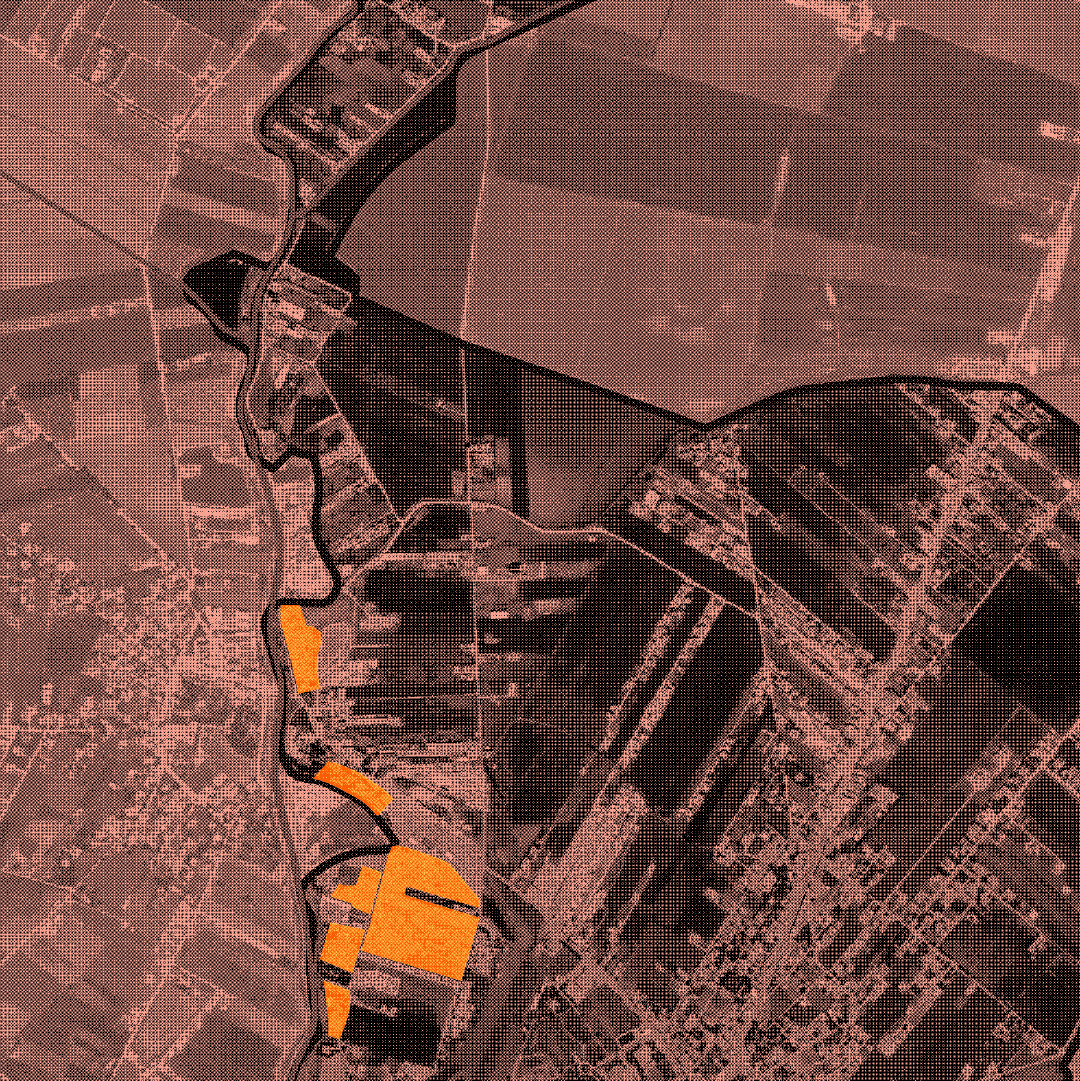
فيما تعمل مدينة صور جاهدةً على التعافي من الحرب وإعادة الإعمار، يقوم متعهد نافذ بتنفيذ مشروع استثماري لصالح وزارة الدفاع – وهو عبارة عن نادٍ للضباط ومجمّع تجاري – على أراضٍ مملوكة للدولة ومحاذية لمحمية صور الطبيعية. يثير هذا المشروع اعتراضات واسعة النطاق وتحديات قانونية بسبب توقيته وموقعه وتأثيراته البيئية المحتملة.

Why is there a need for a comprehensive housing right law and what are its objectives?

Lebanon’s housing crisis stems from decades of speculation, weak policies, and state withdrawal from housing responsibilities. This policy brief presents the case for a holistic and inclusive right to housing law, as the drafting phase of the proposal begins in collaboration with Legal Agenda. Rooted in principles of social justice and spatial equity, the proposed legislation outlines measures like the state’s role in regulating housing and providing social housing, protection against eviction and homelessness, and addressing precarities of residents of informal areas.