eviction

 The New Rent Law Threatens to Dissolve a Neighborhood: The Eviction of a Building in Burj Hammoud

In Burj Hammoud, old tenants face eviction from their decade-long homes as Lebanon’s old rent law nears its end. Their story reveals the legal gaps in law 2/2017 and how unaffordable rents threaten entire communities.

Periodic Renewal of New Occupancy Permits: Overlooking the Deterioration of the Existing Urban Fabric

The draft law to set the newly issued occupancy permit duration at ten years—renewable every five years to ensure the structural integrity of buildings and maintain public safety—while seemingly well-intentioned, overlooks the immediate danger posed by thousands of aging and structurally unsound structures and the effects of urban decay, and offers a narrow and insufficient response to Lebanon’s broader urban crisis.

The New rent Law: Active in Theory, Suspended in Practice

This article uses jurisprudence and legal opinions to argue that the2014 new rent law and its amendment in 2017 are inapplicable due to the absence of its essential implementation mechanisms. It highlights how courts and experts have affirmed the law’s current legal vacuum and its consequences on tenants’ rights.

Housing Challenges in the Post-War Period: What Is Happening?

The recent war exposed Lebanon’s fragile housing sector, creating urgent challenges like soaring rents, lack of temporary housing, and forced displacement of vulnerable groups. Without clear policies and inclusive strategies, reconstruction risks deepening inequalities and undermining the right to secure, dignified housing.

Investigating the Religious Land Endowments in Lebanon

Part 2 | The Lost Social Value of the Properties of Three Sects in Greater Beirut

Amid Lebanon’s economic crisis, religious authorities have been excluded from the discussion on sharing the losses, despite being among the largest landowners and benefiting from tax breaks. In this context, it was necessary to conduct an in-depth study of religious endowment lands (waqf), highlighting their social value, placing them at the center of the wider conversation on the economic collapse, as well as shedding light on the needed regulation and taxation, and making the related data accessible as a basis for any future advocacy.

Investigating Religious Land Endowments in Lebanon

Amid Lebanon’s economic crisis, religious authorities have been excluded from the discussion on sharing the losses, despite being among the largest landowners and benefiting from tax breaks. In this context, it was necessary to conduct an in-depth study of religious endowment lands (waqf), highlighting their social value, placing them at the center of the wider conversation on the economic collapse, as well as shedding light on the needed regulation and taxation, and making the related data accessible as a basis for any future advocacy.

Why is there a need for a comprehensive housing right law and what are its objectives?

Lebanon’s housing crisis stems from decades of speculation, weak policies, and state withdrawal from housing responsibilities. This policy brief presents the case for a holistic and inclusive right to housing law, as the drafting phase of the proposal begins in collaboration with Legal Agenda. Rooted in principles of social justice and spatial equity, the proposed legislation outlines measures like the state’s role in regulating housing and providing social housing, protection against eviction and homelessness, and addressing precarities of residents of informal areas.

 Imad Al-Hout Approaches the Social Crisis of Old Rent Contracts Through a Narrow Numerical Lens

In a few lines, Representative Imad Al-Hout seeks, by proposing a repeated accelerated law, to resolve the decades-old problem surrounding the old rent law, by setting a clear date for the entry into …

Displaced Persons and Returnees: Between Rising Rents and the Israeli Targeting of Prefabricated Homes

In the aftermath of the ceasefire, both the displaced and returnees are struggling to access affordable, suitable, and safe housing. Over 90,000 individuals remain displaced, with most relying on rental housing, where landlords have significantly inflated prices. Meanwhile, returnees continue to endure Israeli violations, with repeated attacks on prefabricated homes, further undermining return efforts. This crisis underscores the urgent need for state intervention to guarantee the right to adequate, affordable, and safe housing.

The Impact of the Israeli War on Lebanon: The Housing Crisis Worsens and Enters a New Phase

The Housing Monitor Annual Report | January 2024-January 2025

This 2024 Housing Monitor annual report examines the impact of war and political convergences on Lebanon’s housing crisis, highlighting mass displacement, rising rents, the exclusion of non-Lebanese residents, and forced evictions.

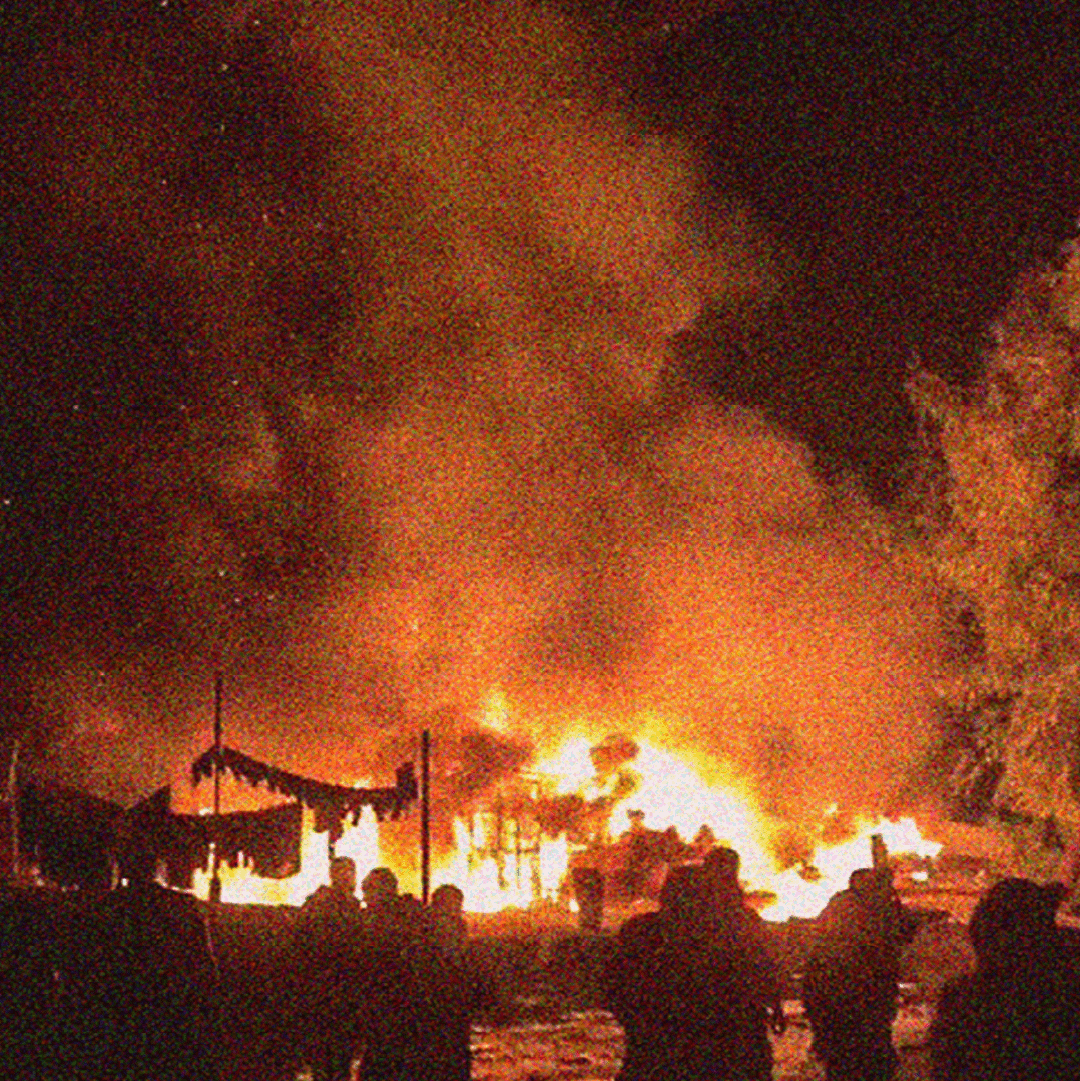
Incitement Before the Crime: Syrians Displaced and Homes Burned in Al-Aaqbiya

Syrian refugees in the Tariq al-Maslakh neighborhood of Al-Aaqbiyeh are facing escalating threats and attacks, leading to the forced displacement of dozens of families. Risks continue to rise amid growing incitement and official inaction.

Tripoli’s Municipality Demands Media Publicity in Exchange of Protecting Residents Lives

In Tripoli’s Qobbeh neighborhood, a dangerously deteriorating residential building housing 21 families faces the risk of collapse. Despite urgent warnings, the municipality has failed to intervene, stating that action will only be taken if the case becomes a matter of public concern and. gains public and media attention.