displacement

When the Emergency Plan Fails in Practice: A Critical Reading of Crisis Management

This report, produced after the ceasefire was announced, offers an evaluation and critique to the national emergency plan, highlighting its content flaws and execution failures based on field observations and the experiences of those impacted by the Israeli war.

How Sound Builds New Walls: Warscapes and the Safe City Map

The damage of the war was not limited to the residents of the targeted areas; its brutality extended to most of the Lebanese territories. The echoes of these attacks reached areas far from the bombing, as a result of the violation of the Lebanese skies by hostile Israeli warplanes and drones. This text is an attempt to explore sound as a war tool, used by the Israeli killing machine to support its war against us.

The Right to the city and to housing during wars

It is not possible to imagine a war that would displace one fifth of the population, destroying the suburb of Beirut as well as the country’s southern and eastern region, bombing Lebanon’s entire …

Shelter Distribution Reflects Religious, Class, and Regional Factors

Lebanon’s national emergency plan for mass displacement relied on shelters in schools located in safer areas, but their uneven geographic distribution created challenges, with many host towns and regions suffering from overcrowding. The imbalance, exacerbating regional inequality and pressure on infrastructure, underscored the need to a more equitable distribution of shelters.

Rent in times of Displacement: Draining people’s savings

Based on the current state of the rental market and an analysis of a sample of rental units, we question the possibility of completely abolishing rent at this stage, so that the displaced, who have lost their homes, livelihoods, and jobs due to the war, are not forced to exhaust their remaining savings to pay rent, but rather the state takes its responsibility to provide them with free shelter.

The blame game over shelter responsibilities is playing out in a car parking in Saida

For over a month, around 700 Syrian refugees displaced by Israeli airstrikes in southern Lebanon have been living in a parking lot in Saida City. Stranded without alternatives, their situation remained unresolved until the property owner’s influence and the protection of private property rights prompted officials to take action—not to find a solution, but to evict them, leaving their fate uncertain.

 About Abd el Baqi building in Hamra:

squatting to reclaim the city’s social role

The right to the city is an application of the right to ​​access housing and city spaces, through the recognition of the importance of the space’s social role. Today, a number of displaced people are trying to apply the concepts of the right to the city and housing by taking possession of an abandoned building in Hamra. About a month ago, the owner of the building sent an eviction request to the public prosecutor. The eviction didn’t take place, but by narrating the threat and the building’s story, we hope to open a discussion about squatting, the priorities that drive such an issue, and the balance of power it reveals, especially since squatting has become a necessity and a reality during the war.

May school in Tripoli: A Model of the Syrian Housing Tragedy during War

The emergency plan approved by the Lebanese government in response to the recent Israeli war on Lebanon excluded non-Lebanese displaced persons, especially Syrian refugees, from relief and shelter centers. In this report, we review the situation in May Public School in Tripoli as an example of the tragedy of Syrian housing in the war to highlight the urgent need for comprehensive shelter policies and protection for all displaced communities.

Displaced Syrians, between an emergency plan that excludes them and the UNHCR that ignores them

In Saida, 145 displaced Syrian families are living in a parking lot due to their exclusion from the relief response outlined in Lebanon’s emergency plan, which prioritizes Lebanese citizens. Both the municipality and the UNHCR are refusing to carry the responsibility for their shelter, with the UNHCR advising refugees to seek shelter elsewhere, leaving many homeless. This piece calls for the UNHCR to fulfill its responsibility by either establishing shelters for displaced Syrians or advocating for non-discriminatory access to shelter with the Lebanese government.

Eviction in the war: Protecting Private Property, the Case of Hildon Hotel

Once again, we document the story of an abandoned building, the “Hildon Hotel” in Raouche, where around 600 displaced people, fleeing the Israeli war, sought refuge. Though the hotel owner’s son initially allowed them to stay, he later demanded their eviction, forcing them to leave without alternative housing. This case highlights the urgent need for government intervention, calling for the use of vacant properties as temporary housing and ensuring evictions follow legal procedures with suitable alternatives provided.

The Right to Housing: Immediate Measures for Providing Equitable Shelter

By October 2024, over 1.3 million people had been displaced in Lebanon as a result of the Israeli war. Despite the urgent need for state-led relief, the government’s efforts have largely fallen short, …

Call regarding the Use of Public Spaces by Displaced Persons

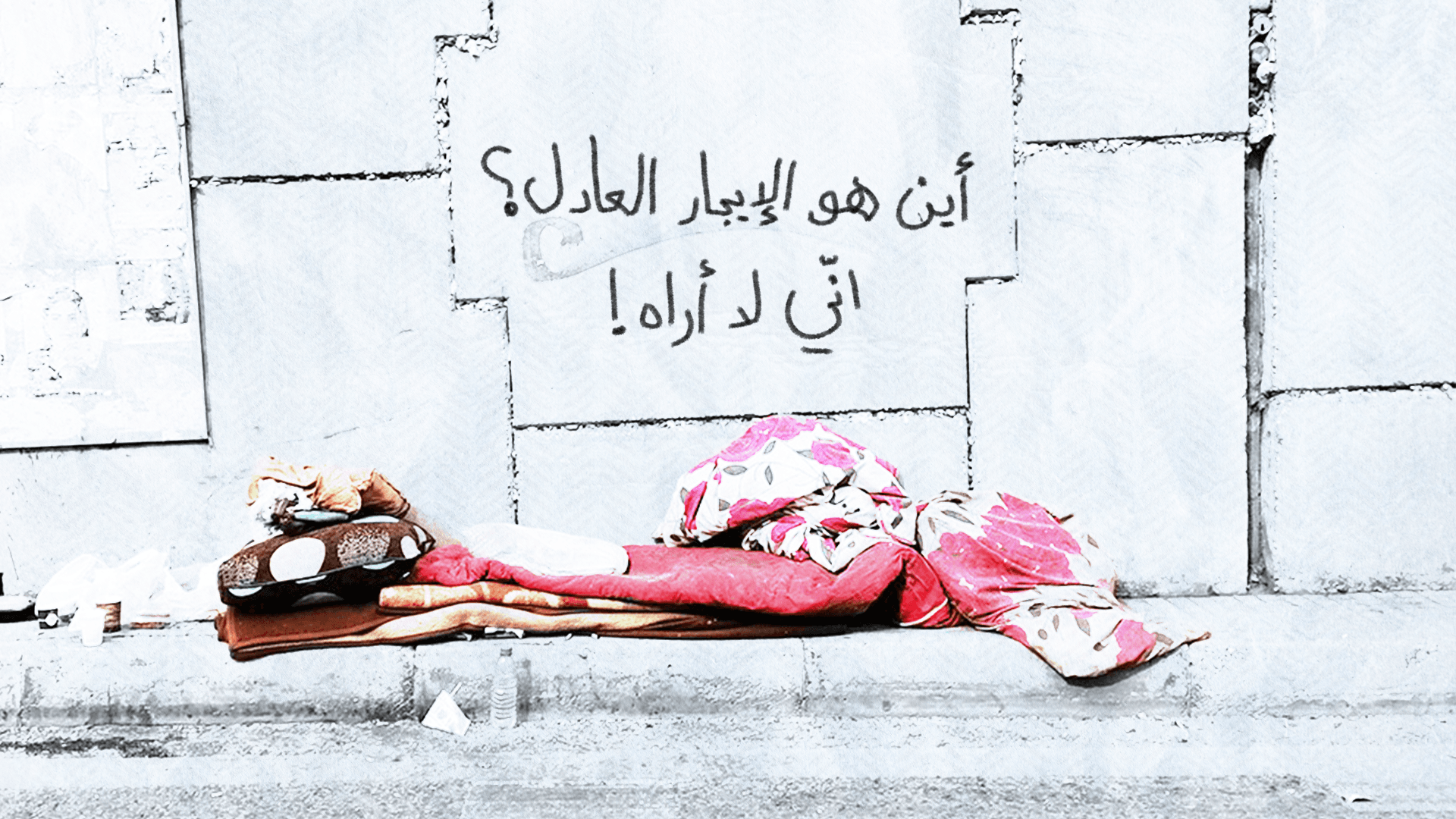
The statement addresses the issue of displaced persons occupying public spaces due to the ongoing war and a rapid increase in displacement. In the initial phases, many displaced individuals sought refuge in open …