Land Policies Observatory

What Do We Know So Far About Post-War Recovery in Lebanon?

Public Works Studio has been monitoring and analyzing post-war recovery in Lebanon since the ceasefire on 27 November 2024, focusing on reconstruction policies, financing, compensation, rubble removal, projects, and displacement. The goal is to create an open database to track developments, identify gaps, and support advocacy, participation, transparency, and policy improvements.

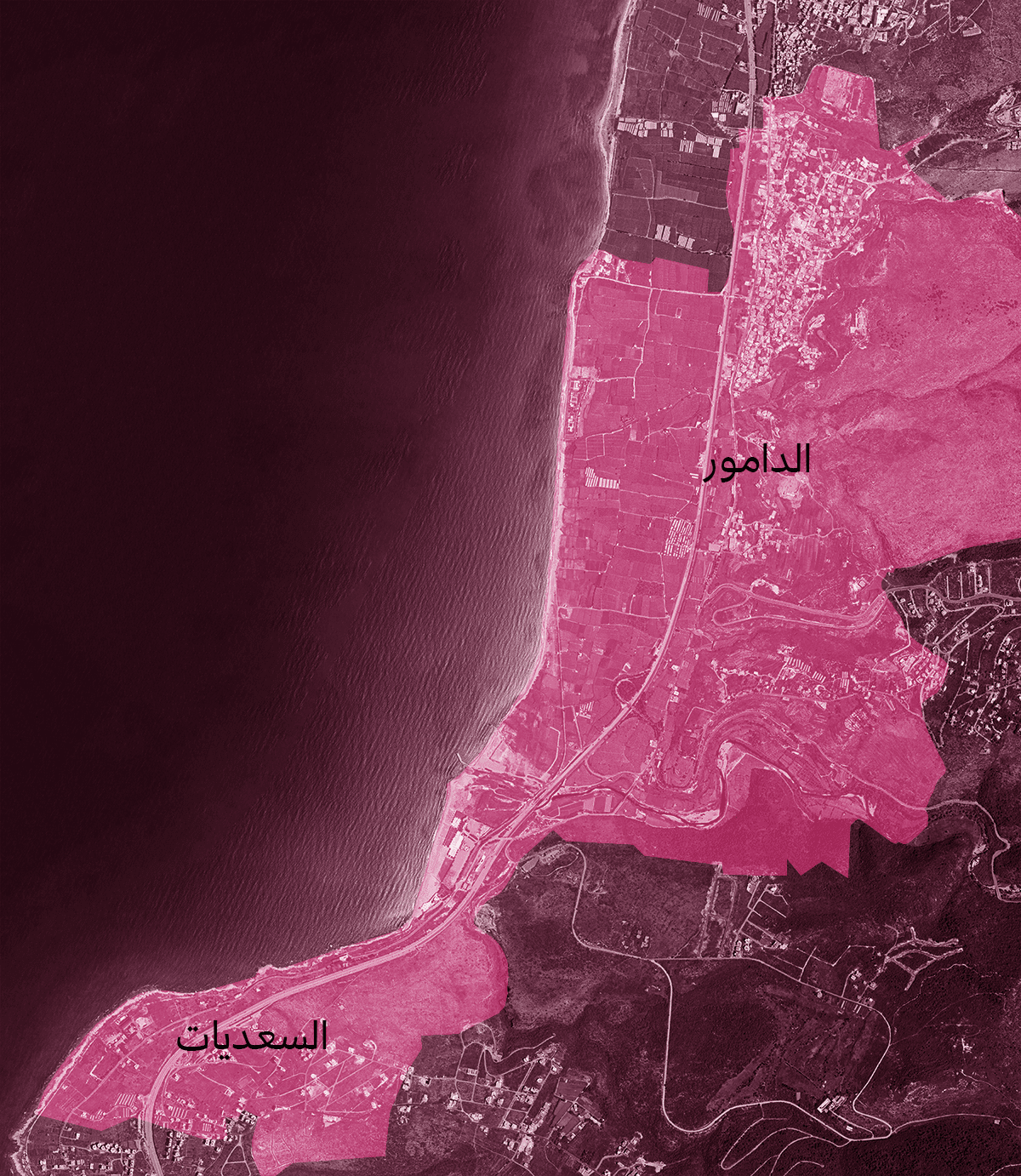
A law proposal to establish a separate cadastral zone for the municipality of Saadiyat, submitted by MP Bilal Abdullah, represents a pivotal point for a deeper discussion around the history of these areas and their evolving social boundaries. In the case of Damour and Saadiyat, the area became a symbol of the profound political crisis brought about by demographic changes in the Chouf coastal region, resulting from transformations and repeated waves of displacement to and from it.

The Exemptions and Reconstruction Law: Not an Alternative to a Comprehensive National Plan

More than seven months after the ceasefire in Lebanon, on June 30, 2025, the Parliament passed the first law related to reconstruction in response to the Israeli war on Lebanon. Ultimately, the law is a limited step forward, highlighting the urgent need for a comprehensive national recovery plan for reconstruction.

Periodic Renewal of New Occupancy Permits: Overlooking the Deterioration of the Existing Urban Fabric

The draft law to set the newly issued occupancy permit duration at ten years—renewable every five years to ensure the structural integrity of buildings and maintain public safety—while seemingly well-intentioned, overlooks the immediate danger posed by thousands of aging and structurally unsound structures and the effects of urban decay, and offers a narrow and insufficient response to Lebanon’s broader urban crisis.

 Imad Al-Hout Approaches the Social Crisis of Old Rent Contracts Through a Narrow Numerical Lens

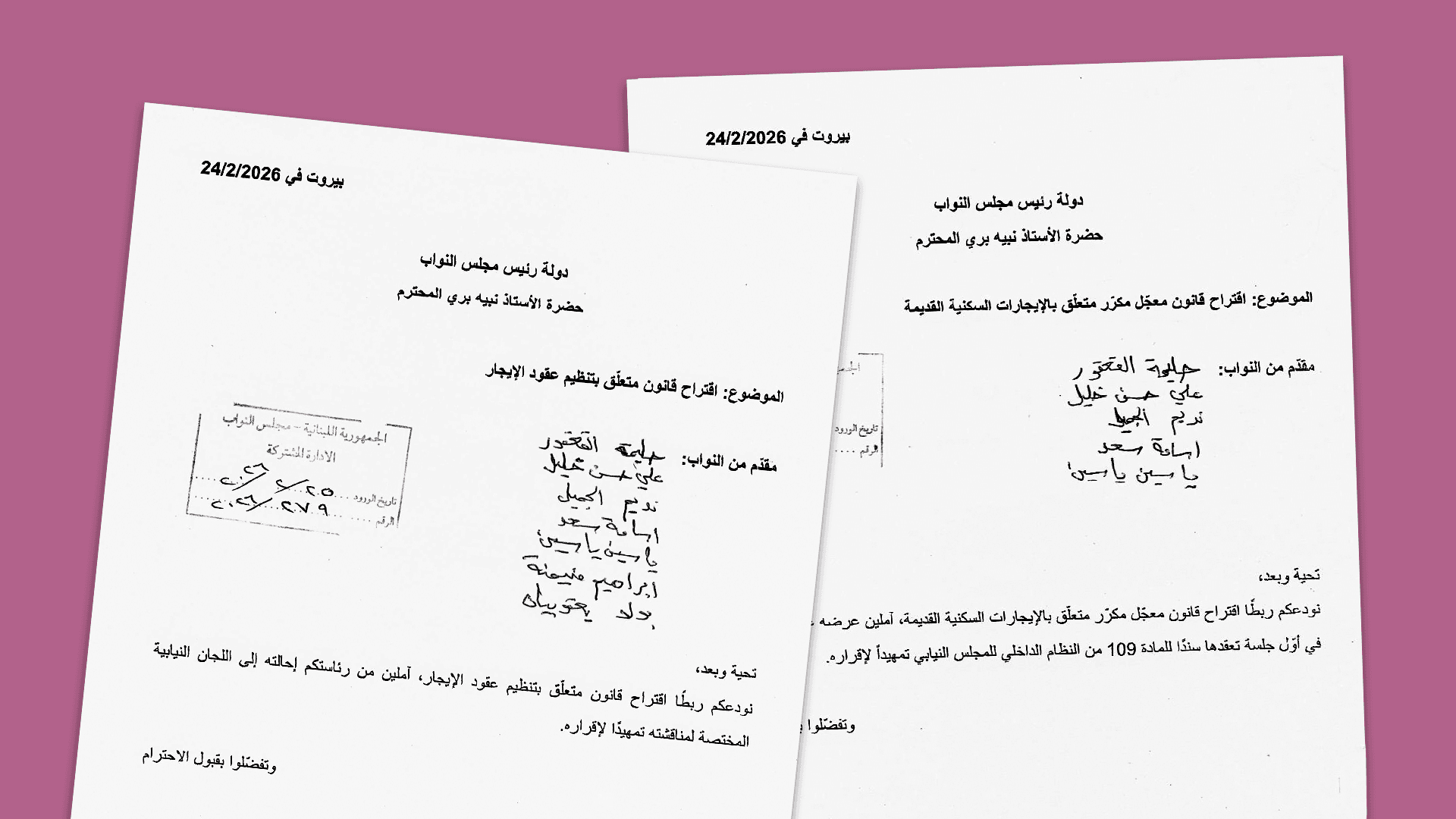
In a few lines, Representative Imad Al-Hout seeks, by proposing a repeated accelerated law, to resolve the decades-old problem surrounding the old rent law, by setting a clear date for the entry into …

Between Rubble Removal and Reconstruction: Will the Israeli Ecocide in Lebanon Continue?

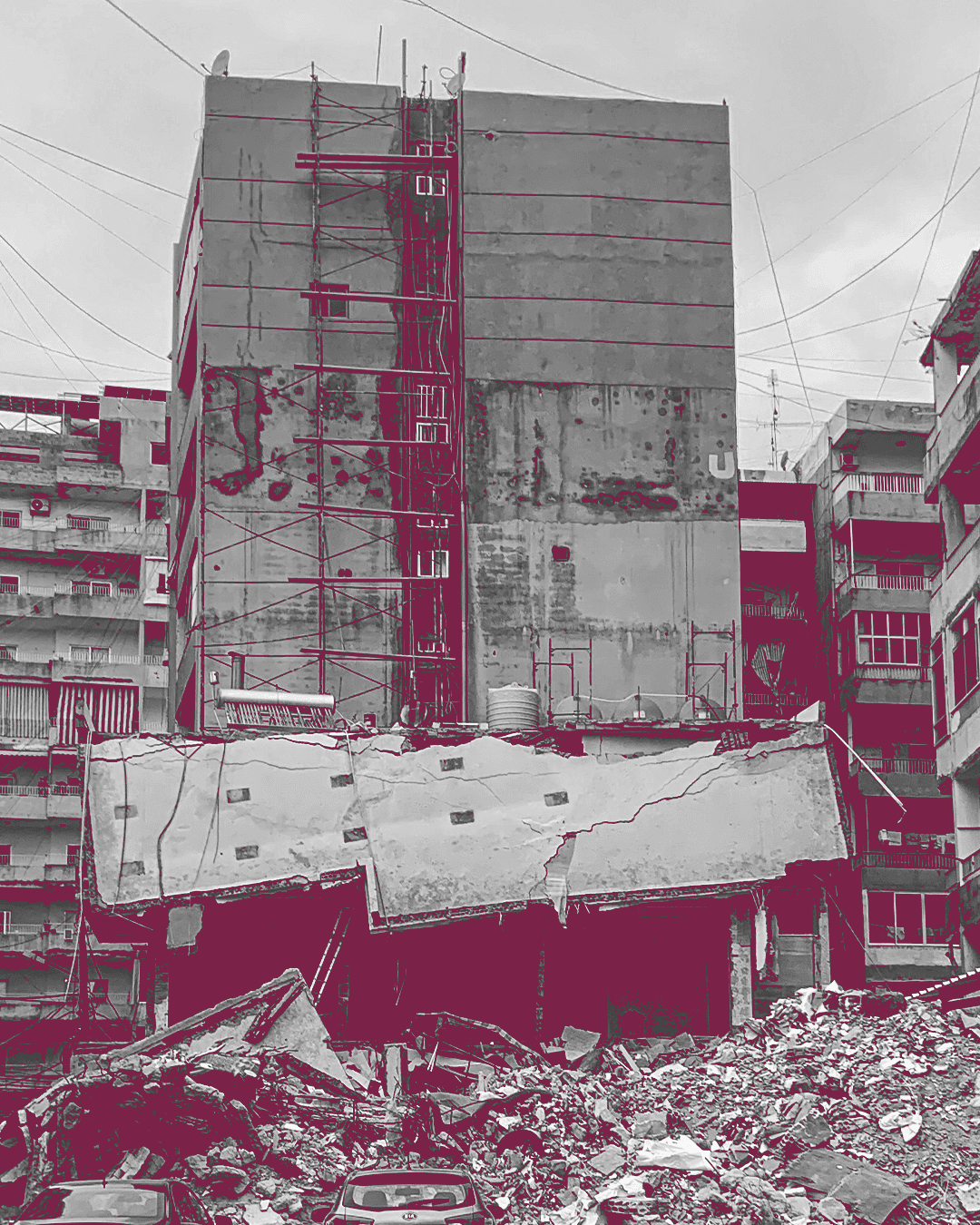
In the aftermath of Israel’s attacks, Lebanon struggles with both physical and environmental destruction. This report examines the state’s efforts in rubble removal, highlighting key gaps and necessary approaches for a sustainable recovery.

Uncovering the Informal Blueprint of cities in Lebanon

Tripoli | Beirut | Saida | Tyre

The map and article is not yet translated, refer to the Arabic version here.

The Independent Municipal Fund: How does the state distribute its shares without any studies?

In the last month of 2024, Decree 14492 was approved to distribute the revenues of the Independent Municipal Fund for the year 2022, which distributes shares to municipalities, based on a number of …

Distribution of Sunni, Orthodox, and Maronite Endowment Lands (Waqf) in Mount Lebanon and Beirut

The map and article is not yet translated, refer to the Arabic version here.

Enacting a law to extend rental contract deadlines: An insufficient measure to safeguard the right to housing

The Lebanese government’s new law suspends legal, judicial, and contractual deadlines to protect citizens’ rights during the Israeli aggression. However, concerns persist about its long-term effectiveness, especially regarding housing security and old rental tenants.

 The Reconstruction Draft Law repeats the Mistakes of the past:

Reviving destroyed villages can’t happen only through buildings

After a ceasefire was implemented in Lebanon on November 27, the Lebanese government held a special session on December 7 in the southern city of Tyre and approved a draft law for rebuilding homes destroyed by Israeli attacks, as they were before. Regardless of its immediate issues in terms of content, it appears that the proposed law does not address the previous or emerging challenges we are facing and risks repeating the mistakes of past failed reconstruction experiences.

When the Emergency Plan Fails in Practice: A Critical Reading of Crisis Management

This report, produced after the ceasefire was announced, offers an evaluation and critique to the national emergency plan, highlighting its content flaws and execution failures based on field observations and the experiences of those impacted by the Israeli war.