City Watch

Displaced Persons and Returnees: Between Rising Rents and the Israeli Targeting of Prefabricated Homes

In the aftermath of the ceasefire, both the displaced and returnees are struggling to access affordable, suitable, and safe housing. Over 90,000 individuals remain displaced, with most relying on rental housing, where landlords have significantly inflated prices. Meanwhile, returnees continue to endure Israeli violations, with repeated attacks on prefabricated homes, further undermining return efforts. This crisis underscores the urgent need for state intervention to guarantee the right to adequate, affordable, and safe housing.

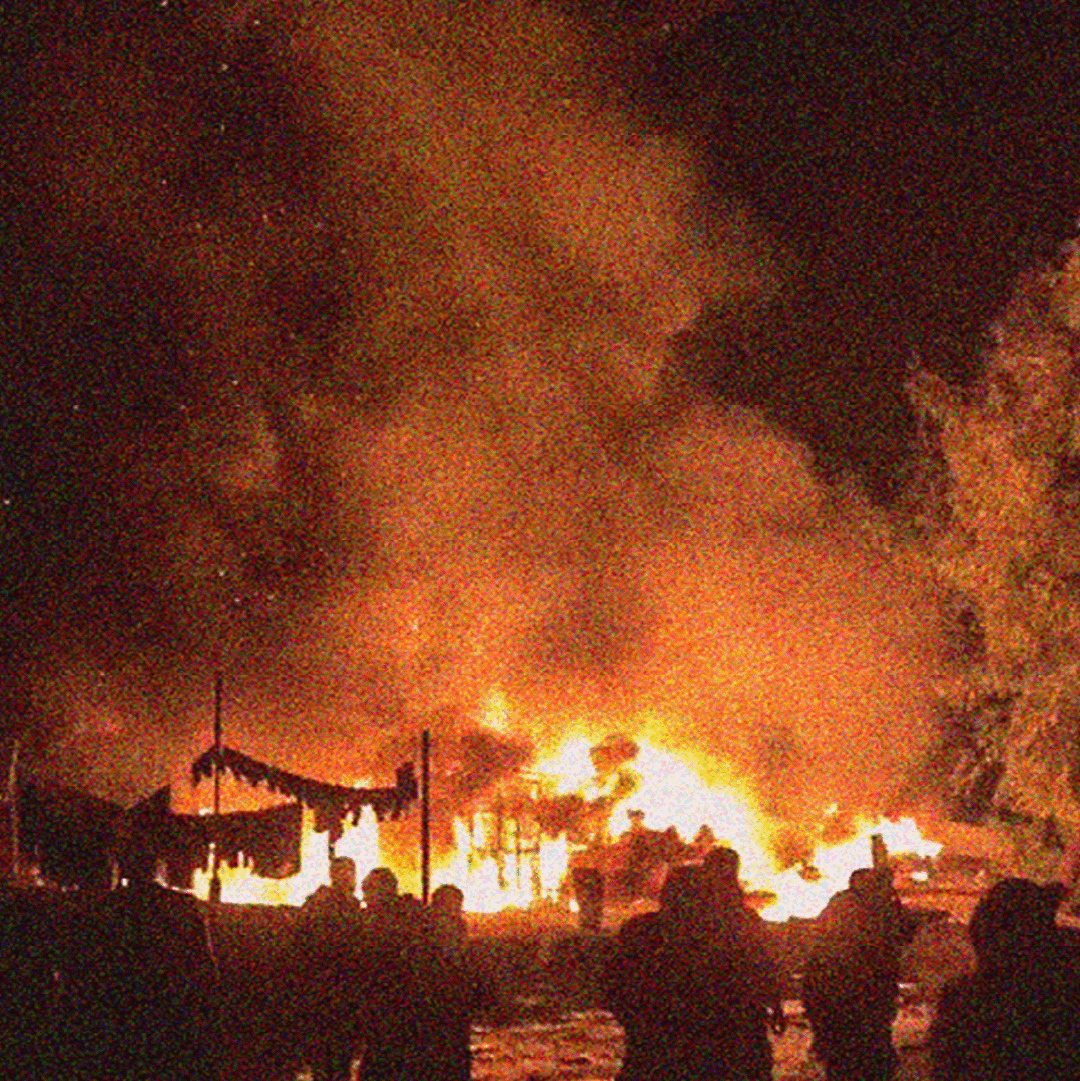
Incitement Before the Crime: Syrians Displaced and Homes Burned in Al-Aaqbiya

Syrian refugees in the Tariq al-Maslakh neighborhood of Al-Aaqbiyeh are facing escalating threats and attacks, leading to the forced displacement of dozens of families. Risks continue to rise amid growing incitement and official inaction.

Tripoli’s Municipality Demands Media Publicity in Exchange of Protecting Residents Lives

In Tripoli’s Qobbeh neighborhood, a dangerously deteriorating residential building housing 21 families faces the risk of collapse. Despite urgent warnings, the municipality has failed to intervene, stating that action will only be taken if the case becomes a matter of public concern and. gains public and media attention.

 The Reconstruction Process Between the Law, Ownership status, and people’s Return 

Four months after the ceasefire, Internal Security Forces halted reconstruction in several border villages due to permit requirements, raising concerns about the future of destroyed homes—whether licensed, unlicensed, or built on public property. Given the political significance of reconstruction in these areas, the state must facilitate and organize the reconstruction process in a way that protects people’s right to housing, meets their needs, and respects the urban identity of the regions, within the framework of resisting occupation.

Encroachment on Public Property in Al-Qleileh: Legitimizing Legal and Environmental Violations

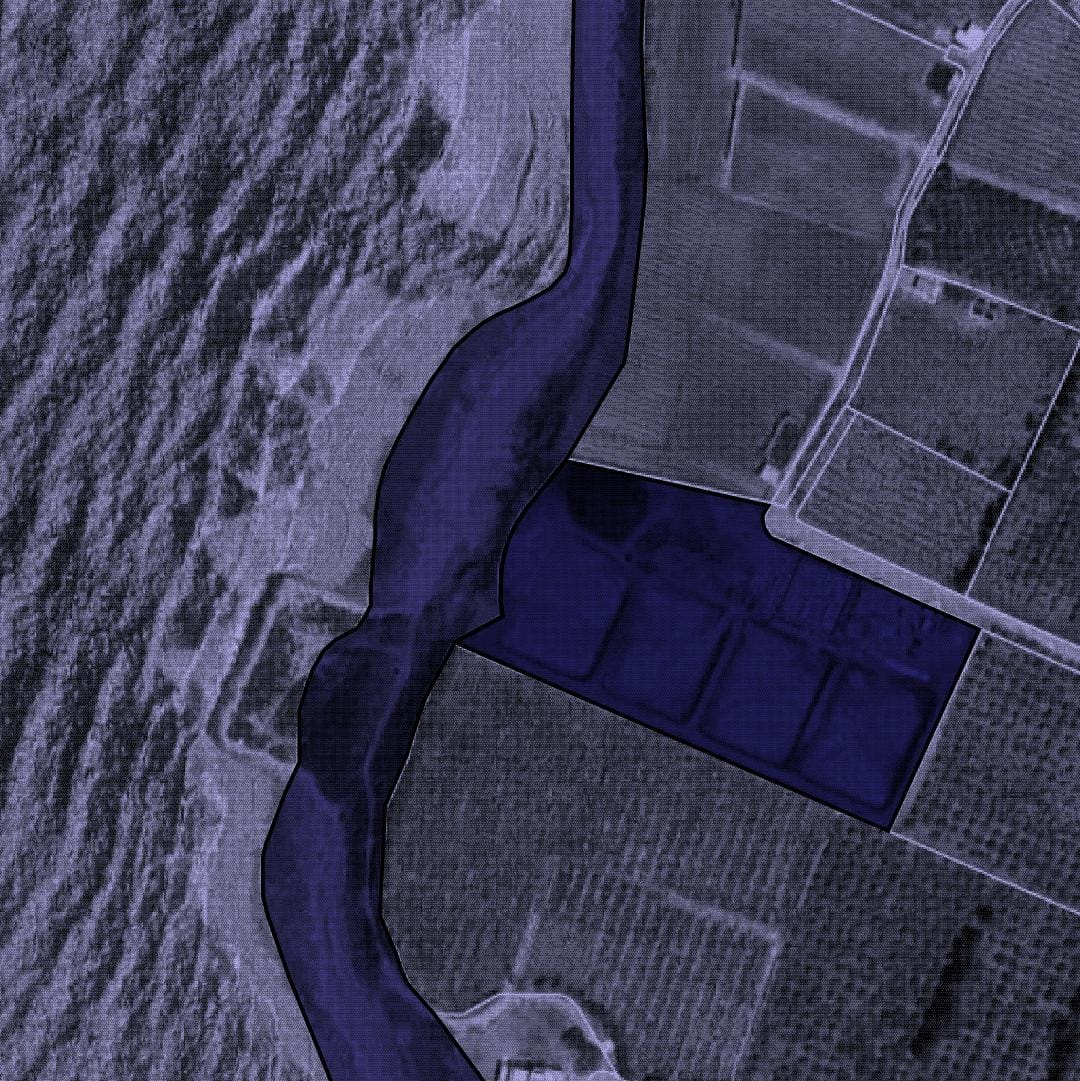
Shortly before leaving office, the Mikati government approved Decree No. 14620, dated January 16, 2025, which grants a private company concession rights to 14,560 square meters of public maritime domain adjacent to property …

Evacuation and demolition of shops in Burj al-Barajneh: a struggle between Planning and Social Marginalization

In January 2025, the Burj al-Barajneh municipality, backed by the Lebanese army and security forces, evicted and demolished informal shops, sparking resident protests. While the municipality claimed it was reclaiming public land, its move suggests an attempt to control the area’s informal economy.

 “100 dollars for rent or else…” The Khan Al-Askar project is outside the municipality’s accounts in terms of services, but it is present in the rent collection ledger

تهدد بلدية طرابلس بطرد سكان مشروع «إسكان قاطني وشاغلي خان العسكر»، في حالة عدم تمكنهم من دفع إيجار بقيمة 100 دولاراً، ممّا يعرّض للخطر حقّ السكن ل230 شخصاً يعيشون في مشروع الإسكان الشعبي.

The need for policies to protect heritage buildings: Buildings threatened with collapse in Basta

Following the evacuation of the inhabitants, two listed buildings are threatened with demolition, apparently as a result of deliberate negligence by the owners, as well as Israeli raids during the last war. This issue is not merely the destruction of unsafe buildings, but a clear example of the complexities of the issue of neglected heritage buildings and the institutional failures in its management. It also opens the door to fundamental questions about how to reconcile the preservation of public safety with the preservation of historical legacy, and how to protect the most vulnerable groups who inhabit these buildings, in the face of owners’ expectations for material gain.

The website of the Directorate General of Urban Planning: An Incomplete Step Toward Transparency

On January 31, the website of the Directorate General of Urban Planning was launched, with the aim of enhancing transparency and facilitating access to information. While this is seen as a long-awaited move toward transparency and accountability, it is considered incomplete and does not absolve the Directorate of its core responsibilities.

 In Bir Hassan, Eviction After Displacement, Under the Pressure of Real Estate Development, and the Pretext of Protecting the Safety of Residents

After a long history of threatening families displaced by the Lebanese Civil War with eviction from a residential building in Bir Hassan under the pretext of being “illegal occupants,” and following failed negotiations, …

The blame game over shelter responsibilities is playing out in a car parking in Saida

For over a month, around 700 Syrian refugees displaced by Israeli airstrikes in southern Lebanon have been living in a parking lot in Saida City. Stranded without alternatives, their situation remained unresolved until the property owner’s influence and the protection of private property rights prompted officials to take action—not to find a solution, but to evict them, leaving their fate uncertain.

Three Million Euros to Rehabilitate the Mar Mikhael Station:

An Opportunity to Utilize Vacant State Properties for Wartime Needs.

مع استمرار العدوان الإسرائيلي، يزداد النزوح في لبنان بشكل سريع، ممّا يؤدي إلى كثافة عالية في مراكز الإيواء الرسمية. العديد من النازحين مضطرون للبقاء في العراء أو في سياراتهم، بينما تبقى أملاك الدولة شاغرة. تشير بيانات وزارة المالية إلى وجود 1285 عقاراً ملك الدولة في بيروت، مما يوفر فرصة لإيواء النازحين إذا تم إدراجها في خطة الطوارئ. من بين هذه الأملاك، تعتبر محطة قطار مار مخايل موقعاً مناسباً، خصوصاً بعد تلقّي الحكومة مؤخراً هبة إيطالية بقيمة 3.15 مليون يورو لإعادة تأهيلها.