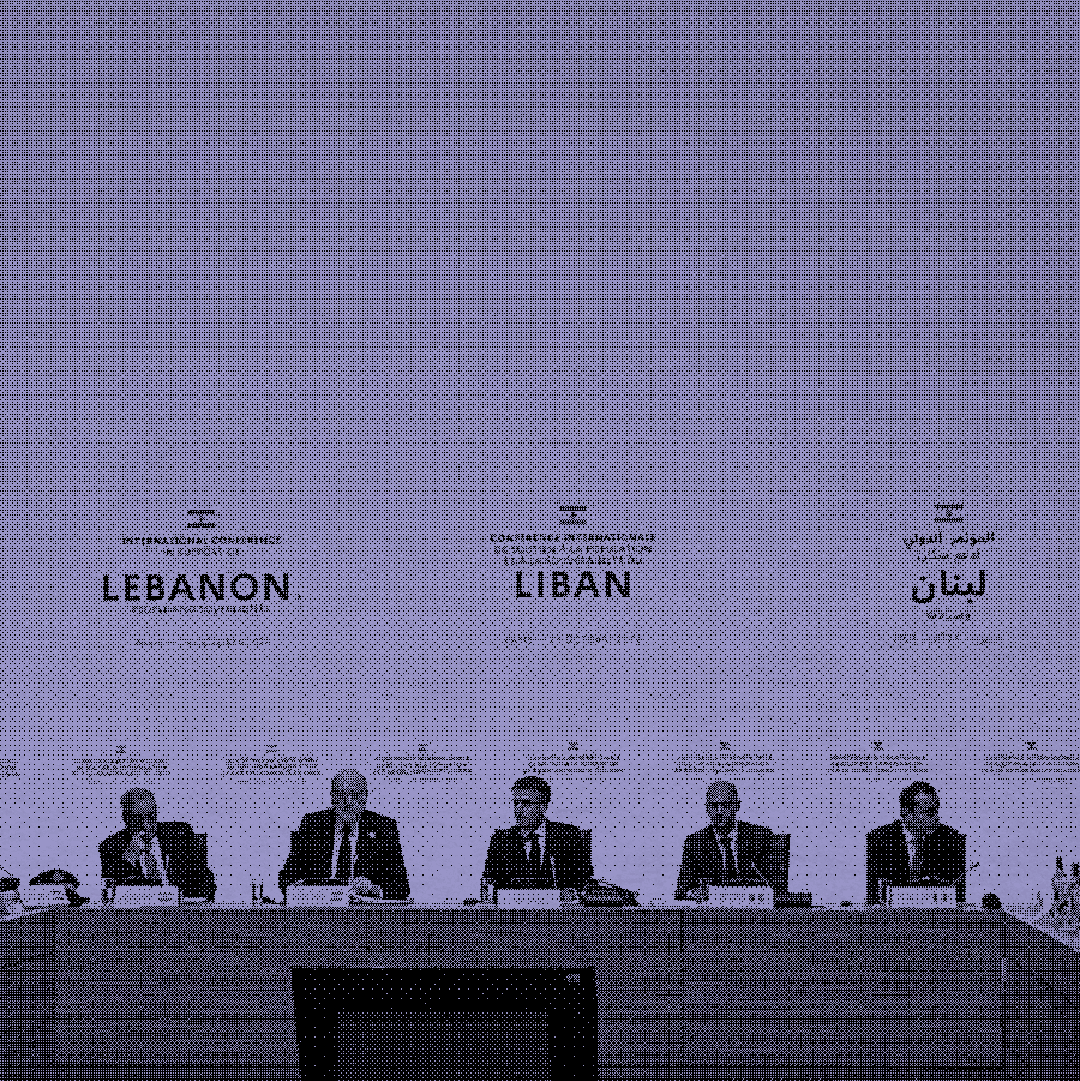
International Conference to Support Lebanon: Prioritizing Transparency

France will host an international conference on October 24 to raise $1 billion for Lebanon’s urgent humanitarian needs, infrastructure repairs, and ceasefire negotiations. An earlier appeal raised only 15.1% of the $426 million needed for displaced people. There is a strong need for transparency in aid distribution and political action to address the root causes of Lebanon’s crisis, particularly the Israeli occupation.
Security forces threaten displaced women in the Hamra area with violence and eviction from a vacant building

What measures should the authorities take when vacant buildings are occupied by displaced people due to the war?

After the Zionist escalation of civilian homes, Lebanese families were displaced from the Bekaa, the southern suburb and the south, sheltering inside the Hamra Star building on property 70, which had been vacant …

Call regarding the Use of Public Spaces by Displaced Persons

The statement addresses the issue of displaced persons occupying public spaces due to the ongoing war and a rapid increase in displacement. In the initial phases, many displaced individuals sought refuge in open …

How the Zionist colonization derives its tools from European colonization

This is the second article in the open dossier in which we look at Gaza not only as a people of resistance, but as a fighting place in its own right, through its existence, its regions, and its history. After the first article in which Ghayad discussed Gaza’s neighborhoods, landmarks, and the political value of spatial annihilation, she delves into the meaning of the expression “a land without a people for a people without a land.”

Unequal Distribution of Shelters: Undermining Shared Social Responsibility

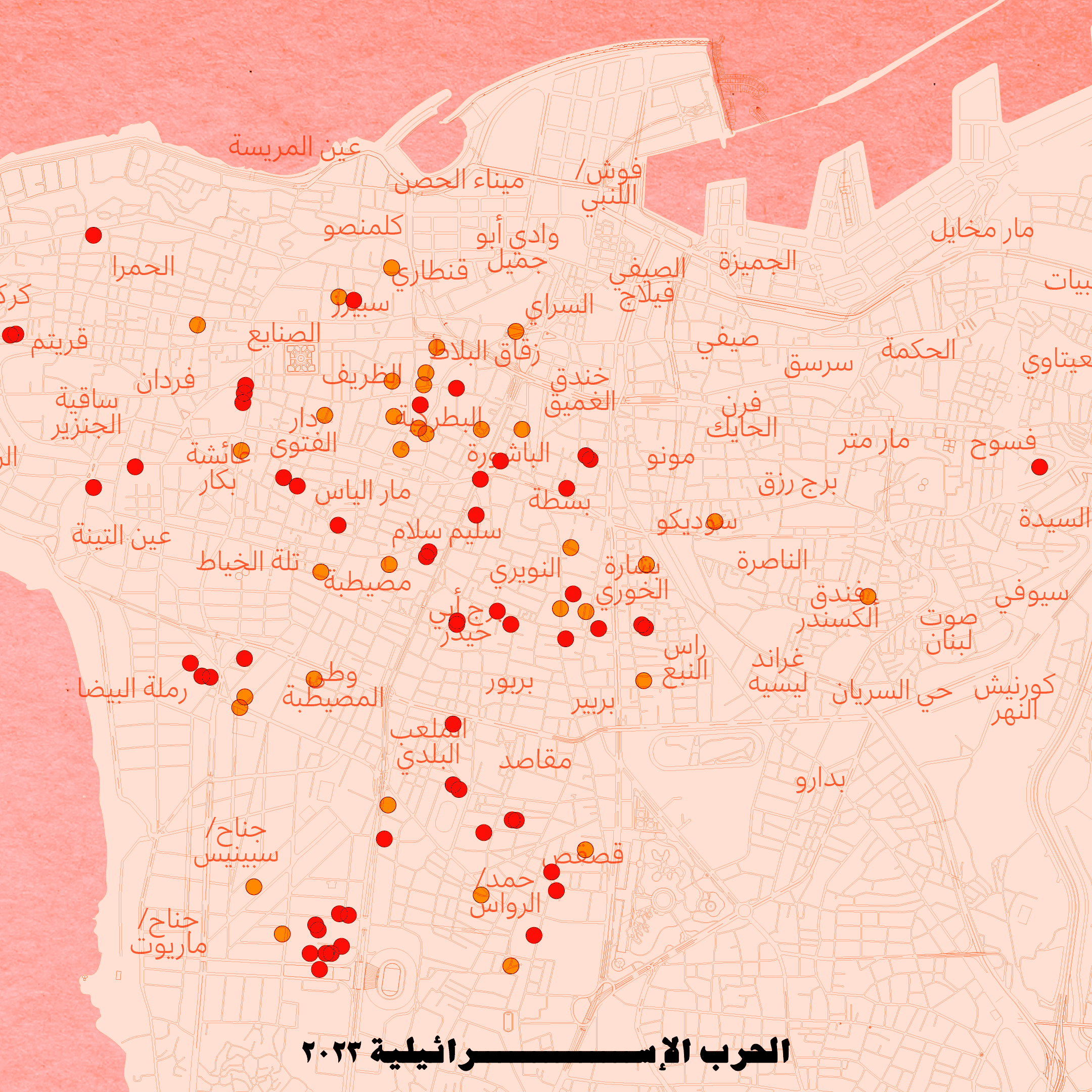
Beirut has 114 designated shelters for displaced individuals, including public schools, private educational centers, and other facilities. These shelters are housing around 40,000 displaced people, mostly in crowded areas like Mazraa, Ras Beirut, …

On the state’s responsibility in facing the effects of war

In light of the Israeli aggression that has relentlessly destroyed our cities and villages, the state’s crisis is worsening in its failure to fulfill its responsibilities towards the displaced and targeted, which constitutes …

Urgent World Habitat Day Appeal: End Israeli Occupation and Criminalise Domicide

Global Crisis of Housing Rights Violations in Palestine and Lebanon

As the United Nations marks World Habitat Day on October 7, we are encouraged to “reflect on the state of towns and cities, and on the basic right of all to adequate shelter.” …

The displaced bring life back to a vacant building on Jeanne d’Arc Street

فُتح مبنى خالِ في شارع جان دارك لاستقبال النازحين جرّاء الحرب الإسرائيلية. إلّا أن الإعلام ضجّ استنكاراً لما اعتبره تعدٍ على الأملاك الخاصة وحقوق كبار رجال الأعمال، بدلاً من الاحتفال بتحويل الشقق الفارغة التي بُنِيَت على أنقاض النسيج العمراني الاجتماعي للأحياء، إلى مساكن تلعب دورها الاجتماعي الحقيقي في تأمين المأوى خاصة في أوقات الحرب والأزمات.

 Horsh Beirut Closed Again

On July 24, 2024, the Beirut Governor approved the closure of Horsh Beirut only allowing the entry of visitors who obtain prior permission. This illegal closure is nothing but a confirmation of the state’s failure to open, manage, and guard municipal parks and enhance their role as public spaces open to all residents of the city.

Kousba and the Beast:

The story of a municipality forcefully evicting Syrian refugees and preventing the Lebanese residents from protecting them

This narrative features Nermine, a 70 y.o lebanese woman, as she struggles to defend her tenants of 13 years, Fadi his wife and their child, from the municipality’s attempts to forcibly evict them …

Master-Planning in Lebanon: Manufacturing Landscapes of Inequality

How is urban planning practiced in Lebanon? What is the motive behind issuing master plans? And in what way do these plans violate fundamental rights? We tried during the years 2017 and 2018 …

They No Longer See the Land, but Square Meters

The first in a series of independent short films based on the research project “Master-Planning in Lebanon: Manufacturing Landscapes of Inequality”. It looks into the inevitable result of policies relying on commodifying and financializing the land, a permanent loss on all levels – physical, social, private and intimate.