
What Do We Know So Far About Post-War Recovery in Lebanon?
Public Works Studio has been monitoring and analyzing post-war recovery in Lebanon since the ceasefire on 27 November 2024, focusing on reconstruction policies, financing, compensation, rubble removal, projects, and displacement. The goal is to create an open database to track developments, identify gaps, and support advocacy, participation, transparency, and policy improvements.
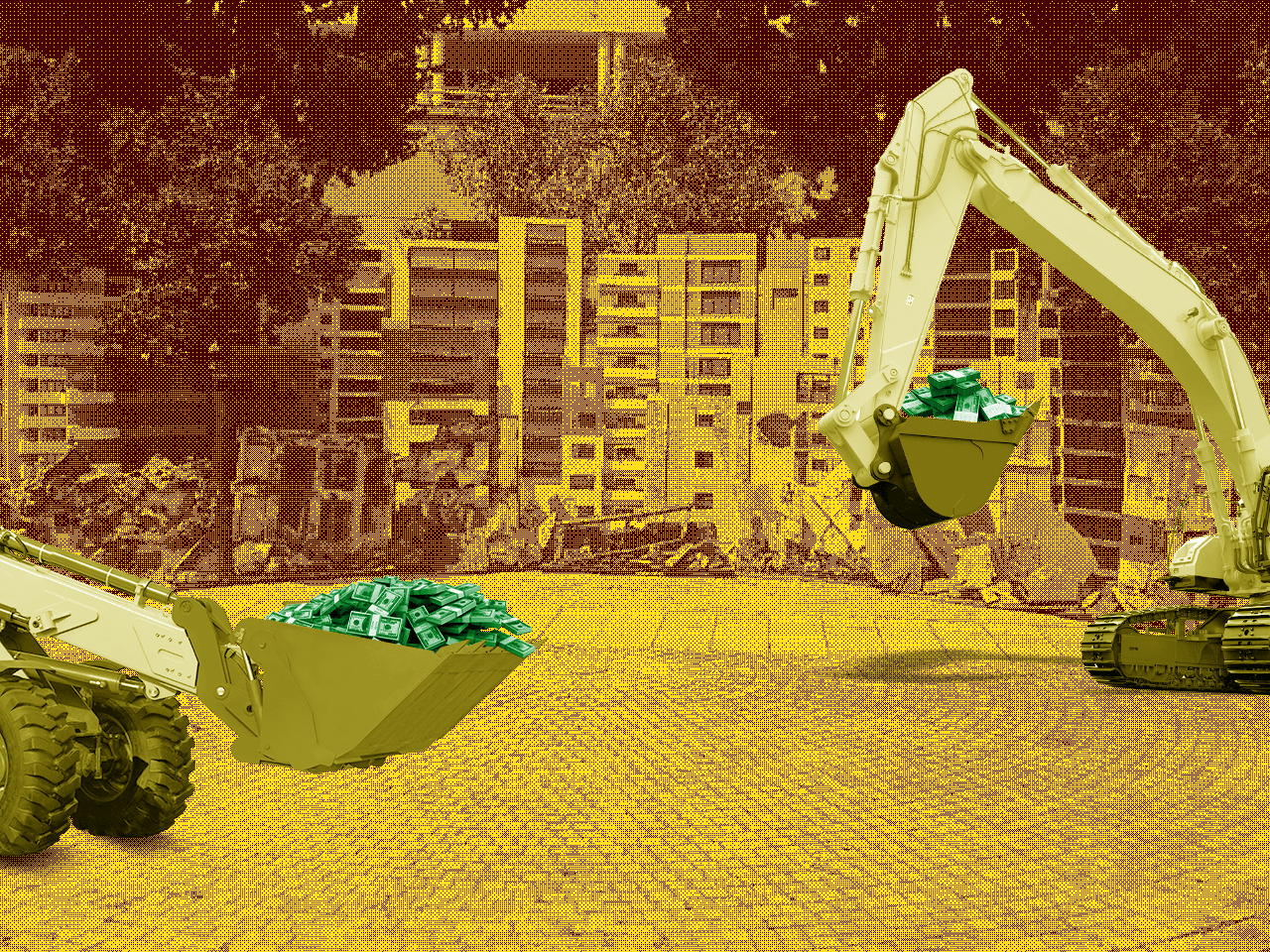
Beirut, the Confiscated City:
From Privatizing the Waterfront to Expelling the Displaced
This commentary examines Decree No. 5665/1994, which transferred approximately 291,800 square meters of reclaimed public maritime land in central Beirut to Solidere as part of the post-war reconstruction process. It revisits the decree in light of the ongoing governmental debate over extending the company’s mandate and the eviction of displaced families from the BIEL waterfront, questioning its impacts on public property, Beirut’s waterfront, and the right to the city.