In parallel with this report, we are also publishing a report on the Monitor’s legal and community interventions that were developed with the purpose of protecting the housing rights of callers documented here. …
In this article, we delve into the texts of laws, decrees, and records from the Ministry of Finance. Our aim is to shed light on the nature of public property, its geographical distribution, and its social significance.
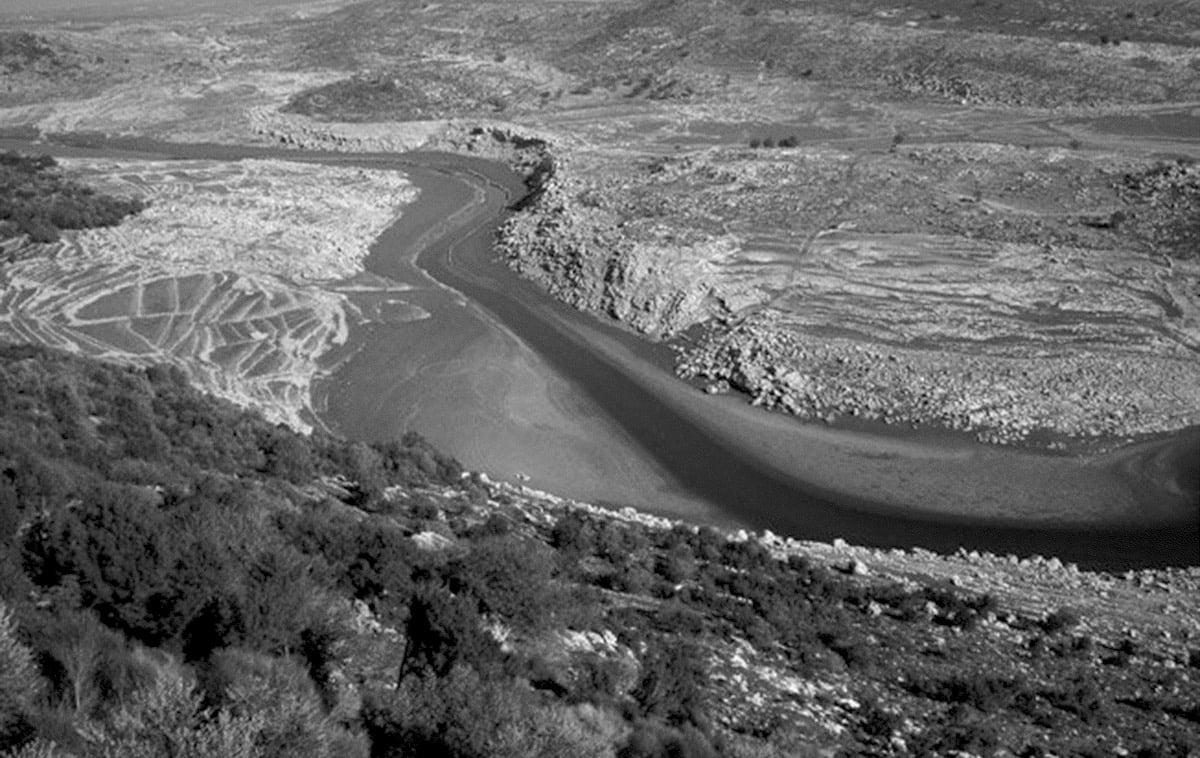
In Lebanon, the state owns a substantial part of the territory, estimated to range between 20 and 25 per cent of the country’s total surface area. These publicly owned properties – the unbuilt ones – constitute our natural and ecological environment. They are a national asset directly linked to our ways of life and diverse livelihoods across Lebanese regions. Yet these public properties are the newest target of privatization through multiple government plans. In this series of articles, part of an in-depth research project, we try to answer the following questions: What kind of land is owned by the Lebanese state? Where is it located? What social value does it hold? And what do we stand to lose if the state concedes this land?In this series of articles, part of an in-depth research project, we try to answer the following questions: What kind of land is owned by the Lebanese state? Where is it located? What social value does it hold? And what do we stand to lose if the state concedes this land?
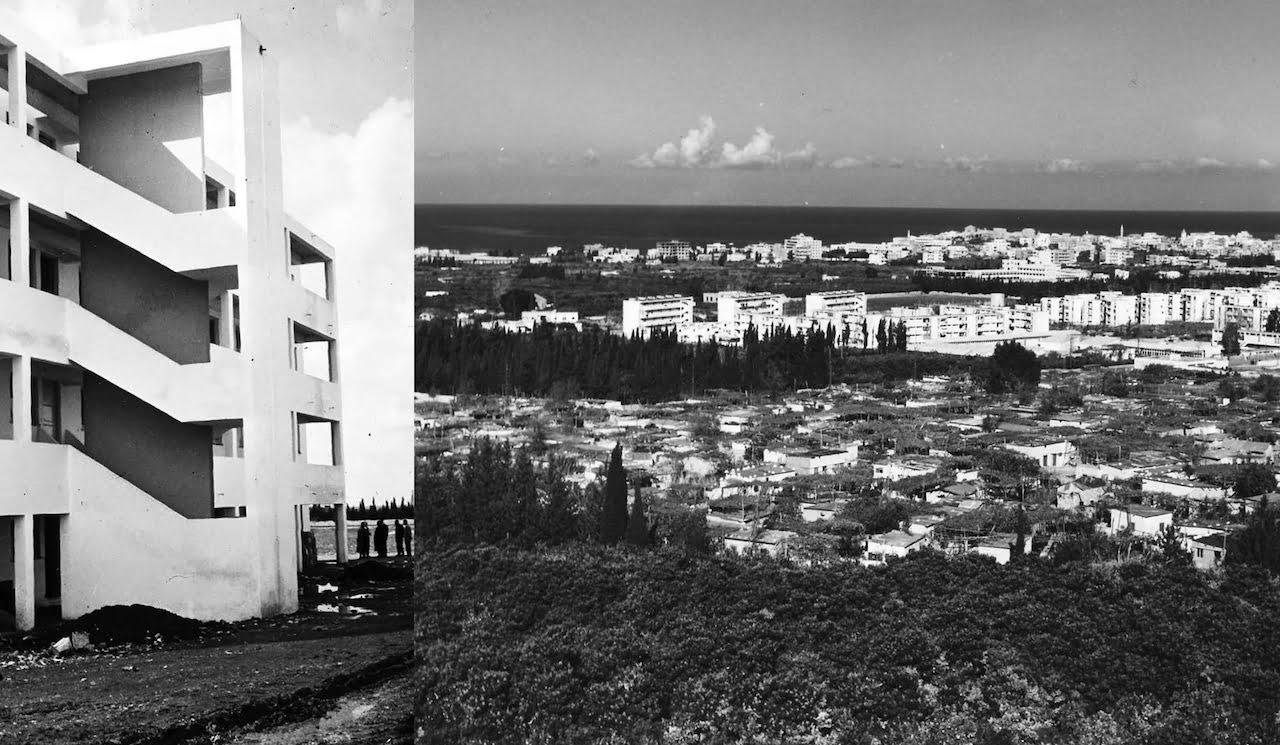
In this article, our focus revolves around the Land Consolidation and Parcellation projects in the cities of Tripoli and Mina in North Lebanon. We examine their influence on the economic and urban identity …
It was presented to the Parliament session on February 20-21, 2022
In this series of articles, we investigate how the authorities handled the cases of both the riverine and maritime Tripoli (i.e., the Mina), and the implications of their policies on people’s housing rights, …
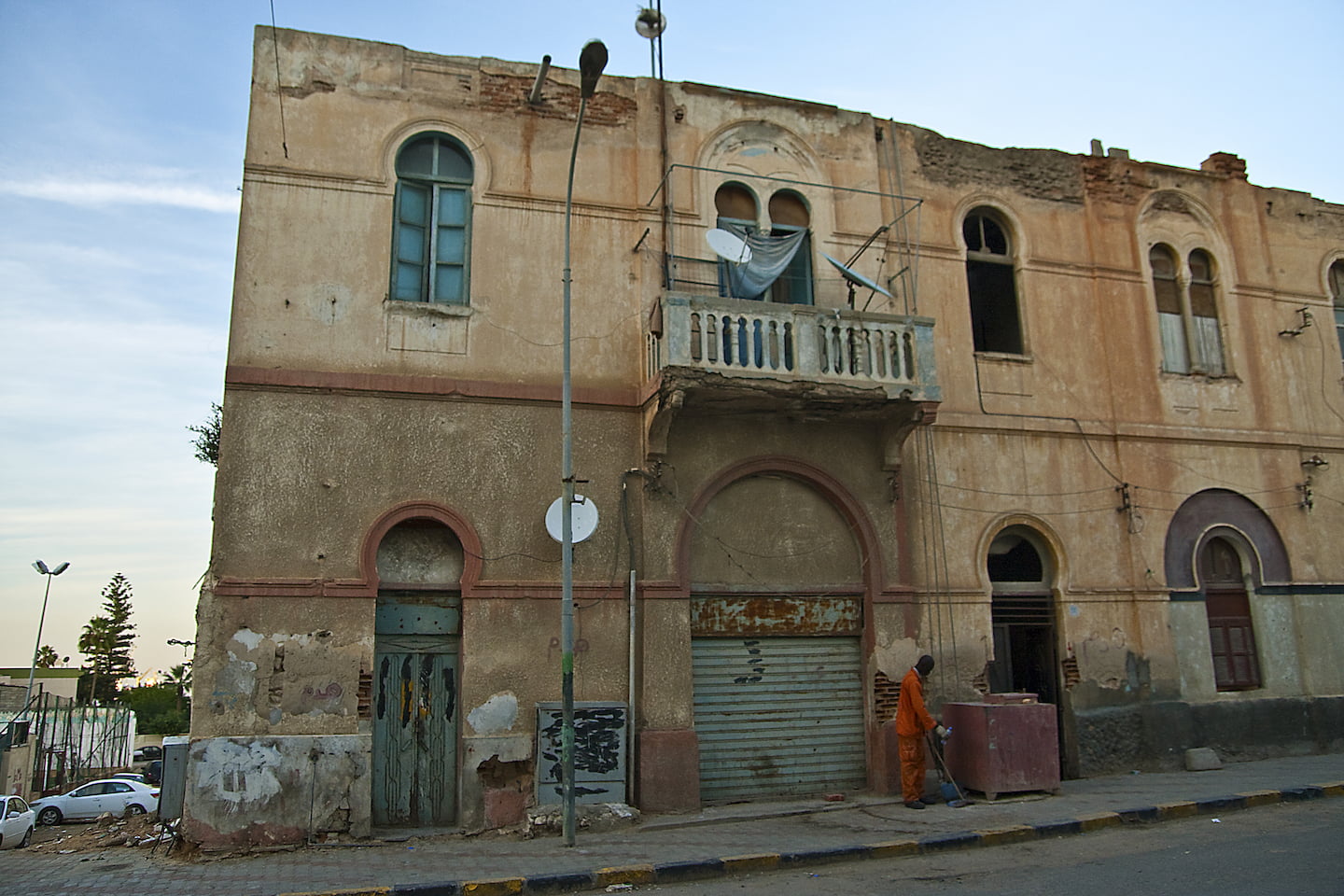
The Aug. 4, 2020, Beirut port blast killed 217 people, injured 7,000 others, and displaced some 300,000 people, causing widespread devastation and leaving no less than 1,120 buildings in need for renovation, notably in the neighborhoods closest to the blast site. To date, it is estimated that only 30% of the residents of Beirut’s affected neighborhoods have actually returned to their homes.
Based on Housing Monitor Report of July-August 2021 During July and August, the Housing Monitor followed up on 40 cases of housing vulnerabilities, affecting a total of 188 individuals. This report aims to …
Based on the Housing Monitor report for the months of September, October and November 2021 During September, October and November, the Housing Monitor tracked 46 cases of housing precarity, affecting a total of …
This exhibition at Beirut Art Center is Public Works Studio’s first institutional presentation. Rather than approach the format of the exhibition with any kind of finality, PW has created a site as unstable …
It was placed on the agenda of the 21-22/4/2020 session, but it was withdrawn by the government following the International Bank’s retraction of the loan due to the emerging circumstances.
It was included in the agenda of the parliamentary sessions 30/09/2020 and 21/12/2020 and has not been studied yet.
“Strong Lebanon” MPs: Proposing a Law Which Excludes Relatives from the Provisions of Freezing the Sale of Real Estate Properties does not Threaten the “Sectarian Identity” of the Areas Affected by the August 4 Port Explosion
Proposing an accelerated law aimed at amending the second paragraph of Article 3 of Law No. 194 (Protecting the areas impacted by the explosion in the port of Beirut and supporting their reconstruction).
It was presented to the Parliament session on February 20-21, 2022