Beirut District

Green light to destroy Beirut’s theater:

The Ministry of Culture removes protection under pressure from the Shoura Council and the owner's threats

The Ministry of Culture delisted lot number 243 in the Ain Mreisseh district (Beirut) from the general inventory list of historical buildings is a striking decision. This contradiction raises questions about the motives behind the decision, specifically that the lot includes Beirut Theater.
In this article, we review the details of the property and previous attempts to protect it, revealing an alarming threat on the theater and the adjacent buildings.
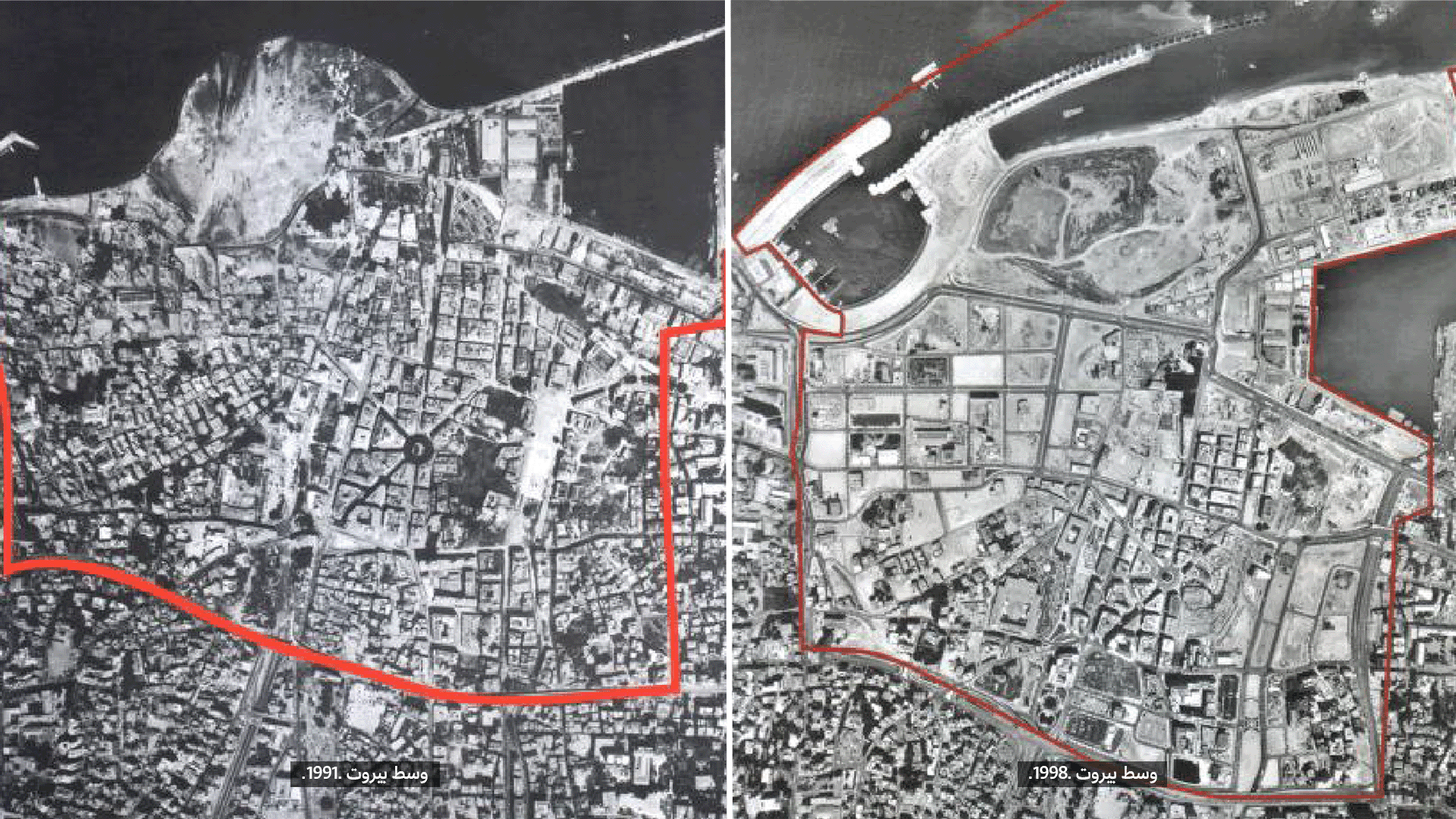
The Beirut Central District Reconstruction Experience (Solidere)

Solidere was established after the end of the Lebanese Civil War (1975-1990) to undertake the reconstruction of downtown Beirut, which is now known by its name. This company’s experience represents the neoliberal model of reconstruction, a model that has been subject to much criticism and questioning.
This article reviews Solidere’s experience with the aim of recalling it and rethinking the social and cultural repercussions of the neoliberal model it followed.

Fencing the Playground: Erasing Public Space in Zokak el Blat

The abrupt fencing of a vital informal public space in Beirut’s Zokak el Blat neighborhood: Property 483, has become a potent symbol of social and political exclusion, directly challenging the ‘right to the city’ for Beirut’s residents.

Investigating the Religious Land Endowments in Lebanon

Part 2 | The Lost Social Value of the Properties of Three Sects in Greater Beirut

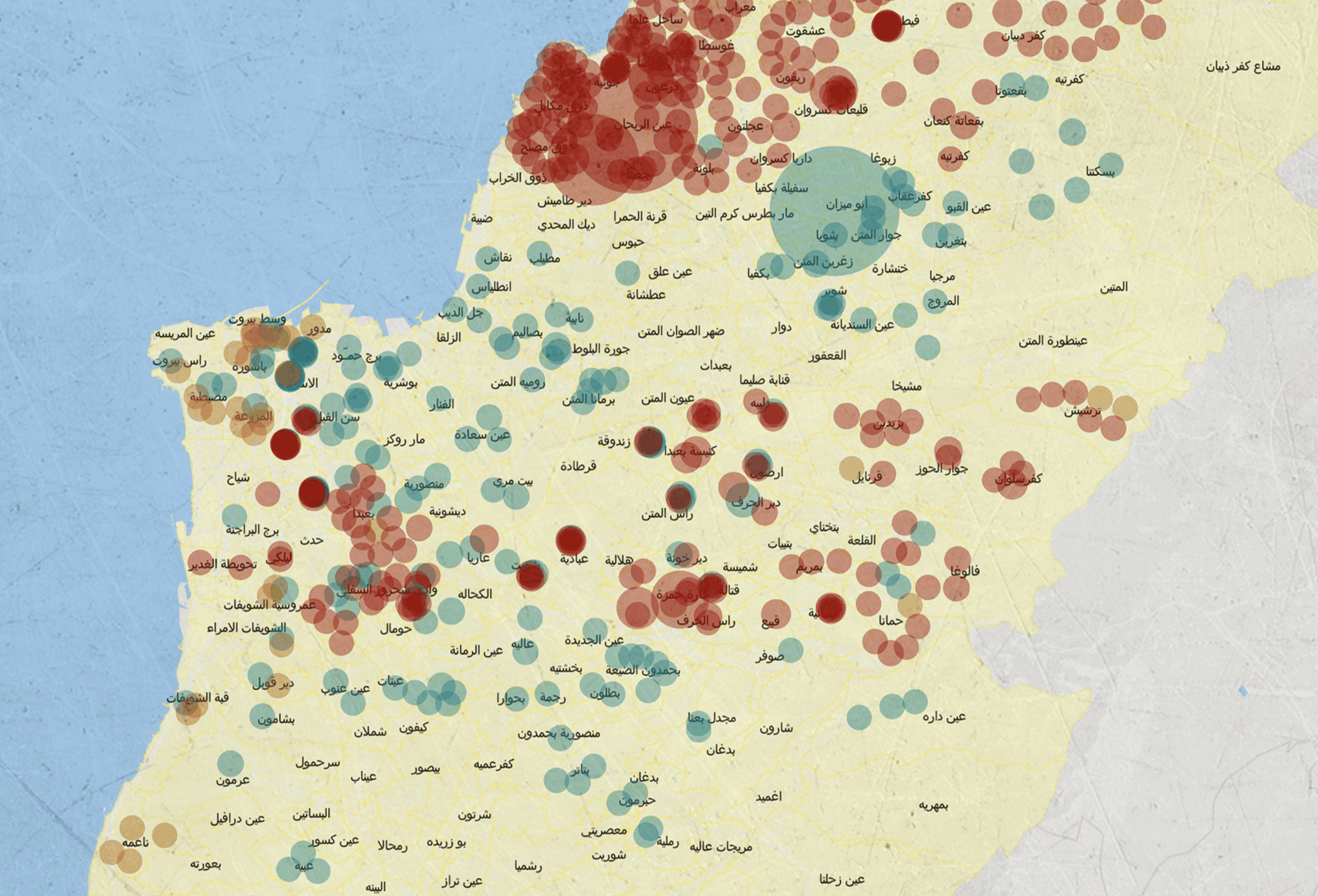
Amid Lebanon’s economic crisis, religious authorities have been excluded from the discussion on sharing the losses, despite being among the largest landowners and benefiting from tax breaks. In this context, it was necessary to conduct an in-depth study of religious endowment lands (waqf), highlighting their social value, placing them at the center of the wider conversation on the economic collapse, as well as shedding light on the needed regulation and taxation, and making the related data accessible as a basis for any future advocacy.

Investigating Religious Land Endowments in Lebanon

Amid Lebanon’s economic crisis, religious authorities have been excluded from the discussion on sharing the losses, despite being among the largest landowners and benefiting from tax breaks. In this context, it was necessary to conduct an in-depth study of religious endowment lands (waqf), highlighting their social value, placing them at the center of the wider conversation on the economic collapse, as well as shedding light on the needed regulation and taxation, and making the related data accessible as a basis for any future advocacy.

Investigating the Religious Land Endowments in Lebanon

Part 1 | An Overview of the Law and the Land Registry

Amid Lebanon’s economic crisis, religious authorities have been excluded from the discussion on sharing the losses, despite being among the largest landowners and benefiting from tax breaks. In this context, it was necessary to conduct an in-depth study of religious endowment lands (waqf), highlighting their social value, placing them at the center of the wider conversation on the economic collapse, as well as shedding light on the needed regulation and taxation, and making the related data accessible as a basis for any future advocacy.

Investigating the Religious Land Endowments in Lebanon

Amid Lebanon’s economic collapse, along with other successive crises, “ownership” is raised as a fundamental issue in shaping the system of social and economic relations, framed by the state through laws, making it …

The need for policies to protect heritage buildings: Buildings threatened with collapse in Basta

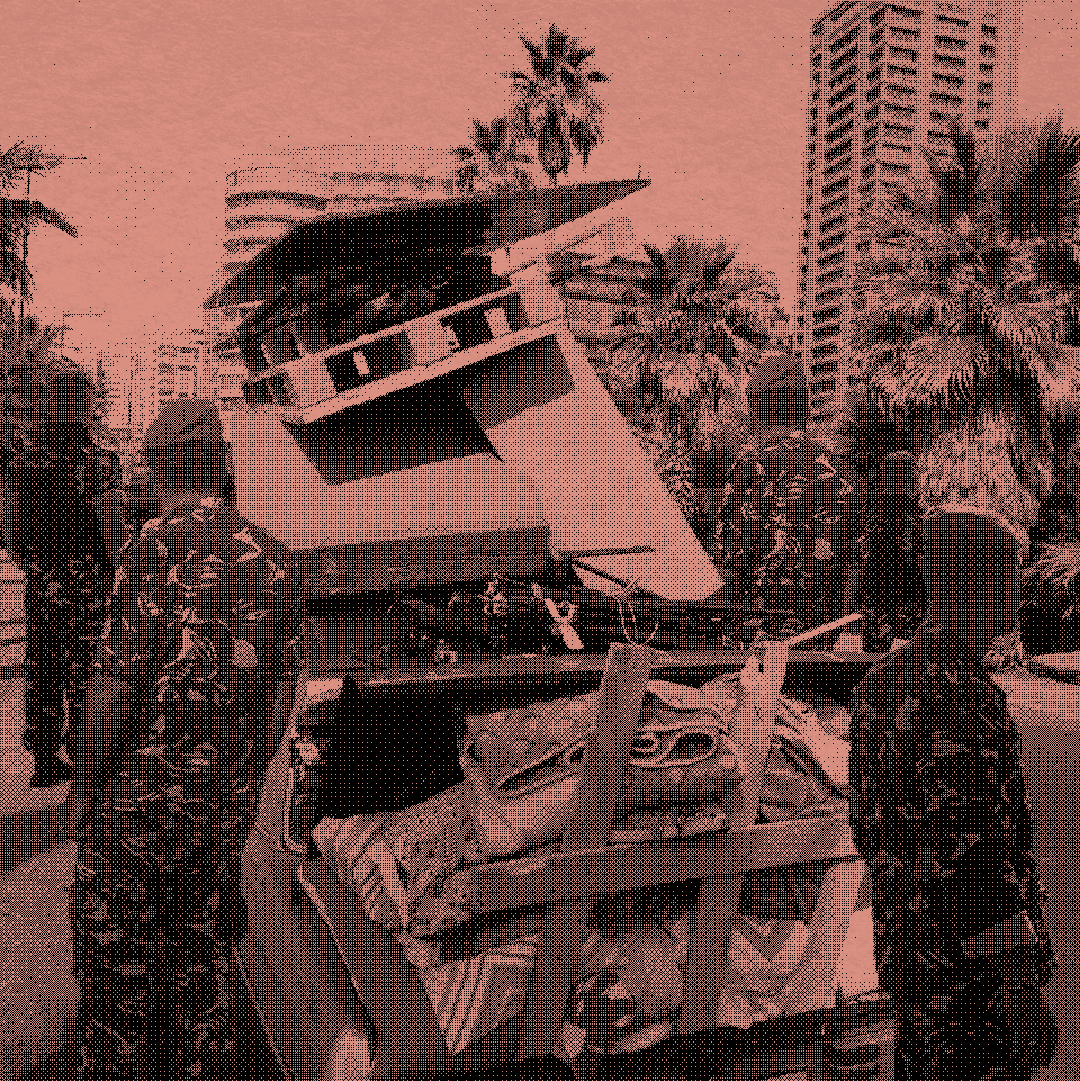
Following the evacuation of the inhabitants, two listed buildings are threatened with demolition, apparently as a result of deliberate negligence by the owners, as well as Israeli raids during the last war. This issue is not merely the destruction of unsafe buildings, but a clear example of the complexities of the issue of neglected heritage buildings and the institutional failures in its management. It also opens the door to fundamental questions about how to reconcile the preservation of public safety with the preservation of historical legacy, and how to protect the most vulnerable groups who inhabit these buildings, in the face of owners’ expectations for material gain.

Squatting Vacant Buildings: A Report on the Illegality of Evictions During the War

During the Israeli war on Lebanon, the use of vacant buildings proliferated as a prominent way to access housing due to the lack of alternatives. In an attempt to understand these practices, this report documents the legal and political tools used for evictions and eviction threats in 3 case studies in Beirut, highlighting their illegitimacy. It also calls for challenging the criminalization of squatting, particularly during war, and emphasizes the role of these practices in restoring the social value of vacant buildings.

 About Abd el Baqi building in Hamra:

squatting to reclaim the city’s social role

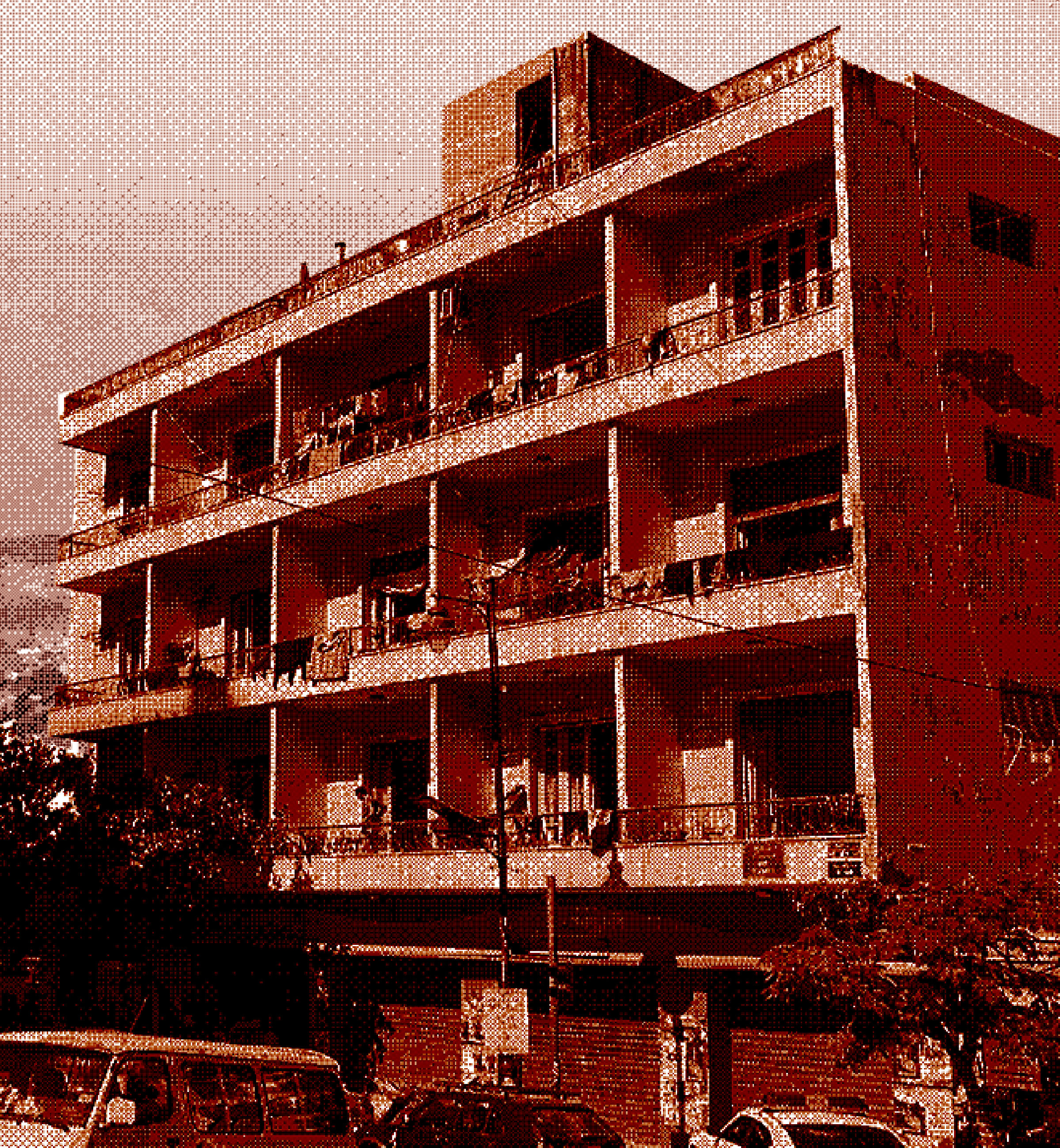
The right to the city is an application of the right to ​​access housing and city spaces, through the recognition of the importance of the space’s social role. Today, a number of displaced people are trying to apply the concepts of the right to the city and housing by taking possession of an abandoned building in Hamra. About a month ago, the owner of the building sent an eviction request to the public prosecutor. The eviction didn’t take place, but by narrating the threat and the building’s story, we hope to open a discussion about squatting, the priorities that drive such an issue, and the balance of power it reveals, especially since squatting has become a necessity and a reality during the war.

Beirut Municipality removes the tents of the displaced in Ramlet el Bayda while using force and without securing alternatives

On Thursday October 31st, the security forces proceeded to remove the tents that were inhabited by more than seventy displaced persons in Ramlet al-Bayda, to transfer them to a new shelter in the Karantina area. However, these plans excluded non-Lebanese, causing them another displacement or homelessness.

Eviction in the war: Protecting Private Property, the Case of Hildon Hotel

Once again, we document the story of an abandoned building, the “Hildon Hotel” in Raouche, where around 600 displaced people, fleeing the Israeli war, sought refuge. Though the hotel owner’s son initially allowed them to stay, he later demanded their eviction, forcing them to leave without alternative housing. This case highlights the urgent need for government intervention, calling for the use of vacant properties as temporary housing and ensuring evictions follow legal procedures with suitable alternatives provided.