Reconstruction and Recovery

The Exemptions and Reconstruction Law: Not an Alternative to a Comprehensive National Plan

More than seven months after the ceasefire in Lebanon, on June 30, 2025, the Parliament passed the first law related to reconstruction in response to the Israeli war on Lebanon. Ultimately, the law is a limited step forward, highlighting the urgent need for a comprehensive national recovery plan for reconstruction.

The State’s Absence or its Presence in Absence: The Case of Basta Buildings Rehabilitation

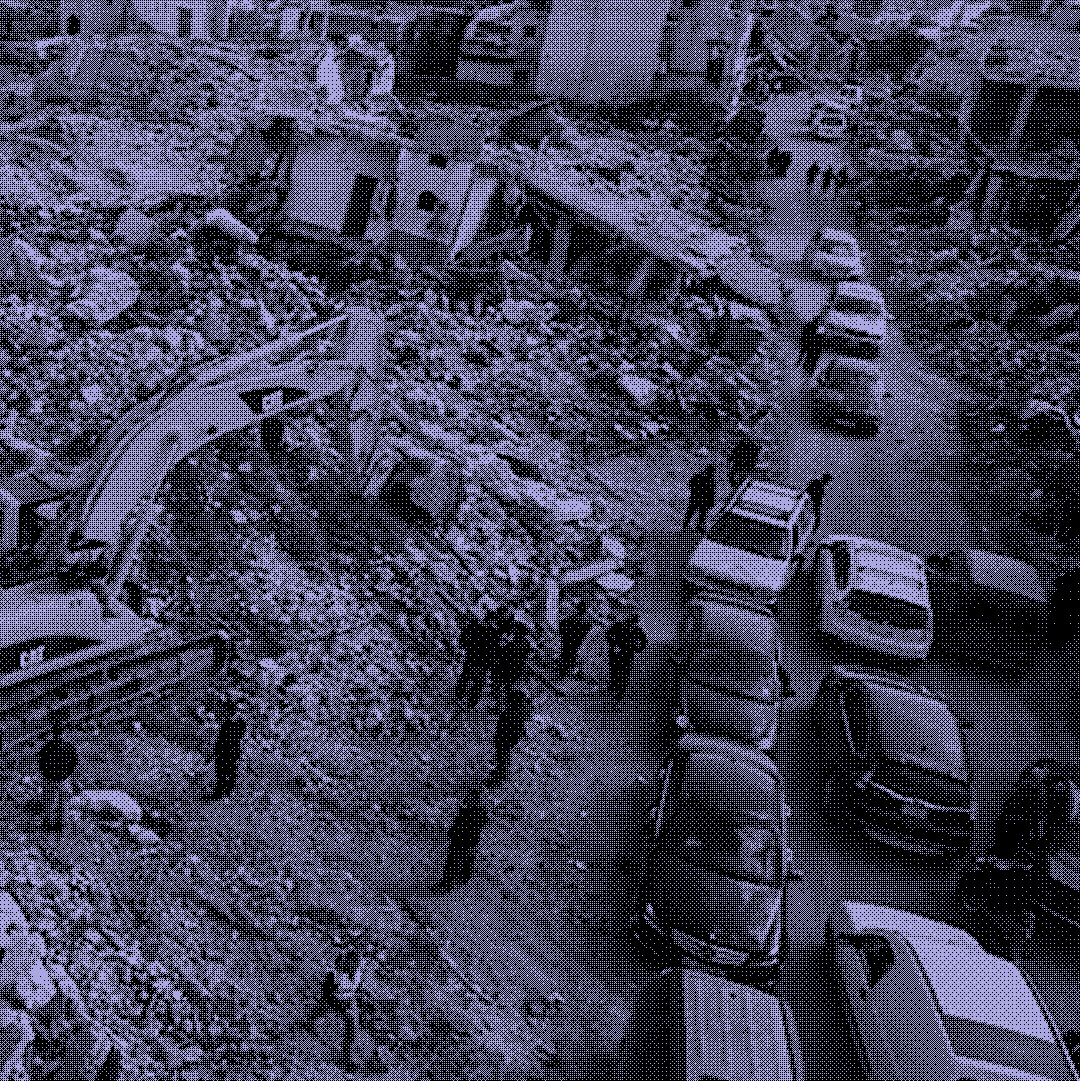
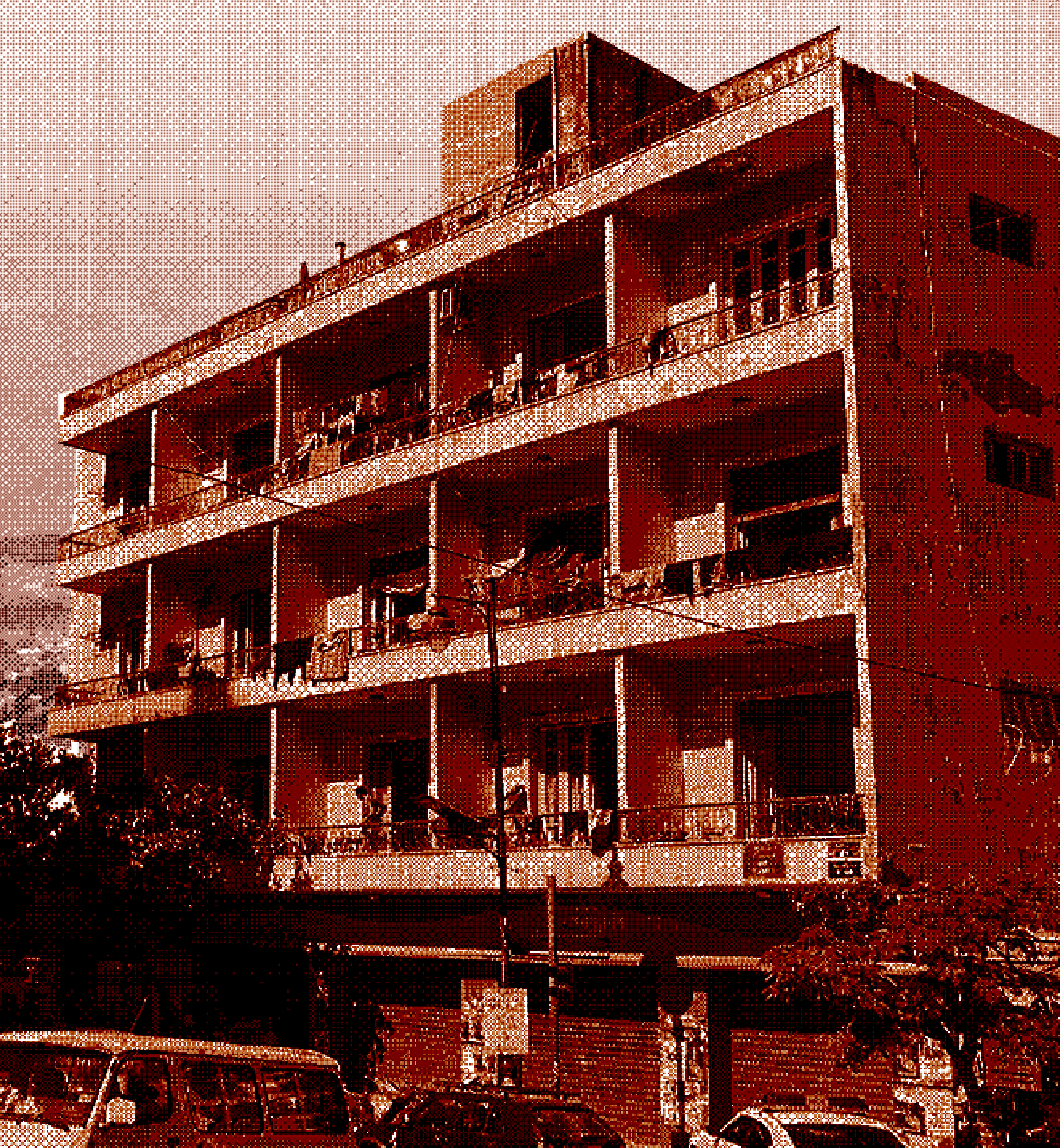
The residents of Al-Maamoun Street in Basta endured an Israeli crime during its aggression on Lebanon, as devastating aerial raids on October 10 and November 23, 2024, caused significant casualties and widespread destruction. This text presents a rapid field study on the current renovation efforts in Basta by the NGO “Offre Joie”.
Displaced Persons and Returnees: Between Rising Rents and the Israeli Targeting of Prefabricated Homes

In the aftermath of the ceasefire, both the displaced and returnees are struggling to access affordable, suitable, and safe housing. Over 90,000 individuals remain displaced, with most relying on rental housing, where landlords have significantly inflated prices. Meanwhile, returnees continue to endure Israeli violations, with repeated attacks on prefabricated homes, further undermining return efforts. This crisis underscores the urgent need for state intervention to guarantee the right to adequate, affordable, and safe housing.

Between Rubble Removal and Reconstruction: Will the Israeli Ecocide in Lebanon Continue?

In the aftermath of Israel’s attacks, Lebanon struggles with both physical and environmental destruction. This report examines the state’s efforts in rubble removal, highlighting key gaps and necessary approaches for a sustainable recovery.

 The Reconstruction Process Between the Law, Ownership status, and people’s Return 

Four months after the ceasefire, Internal Security Forces halted reconstruction in several border villages due to permit requirements, raising concerns about the future of destroyed homes—whether licensed, unlicensed, or built on public property. Given the political significance of reconstruction in these areas, the state must facilitate and organize the reconstruction process in a way that protects people’s right to housing, meets their needs, and respects the urban identity of the regions, within the framework of resisting occupation.

A Call to Protect Cultural Properties following the Israeli Aggressions on Lebanon

Following the Israeli aggression against Lebanon, which killed thousands of civilians and targeted a large number of villages and towns in the southern and Bekaa regions, in addition to the southern suburbs of …

Enacting a law to extend rental contract deadlines: An insufficient measure to safeguard the right to housing

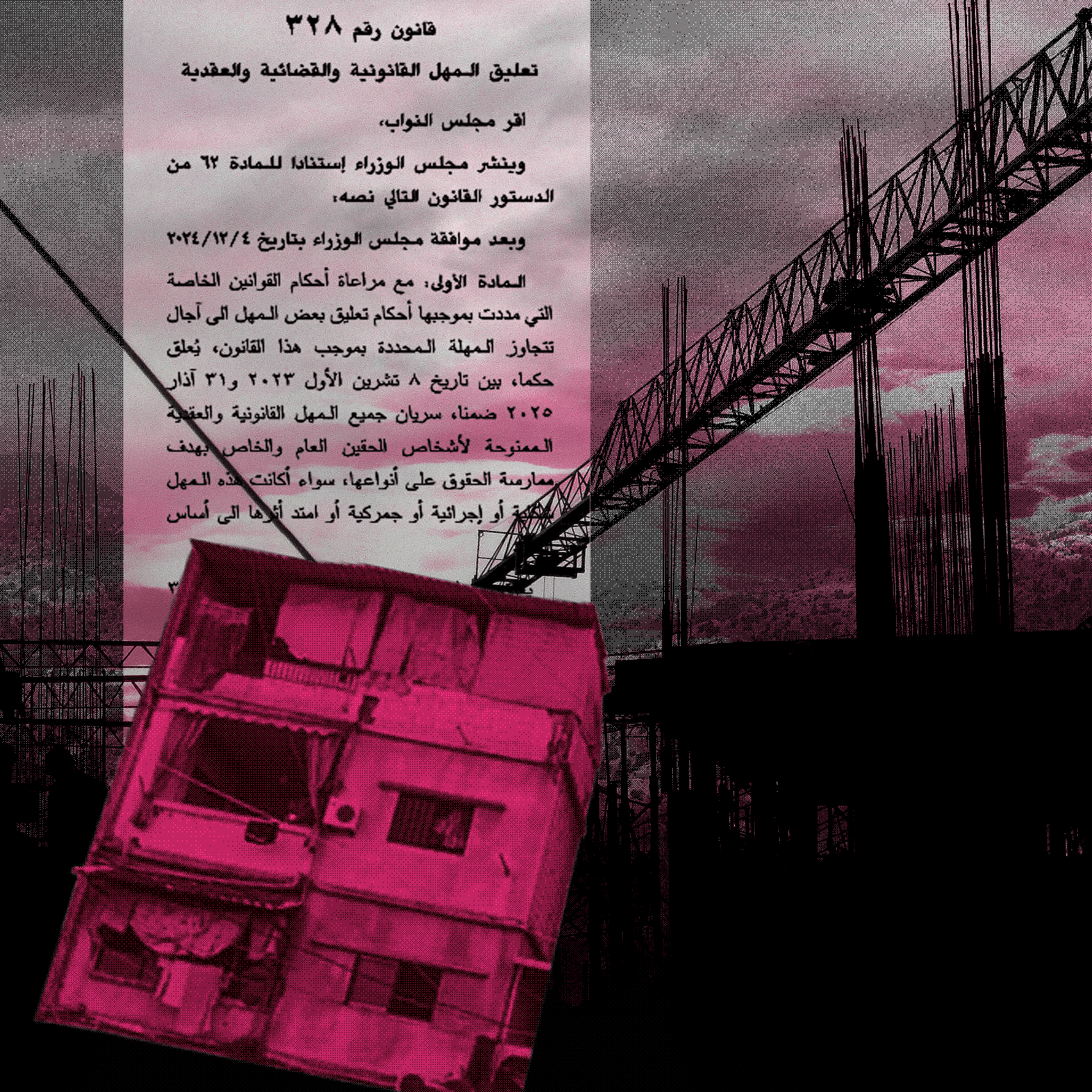
The Lebanese government’s new law suspends legal, judicial, and contractual deadlines to protect citizens’ rights during the Israeli aggression. However, concerns persist about its long-term effectiveness, especially regarding housing security and old rental tenants.

Squatting Vacant Buildings: A Report on the Illegality of Evictions During the War

During the Israeli war on Lebanon, the use of vacant buildings proliferated as a prominent way to access housing due to the lack of alternatives. In an attempt to understand these practices, this report documents the legal and political tools used for evictions and eviction threats in 3 case studies in Beirut, highlighting their illegitimacy. It also calls for challenging the criminalization of squatting, particularly during war, and emphasizes the role of these practices in restoring the social value of vacant buildings.

 The Reconstruction Draft Law repeats the Mistakes of the past:

Reviving destroyed villages can’t happen only through buildings

After a ceasefire was implemented in Lebanon on November 27, the Lebanese government held a special session on December 7 in the southern city of Tyre and approved a draft law for rebuilding homes destroyed by Israeli attacks, as they were before. Regardless of its immediate issues in terms of content, it appears that the proposed law does not address the previous or emerging challenges we are facing and risks repeating the mistakes of past failed reconstruction experiences.

How Sound Builds New Walls: Warscapes and the Safe City Map

The damage of the war was not limited to the residents of the targeted areas; its brutality extended to most of the Lebanese territories. The echoes of these attacks reached areas far from the bombing, as a result of the violation of the Lebanese skies by hostile Israeli warplanes and drones. This text is an attempt to explore sound as a war tool, used by the Israeli killing machine to support its war against us.

Solutions to Adapt to the Conditions of War: A Temporary Fix that Conceals the Necessity of Reforming Property and Construction Laws.

A Joint Commentary by Public Works Studio and Legal Agenda

The proposed draft law, submitted on November 19, 2024, suggests extending the validity of Law 294/2022 for five more years and applying some modifications to certain clauses. The law is proposed with the …

Shelter Distribution Reflects Religious, Class, and Regional Factors

Lebanon’s national emergency plan for mass displacement relied on shelters in schools located in safer areas, but their uneven geographic distribution created challenges, with many host towns and regions suffering from overcrowding. The imbalance, exacerbating regional inequality and pressure on infrastructure, underscored the need to a more equitable distribution of shelters.