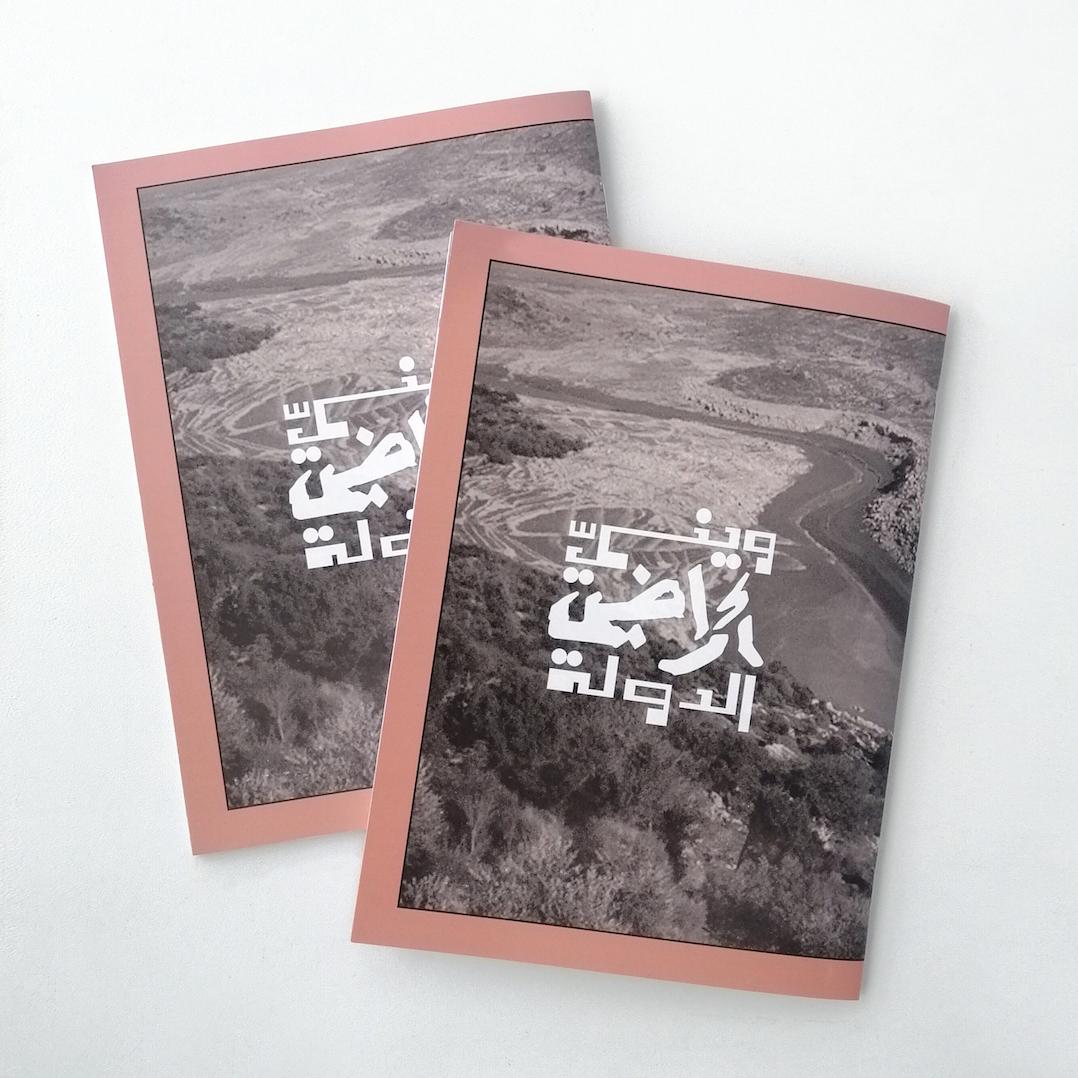
Public Property

The Reclassification of Public State Property, a Tool to Fulfill the Desires of the Powerful

ينتشر اليوم خطاب واسع ويطغى، مسوّقاً لخصخَصة الأملاك العامة كوسيلةٍ لإنقاذ الدولة من الإفلاس. هذه الأملاك هي جزء أساسي من محفظة أصول لبنان العامة…

Mapping State-Owned Land Against Privatization

In light of the ongoing financial and economic collapse, mainstream public discourse called for the privatization of public assets, to save the state from bankruptcy, through a fund enabling banks to seize state-owned …

Mapping State-Owned Land Against Privatization

In light of the ongoing financial and economic collapse, mainstream public discourse called for the privatization of public assets, to save the state from bankruptcy, through a fund enabling banks to seize state-owned …

Where are the State’s Lands?

In this article, we delve into the texts of laws, decrees, and records from the Ministry of Finance. Our aim is to shed light on the nature of public property, its geographical distribution, and its social significance.

Mapping State-Owned Land Against Privatization

In Lebanon, the state owns a substantial part of the territory, estimated to range between 20 and 25 per cent of the country’s total surface area. These publicly owned properties – the unbuilt ones – constitute our natural and ecological environment. They are a national asset directly linked to our ways of life and diverse livelihoods across Lebanese regions. Yet these public properties are the newest target of privatization through multiple government plans.
In this series of articles, part of an in-depth research project, we try to answer the following questions: What kind of land is owned by the Lebanese state? Where is it located? What social value does it hold? And what do we stand to lose if the state concedes this land?In this series of articles, part of an in-depth research project, we try to answer the following questions: What kind of land is owned by the Lebanese state? Where is it located? What social value does it hold? And what do we stand to lose if the state concedes this land?
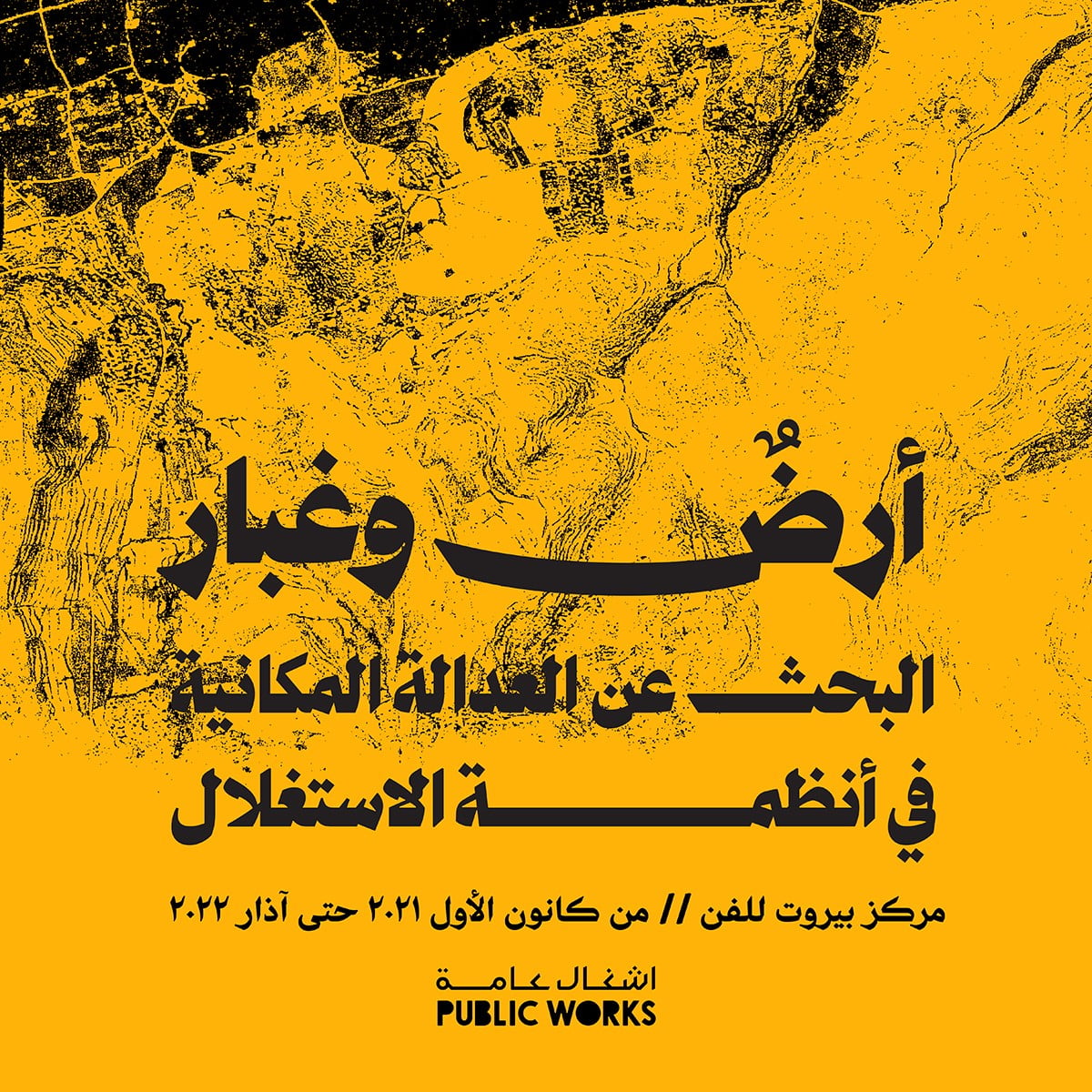
Ground to Dust: Systems of Extraction and the Search for Spatial Justice

This exhibition at Beirut Art Center is Public Works Studio’s first institutional presentation. Rather than approach the format of the exhibition with any kind of finality, PW has created a site as unstable …

Lebanon’s Loyalty to the Resistance Parliamentary Bloc Proposes Law to Abolish Amiri Lands System

Proposing a law to merge Amiri lands with Mulk lands.

It was referred to the Finance and Budget, and Public Administration Committees on 15/07/2020 and has not been studied to date.

Open Public Gardens, They Are the Safest Spaces

An Open Letter to the Government and the Beirut Municipality

This is an open letter to the government and Beirut municipality, demanding the reopening of public gardens in Beirut, following the gradual lifting of closures due to covid-related health concerns. Read it in …

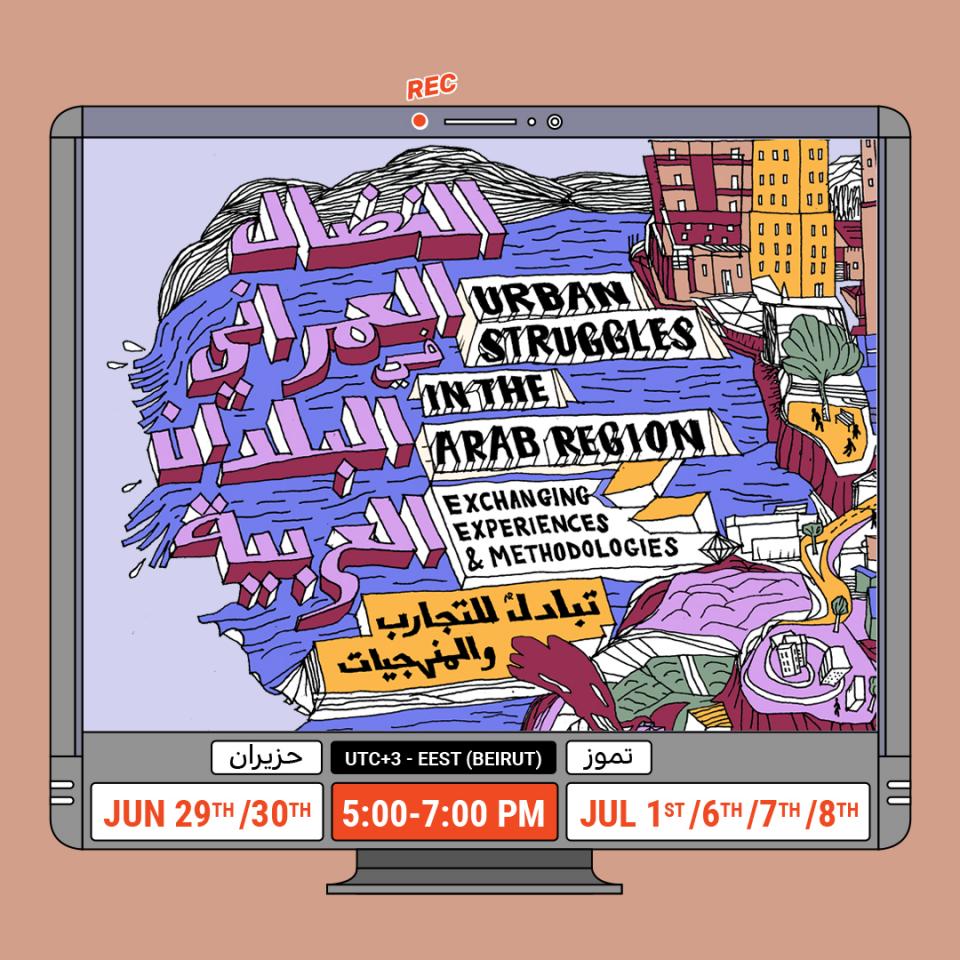
Urban Struggles in the Arab Region

Exchanging Experiences and Methodologies

Public Works Studio, in collaboration with Professor Heba Bou Akar from Columbia University, organized a series of online seminars focusing on experiences, frameworks, and methodologies for addressing the challenges of urban realities in …

Defending Social Spaces for an Equitable City

Dialogue Series: The Social Value of Land

Speakers in this session discuss the reclamation and preservation of social spaces threatened by real-estate speculation. They examine urban planning laws and the experiences of Bayt Beirut, Fouad Boutros, Beirut Theatre, Dalieh, and …

Discussion in Jal El Dib’s Public Square

Waterfront Investment in the Service of the Rentier Economy

The development and organization of the Lebanese coast has often been associated with the construction and real estate industry. In the northern part of El Meten district, projects such as LINORD and Waterfront …

Camp Radio

Episode One: Play in the Camp

This project is aimed at empowering youth in Mar Elias Palestinian camp (Beirut) by showcasing their abilities and encouraging collaboration in improving their urban environment. The project involves a series of workshops that …