March – May 2022

How does Lebanon Violate the Right to Housing?

Read in Arabic here.

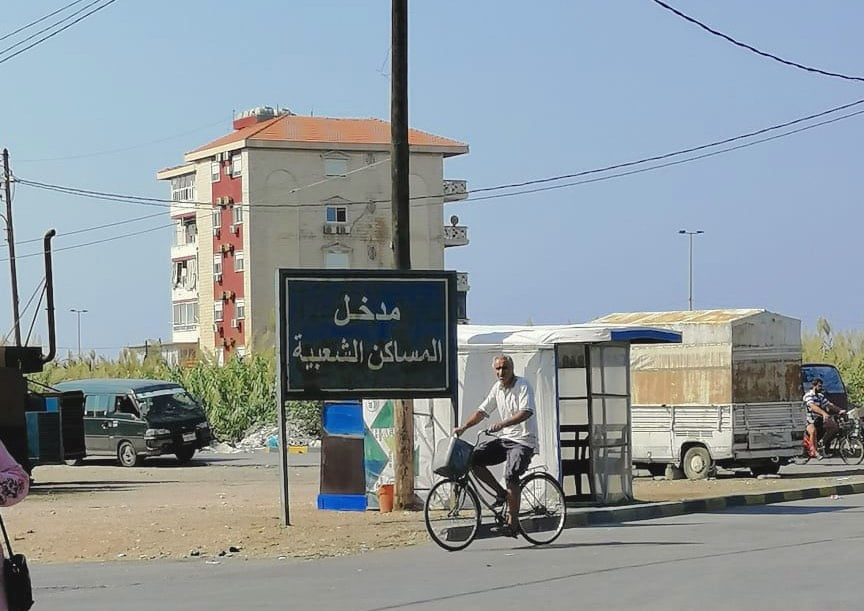
Tripoli: The Nakba of Unfinished Housing Projects

In this article, we focus on the state-owned lands that have been historically designated for housing in the cities of Tripoli and Mina (North Lebanon). First, we examine the multiple types of state …

The Reclassification of Public State Property, a Tool to Fulfill the Desires of the Powerful

ينتشر اليوم خطاب واسع ويطغى، مسوّقاً لخصخَصة الأملاك العامة كوسيلةٍ لإنقاذ الدولة من الإفلاس. هذه الأملاك هي جزء أساسي من محفظة أصول لبنان العامة…

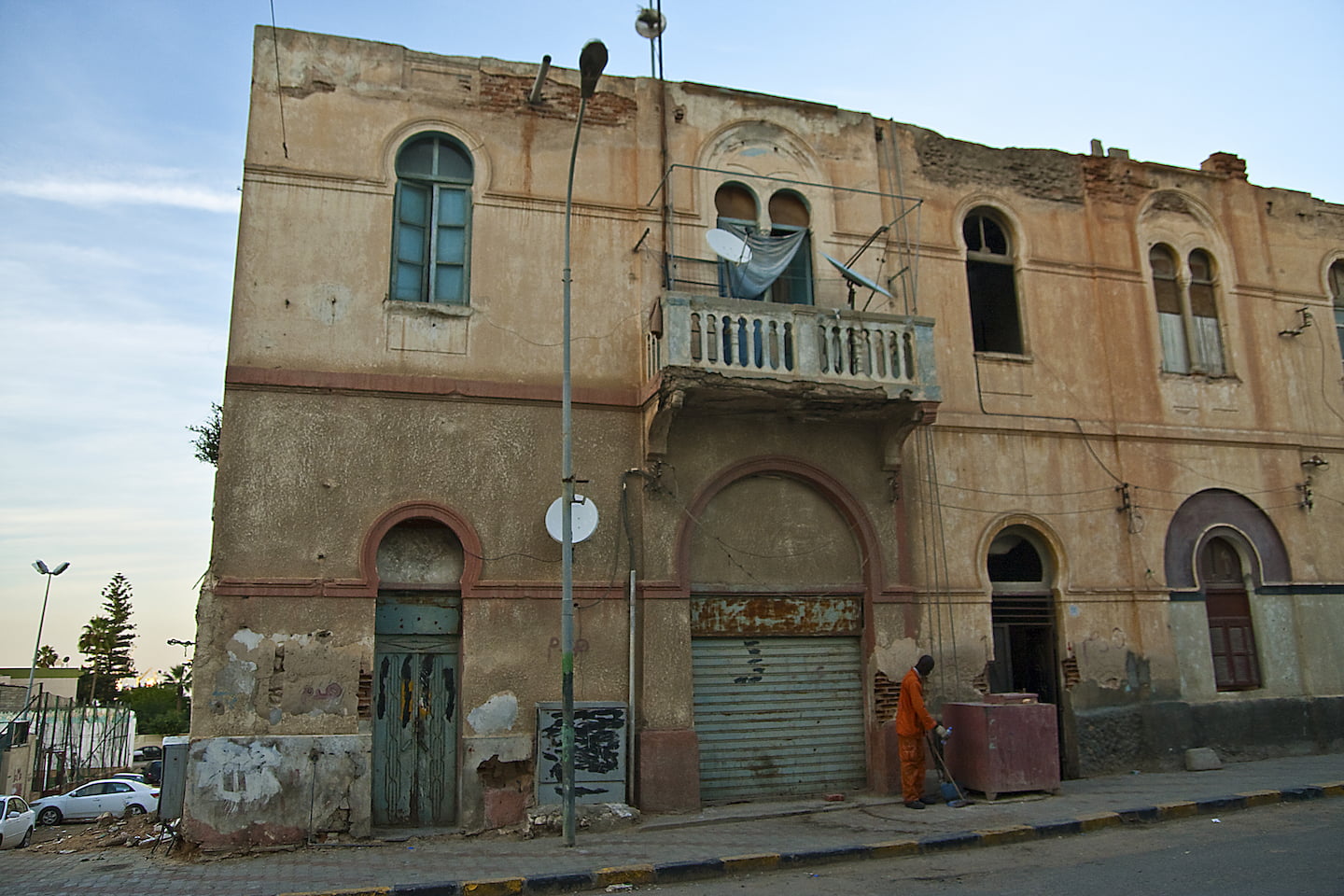
Tripoli, a “Heritage City” At The Expense of Its Residents

In this article, we delve into the battle of restoring and rehabilitating historical buildings in the cities of Tripoli and Mina (North Lebanon), focusing on “Taht Al-Sibat” neighborhood, Al-Fawal building, and other examples. …

Rayyan and Eviction Harassment

Rayyan had been living for 4 years in a small apartment in a neighborhood in Bourj Hammoud, along with her husband and 8 children, the oldest of whom is 18 years old and …

Mapping State-Owned Land Against Privatization

In light of the ongoing financial and economic collapse, mainstream public discourse called for the privatization of public assets, to save the state from bankruptcy, through a fund enabling banks to seize state-owned …

Mapping State-Owned Land Against Privatization

In light of the ongoing financial and economic collapse, mainstream public discourse called for the privatization of public assets, to save the state from bankruptcy, through a fund enabling banks to seize state-owned …

May 2021 – February 2022

The Housing crisis Exacerbates: Who Pays the Price?

Since 2020, the Housing Monitor has been reporting on the increasing rate of evictions, alerting to a growing housing crisis. These come as a direct result of speculative market practices operating within a …

Defending Housing Rights in the Midst of Rent Dollarization

The Housing Monitor publishes its 3rd legal report, detailing legal interventions conducted by the Right to Housing Legal Task Force between December 2021 and January 2022.  This report – published in Arabic –  documents the …

December 2021 – January 2022

In parallel with this report, we are also publishing a report on the Monitor’s legal and community interventions that were developed with the purpose of protecting the housing rights of callers documented here. …

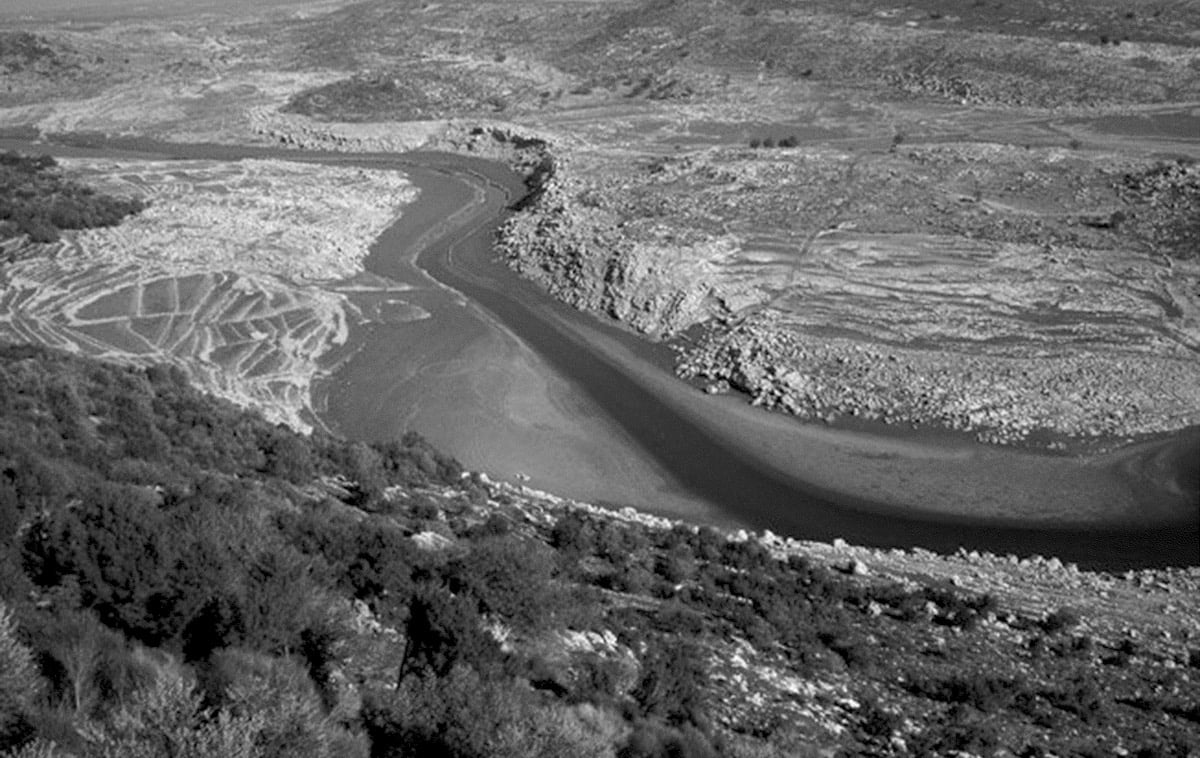
Where are the State’s Lands?

In this article, we delve into the texts of laws, decrees, and records from the Ministry of Finance. Our aim is to shed light on the nature of public property, its geographical distribution, and its social significance.

Mapping State-Owned Land Against Privatization

In Lebanon, the state owns a substantial part of the territory, estimated to range between 20 and 25 per cent of the country’s total surface area. These publicly owned properties – the unbuilt ones – constitute our natural and ecological environment. They are a national asset directly linked to our ways of life and diverse livelihoods across Lebanese regions. Yet these public properties are the newest target of privatization through multiple government plans.
In this series of articles, part of an in-depth research project, we try to answer the following questions: What kind of land is owned by the Lebanese state? Where is it located? What social value does it hold? And what do we stand to lose if the state concedes this land?In this series of articles, part of an in-depth research project, we try to answer the following questions: What kind of land is owned by the Lebanese state? Where is it located? What social value does it hold? And what do we stand to lose if the state concedes this land?