relief

Monitoring Draft laws and Government Decisions: 

What Did the State Do During the War?

This report monitors the performance of the government and parliament during the period of the Israeli aggression up to 15 April, and shows the absence of a comprehensive response that tackles social and economic impacts. Partial responses and an increasingly security-driven approach were adopted, alongside the passing of decisions that do not reflect the priorities of the moment nor the scale of the ongoing collapse. This reveals an ongoing crisis management through a business-as-usual logic, without an integrated approach that places people’s needs at the center of the response.
Shelter Distribution Reflects Religious, Class, and Regional Factors

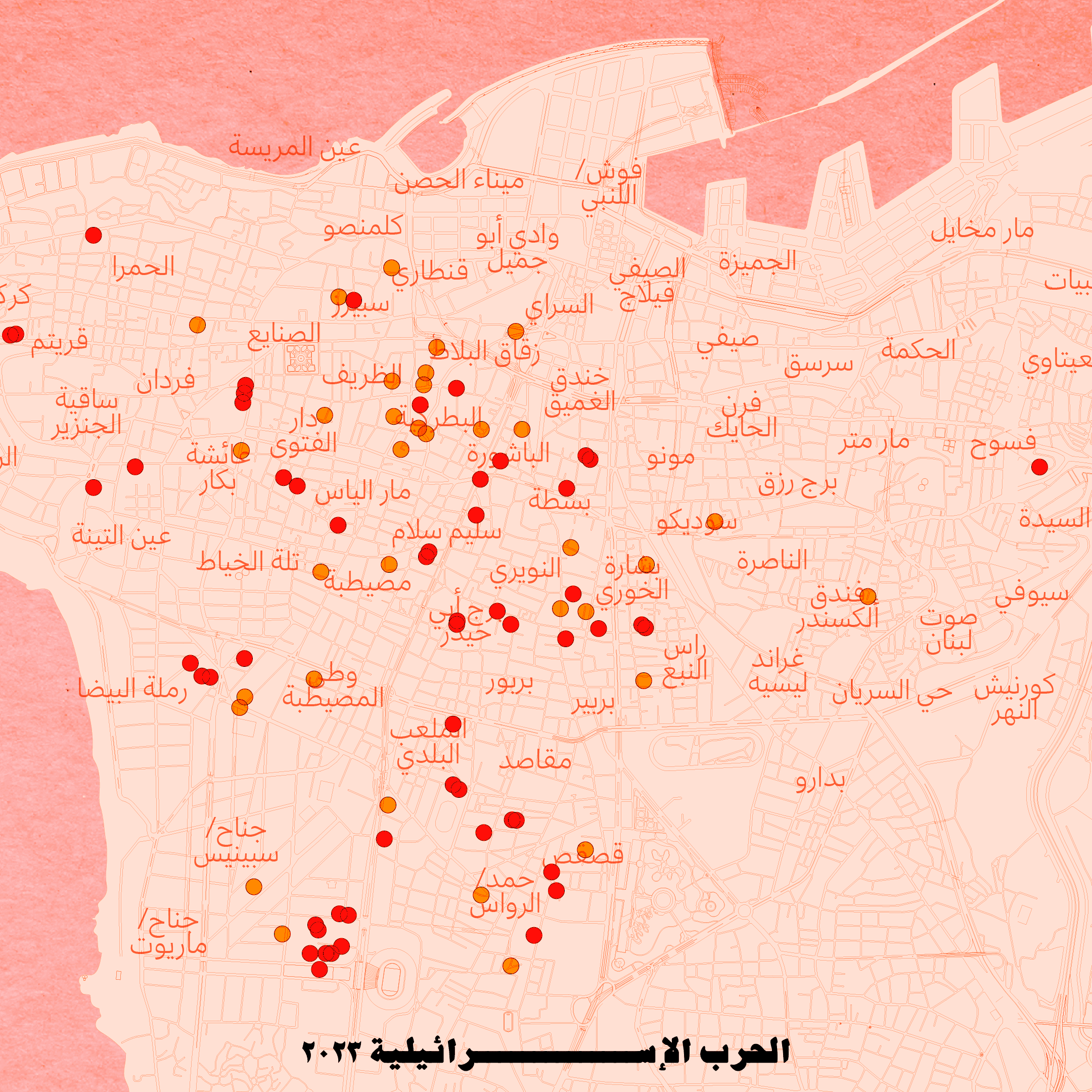
Lebanon’s national emergency plan for mass displacement relied on shelters in schools located in safer areas, but their uneven geographic distribution created challenges, with many host towns and regions suffering from overcrowding. The imbalance, exacerbating regional inequality and pressure on infrastructure, underscored the need to a more equitable distribution of shelters.

International Conference to Support Lebanon: Prioritizing Transparency

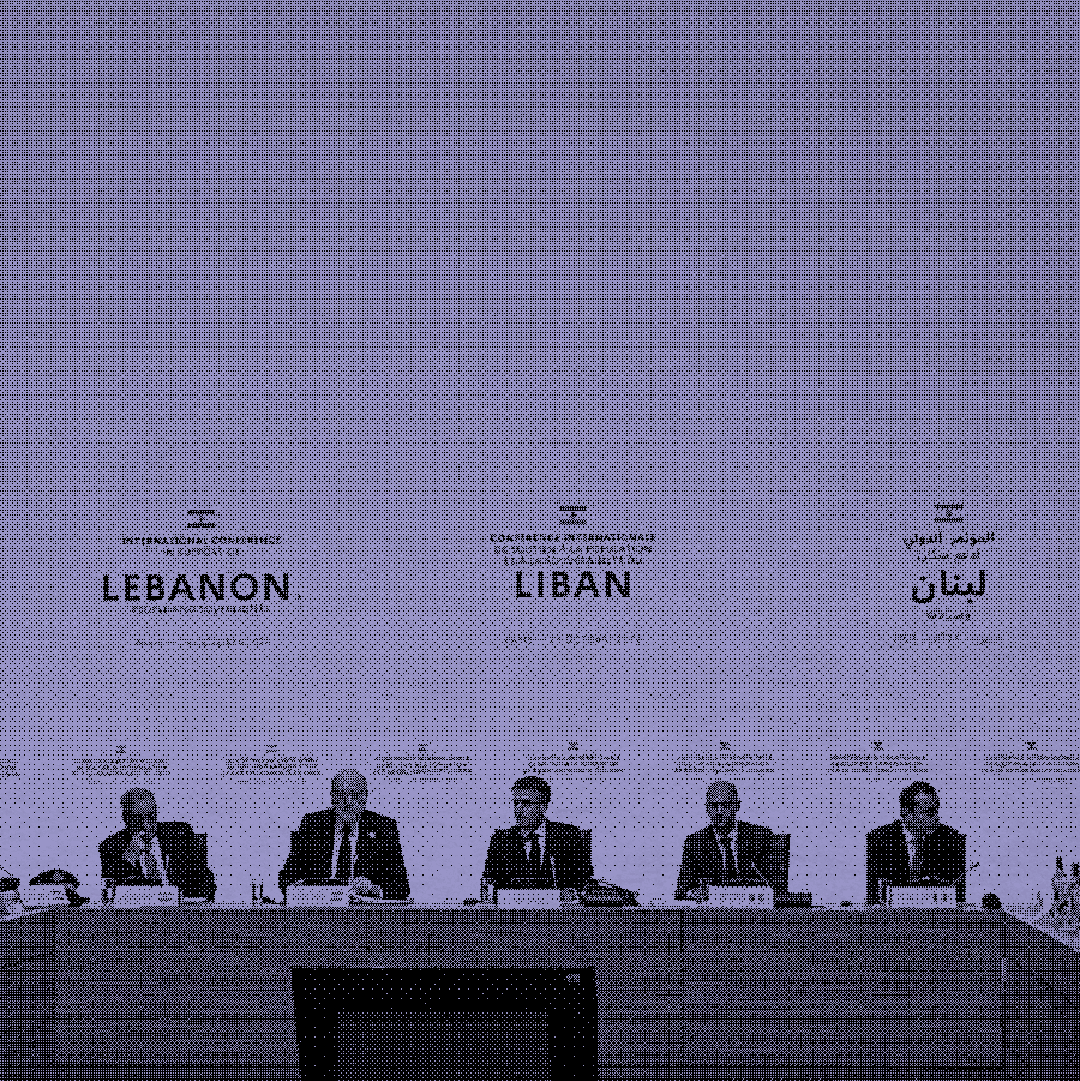
France will host an international conference on October 24 to raise $1 billion for Lebanon’s urgent humanitarian needs, infrastructure repairs, and ceasefire negotiations. An earlier appeal raised only 15.1% of the $426 million needed for displaced people. There is a strong need for transparency in aid distribution and political action to address the root causes of Lebanon’s crisis, particularly the Israeli occupation.

Unequal Distribution of Shelters: Undermining Shared Social Responsibility

Beirut has 114 designated shelters for displaced individuals, including public schools, private educational centers, and other facilities. These shelters are housing around 40,000 displaced people, mostly in crowded areas like Mazraa, Ras Beirut, …