maritime property

Mapping State-Owned Land Against Privatization

In Lebanon, the state owns a substantial part of the territory, estimated to range between 20 and 25 per cent of the country’s total surface area. These publicly owned properties – the unbuilt ones – constitute our natural and ecological environment. They are a national asset directly linked to our ways of life and diverse livelihoods across Lebanese regions. Yet these public properties are the newest target of privatization through multiple government plans.
In this series of articles, part of an in-depth research project, we try to answer the following questions: What kind of land is owned by the Lebanese state? Where is it located? What social value does it hold? And what do we stand to lose if the state concedes this land?In this series of articles, part of an in-depth research project, we try to answer the following questions: What kind of land is owned by the Lebanese state? Where is it located? What social value does it hold? And what do we stand to lose if the state concedes this land?
Discussion in Jal El Dib’s Public Square

Waterfront Investment in the Service of the Rentier Economy

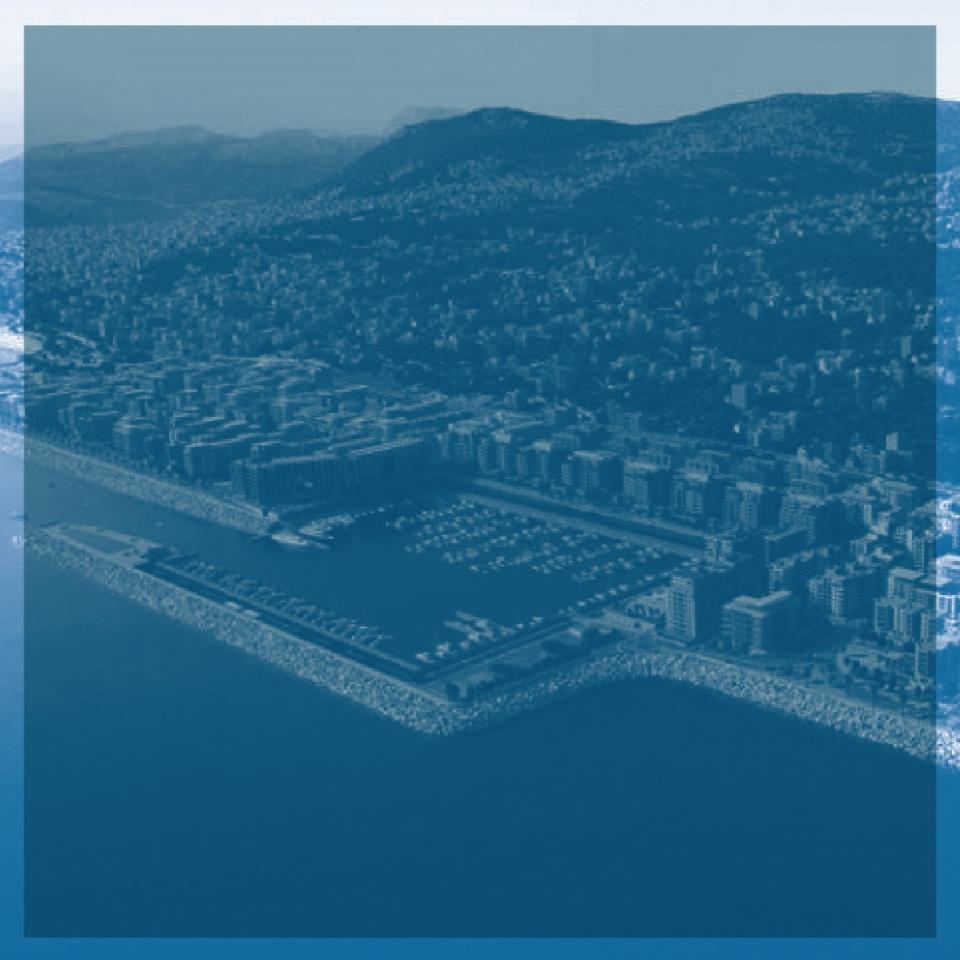
The development and organization of the Lebanese coast has often been associated with the construction and real estate industry. In the northern part of El Meten district, projects such as LINORD and Waterfront …

A Chapter on the City in “The Legal Agenda” Magazine

As part of our efforts to promote spatial justice, the right to the city, and urban policies, Public Works Studio published a section in the “Legal Agenda” magazine, aiming to enhance knowledge and …

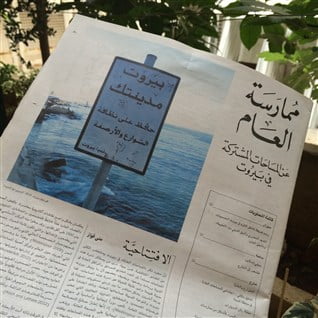
Practicing the Public

This collection of essays and maps digs beyond the apparent dichotomies between public and private spaces in an effort to understand what makes public space such a complex minefield. The publication starts with …

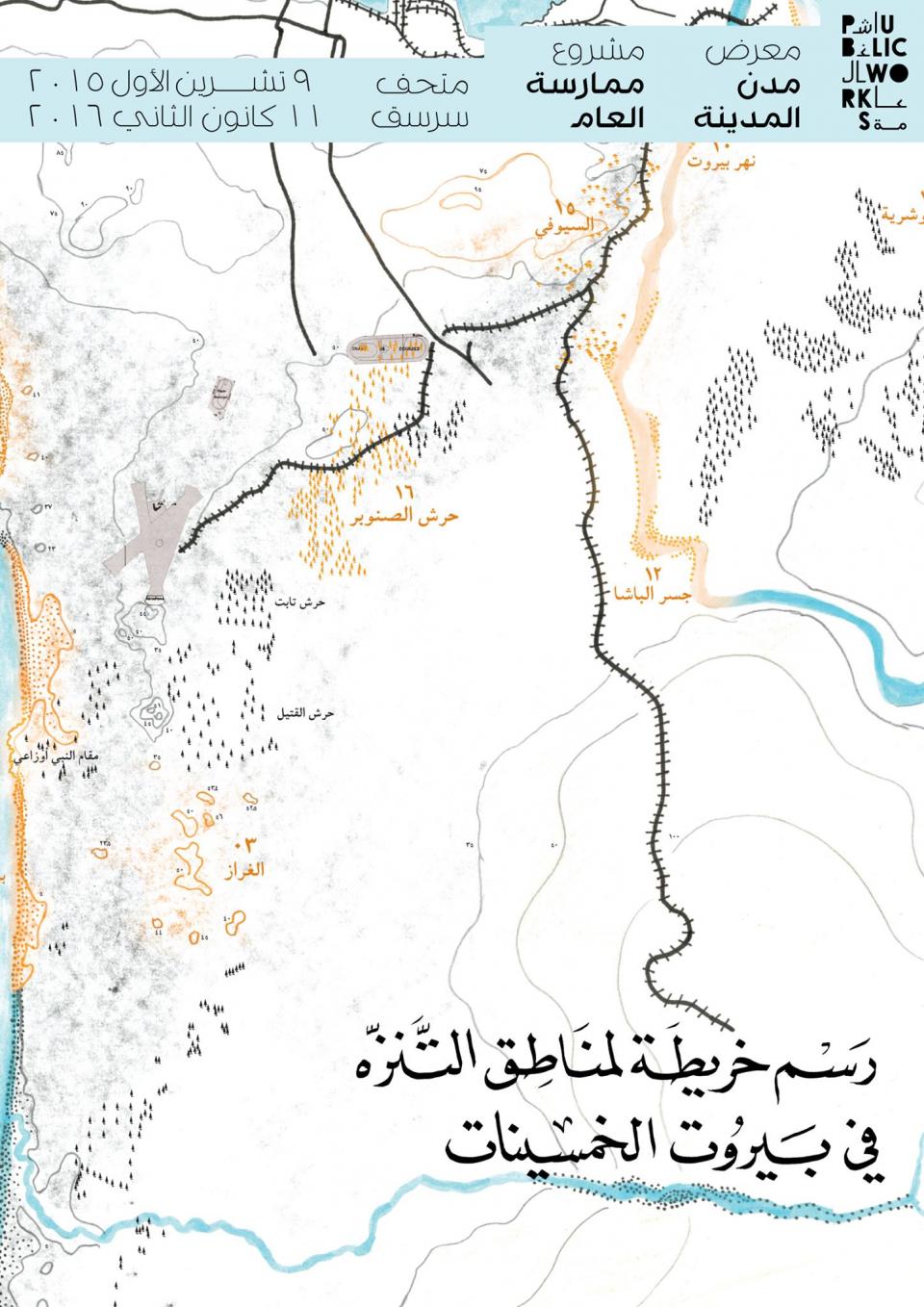
Exhibition at Sursock Museum: Recreational sites in 1950s Beirut

English translation in progress.

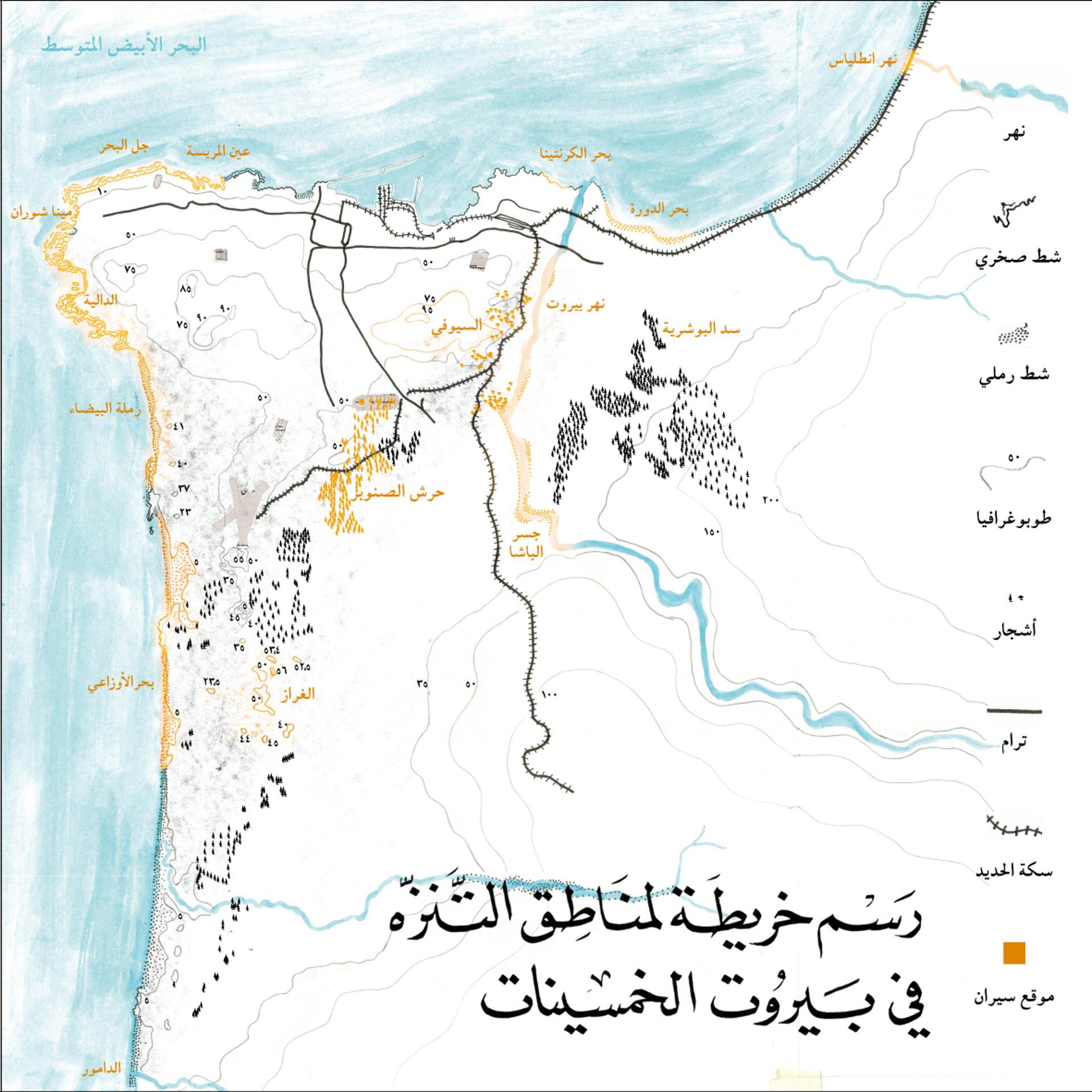
Recreational Sites in 1950s Beirut

Next to the “official” history of Beirut that recounts its spatial production through the establishment of formal urban squares and gardens (such as Place de L’Etoile, Sanayeh Garden, Place des Canons), we drew …